A Bimini top is an essential accessory when it comes to optimizing your boat’s ability for comfort and function. The Bimini top is a great shade, protective, and stylish. It protects you from harsh sun rays while adding to your boating experience. When selecting hardware, things get interesting as stainless steel Bimini top hardware is considered the premium choice for durability, looks, and dependability. This guide gives you in-depth knowledge about how to choose the right Bimini top and understand the intricate role that stainless steel hardware plays. There are some great practical insights and professional tips in this article that will guide you to make well-informed decisions to further enhance your boating experience, be you a seasoned boater or just stepping into the marine accessories scene.
What are the Key Bimini Top Parts?
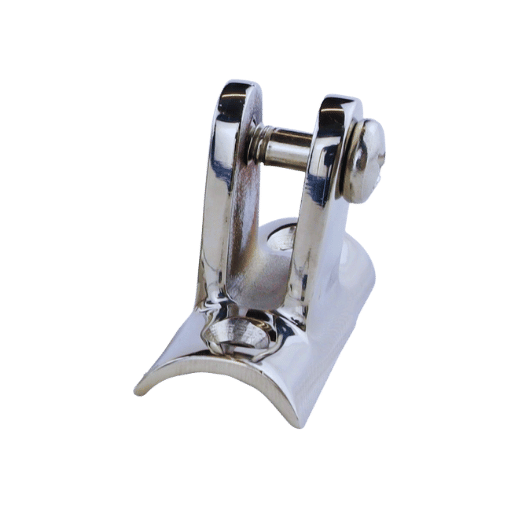
|
Part |
Description |
|---|---|
|
Canopy |
Shade & protection. |
|
Frame |
Structural support. |
|
Brackets |
Secured to the surface. |
|
Poles |
Shape & stability. |
|
Fittings |
Connects components. |
In providing an indispensable workable and durable installation of a Bimini top system, the system comes to realize some of the component aims.
Understanding Bimini Frames and Their Functionality
Bimini frames are collapsible steel frameworks built of aluminum or stainless steel to hold canvas tops; in this way, these frames serve as shade for the yacht and protection from the rain, ensuring comfort and usability.
Exploring Deck Hinges and Their Importance
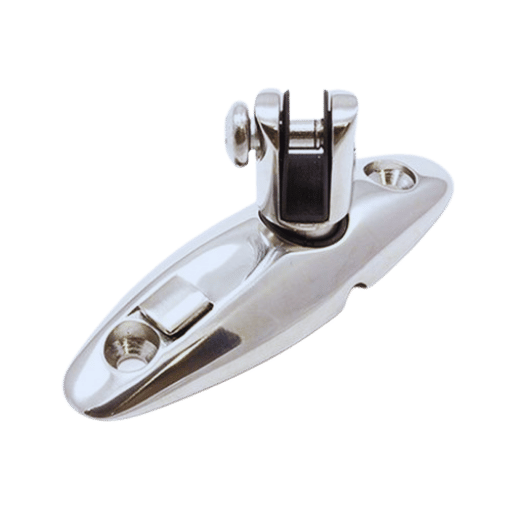
Deck hinges are important configuration elements of a Bimini state top since they join the frame to the boat’s deck. They are usually made of heavy-duty materials like stainless steel or nylon to stand up to a harsh marine environment without corroding. The deck hinges will give the area good attachment while allowing the folding and unfolding of a Bimini frame with ease. Correct installation and alignment of the deck hinges can ensure the functionality of the system, the life, and the safety of the boat in operation.
Role of Jaw Slides in Bimini Top Construction
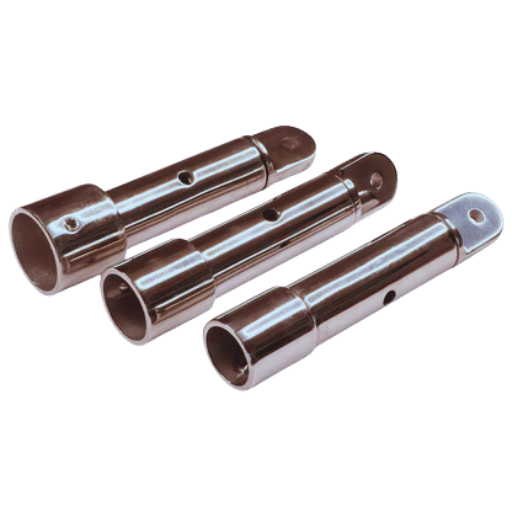
Jaw slides go into the category of crucial hardware used in the construction of Bimini tops since they connect the support poles of the frame to the main structure. Often manufactured from corrosion-resistant materials such as stainless steel or aluminum, jaw slides not only provide stability but also allow for the adjustability of the Bimini top. The jaws clamp down on the tubing of the frame, holding the support poles in place at precise positions and allowing for tensioning in alignment with the desired application. Without the capability of allowing the Bimini top to stay steadfastly reliable and durable concerning application under different conditions, this feature would be pointless.
How Does Stainless Steel Enhance Bimini Top Hardware?
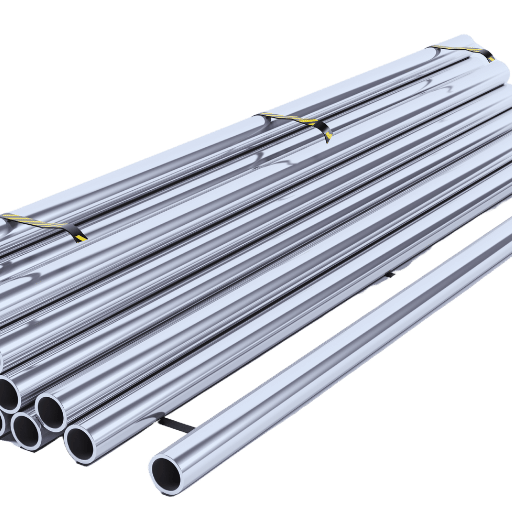
Durability of 316 Stainless Steel in Marine Environments
316-grade stainless steel is famous for its superior wear resistance in cruel marine conditions. This stainless steel, having an appreciable high molybdenum, will withstand corrosion in salt water, moist air, or UV light. Normal steel cannot withstand such aggression because it does not form a passive oxide layer, while the 316 stainless steel surface is protected by this oxide layer against corrosion and pitting even in continuous immersion in seawater. The other strength of this particular material is that it can withstand dynamic loading or stress without any deformation or, in due course of time, becoming weak due to corrosion. Recent research supports the claim that 316 stainless steel stays intact in temperature extremes and works better than 316L stainless steel under all marine-grade applications. The blend of these factors assures reliable hardware fabrication from 316-grade stainless steel, such as Bimini top hardware, with a long service life in the harshest marine conditions.
Comparing 304 Stainless vs. 316 Stainless Steel for Bimini Hardware
Being cost-friendly and appropriate for freshwater or indoor usage, 304 stainless steel is used; however, its molybdenum-bearing counterpart, 316 stainless steel-is far better in resisting corrosion and is much more durable in marine and saltwater environments.
|
Parameter |
304 Steel |
316 Steel |
|---|---|---|
|
Corrosion |
Moderate |
High |
|
Durability |
Good |
Excellent |
|
Cost |
Lower |
Higher |
|
Composition |
No molybdenum |
Contains molybdenum |
|
Applications |
Freshwater/Indoor |
Marine/Saltwater |
|
Magnetism |
Slightly magnetic |
Non-magnetic |
|
Strength |
Adequate |
Superior |
Benefits of Using Stainless Steel Bimini Components
- Corrosion Resistance: Stainless steel, especially those varieties that contain additional molybdenum, basically resists rust and corrosion, being ideal in a tough marine or saltwater environment.
- Durability: Highly durable against wear and tear, owing to being able to bear high loads and external forces.
- Strength: Stainless steel offers all the strength needed to keep the Bimini components functioning reliably under changing conditions.
- Aesthetic Appeal: Stainless steel finish gives a streamlined beauty to any marine structure, as well as a professional and stylish look.
- Non-Magnetic Characteristics: Some stainless steel grades have non-magnetic properties, useful in cases where magnetism may interfere with equipment or process.
- Low Maintenance: Stainless steel offers ease of maintenance because it rarely stains, corrosion, or tarnishes.
- Versatility: From freshwater to saltwater applications, it offers the necessary flexibility for all sorts of boats.
- Long-Term Cost Effective: On the higher side on first cost, it is relatively cost-effective over time because of its durability and low maintenance.
- Environmental Resistance: Stainless steel is considered to withstand adverse weather conditions, ensuring dependable performance even while subjected to UV rays, salt spray, and temperature fluctuation.
How to Install a Bimini Top on Your Boat?
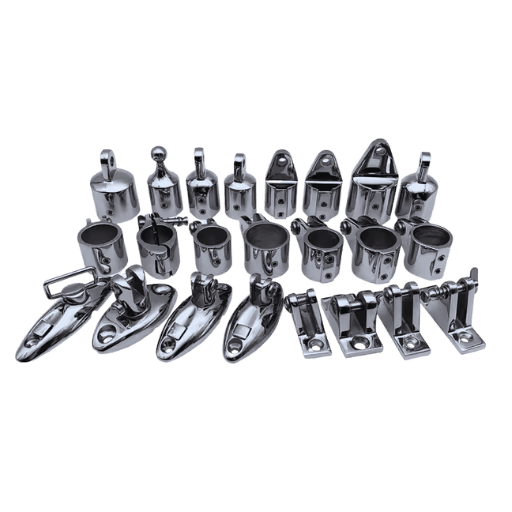
Step-by-Step Guide to Attaching Bimini Top Deck Hinges
1. Gather Tools and Materials Needed
Make sure the tools needed for installation are available. The list would depend on the method used for installation but, generally, includes a drill, screwdriver, measuring tape, masking tape, Bimini top, deck hinges, and mounting screws.
2. Choose the Location for Mounting
As per the specifications of your boat and the Bimini-top frame, determine the location at which the deck hinges will be installed. Using a pencil or masking tape, mark the desired locations for installation.
3. Measure and Ensure Proper Alignment of Hinges
Using the measuring tape, confirm that the hinges are aligned at equal distances on either side of the boat for an even fit.
4. Mark the Point of Drill for Pilot Holes
With the deck hinge in position, use a pencil to mark where the holes for screws would be drilled. Before drilling, double-check the alignment.
5. Drill Pilot Holes
At the marked location, drill pilot holes. This prevents cracking or splitting of the surface of the boat. Take care to ensure that the drill bits are appropriate for the material of your boat.
6. Fasten the Deck Hinges
Position the deck hinges over the pilot holes and secure using screws. Working gradually, tighten the screws to avoid damaging the hinges through over-tightening.
7. Attach the Bimini Top Frame
Attach the Bimini top frame to the deck hinges you’ve just installed. Make sure all parts are securely fitting and properly aligned according to the manufacturer’s instructions.
8. Check the Installation
Open and close the Bimini top several times to test if it works smoothly and check that it’s been properly installed with the hinges and frame.
9. Do Finishing
Inspect for loose screws, or misalignments that can obstruct operation, and correct any issues found. Clean debris and pencil markings left over from the installation process.
Understanding Quick Release Mechanisms
Quick-release mechanisms aim at efficiency and convenience for a wide range of applications boating equipment to bicycles and industrial machinery-everywhere. Facilities to quickly attach or detach components without special tooling are most welcome, resulting in far less downtime during their operations. Current data and industrial trends have shown an increase in the preference for quick-release systems due to the ease of user interaction offered to streamline maintenance work. In areas of the world paralleled by marine climatic conditions, corrosion resistance of quick-release pins and latching tools is of utmost importance to engineers so that those tools maintain trustworthy service through arduous conditions. This level of intricacy has continued to evolve gradually in response to engineering and material design improvements, aimed at assisting the user in obtaining higher functionality and accuracy.
Best Practices for Securing Bimini Top with Nylon Straps
1. Ensure Proper Strap Alignment
Inspect the nylon straps and ensure they are aligned properly with the Bimini top attachment points and those on the boat. In case of misalignment, uneven tension may arise and affect the strapping efficiency.
2. Visual Inspection of the Straps
Examine the nylon straps for signs of fraying or wear and tear. It is necessary to replace any straps that are compromised in order to retain good fastening and safety.
3. Straps Must Be Tightened
Tighten the strap to firm tension but never to the point of over-tightening, which may cause damage to the strap or place unnecessary stress on the bumper points.
4. Use Reinforced Attachment Points
The straps should be attached to areas on the boat that have been reinforced so that stability can be assured against all water conditions.
5. Recheck After Installation
Gently pull on the Bimini top once secured to test that it is held very firmly in place. Interval checks should be carried out throughout use, particularly following any occurrences of high wind or waves.
Following these good practices will help maintain the durability and functionality of your Bimini top setup for safety and ease of use.
What are the Common Replacement Parts for Bimini Tops?
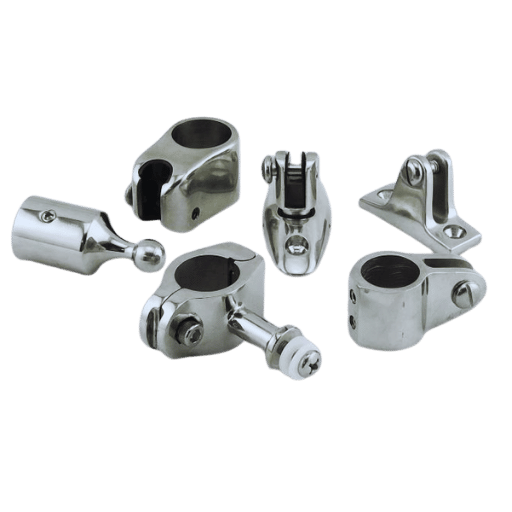
Identifying When to Replace Bimini Top Accessories
Bimini top accessories should be replaced at the slightest hint of wear, be it discolorations, mold, tearing, or waterproofing being compromised. Structural components, such as the frame or door attachments, may also have suffered damage or have been rendered less functional.
Choosing the Right Top Fittings for Your Boat
When selecting the right top fittings for my boat, I focus on materials that offer durability and corrosion resistance, such as stainless steel or marine-grade nylon. I make sure that the fittings will fit in well with my boat’s dimensions and existing framework so that no installation problems will arise. Moreover, I prefer adjustable fittings that will provide flexibility and allow secure fixing under different conditions. Above all, a quality fitting will ensure that the Bimini top will last longer and perform better during its utility.
How to Maintain Your Stainless Steel Bimini Top?
Preventing Corrosion on Stainless Steel Parts
Cleaning these stainless steel parts, it is said, prevents corrosion. Wash away using water or moisture, salt, dirt, and grime- after every use, especially when in a marine environment. Using a soft cloth or sponge and a mild, non-abrasive detergent, wash down the surface completely. Wipe dry after cleaning to prevent watermarks. Polish the polished stainless steel from time to time to further improve its corrosion resistance and to keep its look. Also, harsh chemicals and abrasive tools need to be avoided, as they can cause severe damage to the stainless steel and lessen its resistance. Frequent inspection for signs of wear or corrosion will allow for timely maintenance and ensure lasting performance.
Cleaning and Care Tips for Bimini Top Hardware
- Regularly washing: On a customary basis, wash with mild soap and warm water to remove traces of dirt, salt, or other inadvertent environmental contaminants. Harsh cleaners should be avoided, as they tend to degrade the metal surface.
- Drying Completely: Always ensure the hardware is completely dry after cleaning to diminish water spots and possible corrosion.
- Polish: Occasionally, apply a stainless steel polish or protectant to reduce the chances of corrosion while maintaining the polished finish.
- Check for Damage: Check all hardware for potential wear, loose fittings, or corrosion on a regular basis. Any damaged pieces should be immediately replaced or repaired for structural integrity and safety reasons.
- Lubricate: Using a marine-grade lubricant, lubricate all moving parts including screws or hinges to prevent them from binding and to maintain free movement.
- No Abrasive Tools: Avoid steel wool, scrubbing pads, or abrasive materials that could scratch or abrade the surface.
- Protect From Entering Harsh Environments: When not in use, keep the Bimini top and its hardware in a dry place away from prolonged moisture, salty air, or glaring sunlight.
Adhering to these guidelines will prolong the life of your Bimini top hardware while maintaining its functional efficiency and aesthetic appeal.
Frequently Asked Questions (FAQs)
Q: What is a Bimini Top, and why is it important for boats?
A: The Bimini Top is a canvas roof supported by a metal structure that provides some shade and protection for boats. It is essential in enhancing the comfort and protection from the sun and rain when at sea.
Q: What usually makes a Bimini Top?
A: Bimini Tops are often constructed out of marine-grade canvas or vinyl for the cover, and aluminum or stainless steel for the frames. Stainless steel type 304 is well regarded for its durability and resistance to corrosion.
Q: How does one install a Bimini Top using Stainless Steel Hardware?
A: Installation would involve fitting the stainless steel deck hinges, eye straps, and rail mount brackets onto the boat. The frame assembly would be completed using bimini top fittings, which include the eye end, hinged jaw slide, and quick-release pin for swift setup and removal of the bimini top.
Q: What are the advantages of using Bimini Top Stainless Steel Hardware?
A: The hardware made from stainless steel- bimini deck hinges and swivel decks for bimini tops- is outstanding in strength and corrosion resistance, guaranteeing its longevity and reliability even in marine environments.
Q: How does a Bimini Top Quick Release operate?
A: The Bimini Top Quick Release uses quick-release pins and fittings that let you easily detach and attach the bimini top as needed to quickly deploy or stow it.
Q: What does a Hinged Jaw Slide do in a Bimini Top assembly?
A: It allows the attachment of the bimini top frame to the tubing of the boat in adjustable positions, securing it with set screws for stability.
Q: How do you take care of a Boat Bimini Top?
A: Cook a meal of maintenance for a bimini top with canvas cleanings using mild soap and water, and keep in check the stainless steel hardware with its fittings, such as the end cap and external eye end, free from corrosion.
Q: What does a Bimini Deck Hinge do?
A: A bimini deck hinge secures the bimini top frame to the deck of the boat. It serves as a mounting point and from where the frame can pivot for positioning.
Q: Can you use a Bimini Top with a Boat Cover?
A: Certainly, the bimini top works with a boat cover. While the bimini top provides shade and protection when the boat is being used, the boat cover takes over when it is not in use for the protection of the entire boat.
Q: For what purpose are Eye Straps used in Bimini Top applications?
A: Eye straps are attached to the bimini top strap or poles to the boat, holding it tighter for added stability and support to the bimini top structure to stop it from moving or getting damaged.
Reference Sources
1. Maine Maritime Academy – Stellaluna Listing: This document has an account of stainless steel components used in maritime applications.
2. University of Florida Digital Collections: References included are stainless steel boat fittings and related materials.
4. Steel