


Corrosion can be rather persistent and it will have a creeping effect on your working tools, household appliances and precious items. Those who do not want this to happen and need to overcome the problem today in a cost effective and environmentally friendly manner, vinegar is usually the solution of many. But, how does it exactly work, and is it really the best way of getting rid of rust? Here, the focus shall be on vinegar as a rust remover. In the following paragraphs, it will be shown as to whitening does work, when it is most effective, and how perfect results can be attained. For those who enjoy home improvement or simply wish to revive a rusty piece of equipment, this article will help you use vinegar to remove corrosion.
Introduction to Rust and Its Commonality

Rusting occurs when iron or steel reacts with oxygen in the presence of water, a process called corrosion. This chemical reaction, called oxidation, weakens the surface over a period, making it hazy and brown. Rust is notably a problem when the environment is highly humid or there is excessive moisture, common in areas like beaches, or when items are left outdoors and unshielded. These causes and conditions of rust should therefore be understood as controlling, managing, or remedying the situation.
What is Rust and Why Does It Form?
Rust usually forms from a series of chemical reactions involving iron, oxygen, and water known as oxidation. Once iron reacts with the moisture present in the air or in contact with water, oxygen molecules chemically bind to the metallic surface to form iron oxides. Over time, this process degrades the metal’s mechanical structure, creating a brittle, reddish-brown substance commonly known as rust.
⚠️ Factors That Speed Up Rust Formation
- High humidity levels in the environment
- Exposure to salty water (coastal regions)
- Temperature fluctuations and extreme weather
- Stormy areas with constant moisture
- Items left outdoors without protective coatings
Coatings such as paint, galvanization, or other rust-resistant metal alloys, such as stainless steel, remain commonly studied protective mechanisms. An understanding of these mechanisms, as well as means to prevent further damage, may help protect metal objects.
The Impact of Rust on Metal Surfaces
Rust describes the metal weakening over time due to the oxidation of iron when it comes into contact with air and water. This process not only hampers the structural integrity of metal components but also detracts from their decorative appearance and functional capacity. Key preventative measures include applying a protective coating, such as paint, using corrosion-resistant materials like stainless steel, or galvanizing. Regular upkeep and cleaning will be paramount as well, since this minimizes exposure to moisture over a long period of time. Any form of protection would be essential if humidity or salinity were genuinely severe, having a slowdown effect or resisting any formation of rust. Effective rust prevention extends the shelf life and operational life of metal structures across a wide range of industries.
Why Rust Removal is Essential
🔧 Safety & Longevity
Directly affects the longevity and safety of all metal structures and appliances, preventing collapse and costly repairs.
💰 Value Preservation
Rust affects the worth of items like cars and machinery, significantly impacting their resale value and market price.
⏰ Cost Savings
Taking out rust lengthens longevity and maintains activity viability, saving time, money, and resources in the future.
How Vinegar Works to Remove Rust

Vinegar removes rust from metal through a chemical reaction involving its acetic acid. Rusty metal soaked in vinegar reacts with acetic acid, dissolving the rust (iron oxide) into a form that can be washed or scrubbed off. This makes vinegar a practical, affordable, and natural solution for rust removal.
The Science Behind Vinegar and Rust Removal
How does vinegar work to remove rust? This is how it is done. The property of the acetic acid in vinegar reacts with the rust, i.e. ferric oxide (rust), and dissolves it. Acetic acid belongs to the category of weak acids that are enough to dissolve the bonds that keep the rust together. Upon contact, acetic acid reacts with iron oxide, forming iron ions and water-soluble compounds that can then be mopped or wiped away. Generally, vinegar yields the best results when left to soak the rusted portion overnight or for a few hours, depending on the severity of the rust.
🔬 Scientific Process of Rust Removal
- Conventional household vinegar contains 5-8% acid content
- Acetic acid breaks down iron oxide bonds effectively
- Converts iron oxide into water-soluble iron ions
- Warmed vinegar strengthens chemical action for heavy rust
- Can be combined with baking soda for enhanced cleaning power
Why Vinegar Works Really Well Against Rust
The vinegar is very effective at fighting rust because of its acetic acid, which reacts with rust (iron oxide) and breaks it down into a soluble form that can be easily cleaned off. The vinegar’s acidity penetrates the oxidized surface and effectively attacks the rust, causing it to evaporate without harming the shiny metal beneath. Vinegar has gained immense popularity for rust removal as it is very user-friendly, cheap, and eco-friendly. Writers often recommend using vinegar in various other mixes, like vinegar and baking soda, or heating it, to improve the performance of the rust remover, which would then be an excellent example of a versatile household remedy for restoring a variety of metal items. This aligns with the growing acceptance of more environmentally safe cleaning alternatives.
Role of Acetic Acid and Citric Acid in Rust Removal
Acetic acid, found in vinegar, and citric acid, commonly present in lemon juice, both contribute to rust removal by breaking down rust (iron oxide) through a chemical reaction. These acids react with the rust, dissolving it and making it easier to scrub away. Acetic acid is particularly ideal for lighter rust buildup, while citric acid is often stronger and works well for tougher grades of rust. They might represent safer, more environmentally friendly alternatives to chemical rust removers that are commonly used due to their availability and low cost.
Step-by-Step Guide to Using Vinegar for Rust Removal

📝 Materials Needed for Rust Removal
- White vinegar for dissolving rust
- A brush or scourer (a sodden front toothbrush works well)
- A dishcloth or clean piece of fabric for drying
- A container or bucket large enough to submerge the item completely
- Water for rinsing
- Optional: Protective oil or rust-preventive spray
List of Ingredients
You would need vinegar (some white), a container with enough depth to submerge the rusty item, a scrubbing brush, gloves, and a clean, dry cloth.
Submerge the Rusty Object
Put in the rusty object in the container and pour enough vinegar to cover the rusty object completely.
Wait for Reaction Time
Rusty item now has to sit in vinegar for 12-24 hours. Acetic acid reacts with the rust, slowly dissolving it.
Scrub Off the Rust
Lift the object from vinegar and scrape it with the brush to knock away the rust particles still clinging onto it.
Rinse and Dry
Submerge the item properly in water to get rid of residues and dry it completely preventing any rust formation.
Protective Option
Once the article is dry, apply a coat of oil or rust inhibitor to preserve it.
Detailed Instructions for Small Metal Items
Preparing the Rust-Removing Solution
Fill any container or bucket with white vinegar or another rust-removal solution, enough to keep the small metal object fully submerged. White vinegar is very commonly used for many reasons beyond its effectiveness, as it is widely available and very budget-friendly.
The Submersion
Carefully lower the rusty metal object into the solution, ensuring it is submerged. The amount of time the object will need to soak will depend on the extent of the present rustations.
Scrub Rationally
The rust on the submerged object may be gently brushed away with a scrub brush, steel wool, or an old toothbrush. It should come off much more easily once the rust has weakened. Any details or hard-to-reach features should be carefully polished. Be careful, though, not to be too aggressive, as that would smudge it up.
Rinse and Dry
Once free of rust, thoroughly rinse the item in clean water to rinse off residual evil. Wipe away any remaining water from the surface to prevent new rust from forming.
Next Finishing Intent
Accounting for the repeated reinfection resulting from another rusting steel material, an oil treatment or rust protective spray might be employed against additional rusting an entity or spread on layers of oil to produce a thin yet uniform coat. The item thus gets buffed with a napless cloth, which helps achieve an even, smooth surface.
Methods for Larger Metal Objects
🔨 Wire Brush or Sandpaper
For surface rust, scrub the affected area with coarse sandpaper or wire brushes. Most effective for flat areas or objects with few details or openings.
💧 Rust-Dissolving Solution
For larger applications, use a water-based liquid rust remover or a gel that spreads easily. Apply uniformly and allow it to work per the manufacturer’s instructions.
⚡ Power Tool Usage
If rust is massive, use power tools like angle grinders with wire wheels or power sanders. Prized for rapidly eliminating stubborn rust layers.
🚿 Wash & Rinse
After rust removal, wash off chemical residues from the object using soapy water or a high-pressure wash.
🛡️ Apply Protection
When dry, apply paint, primer, or anti-rust layer. Protects the surface from further rust accumulation and keeps the piece clean.
White Vinegar vs. Other Rust Removal Methods

White vinegar and other rust removal methods include baking soda, lemon juice, commercial rust removers, electrolysis, and mechanical abrasion. Below is a summary of these methods in a tabular format:
| Method | Key Benefit | Cost | Safety | Time | Efficiency | Eco-Friendly |
|---|---|---|---|---|---|---|
| White Vinegar | Easy to use | Low | High | Moderate | High | Yes |
| Baking Soda | Non-toxic | Low | High | Moderate | Medium | Yes |
| Lemon Juice | Natural | Low | High | Slow | Medium | Yes |
| Rust Removers | Quick result | Moderate | Moderate | Fast | High | No |
| Electrolysis | Precise | Moderate | Moderate | Slow | High | Yes |
| Mechanical | No chemicals | Low | High | Moderate | High | Yes |
This table provides a quick comparison of primary rust-removal methods, helping users choose the one best suited to their needs based on factors such as cost, safety, and efficiency.
Comparing Vinegar with Baking Soda and Molasses
Vinegar, baking soda, and molasses differ in their rust removal methods, speed, cost, and safety.
| Method | Approach | Speed | Cost | Safety | Ease |
|---|---|---|---|---|---|
| Vinegar | Acidic | Fast | Low | Medium | Easy |
| Baking Soda | Abrasive | Moderate | Low | High | Easy |
| Molasses | Biochem | Slow | Low | High | Moderate |
This table simplifies comparison by providing key factors such as method of action, effectiveness, speed, cost, safety, and ease of use to support informed decision-making.
Effectiveness of White Vinegar vs. Other Types of Vinegar
White vinegar is considered the most effective for rust removal due to its high acetic acid content. Still, other types of vinegar, such as apple cider, balsamic, and rice vinegar, can work as well, though less effectively.
| Vinegar Type | Acid Level | Effectiveness | Cost | Residue | Availability |
|---|---|---|---|---|---|
| White | High | Excellent | Low | Low | High |
| Apple Cider | Moderate | Good | Medium | Medium | High |
| Balsamic | Low | Poor | High | High | Medium |
| Rice | Low | Poor | Medium | Low | Medium |
This table provides a concise comparison of different vinegar types for rust removal, detailing their acid levels, effectiveness, cost, residue left, and overall availability. White vinegar stands out as the preferred choice due to its high efficacy and affordability.
Choosing the Right Type of Vinegar
💡 Expert Recommendation
The best vinegar for removing rust is usually white vinegar. Being more acidic, white vinegar is well-suited as a rust remover, and, as a bonus, it is cheap and widely available. Try to get the best results, soak the rusty item in vinegar or apply it directly and let it act on the acid before scrubbing or rinsing. Other types of vinegar, such as apple cider or balsamic, could be alright in a pinch, but are not as good as white vinegar because they have less acidity or are more expensive. For an efficient rust remover, white vinegar is the clear winner.
Preventing Rust After Vinegar Treatment
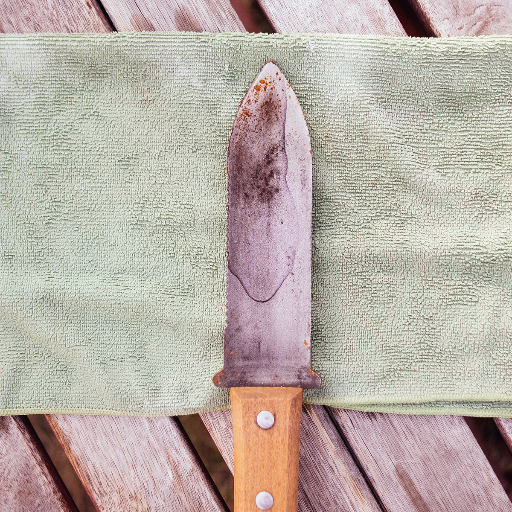
After vinegar-treating an item, it should be thoroughly rinsed with water to remove any residual acid. Drying the item thoroughly with a clean cloth or air-drying is essential. Apply a coating, such as oil, paint, or a rust inhibitor, to the item to prevent future rust formation. The item should continue to be stored in a dry environment and should avoid exposure to moisture as much as possible.
How to Maintain Metal Surfaces Post-Removal
Regular cleaning is essential for metal surfaces once the rust has been removed. Always keep the surface clean and dry, because moisture is a key cause of rust. Keep it free of dust and debris by gently rubbing it with a clean, soft cloth at regular intervals. You can use oil, such as mineral oil or machine oil, to protect the steel from air and moisture. If we’re dealing with metal used outdoors, coating it with weather-resistant sealant or a rust-preventive spray is advisable.
It is essential to periodically inspect the metal surface for early signs of rust. When rusting is confined to small areas, promptly addressing them with mild abrasives or rust removers can prevent further deterioration. When you store metal items, put them in a spot with low humidity, as dry as a desert. Keeping items free of moisture can be achieved with silica gel packets or a dehumidifier. Consistent attention ensures that metal surfaces will last for years.
✅ Maintenance Checklist
- Keep surfaces clean and dry at all times
- Wipe with soft cloth regularly to remove dust and debris
- Apply protective oil (mineral or machine oil) periodically
- Use weather-resistant sealing for outdoor metal items
- Inspect periodically for early signs of rust
- Store in low-humidity environments
- Use silica gel packets or dehumidifiers for storage areas
- Address small rust spots immediately with mild abrasives
Recommended Coatings to Prevent Future Rust
🛢️ Oil-Based Coatings
Application of oil-based coatings provides a protective layer that repels moisture and inhibits oxidation; these coatings are especially designed for tools, machinery, and automobile parts.
🎨 Epoxy Paints
Epoxy paints provide a durable, waterproof coating, making them the best choice for metal surfaces exposed to high humidity or outdoor conditions.
⚙️ Powder Coatings
This is the process of applying the powder to a metal surface while dry, followed by curing under heat to form a strong, corrosion-resistant layer.
🔩 Galvanization
The metal initially provides a protective shield against rust by applying a zinc coating, in addition to acting as a sacrificial anode for the base metal.
🌊 Polyurethane Coatings
Although polyurethane coatings provide excellent corrosion protection, they are also abrasion-resistant, making them the best option for harsh environments and marine equipment.
💨 Rust-Inhibitor Sprays
These are helpful, easy, and fast-acting solutions for protecting small metal structures or components in a heavily rust-laden environment.
The exact application and environmental conditions to which the metallic items are subjected determine the corresponding coating.
Identifying Early Signs of Rust
This occurs when humidity or splashes penetrate an aluminum surface, causing it to react with iron and leaving streaks or blotches behind. The rust usually erodes away the initial dampened area from the surface even if the spot remains wet. Along with humidity, temperature and chemical exposure usually affect the performance-standard rain, precipitation, and moisture. To finish any metal surface, the galvanization coating will be utilized.
Reference Sources
-
Effects of Salt, Vinegar, and Bleach in Accelerating Rusting of Iron
This study explores the effects of vinegar, among other substances, on rusting and its removal, providing experimental data. -
Corrosion of Bronzes by Vinegar
Published by the American Chemical Society, this research examines how vinegar interacts with metals, including its corrosive effects. -
Preparation and Evaluation of Rust Removal Solution for Anticorrosive Properties
This study investigates the preparation of rust removal solutions, including vinegar, and evaluates their effectiveness and anticorrosive properties. - Online CNC Machining Services
Frequently Asked Questions (FAQs)
❓ How can I pickle a metal with rust stains?
A rust-stricken metal is generally soaked in white vinegar or apple cider vinegar for some hours up to overnight, depending on the quantity and degree of rust present. Heavy rust can be removed using a diluted vinegar bath (further diluted in extreme cases) if the metal is weak or thin. After soaking the metal in vinegar, one can use a metal brush, a scouring pad, and/or fine steel wool to scrub the metal clean and remove the present rust. In the final stage of cleaning, rinse the metal in cold water while simultaneously neutralizing the vinegar’s acidity with baking soda. Drying the metal at low temperature, coupled with a quick seal of protectant before rusting sets in once again, is a top-performing plan.
❓ Is vinegar more effective than commercial rust removers or solvents for removing rust?
Vinegar can be considered a cost-effective rust remover that works by an acidic solution (acetic acid) to aggressively etch off oxidation and is suitable for rusted metal tools. Commercial rust removers like Evapo-Rust, phosphoric acid products, or naval jelly are more narrowly focused on rust removal and often work more quickly or more gently on specific metals. Alternatively, a solvent-based rust remover may be simpler to use on smaller areas; the choice depends on metal type, thickness, and cleanup needs.
❓ How can we eliminate the rust without using too many chemicals—is there a way to remove rust without harsh methods?
There is a way to remove rust without chemicals; depending on the size of the piece, one may prefer mechanical methods or household mild acids. The tools include a rust soak with vinegar or lemon juice and a cup of salt; scrubbing with a scouring pad or brass brush; a paste of baking soda; or using chelation products safe for tools. Elbow grease, a scouring pad, and either a vinegar soak or a washing soda solution tend to remove rust from hand and garden tools without resorting to strong acids like hydrochloric acid.
❓ Is vinegar helpful in eliminating rust stains from cloth or concrete?
Vinegar can help minimize light rust stains on cloth or concrete; however, the results may not always be satisfactory. For fabrics, test the solution in any small area first, pretreat with a vinegar-salt paste or diluted vinegar solution, wash and follow up as necessary with rinse and neutralizing with water and baking soda. For concrete, apply vinegar or citric acid, scrub with a stiff brush, rinse thoroughly, then repeat. Very hard-to-remove stains may respond well to phosphate cleaners or commercial rust-stain removers.
❓ How do I remove the rust on metal tools and ensure rust doesn’t return?
I would advise soaking the items in vinegar or using a rust remover containing phosphoric acid. After that, rub off the items with a scouring pad or a brass brush. Wash the items with water. Neutralize the acid using baking soda. Dry them thoroughly, then apply a light coat of oil or a rust inhibitor. For tools that will be stored away, make sure they are moisture-free, use desiccants, and consider adding a light protective barrier. Maintenance is essential for reducing rust build-up on hand and garden tools.
❓ How do I clean and neutralize after removing rust with vinegar or other acids?
After rinsing off the vinegar or acid treatment with lots of fresh water, neutralize any residual acid by moistening the part with an unwholesome solution made with baking soda (sodium bicarbonate) or washing soda. Dry the parts thoroughly, and apply oil or corrosion inhibitors. Rinse water needs to be disposed of according to local regulations if large amounts of metals were in the former; as part of a general clean-up, clean brushes and/or scouring pads, and the working area.
🔧 Key Takeaways
Vinegar is a practical, affordable, and eco-friendly solution for rust removal, working through acetic acid’s chemical action to dissolve iron oxide. Whether you’re dealing with small tools or larger metal objects, correctly applying vinegar, followed by thorough rinsing, drying, and protective coatings, can restore your metal items and prevent future rust. Regular maintenance and appropriate storage conditions are essential for long-term rust prevention.


