


What is the Voumard CNC 300?
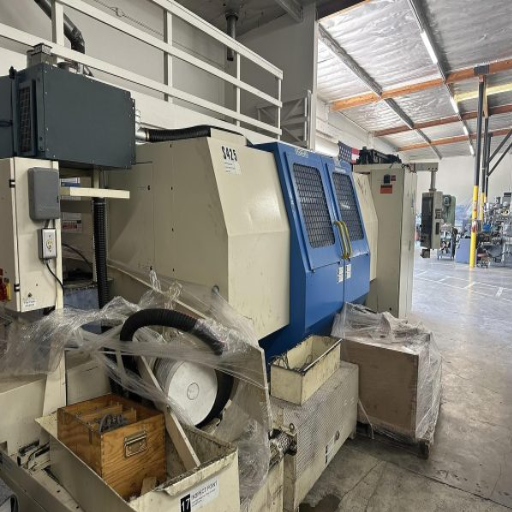
The Voumard CNC 300 is an internal grinding machine that stands out for its high-speed grinding performances devoted to efficient machining of intricate workpieces and which ensures the best level of precision. It is fully capable of handling grinding operations for very thin-walled components or significant diameter components, has the highest level of rigidity, and operates with very high precision. This is key to its usefulness in the aerospace, automotive, chemical, power generation and tool manufacturing industries, which require cautious precision in a destructive environment.
Description of the Machine
The machine has been designed using brand new multi-axis capabilities and a CNC control system, which encompasses practically all aspects of manufacturing. The system effectively addresses the issue of large management tariffs, running into dozens of thousands of programming data, thousands of tool magazines and tens of jigs, snatching away a lot of burden. At all times, both our customers expect that complicated components will be manufactured from various types of materials by using either the machine’s specific tool or a pincel made of stone.
Purpose and Functionality
The Voumard CNC 300 is engineered to provide high accuracy in grinding the outer surfaces of the workpiece. The introduction of advanced engineered CNC technology allows for outstanding precision in manufacturing. The levels of precision of this cnc are significant for businesses dealing with automotive, aeronautics, and medical device making. In addition to positioning and contouring at the surface, Voumard machine tools featuring rapid oscillating motion can also process compound contours and materials such as tempered high-strength cro steel. With regard to the integration of the Voumard CNC 300 and its user-friendly control system with a focus on minimizing time and thereby reducing the challenges entailed during work, a minimum of effort is needed to secure higher productivity levels.
Key Features
High Precision Grinding
Its precision allows it to work on sizes that are so tight, +/-0.001mm, to a high level of accuracy, so that machines function correctly even in complex environments, such as carrying out highly complex machining operations.
Universal Material Compatibility
Mainly used for various materials, including heat-treated metals, ceramics, and composite alloys, which will find their respective processing very easy.
Modern Information Regulation
There are elements of control that can be set with modifications, as well as used for further time, nice bonus for a technological productive development.
Inherent Capacity
There are no compromises in quality and reliability standards, and the highest grade durable materials are used to ensure proper operation for a long time, offering performance as in conceiving break usage.
Fine-Tuned Approach
Possibility of several interior setups and modification possibilities for the tool and it can be utilized in manufacturing processes regardless of the particular application.
Key Specifications
Grinding Capabilities
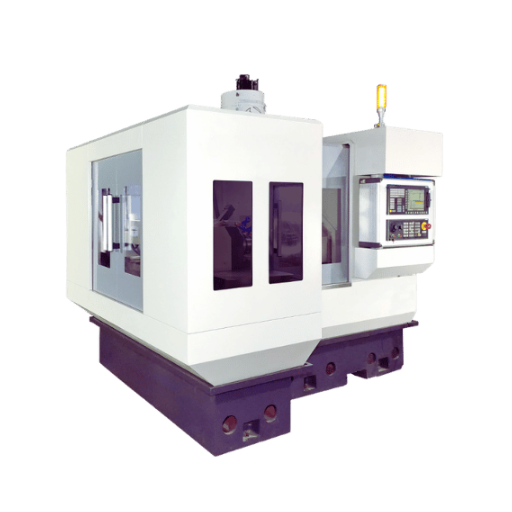
The grinding system is renowned for its programmability, which enables it to easily target and remove unwanted substances wherever they are located. The grinder is also able to take on work on a wider range of materials including such metals as steel and aluminium, as well as other materials such as composite resins with remarkable precision. Most notably, the controller of the grinder, which is a programmable logic controller (PLC), can have the specific wiring diagram and grinding pattern for the project. Thanks to the very speedy—ap to 120 cycles per minute—grinding, time and accuracy are no longer sacrificed with this machine for the end users. Therefore, it can be said that this machine finds its best applications in production work that is pegged in for grinding only.
Control System Overview
There is a sophisticated control system in place for this grinding machine. It is designed to operate smoothly and with high precision. Its central part, the programmable logic controller (PLC), enables the operator to adjust and/or automate the grinding cycles for different materials and operations. Additionally, the machine features a user-friendly graphical interface that is usable for setting up the machine, configuration adjustments, troubleshooting, and displaying real-time working conditions. To this end, elements such as high-speed sensors and feedback loops have been fully utilized to enable precise control during operations, thereby attaining accuracy and minimizing errors. Accordingly, the highly developed control system depicted above ensures advanced performance and operation in contemporary industrial environmental temperatures.
Size and Power Characteristics
The system is designed with maintenance of a limited area and maximum performance in mind, hence the great interest in the system by several industries. This device is typically 48 inches wide, 60 inches long, and 72 inches high, which allows for its installation in confined premises. The power demands include the use of a standard 480V 3-phase power supply with an associated supply demand burden of 15-20 kW on average, but this is dependent on the current load at any given instance. With innovative functions that minimize energy consumption, power usage has been improved, leading to enhanced profit and other benefits in the contemporary industrial landscape.
Applications of the Voumard CNC 300

Voumard’s CNC 300, which enjoys internal and external grinding boasting supremacy in aerospace, automotive, medical, and tooling die industries. Its capabilities extend to small to medium-sized workpieces with intricate geometries, making it ideal for producing bearings, gear sets, and precision mechanical assemblies. The machine’s sophisticated control and accuracy features enable the production of quality components for complex application industries regularly.
Industries Utilizing the Grinder
The precision grinder is well-suited for most industries due to its operational flexibility.
The aerospace industry is renowned for producing items such as turbine blades and engine components that are highly precise and meet stringent finish requirements.
The machine tool is significant in the production of some auto parts, such as crankshaft, camshaft, engine gears and other factors that determine the engine yield.
This application lends itself to produce parts with high complexity, such as surgical tools and prosthetic joints, meeting precision and health safety requirements.
Tool grinding is used in the production of cutting tools, dies and stamps with the required accuracy, shape and cutting edges during high-performance manufacturing.
High-speed grinding is applicable for rough and finish grinding for wind generator blades, nozzles, combustion chambers, and other components of steam turbines.
Solves a lower to medium weight variety of parts in various applications, satisfying the demand so that the machinery or other forefront part may be designed as per the client’s requirements.
All of these areas utilize the grinding machine to enhance product quality, labor productivity, and reliability in pursuit of their set tasks.
Common Use Cases
One such sophisticated piece of technology is the Voumard CNC 300, well-known in precision grinding applications, for the high precision of ID/OD components, large diameter components, and shafts of unusually long lengths typically found in the automotive, aerospace and suitable manufacturers.
| Use Case | Industry | Component | Feature | Benefit |
|---|---|---|---|---|
| ID/OD Grinding | Automotive | Shafts | High Precision | Consistent Fit |
| Large Parts | Aerospace | Bearings | Large Capacity | Durability |
| Long Shafts | Industrial | Cylinders | Steady Rest | Stability |
| Tool Production | Tool Making | Custom Tools | Versatility | Customization |
| Prototyping | R&D | Test Parts | Universal Use | Innovation |
Maintenance and Upgrades
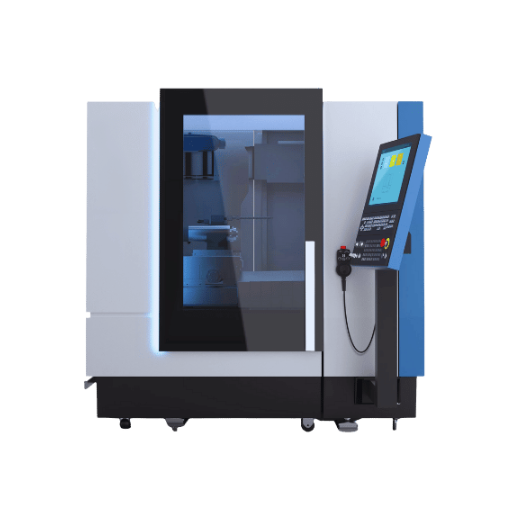
Performing maintenance and making frequent alterations promptly looks imperative in precision engineering equipment to preserve its effective service as long as possible. Regular maintenance is assumed to encompass all necessary actions, including scheduled inspections of facilities, proper cleaning, and lubrication, to prevent mechanical damage due to abrasion and friction. On the contrary, the modernisation that facilitates operational modifications in the form of increased automation and better precision could serve to help do the job more accurately and at a faster pace. Additionally, by following the manufacturer’s OEM guidelines and conducting regular inspections, the object’s lifetime can be significantly increased, thereby preventing it from ever failing.
Routine Maintenance Tips
- Regular Cleaning: When machinery and equipment are left alone for some time, this accumulation of dust and dirt generally results onto these systems, regular cleaning of mechanisms, surfaces, filters and air ducts and fully enhanced performance and prevention of overheating.
- Greases and Oils Where Necessary: Greasing of axes, transmissions, and other moving parts effectively eliminates most friction, and the equipment will last longer in use.
- Check-up on Mechanical Assemblies: Belts, sprockets, gearwheels, chains, and similar components should be examined periodically for wear and tear, as well as any other potential issues. Replacing the outdated components in time saves the equipment from a functional breakdown.
- Grading Tools and Sensors: Double-check, amend, and standardize the grade of measurement and precision measurement tools and sensors to minimize the likelihood of free play during production and operational processes in which they are involved.
- Software Updates: Materials relating to standard machinery, ensure that the new updates of this equipment and computer programs serve their purpose, enhance their performance, and are also used to the best standards available.
Available Upgrades for Older Models
To keep old equipment not only operational, but also useful and efficient in this rapidly changing environment, there are several modifications which include the following prime examples of innovation:
- Advanced control systems: Replacing the basic system requirements and old models with new cutting-edge computer-based automated control centers that appeal to the fast processes without any inclination to raise human involvement caused by the older version.
- Utilization of energy-efficient units: In compliance with federal requirements, all existing air-type and water-cooled chillers and cooling towers have been retrofitted with energy-efficient motors and power systems, resulting in reduced energy consumption and lower costs of ownership, as well as lower greenhouse gas emissions.
- Smart sensors: Technological Advancements in Detecting Effluent, Cooling Water, or Safety monitoring, such as water quality sensors that provide a quick and accurate detection of specific ranges of water contaminants and/or temperature changes. Such development has good potential for real-time.
- Upgraded interactive devices: Use of touch-screen control panels for easy monitoring and control, and improved HMIs that are designed and developed in standardized industrial user-friendly languages like HTML5 and SVG.
- Retrofitting with IoT elements: Global development of technologies on the one part and fast-paced globalization on the other affects each sphere of activity. Such development makes it very impossible to operate even those old machines that were previously essentially mechanized.
Enhancements like these are implemented in older products to bridge the gap with current models, aiming to extend their lifespan and improve overall performance.
Retrofitting Options
When searching for ways to improve existing equipment, it is advisable to review all suitable technology solutions, taking into account both the current performance of the equipment under analysis and the desired performance after upgrade. In terms of improvements to mechanical aspects, there are some areas where replacements can be made to enhance durability. Another option would be to use advanced control technology to increase accuracy, or to balance accuracy with energy conservation by employing energy-saving techniques. It also helps when dealing with such equipment, including making components and sub-systems energy-efficient. Furthermore, emerging sensors, when implemented, address the issue of breakdowns in advance by providing continuous monitoring of the equipment and reducing idle time. All these factors, when used in combination and or applied selectively to the machine, ultimately lead to an efficient mechanical system for current mechanical tolerances and constructions in use today.
Reference Sources
1. CNC Machine Performance Analysis
- Study on vibration characteristics of CNC machine tools (Yang & Liang, 2024)
- Investigated machine tool performance using modal and harmonic response analysis
- Identified key frequency spectra and vibration parameters
2. Machining Parameter Optimization
- Research on CNC milling parameters for various materials (Homkhiew et al., 2024, pp. 161–187; Yusron et al., 2023)
- Examined effects of:
- Cutting speed
- Feed rate
- Depth of cut
- Used methodologies like Taguchi design and ANOVA
3. Surface Quality and Tool Wear
- Studies on surface roughness and tool wear in CNC machining (Özdemir, 2019; Waluyo, 2020, pp. 26–32)
- Analyzed how machining parameters impact:
- Surface integrity
- Tool longevity
- Cutting performance


