Cast-iron skillets have acquired a reputation of being durable, versatile, and somewhat artistic in their natural non-stick application. But the fact remains they must be well kept to consider themselves performance-wise. This guide will truly furnish you with all the ways you require on how to maintain your skillet for many years to come.
Why Does Cast Iron Rust?

But primarily composed of iron, cast iron will rust if iron by itself reacts with the oxygen and moisture present in the atmosphere. That is the oxidation reaction, which produces rust, or iron oxide, on the surface. The presence of water, very high humidity, or acid conditions may all facilitate the onset of the reaction. Without a protective seasoning barrier, this pan becomes more prone to rust buildup.
Explanation of Rust Formation
In the case of cast iron skillets, rust forms when water and air come in contact with the metal, triggering the oxidation process. The best preventative measure is seasoning the cast iron, which consists of applying a thin layer of oil on the skillet and heating it just enough for the oil to polymerize into a hardened, non-stick protective coating over the surface.
Common Triggers of Rust
⚠️ Environmental Factors
- High humidity exposure
- Contact with rain or water
- Salty atmospheric conditions
🧪 Chemical Exposure
- Acidic substances
- Strong cleaning chemicals
- Prolonged water soaking
How to Prevent Rust on Your Cast Iron
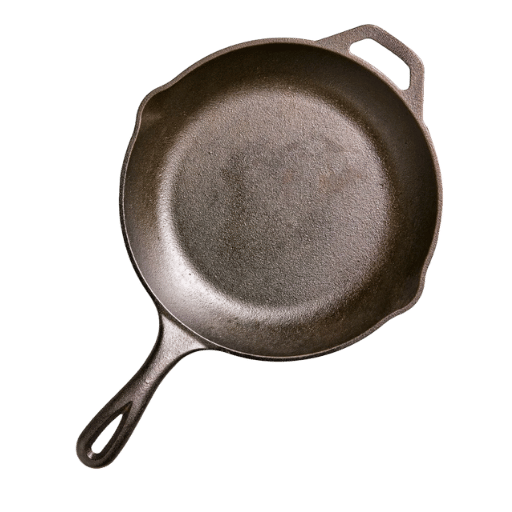
🛡️ The Importance of Seasoning
Seasoning prevents rusting by forming a natural protective barrier on the cookware. It also prevents food from sticking. Seasonal care consists of coating it with a thin layer of oil and heating it so that the oil chemically bonds to the cast iron surface, ensuring a durable and beneficial cast iron surface forever.
🧽 Cleaning Properly
Standard cleaning of cast iron requires keeping away from harsh detergents and anything abrasive that can attack the seasoning layer. Use warm water along with a brush or scraper that is gentle enough to remove food particles immediately after cooking.
💡 Pro Tip: Salt Scrubbing Method
- Sprinkle about 1 tablespoon of coarse salt into the pan
- Scrub with a damp cloth or sponge
- Rinse under warm water
- Dry the pan immediately to prevent moisture buildup
📦 Storage Tips for Your Cast Iron Skillets
🌵 Keep It Dry
Dry your cast-iron skillet immediately before storage to avoid rust formation. Wipe down with a dry cloth or paper towel after cleaning.
🛢️ Oil It Light
Rub with a thin layer of oil before storing to maintain the seasoning and keep away moisture.
🛡️ Keep a Barrier
Put towels in between the stacked pans to avoid scratches and damage to the seasoning.
🏠 Avoid Humidity
Store in cool, dry places as moisture leads to rust over time.
🪝 Hang It
This would also aid in keeping it ventilated and prevent abrasions from stacking.
🔍 Checks From Time to Time
Keep a lookout for rust or deterioration, especially for those that’ll seldom be used.
Maintaining Your Cast Iron for Longevity

📅 Daily Care Practices
Dealing with Rust: Restoration Techniques

🔧 Step-by-Step Rust Removal Process
Step 1: Remove Excess Rust
Clean the surface using either metal wool of medium size or any kind of brushing with a tough-bristle brush. In case of severe rusting, bring a ½ solution of white vinegar and water to immerse the crates for between 1-8) hours
Step 2: Flush Out All Dirt
Rinse under warm water with liquid soap to take out the vinegar trace and rust.
Step 3: Remove all Moisture
Pat dry with a towel. This item can also be placed in an oven at 200°F (93°C) for 10 to 15 minutes until it is completely dry.
Step 4: Reapply a Seasoning
Distribute a thin layer of oil with a high smoke point evenly on the surface. In an upside-down position, reheat at 450°F (232°C) for 1 hour. Do this procedure 2 to 3 times: it is more effective.
Advanced Protection Methods
🔥 High-Temperature Seasoning
Use flaxseed or canola oil with high smoke points for superior protection.
🛡️ Protective Storage
Use breathable covers or storage bags that wick away moisture and dust.
💎 Desiccant Protection
Place silica gel packets near stored cast iron to reduce humidity levels.
⚡ Electrolysis Method
For severe rust, professional electrolysis safely removes rust without damaging base material.
Debunking Common Myths About Cast Iron Rust
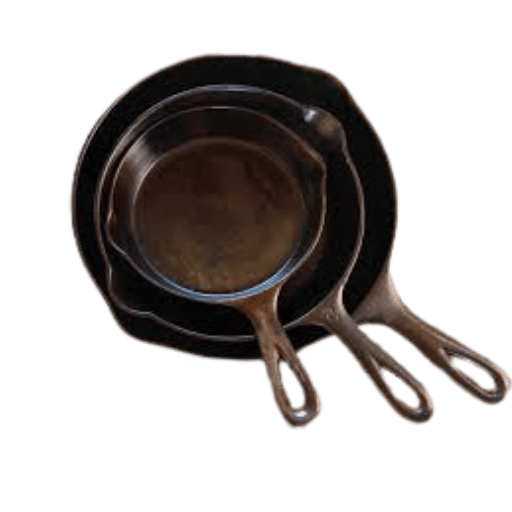
❌ Myth 1: Rust Means Pan is Ruined
Reality: Cast iron is extremely durable. Surface rust is easily remedied with proper care and re-seasoning.
Solution: Scrub rust away and re-season to restore functionality.
❌ Myth 2: Soap is Forbidden
Reality: Modern soaps don’t contain lye and won’t damage well-seasoned cast iron.
Tip: Use mild soap when needed, then dry thoroughly and re-oil.
❌ Myth 3: Cast Iron is Maintenance-Free
Reality: Regular care is essential for optimal performance and longevity.
Requirement: Consistent cleaning, drying, and seasoning maintenance.
Frequently Asked Questions (FAQs)
Q: To what extent does cast iron rust, and why?
Yes, and it is important to note that cast iron will definitely rust unless treated well. This is maintained by proper drying and seasoning so that no moisture or air can attack the surface to cause rusting.
Q: Is it possible to clean a cast iron of rust? And if yes, how?
Simply apply a little elbow grease with a steel wool or wire brush to remove any existing corrosion. If the rust persists or returns, soak the cast-iron pan in a dilute solution of vinegar and water for several hours.
Q: Can I reestablish a worn-out piece of cast-iron utensil?
Of course. With scraping or steel wool for the rust and reapplying the season with oil, treatment is commenced to tackle the rust.
Q: How successful is your seasoning recipe, the one you have developed?
Apply very diluted vegetable or cooking oil over the outside of the structure. Bake it at 375 °F for 60 min with its face looking down. Many oils can be baked because of the heat, which eventually saves them.
Q: Is it rational for one to use a rusty cast iron?
Before helping us out, living you should first remove rust. Rusty pans can cause food to taste bitter and, on some extreme level, cause a health concern. Mile of cleaning process in between and work with you, it’s okay.
Q: Is it advisable to use soap to wash cast iron?
Certainly, cleansers are most needed, especially in some instances where the pans get too dirty. The main thing is not to soak it for a long time and to dry it properly afterwards.
📚 Reference Sources
- 🎓 Virginia Tech: Virginia Tech’s comprehensive article on cast iron myths and care practices. Read more here.
- 🌱 University of Arkansas Division of Agriculture: Detailed resource on seasoning and maintenance techniques. Read more here.
- 🏛️ USDA (United States Department of Agriculture): Scientific explanation of rust formation characteristics and prevention. Read more here.