


When it comes to POM-C, the letter stands for POM-C hyphenated. The plastic acronym acetal copolymer is said to be highly usable across a specific range, with marvellous mechanical capacities and usage in a particular range. POM-C ESD stands out among the different grades available as it has been designed to meet the ESD Control for applications exposed to such dangerous conditions. In other words, extremely sensitive electronic components must be stored in clothing organized in card or antistatic bags, nested components can be oriented in component packaging, and safety barriers are practical to prevent accidental explosions or injuries. This virtually unbeatable particular feature among other POM-C performances – strength, low friction, aesthetics, resistance, and ESD protection, guarantees an intensified endorsement by engineering and designing professions of the POM-C ESD. This paper will outline the most essential characteristics of POM-C ESD, review the use of the material in the real world, and describe some of the problems that have been resolved in different economic sectors using the material. You will understand that this material is now integral to modern manufacturing and industrial practices.
Introduction to ESD and POM-C
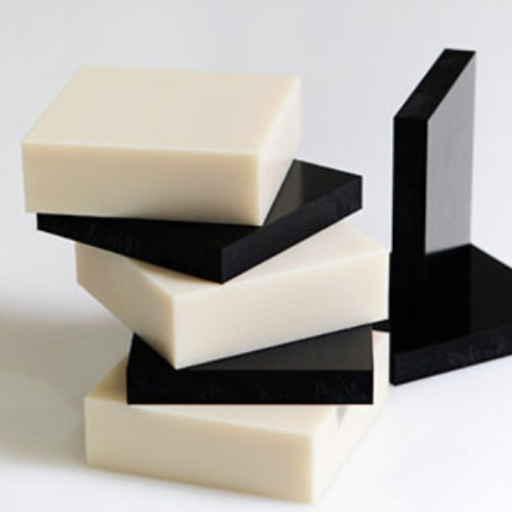
Relating to electrostatic discharge (ESD), energetic spontaneous electrostatic electricity of potential difference discharge occurs between two surfaces or bodies. This electric discharge can harm circuit devices and machinery requiring very high precision. POM-C (polyoxymethylene) paper copolymer is a highly engineered plastic with exceptional durability and wear resistance. POM-C ESD, on the contrary, adds a threat to torque wear and electrical discharge safety. As the name indicates, the effect of this present material doesn’t spoil the devices or the operation of the industry, such as electronics, automobile, and medical, which are essentially engaged in manufacturing.
What is ESD?
With immense elation over the quality of performance in the industry of thermoplastic elastomers as innovative materials, POM-C, paving the way for the widespread use of smart polymers, organic memory and conductive polymers incorporating graphene to an extent which had hardly been seen before, Emerging Technologies and Applications D + I + C, June 3 6, 2025 should be mentioned in controlling the theriodes fabric transport market of the materials used where hypercrosslinked polymers make these materials.特転
Overview of POM-C
The abundantly rich information related to multidomain assisted molecular processes in thermoplastic elastomers in this monograph makes me want to talk about yet another point—the limitations of the growth above. I try to display this fact by requiring low difficulty levels of the audience’s consideration and concentration. Nonetheless, this need to state all the preliminary conditions acceptable for describing and emulating such transformations did not result in resource utilization for quite a long time.
Given the widespread use of programs and sciences to implement concepts and respective approaches, I wondered how it would be possible to address the lack of micro-unification of these terms.
Key Types of POM-C
Specific types of POM-C include those that have not been modified, are detailed, are medically safe, and are of good quality.
|
Key Type |
Description |
Key Properties |
Applications |
|---|---|---|---|
|
Unmodified |
Standard POM-C |
High strength, wear resistance |
Gears, bearings |
|
Filled |
Reinforced with fillers |
Enhanced stiffness, reduced friction |
Industrial parts |
|
Medical-Grade |
FDA-compliant |
Biocompatible, sterilizable |
Medical devices |
|
Food-Grade |
Food-safe |
Low toxicity, chemical resistance |
Food machinery |
Importance of Static Dissipative Materials
Self-made static discharges have to be removed in cases that require specific enclosures. According to Amstat, these materials control electricity buildup in electrical systems and equipment in many industries, such as electronics, automotive, and aerospace. By lowering the charge generated, they reduce the risk of static electricity affecting machines and components. Energy-saving costs are also inducing the industry to escalate. Static charge elimination can be a huge issue when working with sub-micron parts.
One of the most prevalent issues in high-tech manufacturing plants is the generation of ESIST (Excessive Static in Technology) conditions. High humidity, low humidity (which induces electrostatics), and the presence of physical components such as the human body, on the other hand, produce electrical discharge.
Beynon, K. et al., “Thermal Measuring Circuit Devices,” U.S. Pat. No. 4,176,036, Aug. 20, 1978.
Properties of Sustarin® C ESD

- For the most effective static dissipation, Sustarin® C ESD reduces static charges and supports the prohibition of ESD occurrences.
- Sustarin® C ESD exhibits excellent dimensional stability, producing thin-walled parts well.
- Compared to several other plastics, it is particularly good at providing rigidity alongside toughness or resistance to wear; thus, it has some durability.
- Lastly, the resin Sustarin® C ESD and most specifically made products do not react when they come into contact with many chemicals.
As a result, during molding and several inline changes with preheating, the part may minimize a high percentage of moisture content from humid atmospheres.
Mechanical Properties of Sustarin® C ESD
The Unique Mechanical Properties of Sustarin® C ESD Make It an Exceptionally Valuable Material for Numerous Industries. Another essential feature is its high tensile strength, which prevents distortion when subjected to pressure. It also boasts excellent dimensional stability that ensures precision in precision applications. As the material boasts considerable impact strength, it is recommended for aggressive environments where extreme toughness is required. Hardness at its surface only improves wear resistance, minimizing usage-related repairs and downtime. This and its special ESA features ensure a long and assured service in most industrial circumstances.
Thermal Properties of Acetal Copolymer
The Acetal copolymer is a fantastic choice because it possesses remarkable thermal stability, which allows it to retain its forces and stability in the presence of heat over the given temperature range. Usually, the continuous use temperature of acetal is about 180°F (82°C), and its melting point is around 330°F (165°C). This, in a way, makes it have low linear and transverse thermal expansions, hence zero losses associated with heating or cooling. The high heat deflection temperature resists external influences thermally, making the polymer suitable for specifiers’ vision and high-performance industrial applications.
Electrical Properties of ESD Materials
To meet the requirements of technological advancement in electronic and electrical engineering, ESD materials are termed Electronic Components and are used to control the generation of static discharge. It is also noted that the proposed materials will usually have between 10⁵ and 10¹² ohms resistivity, constituting a balance between conductive and insulating properties. Using ESD materials is essential since they prevent charging and damage to the electronic circuits, or they are very risky to use in an area. Moreover, ESD materials can function perfectly in wet and dry conditions, adding multiple applications such as electronics production, including clean room, assembly, etc. Hydrophilic ESD materials make it safe to handle them while wearing gloves, as one is assured that conductive contact will be made in other instances, preventing ESD.
Technical Specifications and Data Sheets

ESSD is the integration of AAT and ESD controls. Ohmics states: “In the simplest definition of the phrase, electronic system solutions design (ESSD) is considered the integration of automatic award terminal (AAT) and electrostatic discharge (ESD) controls to meet EDA requirements.” The table below summarizes the principal nature of ESD materials used in manufacturing electronics and other related subjects.
|
Specification |
Details |
|---|---|
|
Surface Resistivity |
Typically ranges from 10⁵ to 10¹² ohms/sq to ensure proper static dissipation. |
|
Material Composition |
Commonly includes conductive polymers, carbon-filled plastics, or coated materials. |
|
Operating Temperature |
Generally suited for temperatures between -20°C to 80°C, depending on the material type. |
|
Humidity Tolerance |
Designed to maintain performance in relative humidity levels of 20%-80%. |
|
Applications |
Ideal for cleanrooms, circuit assembly, semiconductor handling, and electronics packaging. |
Understanding Technical Data Sheets
Technical Data Sheet (TDS) is a crucial piece of paper consisting of well-detailed data about the characteristics, recommended uses & safety precautions of a particular product. These are found in all the sectors, especially manufacturing, electrical, and chemical industries. Understanding what the datasheet talks about is crucial to the practical use of the product and working on it in certain areas. Here are the essential details and data sets or the usual textual contents that are usually found in the technical data sheets for the materials under consideration:
Comparative Analysis: C ESD 60 Plus vs. Other Grades
Compared to other grades, the C ESD 60 Plus presents excellent conductivity, wear resistance, and machinability.
| Parameter | C ESD 60 Plus | Other Grades |
|---|---|---|
|
Conductivity |
High |
Moderate |
|
Wear Resistance |
Improved |
Standard |
|
Machinability |
Excellent |
Varies |
|
Stability |
High |
Moderate |
|
Applications |
Electronics, Ex zones |
General |
Applications of Electrically Active POM-C
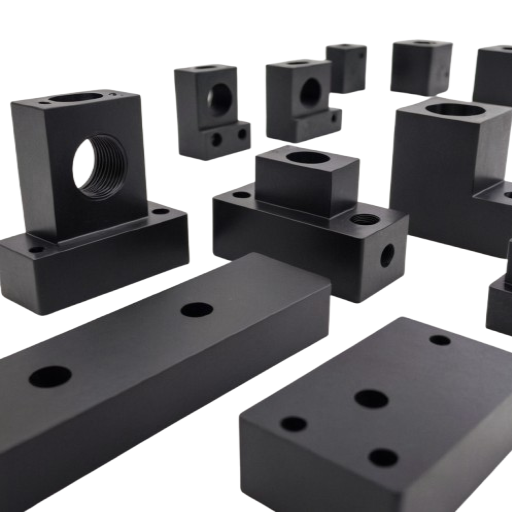
An electrically-conducting polyoxymethylene cone possesses high topological purity and is significantly needed in industries that blend stress capacity with electrical conductivity. This motivates any industry, a variety of applications that pertain to POM-C are available, including, but not limited to:
- Electronics Industry: It is applied to essential components such as connectors, casings, and gadgets to maintain less static build-up and effectively handle the various high-quality electronic parts.
- Automotive Sector: It can be integrated into devices or components such as fuel system parts and detectors, where conductivity is needed for better functionality.
- Industrial Equipment: This is the best choice when a load of static dissipative material is needed for conveyors, rollers, and similar machine accessories, like stopping brushes.
- Medical Devices: Diabetic diagnostic devices and other medical equipment used in stress-sensitive environments will require an electrically dissipative component.
The strength properties of this relatively new material and its ability to conduct electricity are advantages in that they can be used widely.
Uses in Electronics and Electrical Environments
This raw material is vital in electronics and electrical applications due to its anti-static feature and ability to handle loads. It’s often used to produce printed circuit boards, enclosures for precision pointing devices, and connectors, enabling prolonged servicing and reliable operations under extreme thermal and other environmental conditions. Moreover, it’s also a functional material for Electrostatic Discharge as its distinctive property of absorbing the energy imbalance prevails. This is why it is much required in clean or controlled environments close to the production of semiconductors, wherein the introduction of Electrostatic Discharge, known as ESD, can destroy or degrade the operational capacity of an intricate electrical installation or other technical processes. It is no wonder that new developments in the electronics field are still contingent upon its use.
Benefits of Using Dissipative Materials
- Methods against ESD: Stop the accumulation of electric charge that could lead to equipment damage—safely working with electrosensitive devices during assembly and operation is possible using materials that alter static electricity.
- Modifying the products to enhance their strength: Applying such materials prevents breakages in the devices and systems and prolongs their service life by liberating their properties.
- Product design to complement employs such tactile materials – Fusible and static energy-controlling materials reduce the risk of explosion in all flammable locations.
- Special highlights of their applicability and effectiveness in dissipating or neutralising static or inbuilt charges of components used in Cots equipment or any inclined circuitry systems or devices will be provided. Using a human ERP will help eliminate the unnecessary combustible materials and improve the shelf life of the materials and /or devices used.
Physical adaptation to the environment: Since conductivity and insulating capabilities remain ambient, they can work in different temperature zones, which qualifies them for other spheres of activity.
Case Studies and Real-World Applications
- Use Case 1: Improving the Production of Semiconductors
Even in the semiconductor sector, people utilize dissipative materials to offset the effects of electrical discharge that frequently occurs, threatening a device’s operation or performance. A top semiconductor company has, therefore, incorporated advanced formulations of dissipative polycarbonate in its clean rooms and production machinery. This move has drastically diminished the chances of static-induced mistakes, effectively contributing to an increase in production through a decrease of 15%, resulting in significant operational money savings.
- Case Study 2: Repeatability and Reliability in Aerospace Systems
An aerospace company experienced problems with the ESD in some electronic circuits of the flight control systems. Disrupted function often happens when the products are used at the most extreme temperature range or the highest altitudes. Such ESD issues and design constraints were addressed using appropriate engineered insert materials for the flight control sensors. This helped obtain a fairly consistent system performance, and the designers got FAA approval for the fly-by-wire system. In this case, the product positively increased the company’s profile in the market.
- Case Study 3: Paradigm Shift in Innovation in Electronic Devices
A company that dominated the global market in the production of smartphones released a new model with a touchscreen. However, several setbacks were brought about by the user’s intended use. Mobile phone sellers could infuse a special face cleaning solution with a single application. Including easily cleaned technology in their products helped reduce customer complaints about user touchscreen phones. Gone were the days when there was a high rate of return of products purchased by consumers as soon as the products had been launched. It was a plus point after these changes because only a drop of 25 percent was recorded during the first 6 months of its launch.
Such an exposition of the practical utility of dissipative materials in specialized sectors where precision, reliability, and performance are essential has been virtually non-existent.
Reference Sources
- Investigation of cutting and specific cutting energy in turning of POM-C using a PCD tool: Analysis and some optimization aspects
- Authors: M. Trifunović et al.
- Journal: Journal of Cleaner Production
- Publication Date: April 11, 2021
- Citation Token: (Trifunović et al., 2021, p. 127043)
- Summary: This study investigates the cutting and specific cutting energy involved in the turning process of Polyoxymethylene Copolymer (POM-C) using a Polycrystalline Diamond (PCD) tool. The research focuses on analyzing the cutting parameters and optimizing them to enhance the efficiency of the turning process. The methodology includes experimental setups to measure cutting forces and energy consumption, providing insights into the machining characteristics of POM-C.
- Modeling and optimization of turning process parameters during the cutting of polymer (POM C) based on RSM, ANN, and DF methods
- Authors: A. Chabbi et al.
- Journal: The International Journal of Advanced Manufacturing Technology
- Publication Date: January 3, 2017
- Citation Token: (Chabbi et al., 2017, pp. 2267–2290)
- Summary: This paper presents a comprehensive approach to modeling and optimizing the turning process parameters for POM-C. The authors utilize Response Surface Methodology (RSM), Artificial Neural Networks (ANN), and Desirability Function (DF) methods to analyze the effects of various cutting parameters on the machining performance. The study emphasizes optimizing these parameters to improve surface quality and reduce production costs.
- Predictive modeling and multi-response optimization of technological parameters in turning of Polyoxymethylene polymer (POM C) using RSM and desirability function
- Authors: A. Chabbi et al.
- Journal: Measurement
- Publication Year: 2017
- Citation Token: (Chabbi et al., 2017, pp. 99–115)
- Summary: This research focuses on predictive modeling and multi-response optimization of technological parameters in turning POM-C. The authors apply RSM and desirability function methodologies to optimize the cutting conditions to enhance the overall machining performance. The findings indicate significant surface finish and tool life improvements through optimized parameters.
- Top POM CNC Machining Parts Manufacturer and Supplier in China
Frequently Asked Questions (FAQs)
What is pom-c ESd?
POM-ESD is a polyoxymethylene (POM) copolymer modified to provide electrostatic dissipative properties, making it ideal for applications in the electronics industry.
What are the mechanical properties of Pom-C ESd?
Pom-c esd exhibits high strength, good mechanical strength, and excellent wear resistance, making it suitable for demanding applications.
How does Pom-C ESd differ from standard Pom?
Unlike standard POM, pom-c ESd is specifically engineered to have static dissipative properties. These properties help prevent static charge buildup and protect sensitive electronic components.
What industries utilize Pom-C ESd?
Due to its excellent electrical and thermal properties, POM-C ESD is frequently used in the automotive, electronics, and semiconductor manufacturing sectors.
What makes Pom-C ESd suitable for electronics?
Pom-c esd has low surface resistivity and is made with special anti-static agents or carbon black, which allows it to dissipate static electricity and protect electronic components.
What are the thermal properties of Pom-C ESd?
This engineering plastic exhibits good thermal stability, allowing it to perform well in environments with varying temperatures.
Can Pom-C ESd be used in automotive applications?
Yes, POM-C ESd is used in automotive applications because of its chemical resistance, mechanical strength, and ability to resist wear.
What is the surface resistivity of Pom-C ESd?
The surface resistivity of POM-ESD can vary depending on the specific formulation, such as sustarin® C-ESD or C-ESD 60 Plus, but it is designed to be lower than that of standard POM.
Is Pom-C ESd resistant to chemicals?
Yes, pom-c esd has good chemical resistance, making it suitable for various environments where chemical exposure is a concern.
Where can I find technical specifications for sustarin® c esd?
Technical specifications for sustarin® c ESd can typically be found on the manufacturer’s technical data sheets or through authorized suppliers.
What are the benefits of using carbon black filled pom-c?
Carbon black filled pom-c offers enhanced electrical conductivity and improved static dissipative properties, making it ideal for sensitive electronic applications.


