


Precision and technique when working with aluminum on a CNC router are significant in achieving clean, professional results. Aluminum is commonly used in cutting, making it one of the most machined but also very challenging. No matter what level of CNC operator proficiency a person has or if the person is a hobbyist with a new interesting project, the right tools, setups, and proper methods are critical to the project’s success. This paper will outline some of the most ingenious hints on the prominent handling of aluminum through a CNC router. It ranges from selecting the correct end mills to calculating optimal feed rates, aiming to shoot oneself in the foot or avoiding the most unsuspecting pitfalls, to improving the cutting and performing abilities without unnecessary wear on the machinery.
What Are the Best Practices for Cutting Aluminum on a CNC Router?

Here are a few steps on how to obtain the best results when machining aluminum on a digital milling machine:
- Choose the Correct Cutting Tools
Pick up quality carbide end mills recommended for aluminum material. It’s essential to choose a single or, in some cases, a two-fluted bit so that chip buildup is kept at a minimum and less friction is created.
- Determine Best Feed and Speed Values
Depress the chip load in high spindle speed and high feed milling. The distance here is always very delicate when making the final cuts.
- Ensure Proper Lubrication
The idea is to decrease the working temperatures below 1952 degrees F and reduce the friction between the work piece and the cutting tools, thus enabling the system to cut without producing chips.
- Apply Proper Workholding Methods
The most important thing is to prevent the material from moving or vibrating during machining, so first, attach the aluminum sheet to the bed using clamps or a vacuum table in the CNC router.
- Manage the Process of Chip Wastage
The steps include using compressed air or a vacuum system to remove chips as they are formed. This will prevent clogging, enabling the machining process to continue smoothly.
The practices above will allow you to machine aluminum more effectively, enhance the longevity of your cutting tools, and provide you with cleaner finishes.’
Choosing the Right Router Bit for Aluminum
Determining the correct router bit for cutting aluminum is essential for the precise performance in the work process and for the longevity of the tools in use. Aluminum works best with bits specifically designed to handle metallic materials. Such bits typically come with a single or double flute to enable effective removal of chips and minimal heat generation while working. However, cemented or solid carbide is the most recommended option, explicitly due to its enduring capabilities and protective layer. Further, also see that the breadth of the bit and the cutting edge structure match the material being cut and the type of finish desired. Choosing and servicing these bits correctly will aid in conducting your projects more effectively and faster.
Importance of Depth of Cut in Aluminum Machining
Configuring the depth of cut is also significant in the process of drilling aluminum. The incumbent aspect has its proximate consequences emphasized – the cutting efficiency of the tool, workpiece surface roughness, and the extent of consumption for each machine action. Nevertheless, the particular application of the cut depth is a crucial factor in the balance of material removal and cutting tool usage. A cut that is deeper than practically makes sense might be more productive regarding material removed in each pass; however, it will bring higher cutting forces and temperatures and a faster-wearing tool if it is not controlled.
Recently gathered knowledge is that a medium depth of cut can achieve the most favorable results without compromising wear and machining accuracy. However, modifications in cutting tool materials and new lubrication methods have made it possible. ‘Aggressively’ larger depth of cuts generate the same improvement in machining very challenging materials without tending to the costliness of the machining that dope the precision of the machining processes. When lowering cut depths, it is critical to ascertain the machine’s abilities, the workpiece’s features, and the sought-after results to come up with the best depth of cut.
How do you select the right router bit for cutting aluminum?

When trying to figure out which is the perfect router bit for aluminum cutting, you will need the following parameters a lot more:
- Material of the Router Bit—It is recommended to use a router bit made of carbide, high-speed steel, or HSS with a coating such as titanium nitride, as these materials are tough enough to cut aluminum.
- Flute Design—Choose a router bit with one or two flutes. The fewer flutes, the less chip buildup, allowing proper debris evacuation to avoid clogging the drill bit and overworking it.
- Cutting Edge Geometry—The tool must have a sharp cutting edge, especially for non-ferrous metals such as aluminium, to enable good and clean cuts.
- Bit Size and Type—Make sure to choose the size and type of bit that is best suited for the thickness and nature of the cut you wish to obtain (such as straight bits for edge/ rim finishing or spiral bits for polished finishing).
- Speed Compatibility—Ensure that the specific router bit is used at the speed recommended by the router tools to prevent destruction or wear and tear.
With these recommended procedures, machining of aluminium can be done with confidence, acknowledging safety and quality services.
Types of Router Bits for Aluminum Cutting
There are plenty of router bits available that are ideal for cutting aluminum. These are spiral, straight, ball-nose, V-groove, and engraving bits.
|
Key Point |
Details |
|---|---|
|
Types |
Spiral, Straight, Ball-nose, V-groove, Engraving |
|
Material |
Carbide, HSS |
|
Flutes |
1, 2, 3 |
|
Coating |
ZrN, TiAlN, Uncoated |
|
Shank Size |
1/8″, 1/4″, 1/2″ |
|
Cut Style |
Upcut, Downcut |
|
Applications |
CNC, Hand Router, Router Table |
|
Finish |
Smooth, Rough |
Benefits of Single Flute Cutters
- Erased Chips More Efficiently: While a one-flute cutting tool is characterized by a large area-wide flute, it involves less and comfortable chip removal, reduces the risk of burglary, and is less overburdening when it comes to aluminum processing.
- Enhanced Feed Rates: Lessening the flutes of a provided cutter increases the material removal rate, leading to higher feed rates that work with most other materials, such as aluminum.
- Less Heat Burning: The one-flute cutters’ nature eliminates the chances of heat building within the workpiece, severely affecting the aluminum structure and decreasing the tool’s sharpness.
- This will save you money: When comparing the prices of single-flute cutters and multi-flute cutters, one-flute cutters are less expensive yet offer an accurate and precise cut, which is an advantage in the industry.
Enhancement in finish: These types of cutters are very efficient in producing a high-quality aluminum metal surface. They can machine effectively with little or no vibration, enabling a high surface finish.
What to Look for in a Carbide Router Bit
If you wish to exceed your cutting expectations, and lengthen the life expectancy of the router bits, take care to remember that a few fundamental aspects are mandatory to follow:
- First of all, the material quality; when choosing the carbide router bit, make certain that it is in the best form, as only such carbide bits are tough enough to cut through difficult materials such as aluminum, wood, or composites. The greater the hardness of the carbide, the better the resistance to wear, yet it also means that the cutting edges will last longer.
- Your intended application also determines the choice of bit shape and cutting profile. For example, when cutting smooth, straight edges, one would choose a straight bit, while for decorative installations such as edge profiles, one would use an edge-forming bit that shapes the edges.
- An add-on: Polymeric coatings such as titanium nitride (TiN or diamond-like carbon (DLC) are prone to shortening on some carbide cutting bits. These engineered coatings reduce friction, bolster resistance to high temperatures, and enhance performance during cutting.
- The third point is the Shank Size that the collet can support on the router bit. Depending on the router cutters, ¼ inches and ½ inches are the most popular, with ½ inch cutters providing more secure gripping and reducing noise.
- Types of Flutes and Number of Cutting Edges: In the design of cutting tools, single-flute, double-flute, and spiral flute configurations are all used, but with specific purposes. Aluminum cuts better with single-flute shapes, whereas spirals give a softer-touch finish on edges of wood or plastics.
- Concerns related to the company’s profile may also arise: all one has to do is buy bits manufactured by vendors who have already gained a name by consistently producing reliable and efficient products. Appealing feedback and endorsements can help make responsible choices—his Overall Satisfaction.
By following all these considerations, one can understand the best carbide router bit that will match a particular requirement, offering efficiency and precise cutting for an extended period.
What Are the Common Challenges When Cutting Aluminum?
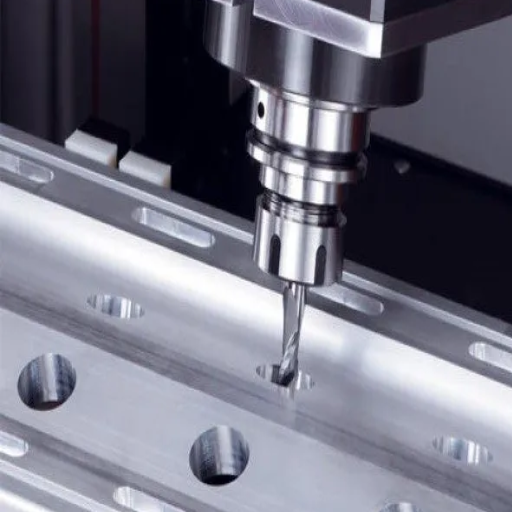
When one is cutting aluminum, several obstacles are usually encountered:
1. Softness of Material: Aluminum is typically softer than most metals. It is smooth and can stick to or build up on cutting tools, resulting in a poor surface finish and wear of the tools.
2. Generation of Heat: The aluminum material can also get very hot during cutting. If no control measures are initiated, this might lead to tools burning and corrosion.
3. Removal of Chips from the Workpiece: When cutting the aluminum workpiece, the aluminum chips may start packing in the cutting tools, sacrificing efficiency and sometimes harming the materials or equipment.
4. Wear and Tear of the Cutting and Machine Tools: Using tools that were not designed for cutting aluminum might lead to quick knife wear, which, when run, will drastically affect the diameter of the tool and its capability to make a hole accurately.
In the quest to address the challenges identified, it is crucial to achieve this by using sharp cutting tools of good quality, applying the recommended coolants, and ensuring that the cooling process is consistent throughout.
Preventing Aluminum from Sticking to the Cutter
To avoid cutting aluminum, it will be helpful to notice that it adheres to the work tool quite often when cutting aluminum. So, it is primarily necessary to have strategies for preventing aluminum from being released from this material. Proper choice of cutting fluid or lubrication would clear the usual reasons for excessive heat and friction, leading to aluminum sticking to the work. In exceptional cases of machining aluminum, specialized lubricants that facilitate better chip removal are preferred.
Furthermore, since there are cutting tools available that have non-stick features or alternative coatings, it helps reduce the adherence of aluminum on the cutting surface. Also, deciding on the cutter speed and working out the best feed rate are very important factors- low speeds or very high speeds can cause the temperatures of the tools to increase and make the tool stick. Lastly, ensuring that there is consistent removal of chips away from the cutting site, using proper chip evacuation systems and air blows, enriches the productivity and lessens the chances of excessive material accumulation that could bind the aluminum to the cutting blade.
How to Avoid Clogging During the Cutting Process
Perfect preventative measures such as industrial practices and technology should be implemented when cutting processes to avoid stopping the system. The mitigation of friction and thermal resistance using up-to-date cutting tools, such as tools with titanium nitride and diamond-like coatings, minimizes the adhesion of work pieces and thus, material clenching is significantly reduced. Furthermore, in the case of aluminum and other materials that are being processed, certain cutting oils are also available that help to reduce the heat of machining; if the correct cutting fluid is not used, the surface is more likely to be too rough. High-efficiency chip evacuation systems help to eliminate chip accumulation; hence, there is no need to worry about blockages as chips are left behind when a high-pressure air jet or vacuum cleaner is used. Thus, it may be beneficial to use advanced models of CNC systems that allow one to control machine speed, feed rates, and cutting parameters depending on the state of the process and prevent the issue of clogging. Overall, the prevention of clogging will be aided by the regular maintenance of tools, including lubrication and sharpening, which help keep the tools in excellent condition, preventing incidents of blocked materials.
How Can You Optimize Your CNC Router Settings for Aluminum?

When you prepare the CNC router settings for processing aluminum, you must first consider choosing the right cutting tool. The carbide end mill is recommended for cutting aluminum as it is a precision tool that can also be used for a reasonably extended duration. When setting the spindle speed and feed rate for machines working on aluminum, the greatest caution should be taken since this metal requires moderate speeds and aggressive feed rates to prevent thermal damage. Always remember to use the proper amounts of lubrication, and a mist or flood coolant could provide these for those operations where they are more effective at reducing friction and maintaining the cutting machine’s productivity. The depth of cut is set at minimum levels during changes to avoid galling and to get smoother finishes. For machining operations, fixing the workpiece made of aluminum in place so that vibrations do not influence it during machining will enhance the throughput accuracy of the process notably.
Setting the Right RPM and Feed Rate
Correct RPM (revolutions per minute) and feed rate are necessary for accurate and efficient aluminum machining. Generally, aluminum needs higher cutting speeds than steel, which is harder. Spindle speeds for aluminum typically range between 10,000 and 15,000 rpm based on the tool and grade of aluminum in use. For feed rates, it is best to go with almost 0.005 to 0.010 inches per tooth for standard end mills and vary as per the requirement of the tool diameter and surface finish quality. Do not forget to check the manufacturer’s provided tooling; it is surprising how most new generation cutting tools come with a range of parameter values that must be used for optimal operating with this equipment. Such parameters help ensure effective machine quality while preventing tool damage to the part due to excess heat.
Adapting Settings for Different Types of Aluminum
Accommodating specific aluminum profiles requires specific CNC settings for the programmable logic controller, which means setting the spindle speed, feed rate, depth of cut, and cooling accordingly, taking into account the alloy’s components and the operation’s purpose.
| Key Point | Details |
|---|---|
|
Alloys |
6061, 7075, 2024, 5052, 5080 |
|
Spindle |
3000-18000 RPM |
|
Feed Rate |
500-800 mm/min |
|
Depth |
0.5-2 mm |
|
Cooling |
Air, Coolant, WD40 |
|
Tool Type |
Carbide, HSS |
|
Chip Load |
Adjust per alloy |
|
Finish |
High speed, low feed |
Reference Sources
- “The Effect of Depth of Cut and Spindle Speed on Cutting Parallelism Results on Aluminum 6061 CNC TU-3A Retrofit Machine”
- Published in 2024
- Key Findings:
- Spindle speed had no significant impact on surface parallelism (µm), although higher speeds showed a trend of better results.
- Depth of cut significantly affected parallelism (µm), with greater depth improving surface quality.
- The interaction between spindle speed and depth of cut was also significant, indicating that the combination of higher spindle speed with lower depth of cut produces better results.
- Methodology:
- Quantitative experimental method with factorial design of experiments (DOE)
- Tested spindle speeds of 600 RPM, 800 RPM, and 1000 RPM, and depths of cut of 1.0 mm, 1.5 mm, and 2.0 mm, while maintaining constant feed rates.
- “Relationship between Cutting Depth and Spindle Speed on Cutting Accuracy of Aluminum 6061 on the TU-3A Retrofit CNC Machine”
- Published in 2024
- Key Findings:
- The cut’s depth significantly affected roundness, with an F value of 8.05 and a P value of 0.030.
- Spindle speed did not significantly impact roundness, with a P value far above 0.05.
- The interaction between depth of cut and spindle speed did not show a significant effect on roundness.
- Methodology:
- Quantitative experimental method
- “A Study on Artificial Neural Network Learning Using Decimal Data of CNC Cutting Conditions for Aluminum”
- Published in 2023
- Key Findings:
- The study demonstrates that decimal data about aluminum can be used for learning by an artificial neural network (ANN).
- It is judged that learning by using decimal data is possible for various materials and in various processing situations.
- Methodology:
- ANN-based expert system for CNC equipment setting
- Inputs: tensile strength, cutting speed, and desired surface roughness
- Outputs: spindle rotation speed (RPM) and feed rate
- Top Aluminum CNC Machining Parts Manufacturer And Supplier In China
Frequently Asked Questions (FAQs)
Q: What are the proper feeds and speeds for cutting aluminum with a CNC machine?
A: The proper feeds and speeds for cutting aluminum depend on the type of aluminum and the cutting tool used. Generally, a higher RPM (around 10,000-20,000) with a feedrate of 100-200 IPM is recommended. Always refer to the manufacturer’s guidelines for your specific end mill.
Q: What tips for cutting aluminum should I keep in mind?
A: When cutting aluminum, ensure you use the right cutter designed for aluminum, such as a spiral ‘o’ flute end mill. Maintain proper feeds and speeds, use shallow passes, and clear chips out of the slots to prevent them from sticking to the cutting tool. An air blast can help keep the cutting area clean.
Q: How can I prevent aluminum sticking to the cutting tool during CNC machining?
A: To prevent aluminum from sticking, use proper feeds and speeds, choose an end mill specifically designed for aluminum, and maintain a shallow depth of cut. Additionally, using an air blast to clear chips can help maintain cut quality and reduce sticking.
Q: What is the significance of shallow passes when cutting aluminum?
A: Shallow passes reduce the load on the cutting tool, which helps prevent the aluminum from becoming gummy and sticking to the end mill. This technique also improves cut quality and prolongs the tool’s life.
Q: What type of CNC router bit is best for cutting thick aluminum?
A: For cutting thick aluminum, a high-quality end mill designed for metalworking, such as an Amana bit with multiple flutes, is ideal. These bits provide better chip removal and improve cut quality by preventing the material from sticking.
Q: How do I determine the right cutter for cutting aluminum sheets?
A: The right cutter should be made from durable materials such as carbide and designed specifically for aluminum. Look for features like a spiral design and a suitable number of teeth to enhance chip removal and improve efficiency in the cutting process.
Q: What is the role of stepover in cutting aluminum?
A: Stepover refers to the distance the cutter moves over between passes. A smaller stepover can improve the finish quality, but it increases machining time. For aluminum, a stepover of 50% of the cutter diameter is often a good balance between efficiency and finish.
Q: Can I use a CNC machine to cut aluminum and wood?
A: Yes, a CNC machine can be used to cut aluminum and wood, but you must switch to the appropriate router bit for each material. Adjust the feeds and speeds accordingly for optimal performance and cut quality.
Q: What are common machining issues when cutting aluminum, and how can I resolve them?
A: Common issues include poor cut quality, excessive tool wear, and material sticking. To resolve these, ensure you use the proper feeds and speeds, select the right end mill, clear chips regularly, and consider using lubrication or an air blast to improve performance.


