


Metal fabrication is the process that shapes the world around us. It supports various industries from construction to automotive. Knowing the various techniques used in metal fabrication provides a basic understanding of how everyday objects are made as well as an appreciation of the innovation and precision that goes into this craft. The article goes further into some of the various techniques used in metal fabrication into three main categories, discussing each process in detail, while applications, and advantages. If one is a professional or just a curious layman wanting to know how raw metal is converted into functional and artistic structures, this article will introduce some fundamental methods used in today’s manufacturing.
What is Metal Fabrication?

The fabrication of metal entails the processing of raw metal into finished products or structures. Metal fabrication includes the cutting, bending, and assembling of materials to create components for industries such as construction, automotive, and manufacturing. This process is necessary to turn out items ranging from tools to elaborate machines.
Understanding the Metal Fabrication Process
The fabrication of metal is a multi-step process where a much diverse array of stages may take place in the conversion of raw materials into finished products. This process includes cutting, bending, welding, assembling, and finishing. Each stage plays a vital role in ensuring the efficiency, quality, and precision of the final output.
- Cutting and Shearing: Often considered the very first step, this involves cutting the metal in sheets or bars from its raw state into smaller sizes. Some of the common techniques include laser cutting, plasma cutting, and water jet cutting. Laser cutting is prominent today for its ability to cut given shapes with precision down to 0.001 inches.
- Bending: The cut metal is bent into the desired form on press brakes or on machines designed for bending that apply controlled pressure to create angles and curves. According to reports, modern press brakes are able to disperse press forces of up to 3,000 tons, therefore making it effortless to bend and form even very thick plates.
- Welding: This phase is pretty important whereby pieces of metal are fused together. Popular welding methods consist of MIG (Metal Inert Gas), TIG (Tungsten Inert Gas), and Arc, each of which has its own niche applications and materials. By 2025, the increase by 6% in automated welding systems in metal fabrication will improve the production speed and reduce human error.
- Assembling: Once each component has been fabricated, they are then assembled into the final structure or product, which may involve further steps of fastening, riveting, or adhesive bonding, depending on the design specification of the product.
- Finishing: After the final product or structure has been fabricated and assembled, surface finishing is undertaken to render the product aesthetically pleasing and durable: finishing processes can consist of paints, powder coating, polishing, etc. According to research findings, powder coating has become a more popular alternative due to its eco-friendly nature; some facilities even reported a 20% reduction in emissions with powder coating when compared to conventional painting methods.
Increasingly, metal fabrication hinges on technological advances through automation, robotics, and CAD software. With further developments offered by these newer tools and technologies, efficiencies and precision in operations are continuously enhanced, consequently ramping up productivity and wastage reduction. A 2023 survey reveals a staggering 40% reduction in the volume of material waste when CAD is used in close integration with automated CNC machines.
Having fast-track knowledge of the different processes involved allows the industries to optimize their workflow better and report superior product quality. With the global metal fabrication market projected to hit $29 billion by 2027, it promises to remain a vital sector in the shaping of modern-day infrastructure and innovations.
The Role of Metal Fabricators
Metal fabricators cut, bend, assemble, and shape metal into usable structures or products.
| Key Point | Description |
|---|---|
| Cutting | Slicing metal into specific shapes. |
| Bending | Shaping metal by applying force. |
| Assembly | Combining parts into final structures. |
| Shaping | Forming metals into desired designs. |
| Welding | Fusing metal parts together. |
| Coating | Protecting metal with finishes. |
| Measuring | Ensuring product accuracy. |
Industrial Application of Metal Fabrications
Metal fabrication is a very important process applied in various industries to produce durable and precise products. This ability to customize components according to specific needs makes it useful in the construction, automotive, aerospace, and energy sectors. Industry studies suggest that the global market for sheet metal fabrication services was valued at nearly $17.3 billion in 2021 and is projected to grow with a compound annual growth rate (CAGR) of 3.7% between 2022 and 2030, thereby highlighting the increase in demand.
Some key reasons for a large number of industries using metal fabrication include the ability to manufacture complex design, a high strength-to-weight ratio, and metal fabrication works on a variety of metals like steel, aluminum, and copper. Moreover, precision and efficiency have increased over the years with various technological tools like CNC machines and laser cutters, which have also helped in reducing material wastage and time for production. Another plus for metal fabrication companies is the environmental sustainability of their processes that contribute toward recycling and re-manufacturing of metal products, ultimately contributing towards a green planet.
This process is necessary for the construction of bridges, power plants, bridges, and skyscrapers; for manufacturing automotive components that are rugged and heavy; and even for a handful of applications where metalworking actually ends, such as in precision tooling for medical devices. Metal fabrication will remain the backbone of industrial advancement as growth is driven by innovation.
What are the Principal Types of Metal Fabrication?
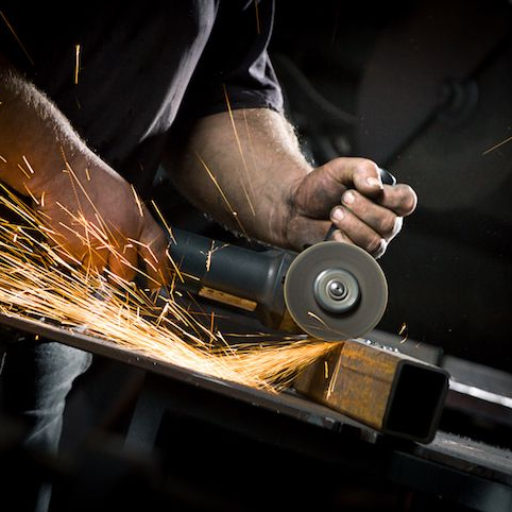
- Cutting – The process that divides metals into smaller segments or designs as desired with the aid of lasers, saws, or shears.
- Welding – Attaching two or more pieces of metals by some combination of casings of heat and pressure.
- Forming – Manipulating metal into desired designs by bending, rolling, or stamping.
- Casting – Some of the more complex shapes are produced by pouring molten metal into a mold.
- Machining – Removing some material from a metal piece to give it particular dimensions and features with the use of drills, lathes, and so on.
Sheet Metal Fabrication
The term sheet metal fabrication deals with all cutting, bending, assembling of thin metal sheets into components or structures. Steel, aluminum, and copper metals are generally selected enormously by engineers for making different parts because of their durability and versatility. These processes find their applications in major industries such as automotive, construction, and aerospace in manufacturing parts such as panels, brackets, and enclosures.
Structural Metal Fabrication Technique
Structural metal fabrication is largely conceived for creating large load-bearing pieces for buildings, bridges, and industrial frames. Welding, casting, and forging techniques are instrumental in structuring the high-strength structures. Welding is the joining of metal pieces through heat and pressure to keep the connection strong. Casting pours molten metal into molds to produce the required shape. Forging on the other hand uses compressive forces to plastically deform the metal and greatly improve its strength. These methods, alongside modern cutting and machining techniques, ensure that structural metal components satisfy rigorous safety and performance standards.
Commercial Metal Fabrication Process
A commercial metal fabrication utilizes various techniques to satisfy the widely varying industrial requisites and applications. These include cutting, bending, assembling, and processing of metal into different components. Laser cutting and water jet cutting processes shape metal sheets with high precision and efficiency. Bending usually occurs on a press brake where the sheet is bent into the exact required angles and forms. Welding is still fair to say the oldest method to join metal parts, while stamping and punching find use in mass production of different items. Modern fabrication results also go hand in hand with CAD and automation to guarantee very high accuracy and cost efficiency on the large scale. These methods allow industries to fabricate reliable and durable metal products for construction, automotive, aerospace, and many others.
How Does the Metal Fabrication Process Work?

- Design and Planning – Engineers prepare detailed drawings or models using CAD software as a guide for the production process.
- Cutting- This is the stage where raw metal is cut into the desired shapes, by laser cutting, or shearing or sawing.
- Shaping and Forming- Metal is bent, rolled, or pressed to suit the required shape and size.
- Joining- These are weld, bolt, or rivet together the separate metal parts for the creation of the final structure.
- Finishing- Techniques like sanding, painting, or coating are employed to enhance the appearance and durability of the metal product.
Metal Cutting Methods
Cutting metal remains the great dividing step in the manufacturing processes; it goes upon a good number of methods according to the material, precision, and requirements for further applications. Several methods for cutting are as follows:
- Shearing- It is a method perfectly suited for straight cuts in sheet metal and is conducted by just pressing down a blade onto the material.
- Sawing- This method is mostly applied to cutting metal bars or pipes where an accurate cut is required by a bandsaw or circular saw.
- Plasma Cutting- This method uses the plasma arc of very high temperature, which helps efficiently cut through metals that are thick and conductive with some kind of precision.
- Laser Cutting- A laser cut is basically taken for thin and medium-thickness metal sheets usually having intricate designs or shapes with extreme accuracy.
- Waterjet Cutting– In this cutting water mixed with abrasives is utilized at very high pressure to make accurate cold cuts without imparting any bearing on the structural integrity of the metal.
Therefore, each method of cutting metal is chosen based on the type of material, complication of the project, and type of finish desired-angle offering the entire experience to the manufacturing process in terms of efficiency and quality.
Assembling Metal Components
I make sure that when metal components are assembled, the process is done with precision and efficiency. Among others, depending on the requirements of the project, welding, riveting, or bolting methods can be used for joining parts together. I am always focused on ensuring the structural integrity of the assembly as well as achieving the desired functionality and finish.
What are the Various Kinds of Metal Fabrication Techniques?

- Cutting – This involves dividing metal into smaller sections using tools like saws, lasers, or plasma.
- Bending – The metal is bent or formed to the shape intended using press brakes or the application of manual force.
- Welding- In welding, two or more pieces of metal are joined or bonded together typically applying heat and pressure.
- Machining – Removal of the excess material from the metal by means of various machining processes such as turning, drilling, milling.
- Casting- Casting involves pouring molten metal into a mold where it will assume the shape of the mold when it solidifies.
- Punching- Punching is the operation of making holes or a design into the metal surface by compressing it with a punch.
- Shearing- Shearing cuts metal along a straight line, generally for sheet or plate materials.
A Glance into Traditional Metal Fabrication
Traditional metal fabrication is one of the available processes to convert a raw metal material into an end product or half-product. These processes utilize manual methods and mechanical working to achieve precision and function. Such processes like forging, machining, and welding have been used for ages and are considered the backbone of metal working industries, where often the intervention of skilled labor is necessary to produce detailed designs for the outputs that need to last longer. The modern technological developments do not undercut traditional fabrication methods in any way; these methods are still of much importance in the modern industrial sector, especially in areas involving small-scale, custom-made, or artisanal works. Traditional metalworking emphasizes high-level craftsmanship and adaptability to give a tailor-made product solution to varied fields of applications.
Laser Cutting and Its Application to Metal Fabrication
Laser cutting is a major development in the discipline of metal fabrication with advancements in precision and efficiency. This technique involves focusing a laser beam to cut or engrave materials, giving an extremely precise outcome with almost no wastage of the material. Recent trends reveal that the world laser cutting market is estimated to reach $6.72 billion by 2025, at a CAGR of 9.3%. This growth testifies to the increased acceptance of laser cutting by industrial operations in the automotive, aerospace, and industrial manufacturing sectors.
Another advantage that laser cutting technology offers is its ability to cut intricate designs with great precision. Today’s CNC systems are now being automated into laser cutting machines to make the production process more straightforward and operative. It is also a technology that is versatile: the range of metals that can be cut is practically limitless and includes steel, aluminum, and titanium, among others, from thin sheets up to several inches in thickness.
The speed and reliability of laser cutting have also positively impacted the production output. In this respect, fiber laser systems have been regarded as the fastest solution for cutting and producing with less maintenance effort than conventional CO2 laser. A single system can provide thousands of repeatable cuts of quality in much less time if compared to traditional means of fabrication. It has also found a place in smaller applications like bespoke metalwork and artisanal work, hence testifying to its ability to traverse sectors and scales.
Advanced Fabrication Techniques
The advent of new technologies has led to changes in fabrication processes, with technology ensuring greater accuracy and finesse with the flow of increased flexibility and efficiency.
Additive manufacturing, or 3D printing, is at the center of innovation, which can manufacture very complicated geometrical shapes layer by layer, with the advantage of being environmentally friendly with less waste generation and rapid prototyping. Firstly, regarding market capitalization, the global 3D printing market is projected to grow from $17.4 billion in 2023 to $79 billion by 2030, substantiating its increased acceptance throughout industries such as aerospace, healthcare, and automobile.
Computer Numerical Control (CNC) machining is another major revolution in precision engineering due to its computer-based control of tools and machining activities. CNC can achieve manufacturing tolerance levels of ±0.001 in., which compels its use for manufacturing highly complex components in free-handed numbers. As water jet cutting is able to cut through any material without producing heat-affected zones, this method is becoming more popular for maintaining the structural integrity of materials.
Hybrid manufacturing technologies in parallel are going beyond the limits of fabrication. Hybrid manufacturing techniques allow manufacturers to add material where it is needed and remove material for precise finishing, providing a simpler way of producing complex parts. The gates brought about by the integration of these new techniques definitely results in options for design customization and sustainable manufacturing.
Advantages of Metal Fabrication

- Durability: These metals are strong and long-lasting; hence they are suitable for applications where their structural integrity must be trusted.
- Customizability: Any metal fabrication process can create custom designs down to very specific dimensions.
- Versatility: Metal fabrication is used in many industries such as construction, automotive, aerospace, and manufacturing.
- Sustainability: Most metals recycle well, which reduces landfill wastes and encourages building green.
Metal Fabrication Industry Benefits
The metal fabrication industry remains the backbone of modern manufacturing and constructions. Numerous benefits characterize this industry and install it as an essential service in many domains. The benefits in detail are as follows, backed with statistics and knowledge:
- Economic Contribution: A report from IBISWorld states metal fabrication to be a $20 billion market in the U.S. alone in recent years, providing millions of jobs and supporting a variety of sectors, including construction and consumer goods.
- Precision and Efficiency: The cutting-edge technologies applied lately, CNC machining, and laser cutting changed the manufacturing technology. Now, very precise designs can be made. There is also far less wastage of material, and production efficiency has been improved greatly. For example, automated laser cutters achieve a tolerance of ±0.001 inch, which is more than enough to manufacture complex components with absolute reliability.
- Durability and Strength: Metals such as stainless steel, aluminum, and carbon steel have been considered the best for fabrication purposes because of their strength and resistance to wear and tear of any nature, thereby ensuring that the structure and products built using these metals last. For instance, structural steel has tensile strength in the range of 50,000–100,000 psi, which makes it preferable in construction of high-rise buildings and bridges.
- Rapid Prototyping and Customization: Metal fabrication has been innovative enough to speed up your prototype creation processes, therefore allowing you to shorten your product development cycles. Manufacturers can easily customize their products to meet customer requirements for rapid designs.
- Sustainability and Recycling: The metal fabrication industry, being recyclable, has a reduced environmental impact. In that respect, according to the World Steel Association, more than 80% of steel products are recycled globally, which is a testimony to how committed the sector is to sustainability. Metal recycling conserves natural resources and reduces energy consumption, since it takes about 60% less energy to make recycled steel than to make new steel.
- Cross-Industry Integration: In Aerospace, metal fabrication helps in providing aluminum alloys that need to be lightweight and durable, while in Automotive, precise steel fabrication is of essence for safety and performance. Research reports that the global automotive steel market is anticipated to reach $157 billion by 2030, which accentuates the growing dependence on metals.
By melding older practices with the latest technology, metal fabrication continues to push competences to effectively foster economic, environmental, and technological development worldwide.
Impact on Metal Manufacturing Projects
The integration of advanced technologies over-time made metal manufacturing projects more efficient, precise, and sustainable. One important impact has been the implementation of automation and robotics to streamline production lines that allow cutting production costs and at the same time minimizing human error. Research reports that estimated the value of the global metal fabrication equipment market at US $ 61.33 Billion growing at a CAGR of 4.3% within the period of forecast from 2023 to 2030 further demonstrate the growing acceptance of precision tooling and automated systems in the industry.
In addition, Industry 4.0 advancements utilizing IoT and AI-enabled analytics help manufacturers to optimize workflow better and predict when maintenance has to be carried out, replacing excessive downtime. For example, predictive maintenance is set to save billions of dollars annually for the manufacturing industries through averting failures of machinery. On the other hand, trends toward green practices are shaping the industry, with companies getting involved in activities that lead to less waste and emissions. The recycled metals currently form a dominant share in the raw materials category, which corresponds with sustainability objectives world-wide.
These innovations constitute a bright future for metal manufacturing, where technology joins hands with the traditional know-how to cater to the demands of a swiftly shifting market. By staying at the forefront of innovation, the industry is poised to deliver solutions that are not only efficient but also environmentally conscious.
Cost-Effectiveness and Efficiency
The metal manufacturing industry exploits the latest technologies to enhance cost-effectiveness and operational efficiency. Automation and digitization cover all fronts—robotics, AI-enabled systems—that have greatly cut down production time and labor costs. In 2023, McKinsey said that manufacturers using Industrial IoT solutions managed a 20% average cost reduction and up to 30% productivity uplifts.
Additionally, cost savings have come about because of the deployment of energy-efficient machines and sustainable methods. According to the US Department of Energy, employing energy-efficient machinery in metal production industries can reduce operational costs by 15-30 percent per annum. In a similar fashion, the usage of recycled metals also cuts down on the costs of raw materials while consuming ninety percent less energy as compared to that for processing virgin metals.
By applying these innovations, however, metal manufacturers are optimizing their resources; improving the quality of their output while lowering the overall costs of their operation; and doing their share for the environment. Despite the urgent need for efficiency and costs control, this places the industry far ahead concerning sustainability and competitiveness.
Reference sources
- Fabrication of Metal/Carbon Nanotube Composites by Electro Chemical Deposition
- Authors: S. Arai
- Journal: Electrochem
- Publication Date: October 21, 2021
- Citation Token: (Arai, 2021)
- Summary:
- This review discusses various fabrication processes for metal/carbon nanotube (CNT) composites, emphasizing electrochemical deposition methods. The paper categorizes the fabrication techniques into three types:
- Composite plating by electrodeposition or electroless deposition.
- Metal coating on CNTs by electroless deposition.
- Electrodeposition using CNT templates.
- Methodology: The review synthesizes existing literature on the performance of these methods, focusing on the importance of homogeneous dispersion of CNTs in electrochemical baths to achieve high-performance composites.
- This review discusses various fabrication processes for metal/carbon nanotube (CNT) composites, emphasizing electrochemical deposition methods. The paper categorizes the fabrication techniques into three types:
- Fabrication of ZnAl-LDH Mixed Metal-Oxide Composites for Photocatalytic Degradation of 4-Chlorophenol
- Authors: Guang-hua Xia et al.
- Journal: Environmental Science and Pollution Research
- Publication Date: February 1, 2022
- Citation Token: (Guang-Xia et al., 2022, pp. 39441–39450)
- Summary:
- This study explores the fabrication of mixed metal-oxide composites using zinc and aluminum layered double hydroxides (LDHs) for photocatalytic applications. The research highlights the effectiveness of these composites in degrading pollutants.
- Methodology: The authors synthesized the composites through a co-precipitation method and characterized them using various techniques, including X-ray diffraction (XRD) and scanning electron microscopy (SEM), to assess their structural and morphological properties.
- Fabrication of Metal Components Using FDMet: Fused Deposition of Metals – Explores advanced fabrication methods, including fused deposition for metal components.
- Metal Fabrication Shop Owner Dies When Crushed by Falling Steel Plate – Provides insights into metal fabrication processes and safety considerations in a shop environment.
- Leading CNC Metal Machining Provider in China
Frequently Asked Questions (FAQs)
Q: What are the three types of metal fabrication?
A: The three types of metal fabrication cutting, forming, and assembling. These means of metal fabrication are necessary for constructing metal structures and components for various industries.
Q: How does industrial metal fabrication differ from the others?
A: Typically, industrial metal fabrication is for large projects using the highest end machinery to produce metal structures. It fabricates for constructions, automotive, aerospace industries.
Q: Can you explain the types of metal fabrication processes?
A: Processes of metal fabrication include cutting, which generally refers to breaking metal workpieces into smaller pieces; forming, which generally means bending metal into the desired shape; and assembling, which generally refers to joining two pieces of metal. All these processes go hand in hand in any fabrication project.
Q: Why is metal fabrication important in modern-day industries?
A: Metal fabrication is important in modern-day industries as it has a major role in making metal structures and products. From fabrication of custom metal parts to fabrication of large industrial components, metal fabrication is directly or indirectly involved.
Q: What is the role of forming techniques in metal fabrication?
A: Forming techniques in metal fabrication involve shaping and bending metal for the execution of particular designs. This is essentially important in fabrication projects as it allows for the fabrication of custom metal parts and components.
Q: What are the common metals used in sheet metal fabrication?
A: The common metals used in sheet metal fabrication include steel, aluminum, and copper. They are chosen for their strength, versatility, and compatibility with different fabrication techniques.
Q: How do the three major types of metal fabrication contribute to a project?
A: The three major types of metal fabrication-cutting, forming, and assembling-are all vital at different stages of a project. Cutting defines the shape of the metal workpiece, while forming gives it the design, and assembling fits the components together.
Q: What makes metal fabrication successful?
A: Successful metal fabrication depends upon thorough planning, skillful execution of the fabrication processes, and use of quality materials. From start to finish, a metal fabrication project demands pinpoint focus on nickel and dime details as well as strict adherence to specifications.


