


Understanding the Density of Iron: Significance and Applications
The density of iron is of paramount importance; building houses, harnessing steel in the manufacturing sector, electronics, and transportation depend on its density. It is a quintessential physical property that confers a specific use to iron, and accordingly, its very operability is grounded on density for engineering calculations and material selection.
Introduction to Density and Iron
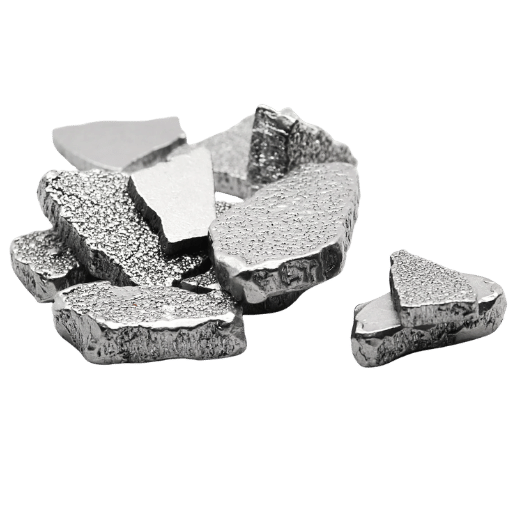
Density is mass per unit volume of a material and is most commonly expressed in grams per cubic centimeter (g/cm³) or kilograms per cubic meter (kg/m³). With an understanding of this fundamental property, we can perceive its influence on product design, industrial efficiency, and innovation across various applications.
Iron Density at Standard Conditions
This property stems from the atomic constitution of iron and how its atoms arrange themselves in the solid state.
High density of iron makes it strong and durable. Therefore, it needs to be used appropriately in construction, manufacturing, and engineering. Knowing iron density is thus essential in determining the processes and design considerations used for the iron in steelmaking and other applications.
Importance of Density in Industry
Being an important physical parameter, density influences material selection according to application, strength, and durability issues in the design and performance of materials. Understanding density becomes crucial for several key reasons:
🔧 Key Industrial Considerations
- Load-bearing capacity calculations – Engineers use density to determine structural stability
- Material selection – Higher-density materials like iron are preferred for strength-critical applications
- Manufacturing efficiency – Density affects production planning and resource allocation
- Weight optimization – Critical for automotive and aerospace applications
Defining Density and Its Relevance to Iron

What Is Density?
Density is the quantity of mass contained within a unit volume of a material. It is found by dividing the mass of the object or substance by its volume and can be expressed in units such as grams per cubic centimeter (g/cm³) or kilograms per cubic meter (kg/m³).
Density of Iron: Characteristics and Measurement
Posing a density of around 7.87 g/cm³ (7,870 kg/m³) at room temperature, iron is deemed a dense metal. Due to its density, iron has found numerous applications in various sectors, including construction, heavy machinery, and manufacturing, all of which require strength and resistance to be of paramount importance.
🏗️ Construction Industry
Iron’s density provides the strength-to-weight balance essential for structural steel in beams, columns, and reinforcements.
🏭 Manufacturing
Being heavy-dense, it ensures durability in heavy machinery and high-performance industrial equipment.
🚗 Transportation
Density calculation plays a crucial role in vehicle design, particularly in considering fuel efficiency and safety measures.
Factors Affecting Iron Density
Iron density slightly changes depending on a few factors:
- Temperature: An increase in temperature decreases density due to thermal expansion.
- Impurities: Foreign elements can marginally alter the overall density.
- Crystal Structure: Phases are the ferrite phase and the austenite phase, which have slightly varying density values.
- Pressure: High-pressure situations tend to increase density.
Conversion Factors for Density Calculations
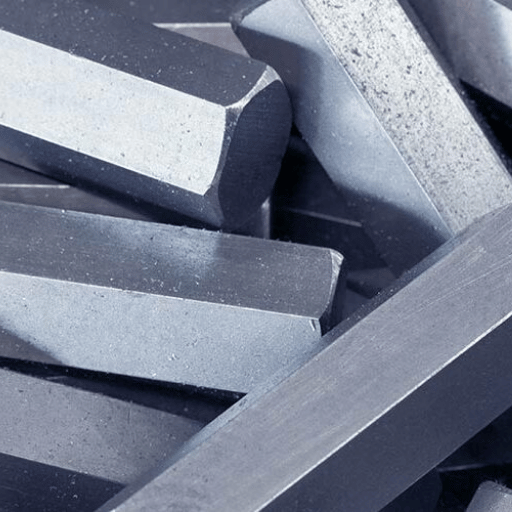
Conversions of units are required most of the time when measuring density to cater for different engineering or scientific standards. The following table provides essential conversion factors:
| Unit | Iron Density Value | Conversion Factor | Common Applications |
|---|---|---|---|
| g/cm³ | 7.87 | Base unit | Laboratory measurements, material specifications |
| kg/m³ | 7,870 | × 1,000 | Engineering calculations, construction planning |
| lb/ft³ | 491.6 | × 62.43 | US construction industry, architectural design |
| kg/L | 7.87 | Same as g/cm³ | Volume-based calculations, shipping logistics |
Practical Applications of Iron Density
Impact on Construction Materials
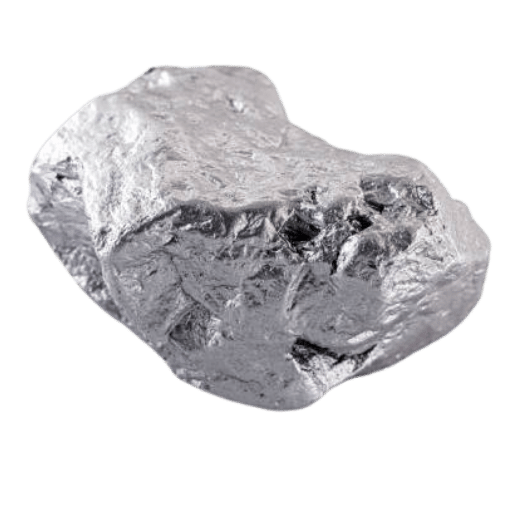
Density affects the nature and, therefore, also the construction engineering processes involved in material selection. With a near-standard density of 7,850 kg/m³, iron delivers that unique requirement of strength-to-weight ratio, making it truly essential to all structural steel.
Since iron has a very high mass-to-volume ratio, it is considered highly stable under dynamic loads, such as those caused by wind or seismic movement. This characteristic helps factor into shipping and transport arrangements when weights need to be calculated with great precision for safety.
Role in Manufacturing Iron Alloys
With the ability to form an array of alloys, technically a defining characteristic of iron is giving a fundamental composition: Iron forms alloys with carbon, manganese, chromium, and others according to the specified properties:
⚔️ Steel Alloys
The density and strength vary, depending on carbon content, and so do hardness and application.
🛡️ Stainless Steel
Chromium and nickel additives affect density while imparting a corrosion-resistant nature, making them suitable for less corrosive environments.
🔧 Cast Iron
A greater carbon content creates slightly different densities, suitable for a specific type of manufacturing process.
Influence on Technology and Engineering
Iron and its alloys have a profound impact on technological evolution and engineering innovation. They are available for infrastructure, precision engineering, and heavy manufacturing applications.
📊 Global Steel Production Impact
According to recent studies, global steel production exceeded 1.8 billion metric tons in 2022, indicating a growing demand for iron in both traditional and cutting-edge applications. When viewed at such a magnitude, it also highlights the global importance of iron density for manufacturing efficiencies.
Recent Advancements in Understanding Iron Density
New Research Findings on Iron Density
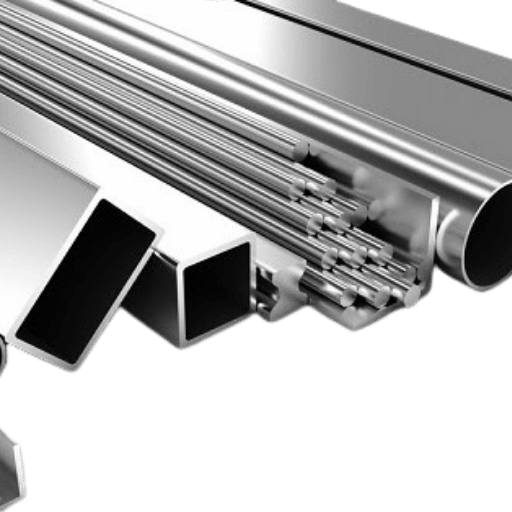
Recent studies have brought insights into the density properties of iron and their significance in various branches of science and engineering. Researchers are finding that both temperature and pressure can strongly affect the density of this metal:
- Extreme Pressure Conditions: Under inner Earth-core pressures, iron density can increase by 20% to a maximum of nearly 13 g/cm³
- Alloy Composition Effects: Steel of various compositions with carbon or nickel produces measurable differences in density
- Atomic Structure Analysis: Advanced methods, such as X-ray crystallography, analyze the contribution of nuclear arrangements to structural compactness
Technological Innovations in Density Measurement
Density measurement technology has advanced considerably in recent times to allow for precise analyses:
🔬 Modern Measurement Techniques
- X-ray Computed Tomography (XCT): 3-D non-destructive imaging at fine scales
- Oscillating U-tube Methods: Up to ±0.0001 g/cm³ for liquids and gases
- Laser Interferometry: Measures without the need for contact for fragile and sensitive samples
- Digital Holography: Projects highly resolved density profiles for advanced composites
Applications in Emerging Fields
Iron density plays a pivotal role in technological advancements across several cutting-edge sectors:
🔋 Energy Storage
High-density iron-based materials are used to manufacture battery electrodes, particularly for LiFePO4 batteries, which offer improved safety and extended duration.
🏥 Biomedical Engineering
Iron oxide nanoparticles are designed for MRI contrast agents and targeted drug delivery systems.
🌍 Environmental Science
Iron-based filtration systems are used to remove toxic contaminants, such as arsenic, from groundwater.
Future Trends and Research Directions
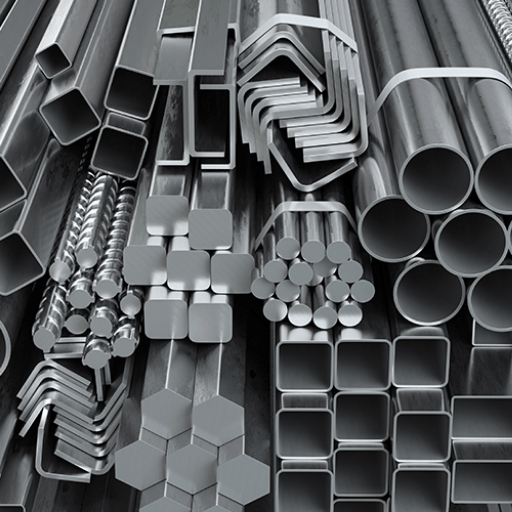
Emerging Applications of Iron Density
Changes in the applications of iron density would be closely related to the development of material sciences and engineering:
- Aerospace and Automotive Industries: Optimizing Iron Density for High-Performance, Lightweight Alloys
- Energy Storage Systems: Development of Iron-Based Electrode Materials for Next-Generation Batteries
- Additive Manufacturing: Variable-density iron powders are believed to minimize the waste and optimize the strength to be developed
- Environmental Sustainability: Creating eco-friendly alloys with densities tailored to specific properties
🔮 Future Challenges in Materials Science
- Nanotechnology: Developing materials with excellent mechanical, electrical, and chemical properties
- Sustainable Materials: Creating environmentally friendly and recyclable products
- Smart Materials: Materials that can self-heal, adapt, or respond to environmental stimuli
- Advanced Manufacturing: 3D printing and additive manufacturing with desired density properties
Frequently Asked Questions (FAQs)
🎯 Key Takeaways
Understanding iron density (7.87 g/cm³) is fundamental to modern engineering and manufacturing. From construction materials to advanced technologies, this property consistently drives innovation across various industries. As we advance into new fields like renewable energy and biomedical engineering, iron density remains a critical factor in material selection and design optimization.
Reference Sources
- The Volumetric Properties of Iron
Citation: Abdullaev et al., Journal of Physics: Conference Series (2020)
Key Findings: Studied density and thermal expansion of pure iron, investigated physical properties in solid and liquid states, measured relative density change during phase transitions using the gamma-ray attenuation technique. - Princeton University – Iron Properties
Comprehensive documentation of iron characteristics including detailed density measurements (7.86 g/cm³) and structural properties.


