


Stainless steel 316 is widely considered among the most versatile material types working their way throughout many industries because of its extreme durability, corrosion-resistant ability, and multiple applications. But, what setting this material apart from the rest of the stainless steel grades, and why does it serve in everything from marine environments to medical equipment? This guide will delve deep into the properties, benefits, and applications unique to stainless steel 316, offering an all-around insight as to why this material is considered so valuable. So, if you are a professional wishing to make well-informed decisions or someone interested in the science and working behind this alloy, this article has all of the insight you need. With that, get ready to explore what makes stainless steel 316 contribute so heavily to modern engineering and design.
What is Stainless Steel 316 and Why Do We Consider It Important?
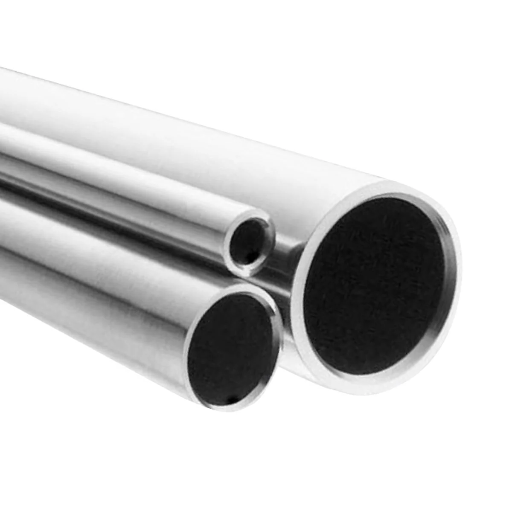
Stainless steel 316 can be defined as a very high quality corrosion-resistant alloy. An important feature of this alloy is its excellent mechanical strength; rusting is improbable when it is in aggressive environments as opposed to normal marine weather; it is abnormally resistant to pitting atmospheres, as tempered with unusual high temperature resistance. This makes it crucial in marine equipment, chemical processing, medical device fabrication, and food preparation. It gives a trustworthy solution to practically any issue that requires blockage under extreme working conditions, thus becoming an industrially important tool and a daily-chosen article.
What Is Stainless Steel 316?
Stainless Steel 316 is a high-grade austenitic alloy considered for its superior corrosion resistance behavior and mechanical properties. Basically, the alloy is mostly made up of iron, chromium, and nickel, with molybdenum added to enhance resistance to pitting and crevice corrosion by chloride environments. Because of resistance to extreme conditions, Stainless Steel 316 is frequently put to use in marine, chemical processing, and medical applications wherein durability and reliability are of paramount concern. Its strength and ability to weld combined with easy maintenance lend it so much importance in demanding applications.
Uses for 316 Stainless Steel
316 Stainless Steel finds its application in marine environments, chemical processing equipment, medical implants, and food preparation surfaces. Its high corrosion resistance and durability rank it high in applications exposed to moisture, salt, and various chemical exposures. It is also considered strength- and hygiene-oriented for many applications.
316 Stainless Steel in Today`s Industries
Unique properties featuring 316 Stainless Steel speak wonders of industries today. Its exceptional resistant properties against pitting corrosion mainly in chloride-containing environments makes 316 stainless steel even more exceptional in marine engineering, chemical processing, and pharmaceutical manufacturing. For instance, according to a 2023 market analysis report, the global stainless steel market would present a cumulative share of $163.5 billion by 2027, wheremost of it would be attributed to the demands of 316 Stainless Steel because of its outstanding performance in harsh environments.
Especially, the medical industry stands to gain from an extensive application of this alloy. 316 Stainless Steel rods are used for surgical instruments, implants, and medical devices due to their non-reactive and hygienic properties. Biocompatible make them safe to use, while strength makes them support long-term use and critical applications. 316 Stainless Steel is found in the food and beverage industry, resisting acidic and highly saline environments to keep equipment durable and sanitary.
The second-known aspect is sustainability. Stainless steel, including grade 316, is 100% recyclable and hence in line with world-wide efforts toward reducing environmental impacts; thus, many prefer this for their eco-friendly and long-lasting needs. Therefore, the importance of 316 Stainless Steel lies in the adaptability, durability, and implementation into global advances in techniques and industries.
What is the Difference Between 316 and 304 Stainless Steel?
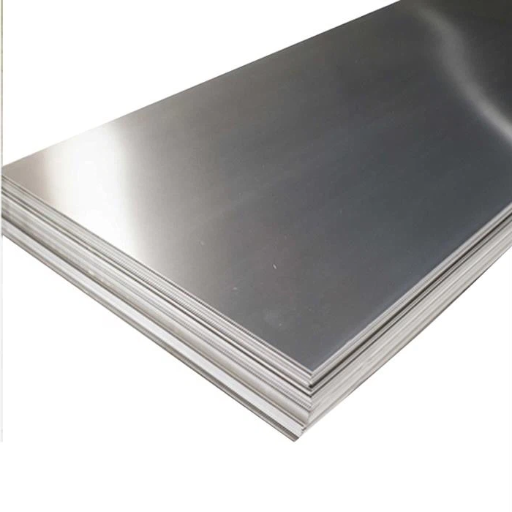
316 stainless steel has excellent corrosion resistance compared with 304 stainless steel, especially in environments that expose it to chlorides, saltwater, or harsh chemicals. The presence of molybdenum in 316 provides resistance against pitting and crevice corrosion. Both materials being durable and versatile, 316 stainless steel usually preferred for marine, chemical, and medical processes while 304 is used in conventional applications.
Key Differences Between 304 and 316 Stainless Steel
The key differences between 304 and 316 stainless steel lie in their composition, corrosion resistance, cost, applications, and strength.
| Parameter | 304 | 316 |
|---|---|---|
| Composition | No molybdenum | Contains molybdenum |
| Corrosion | Lower resistance | Higher resistance |
| Cost | Less expensive | More expensive |
| Applications | General-purpose | Marine, medical |
| Strength | Standard strength | Slightly higher |
When to Choose 304 Stainless Steel Rather Than 316
Choose 304 stainless steel when money must be saved and corrosion resistance can be compromised to some extent. It is used wherever general-purpose tasks need performing under less corrosive environment conditions, like indoor equipment, kitchen appliances, and the like. Hence, under normal conditions, where very extreme tests such as exposure to saltwater or to harsh chemicals are not factors, 304 stainless steel proves to be a reliable and economical choice.
Comparing Corrosion Resistance of 304 vs 316 Stainless Steel
304 stainless steel provides good corrosion resistance in most environments, while 316 exhibits superior resistance, especially in marine and chloride-rich settings.
| Feature | 304 | 316 |
|---|---|---|
| Corrosion | Good | Superior |
| Chlorides | Susceptible | Resistant |
| Marine Use | Limited | Excellent |
| Cost | Lower | Higher |
| Strength | Comparable | Comparable |
| Uses | General | Industrial |
What Are the Mechanical Properties of Stainless Steel 316?
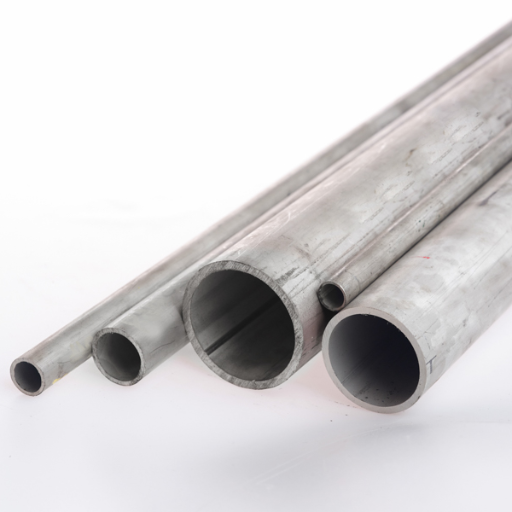
Stainless Steel 316 presents excellent mechanical properties. It has very high tensile strength with acceptable ductility and high-temperature resistance. Its yield strength ranges to about 30,000-45,000 psi, and its tensile strength is about 75,000 psi. It also possesses a great amount of toughness to balance between cryogenic and high-temperature uses. Another consideration is the fact that this stainless steel 316 can hold up and retain its mechanical properties even against stress, which is why it finds application in many stressing environments.
Understanding the Tensile Strength of 316 Stainless Steel
Tensile strength plays a very important role in the performance of 316 stainless steel in its various applications, especially under very harsh environments. Tensile strength is defined as the maximum force that a material can bear while it is being stretched or pulled before breaking apart. For 316 stainless steel, the average tensile strength runs at about 75,000 psi (pounds per square inch), though some variations may occur depending on the manufacture or other alloy variations.
Of all stainless steel grades, grade 316 stands out because of its unique combination of resistance to deformation and ductile behavior. This unique behavior allows it to endure tension in several applications without deformation and it finds uses in marine engineering, chemical processing, and medical equipment manufacturing. Molybdenum, present in an amount of 2-3%, strengthens the corrosion resistance of 316 stainless steel and simultaneously helps maintain mechanical strength when subjected to high tensile forces.
Work-hardened or cold-worked 316 stainless steels are also available for more rigorous industrial applications. These can be specially processed to increase tensile strengths beyond 110,000 psi to provide ideal performance even under the most severe service conditions. So, knowing the tensile strength of 316 stainless steel and their variants is very important in determining the right material for any application of critical nature.
Nickel and Molybdenum: A Two-Way Influence in 316 Stainless Steel
Taking into consideration the unusual performance requirements for such applications, nickel and molybdenum render their invaluable services to improve the properties of A4-316 stainless steel.
Typically composed of around 10-14% nickel and 2-3% molybdenum, 316 stainless steel is highly resistant to corrosion, particularly in environments containing chlorides and other harsh chemicals.
Nickel promotes the ductility and toughness of the material even at low temperatures. By stabilizing the austenitic structure, nickel helps retain the steel’s non-magnetic and durable properties. This quality is very important in industrial environments where mechanical stress and temperature variation occur quite frequently.
On the other hand, molybdenum heightens resistance to pitting and crevice corrosion of the alloy, especially in marine and chloride environments. From research, it is known that the addition of molybdenum improves in resistance to chloride ion attack and enhances in-service life of the material when exposed to saltwater or acidic solutions. For example, the pitting resistance equivalent number (PREN) of 316 stainless steel, which normally exceeds 23, is greatly improved by molybdenum.
These elements give 316 stainless steel its high-performance characteristics, which enable it to render very good service in all fields ranging from chemical processing to marine engineering.
Examining Elevated Temperature Performance of 316 Stainless Steel
316 stainless steel proves to be a strong contender, especially when it comes to elevated temperature performance. It finds immense use in high-temperature applications. The alloy retains its mechanical properties and corrosion resistance when exposed to temperatures of about 870°C (1600°F). However, it must be noted that continuous exposure at very high temperatures will cause changes in its microstructure such as carbide precipitation that reduces corrosion resistance.
Regarding tensile strength, it will function well as long as it is up to 540°C (1000°F), and gradually begin to weaken at temperatures well above that level. Often cited is a room-temperature tensile strength of approximately 515 MPa, but this figure diminishes by 30%-40% at elevated temperatures of approximately 800°C (1472°F).
Also, the corrosion resistance of 316 stainless steel in intermittent service is quite good up to 870°C (1600°F) and even better in continuous service up to 925°C (1700°F). Molybdenum enhances the stability of the alloy at these elevated temperatures and makes the alloy much less prone to scaling, which particularly suits it to applications such as furnace components, heat exchangers, and chemical reactors. When considering the use of 316 stainless steel in high-temperature services, engineers usually take into account the issues of thermal expansion, creep deformation, and long-term application of mechanical stress to meet performance criteria.
The appreciation of the 316 stainless steel thermal tolerance and behavior proves vital to ensure the safe, sound, and reliable use of such materials in industries demanding strength under harsh conditions.
Corrosion Resistance and Its Effects on 316 Stainless Steel
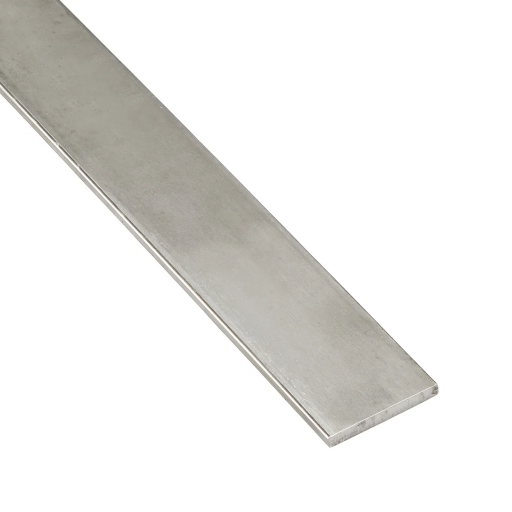
Corrosion resistance stands as the chief feature and benefit of Grade 316 stainless. A steel that has carbon in an appreciable content does not rust. Likewise, other related mechanisms of corrosion, such as pitting due to chloride in high humidity environments, are countered by 316 stainless steel, attributed to its high chromium and molybdenum content. In all other words, it can be trusted whenever there is a concern of corrosive exposure.
The Effects of Chloride and Saline Environment on 316 Stainless Steel
Being highly resistant to chloride and saline environment, 316 stainless steel is highly favored in marine, industrial, and chemicals. Presence of chlorides, such as seawater, often poses a risk of pitting and crevice corrosion to many materials. The molybdenum in 316 stainless steel does, however, improve the resistance of this metal against such corrosive action.
Studies show that 316 stainless steel can resist pitting corrosion in chloride concentrations up to 2000 ppm under ambient conditions. From this point of view, it is considered ideal for use in coastal structures, boat fittings, and desalination plants. Additionally, the serum and saline performance is advertised as extending to temperatures of about 50°C, beyond which higher grades such as 316L or super austenitic alloys might have to be considered.
In empirical terms, the rate of corrosion of 316 in stainless steel faced with seawater or brine solutions stands significantly less than that of 304 stainless steel for normal cases, making this 316 really essential to pick up in a long run. Being able to go strong under harsh treatment thus reduces the chances of maintenance and failure of equipments. This reputation backs it pretty well for those industries that care to stand by for all probable harms to ensure durability and performance.
Why 316L Stainless Steel Is Highly Corrosion-Resistant
It has this much corrosion resistance in chloride-containing environments such as seawater and salts: 316L stainless steel. This superior performance is mostly from its lower carbon content over 316 stainless steel, which reduces the opportunities of carbide precipitation during welding, a property that becomes important in corrosion resistance in welded structures.
The presence of molybdenum around the level of 2-3 percent that is commonly contained in 316L stainless steel further improves the resistance to pitting and crevice corrosion, quite seriously faced in extremely saline or aggressive chemical environments. For example, industry data show that 316L stainless steel can resist pitting in chloride concentrations in the range of 2000-3000 ppm, much better than 304 stainless steel, which starts to corrode at much lower chloride concentrations.
Investigations also confirm that 316L stainless steel does not lose mechanical properties and anti-corrosion characteristics even in long-term exposure to extremely harsh conditions, which makes the alloy vital for marine equipment, chemical treatment facilities, medical supplies, and desalination plants. In contrast to ordinary 316 stainless steel, the “L” grade’s reduced tendency to sensitization further increases its durability, guaranteeing good performance in challenging environments.
Stress Corrosion Cracking as It Pertains to 316L Stainless Steel
When evaluating 316L stainless steel for performance, stress corrosion cracking is an eminent issue to be considered. In my opinion, 316L has extraordinary resistance to SCC over other grades of stainless steel chiefly owing to its low carbon content and high chromium and molybdenum composition. These qualities reduce the susceptibility of the material to be attacked by corrosive environments when subjected to tensile stress, hence making it a great choice in applications that are subjected to chloride-rich or very extreme environments. Nevertheless, risks posed by SCC must be mitigated through proper design and maintenance even for high-performance alloys such as 316L.
The Difference Between 316 and 316L Stainless Steel

The carbon content is an important difference between the two. 316L stainless steel has an almost negligible carbon content in comparison with the 316; this property resists sensitization and corrosion after welding. This property renders 316L suitable for situations where considerable welding is carried out or where it is exposed to highly corrosive environments. Apart from this, both grades have similar properties in terms of strength and durability and resistance to very high temperatures and chloride environments.
Carbon Content Difference Between 316 and 316L Stainless Steel
The carbon content of AISI 316 and 316L stainless steel is one of its most distinguishing features. 316-grade stainless steel usually comprises up to 0.08% carbon, whereas 316L is considered a low-carbon grade, typing with carbon content not exceeding 0.03%. This slight difference in carbon content drastically increases the corrosion resistance of 316L in environments where the material is exposed to high temperatures or needs to be welded.
In welding, due to the higher carbon content of Type 316 stainless steel, carbide precipitation occurs along grain boundaries. This precipitation, known as sensitization, reduces the material’s resistance to attack by intergranular corrosion, especially in chloride-rich or acidic environments. In contrast, a much lower amount of carbon in 316L steel inhibits carbide precipitation, thereby retaining its intergranular corrosion resistance and general corrosion resistance even after welding.
The tensile strength is somewhat similar in stainless steels such as 316 and 316L, having a capacity of bearing stress loads of 500 MPa and beyond. However, the 316L has an edge over 316 in ductility and weldability. This makes it suitable in marine environments as well as chemical processing plants and medical instruments.
But finally, the decision to select one over the other really depends on what the application calls for in respect to weldability, exposure to corrosive elements, and high-temperature conditions.
Normally, applications demanding 316L stainless steel
The 316L stainless steel is considered an important grade for high corrosion resistance with low carbon content and excellent weldability that becomes applicable in most severe areas of applications. Due to its high resistance to pitting and crevice corrosion, it is used in the marine environment, where the salts and chlorides are common. Its ability not to react with chemicals also makes it ideal for chemical processing equipment in that it will resist degradation from harsh chemicals and high temperature. The general biocompatibility of 316L is one good quality that aids its use in making chemical processing equipment for medical instrumentation and implants, like surgical apparatuses for orthopedic devices. Also capable of withstanding the rigors of architectural use along with food processing equipment.
Understanding the Properties of Marine Grade Stainless
Marine-grade stainless steels, such as 316 and 316L, are designed to survive extremely corrosive conditions found in marine environments. One of their best qualities is corrosion resistance to saltwater and chloride-enriched conditions. The resistance to pitting and crevice corrosion is further enhanced by the presence of molybdenum.
These stainless steels have two types: 316 and 316L. 316L stainless steel is the low carbon type of 316, meaning it possesses better weldability with less risk of carbide precipitation while welding; this feature makes it desirable in shipbuilding and marine engineering. Currently, 316L stainless steel maintains its integrity in chloride concentrations above 500 ppm, which is way higher compared to most other materials used for the same purpose.
Generously endowed with a tensile strength, this material would provide, on average, about 70,000 psi (485 MPa) tensile strength-outstanding enough for an application that requires strength under mechanical stress. That outstanding temperature resistance capability ensures that the material will withstand up to operational temperatures of 1,598°F (870°C) without losing any mechanical properties.
Marine-grade stainless steel finds uses from shipbuilding components, such as propellers shafting and rigging, to offshore oil and gas production platforms. The further underscoring of its importance to marine-grade applications is presented by its longevity, low maintenance requirements, withstanding attention, and biofouling. Bridging performance with resilience, marine-grade stainless steels such as 316L will continue to set the high-performance material standard in corrosive environments.
Reference sources
- Comparison of the microstructure, mechanical properties and distortion of stainless steel 316 L fabricated by micro and conventional laser powder bed fusion
- Authors: Jin Fu et al.
- Journal: Additive Manufacturing
- Publication Date: August 1, 2021
- Citation Token: (Fu et al., 2021, p. 102067)
- Key Findings:
- The study compares the microstructure and mechanical properties of stainless steel 316L produced using micro and conventional laser powder bed fusion techniques.
- It was found that the microstructure significantly influences the mechanical properties and distortion of the fabricated parts.
- Methodology:
- The authors employed experimental techniques to fabricate samples using both methods and conducted a series of mechanical tests to evaluate properties such as tensile strength and hardness.
- Hydrogen embrittlement of additively manufactured austenitic stainless steel 316 L
- Authors: K. Bertsch et al.
- Journal: Corrosion Science
- Publication Date: September 1, 2021
- Citation Token: (Bertsch et al., 2021)
- Key Findings:
- The research investigates the susceptibility of additively manufactured stainless steel 316L to hydrogen embrittlement.
- It was concluded that the microstructural features of the material play a crucial role in its hydrogen absorption and embrittlement behavior.
- Methodology:
- The study utilized electrochemical techniques and mechanical testing to assess the effects of hydrogen on the material’s performance.
- Corrosion Studies on Stainless Steel 316 and their Prevention – A Review
- Authors: S. Kumaran et al.
- Journal: INCAS Bulletin
- Publication Date: September 4, 2021
- Citation Token: (Kumaran et al., 2021)
- Key Findings:
- This review discusses various types of corrosion affecting stainless steel 316 and methods for prevention.
- It highlights the effectiveness of different coatings and treatments to enhance corrosion resistance.
- Methodology:
- The authors conducted a literature survey to compile findings from various studies on corrosion mechanisms and prevention strategies.
Frequently Asked Questions (FAQs)
Q: What is Stainless Steel 316, and why has it become one of the most common grades of stainless steel?
A: Stainless steel 316 is an austenitic type in the family of 300-series stainless steels. This grade is the most widely employed stainless steel because of its good corrosion resistance, especially against chlorides, in so many industrial applications.
Q: What are the basic properties of grade 316 stainless steel?
A: Its fundamental properties include resistance to corrosion, high-temperature strength, and high mechanical strength. These make it appropriate in settings where resistance to corrosion and strength are demanded.
Q: How is the alloy composition of Stainless Steel 316 different from other stainless steel grades?
A: Stainless Steel 316 is high in chromium, enriched with manganese and nitrogen. This composition differentiates it from other stainless grades as an enhanced corrosion and mechanical property stainless steel.
Q: What is the main difference between 316 and 316L stainless steel?
A: The weldability of the two with respect to their carbon content is the primary difference. 316L being a low-carbon grade has a greater resistance to corrosion, especially after welding, as it reduces carbide precipitation.
Q: Why should Stainless Steel 316 be used in welding?
A: It is the low carbon version of 316 (`316L`), which reduces carbide precipitation during welding, thus allowing welded sections to retain strength and corrosion resistance.
Q: How does the UNS S31600 increase the resistance of Stainless Steel in aggressive environments?
A: The use of molybdenum in its alloy composition makes UNS designation S31600 Stainless Steel 316 highly resistant stainless steel in aggressive environments, especially those rich in chlorides.
Q: How do the physical properties of Stainless Steel 316 make it suitable for application purposes?
A: As regards physical properties, we find Stainless Steel 316 more strong mechanically and more resistant to high temperature, so it finds application in chemical processing, marine environments, and medical devices where it must apply durable and reliable.
Q: Are carbon steel and Stainless Steel 316 interchangeable in the standard application of corrosion resisting properties?
A: While Stainless Steel 316 is endowed with better resistance against corrosion than carbon steel, they are not interchangeably used all the time. The end use is governed by environmental conditions and required mechanical properties.
Q: What makes austenitic stainless steel different from duplex stainless steel?
A: Austenitic stainless steel, such as those in the 300 series, contains a high level of chromium and nickel, which provides excellent corrosion resistance and ductility. On the other hand, duplex stainless steel has a mixed microstructure of austenite and ferrite, providing a mix of strength and corrosion resistance with different mechanical properties.


