


Whether you are an experienced wax artist or a novice, knowing a wax’s melting point is very crucial for different reasons. It doesn’t matter if you are making candles, mixing your own creams or paints, the wax melting point of any kind of wax that you would use determines how good, convenient or altogether how safe your objects are. This guide elaborates on the science of melting points in the different classes of wax, considering the individual characteristics, and guiding you in choosing the realistic one according to your purpose.
Introduction to Wax Melting Points
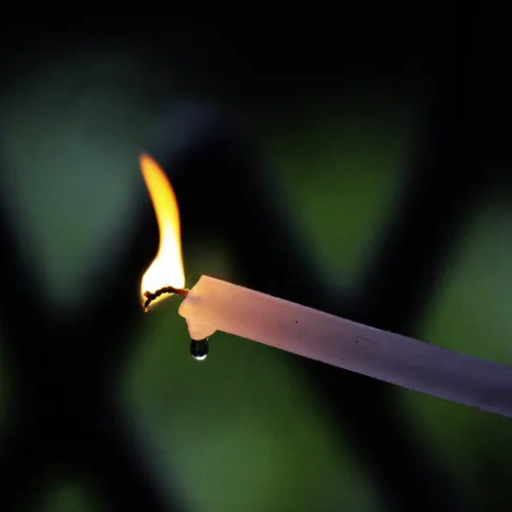
A wax melting point means the temperature at which a solid wax is converted into a liquid. This property varies by wax type; for instance, beeswax, soy wax, and paraffin wax all have different melting point ranges. Understanding these melting points and how they affect processes such as candle-making, sealing, or crafting is important because wax may behave differently. This is because, for instance, waxes with a higher melting point work well for more robust creations, whereas those with a low melting point produce fine coats and are more pliable. Using a wax heated to the proper melting point ensures productivity for a given project.
Definition of Wax and Melting Point
Organic compounds that incorporate wax into their structure are flexible at ambient temperatures. Waxes are a unique group of substances because they usually consist of long-chain hydrocarbons, alcohols, or esters, making them suitable for a wide range of applications. Examples of naturally occurring waxes include beeswax and plant waxes. In contrast, synthetically produced waxes include paraffin and microcrystalline waxes, each with different uses across industries such as cosmetics, manufacturing, and art.
The wax melting point is the temperature at which it changes state from solid to liquid. It is a very significant property in the analysis of the variation of composite materials such as wax. For example, the wax melting point of beeswax is about 144–149°F (62–65°C) while paraffin wax melts at 99–130°F (37–54°C). This critical property, therefore, determines a wax’s behavior towards heat and its suitability for applications, such as forming a smooth candle or a coating layer.
Importance of Understanding Wax Melting Points
Understanding wax’s melting points is vital for proper use in applications, including industrial ones. For people engaged in making candles, the choice of wax is an essential aspect in terms of flame length, aroma and substance strength. The same criterion applies to cosmetics; certain waxes with defined melting points are essential for lip balms and creams. Surfaces and contents need a special-quality wax that can withstand a specific temperature to limit structural changes during coating or packaging. In conclusion, wax melting point and temperature are very important factors for success which is why this information is necessary to avoid any problems caused by the wrong choice of wax for the intended application.
Overview of Common Wax Types
Different types of wax are available and therefore serve various purposes. These types include:
- Paraffin Wax – This petroleum-based wax has many uses. It is smooth due to its high wax melting point and is therefore found in most candles, cosmetics, and packaging materials.
- Beeswax – Soft and elastic, this is a natural wax produced by bees. It is mainly used in skin care products, attractive candles as well as art projects.
- Soy Wax – Paraffin offers plant- and animal-friendly soy wax as an alternative. It is essentially made from soybean oil and is popularly used in the production of candles because of the more economical way of making it as well as being environmentally friendly.
- Carnauba Wax – This hard plant wax is extracted from the leaves of the carnauba palm. It is utilized in polishes, cosmetics and even in food-grade coatings thanks to its high shine and durability.
- Candelilla Wax – This type of wax is made from the leaves of the candelilla shrub and is plant-based. Vegans especially find this an excellent substitute for beeswax in cosmetics and personal care products.
Understanding the characteristics of the mentioned waxes allows you to select the one that best fits your needs.
Types of Wax and Their Melting Points
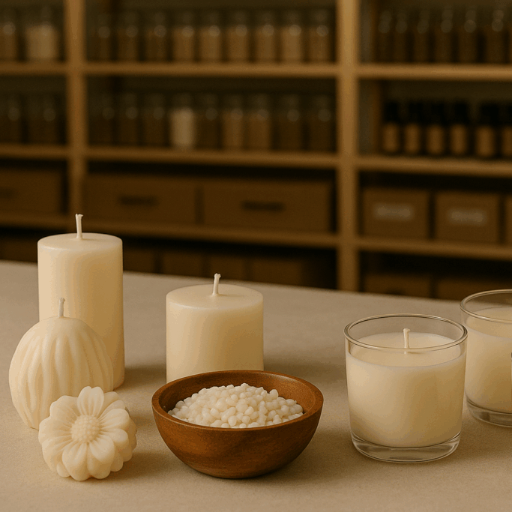
There are various types of waxes, including paraffin wax, beeswax, soy wax, carnauba wax, and candelilla wax, each with unique melting points and applications.
Paraffin Wax: Characteristics and Melting Point
Paraffin wax is an oil distillation product or synthetic wax of white color and no smell. It consists of saturated hydrocarbons and has a soft consistency and low chemical activity. This non-reactive material boasts a low wax melting point, making it moldable for various purposes. Its primary use is making candles because it produces little smoke and low soot. It is also used in goods such as those that involve packaging, cosmetics and lubricants. What’s more, paraffin wax is also utilized to cover and seal the openings of items such that moisture is kept out or the product is kept dry. It is cheap and readily available, making it a very popular wax worldwide.
Candle Wax: Composition and Melting Temperature
Common types of candle wax include paraffin, soy, beeswax, and palm wax. Each candle wax has specific characteristics that affect its burning behavior, durability, and even its environmental impact. Paraffin is a petroleum-based wax that is inexpensive and therefore readily available. Depending on the type of paraffin, the melting point range could be from 115°F to 154°F. Soy wax, a natural wax made of soybean oil, has a melting point of 120°F to 180°F thus giving a sustainable and biodegradable solution. Beeswax has a melting point typically between 144°F and 147°F. Palm wax presents a more flexible range of 104°F to 140°F, and serves many purposes, such as forming candles with patterns or crystals.
The choice of wax influences not only the candle’s performance but also its environmental impact, with natural waxes like soy and beeswax being more eco-friendly. Different wax melting points can affect how these waxes behave in candle making, including when they’re poured, how much fragrance they hold, and how quickly they set.
Carnauba Wax: Properties and Melting Point Analysis
Carnauba wax, known as the “Queen of Waxes,” is obtained from the leaves of the carnauba palm, native to Brazil. It is a natural, plant-derived wax known for its high hardness and melting point, which is typically between 180°F and 187°F (82°C and 86°C). Therefore, this is one of the most rigid and most durable waxes. Carnauba wax is a lustrous, water-repellent wax widely used for applications such as car polish, makeup, food coatings, and even industrial purposes.
Its elevated melting point gives it good heat resistance and stability, making it ideal for products that must withstand extreme conditions. Furthermore, carnauba wax is considered eco-friendly because it poses no health risks and is renewable.
Factors Affecting Wax Melting Points

Key Factors to Consider:
- Chemical Composition – The melting point of wax depends on the types of hydrocarbons and structure of high molecular weight hydrocarbons in its composition.
- Purity – Melting point lowers when there are impurities, because these reduce the regularity of the crystal structure providing different heat distribution.
- Blend of Waxes – The melting point can be adjusted by blending different varieties of waxes. This is explained by each component’s contribution to the composite’s overall structural integrity.
- Oil Content – The lubrication and softening actions of oils on wax suggest that waxes with higher oil content have lower melting points.
- Crystal Structure – Wax melting point is dependent upon the arrangement of the molecules in the solid form because each form will require different energy level (heat) to break apart.
Chemical Composition and Its Impact
The chemical elements present in wax determine its physical and thermal properties such as melting point, hardness, and flexibility. Natural waxes such as beeswax and carnauba contain long-chain fatty acids and alcohols, which make them more rigid and have higher melting points. In terms of synthetic waxes, they are generally designed with specific molecular structures so as to possess certain characteristics like having a low melting point or being easily pliable to a greater extent. Also, other structural components like oils, resins etc. can be added to the mix to change the characteristics even more for specific purposes. This is necessary if you want to pick the right wax for a particular use so that it is effective in those environments.
Environmental Conditions: Temperature and Humidity
External conditions, such as temperature and humidity, can also significantly affect the wax’s melting point. Temperature directly influences the time required for an element, such as wax, to change state from solid to liquid. For example, some waxes may have a relatively low melting point and, as a result, may become soft or even melt during hot weather or summer, which may adversely affect their performance. On the other hand, low temperatures may prolong the wax’s time in the solid phase, which can be advantageous for specific purposes.
Although less apparent, humidity can also affect wax’s behavior. High humidity may affect certain additives in wax formulations, sometimes altering their consistency or causing unwanted changes. For example, emulsifiers may absorb moisture, altering their texture or performance. Choosing a specific wax melting point suitable for the working temperature guarantees that the product shall stay intact, regardless of its purpose – industrial, candles or polishing. This demonstrates how environmental conditions are very crucial to the functioning of waxes.
Influence of Additives on Melting Point
Additives can alter the wax melting point by either increasing or decreasing it, depending on the trait of the ingredient they are introduced to. Hardening components increases the melting point of waxes, making them more complicated and more heat-resistant. At the same time, plasticizers lower the substance’s melting point, making it more pliable and easier to work with. Choosing an additive should ensure it does not negatively affect performance under the intended conditions.
Practical Applications of Wax Melting Points

The melting point of wax has significant effects on several industries, including the manufacturing of candles, cosmetic products and even manufacturing plants. In candle production this melting point is very crucial because it determines the blending of ingredients that burn correctly and do not lose their shape. In the same way, in a beauty product such as a lip balm or lotion, the melting point determines whether the product melts when applied, so it stays intact without flowing away. In the manufacturing sector, waxes are used for a range of purposes, including protective films, adhesives, and lubricants. These purposes are achieved by using waxes with different melting points. Understanding the wax melting point helps ensure effective use of wax and allows it to reach its full potential.
Wax Melting in Candle Making: Techniques and Tips
💡 Expert Tips for Safe Wax Melting:
To successfully execute a project involving the wax melting point, it’s vital to make it a habit to know and use the most appropriate procedure. The double-boiler method is the safest approach. In this case, the heatproof container holding the wax is placed in a pot of water brought to a simmer. The wax is kept from direct overheating and smoking on the stovetop.
For best results:
- Maintain a temperature of 160-180°F (71-82°C) as beyond that fumes are produced or the wax loses its quality
- Use a kitchen thermometer to check the temperature of the wax precisely
- Keep any open flame away from the melting wax
- Ensure that the working area is adequately ventilated
Adhering to these measures is expected not only to improve the aesthetics of the finished candles but also to enhance general safety and pleasure when making them.
Industrial Uses of Wax: From Packaging to Cosmetics
In many industries, wax is widely used and has many applications. In packaging, wax is used in laminating and coating papers and boards, providing a moisture-resistant, durable surface for items such as food wrappings and transport cartons. In the beauty industry, wax is an essential functional ingredient in cosmetic formulations such as balms, creams, and lotions, where it provides body, holds oils, and prevents dryness. These sectors require properties in wax that make it non-toxic and have a suitable melting point – these and other properties justify its widespread application.
Choosing the Right Wax for Specific Applications
Choosing a suitable wax depends on the intended application. For example, the widespread use of paraffin wax in candles and packaging is mainly because it is inexpensive and versatile. Beeswax, being a natural wax, is more appropriate for products such as cosmetics, skin products, and food coatings, which are expected to be green or safe. Soy wax is a clean-burning and biodegradable source for candle making. Factors such as wax melting point, strength as well as the ability to combine with various other materials must also be considered to achieve the best application results.
Advanced Considerations in Wax Melting
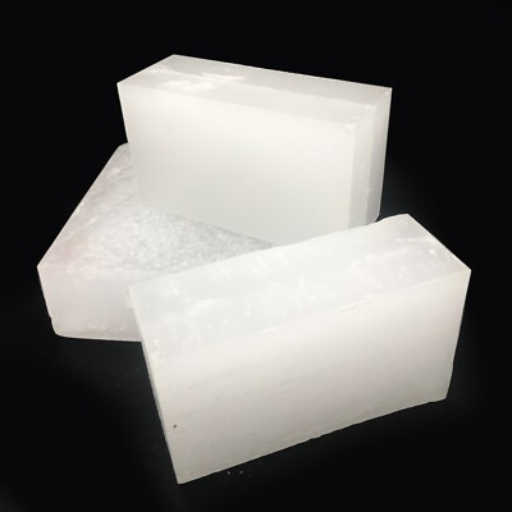
When it comes to advanced wax melting point procedures, attention should be paid to temperature levels to avoid any increase that could alter the wax’s chemical formulation and affect its efficiency. Among other methods, tools such as a thermometer can be used to maintain the intended melting temperatures of all waxes being used. Further, mix the additives and/or fragrances well to ensure they are evenly distributed. The cooling process also needs to be highlighted, as controlled cooling can affect the final texture and purpose of the wax product. The use of suitable apparatus and precautionary measures in a safe environment enhances the melting process and its effects.
Blended Waxes: Benefits and Melting Point Behavior
Using blended waxes offers several advantages because they can be modified. By intermixing various wax types, manufacturers can produce products with specific wax melting points, hardness, or texture, for example, candles, beauty products, or even industrial applications. Blended waxes have a lot to offer; a clear benefit being superior performance in use. For example, they have greater stability, do not crack very easily hence ensuring delivery of comparable results in different settings.
The melting point behavior of waxes when mixed is worth noting, as it helps users gauge the appropriateness of the wax in various settings. Depending on the wax blend used, the wax melting point can be adjusted to the desired level, making it easier to manufacture products sensitive to specific temperatures. As an illustration, lower melting point waxes are appropriate for lotions or creams that must melt on the human body’s surface, while higher temperature melting point systems present possibilities for more lasting solutions such as industrial coatings. The availability of such diverse formulations, coupled with fine mixing, explains the increase in blended waxes.
Microcrystalline vs. Paraffin Waxes: A Melting Point Perspective
Comparison Summary:
Microcrystalline Waxes: Have a higher melting point than paraffin because of their smaller crystal size and greater oil content. The lower degree of order within the structure makes them flexible and helpful in cosmetics, packaging and rubber production.
Paraffin Waxes: Have lower melting points, commonly in the range of 115°F to 154°F (46°C to 68°C). This property makes it more suitable for applications like candle making, paper coating, or food coating, where soft surface and smooth application are useful.
The selection of the wax is often determined by the desired level of strength, wax melting point and functional properties of the end product, indicating how critical the roles of these materials are both in industrial settings and on the consumer side.
Future Trends in Wax Technology and Melting Points
A key area for improving wax technology is to seek more environmentally friendly, less polluting materials. This means that moving away from petroleum-derived waxes is a priority, with plant-based waxes and biodegradable waxes now under study as performance-enhancing alternatives for the environment. Improving the precision of the wax melting point is also an area attracting attention for innovation, especially as demand in this regard is rising across several industries, including the cosmetic and packaging sectors. Another primary concern is maintaining the products’ effectiveness across different temperature ranges, which is why manufacturers aim to make them more stable and functional across a broader range of temperatures. The recycling and upcycling of wax materials have become a particular concern in relation to worldwide sustainable development goals. All these recent developments exemplify the industry’s commitment to change and sustainability principles.
Frequently Asked Questions (FAQs)
Does soy wax have a melting point that varies from that of paraffin?
Generally, soy wax melts at a lower temperature than paraffin wax, which usually falls between 120 and 130 degrees Fahrenheit. With this combination of wax melting point and temperature, soy wax can be utilized by all those in the environmentally conscious group whose burns are cleaner and have a decent scent throw. These considerations, along with its melting point and fragrance retention, make soy wax a favorite among candle makers.
Why is the melting point chart of different wax types significant?
The melting point chart is vital to candle makers, as it shows the melting temperatures of various wax types, including paraffin, soy, beeswax, and carnauba. Upon consulting the melting point chart, appropriate pouring temperatures can be determined to avoid issues such as the wax not fully melting or improper sealing of the scent.
What pouring temperature should candle wax be poured at?
Depending on the type, waxes have different recommended pouring temperatures. Soy wax, for instance, should preferably be poured at 130 to 140 degrees with paraffin wax perhaps a bit higher. Using the proper temperature ensures that it bonds to the wick and forms a smooth finish.
What are the advantages of beeswax when used in candles?
Beeswax has a comparatively high melting point, usually between 144 and 147 degrees Fahrenheit, which causes it to burn slowly and ensures the resulting candles last longer. Beeswax also burns and releases negatively charged ions, helping to cleanse the air. The natural honey aroma only adds to the allure of beeswax candles.
What is the melting point of candle wax in Celsius?
Candle wax can have a wide range of melting points, depending on the wax used. Paraffin wax has a melting point of approximately 50 to 65 degrees Celsius, whereas soy wax melts at about 50 to 55 degrees Celsius. This view of melting points in Celsius would enable the candle maker to monitor their processes with far greater accuracy.
Conclusion
Understanding wax melting points is essential for anyone working with wax in various applications, from candle making to cosmetics and industrial uses. Each type of wax—whether paraffin, beeswax, soy, carnauba, or candelilla—has unique melting point characteristics that determine its suitability for specific purposes. By considering factors such as chemical composition, environmental conditions, and additives, you can select the ideal wax for your project and ensure optimal performance. As wax technology continues to evolve with a focus on sustainability and environmental responsibility, staying informed about melting points and their practical implications will empower you to make better decisions and achieve superior results in all your wax-related endeavors.
Reference Sources
-
Comparison of Melting Point Methods for Wax – Published by the American Chemical Society, this study compares methods for determining wax melting points.
-
Advanced Correlations for Predicting Wax Precipitation in Crude Oil – This research explores the fusion properties and melting points of waxes, particularly in crude oil.
-
Petroleum Waxes – A detailed study on the properties and melting points of petroleum and synthetic waxes, published in an ASTM eBook.


