


Polypropylene sheeting is a highly versatile medium and is widely used in several industries-from construction to packaging. Yet, with multiple options such as HDPE, LLDPE, and LDPE available, deciding which one fits a certain need could be quite a task. Each type offers different properties, strengths, and applications; hence, one has to know how they stand against each other for reference. In this article, we shall review major characteristics of HDPE, LLDPE, and LDPE, their primary uses, and considerations that will assist you in making a better choice. Whether you are running a construction project, landscaping work, or need a package that holds up, this all-in-one guide will help choose the right polyethylene for you.
What is HDPE and Its Uses?

HDPE, or High-Density Polyethylene, is a very sturdy plastic with high strength-to-density ratio. Because of that, it finds applications in piping systems, plastic bottles, geomembranes, and cutting boards. Its rigidity makes HDPE vastly exceptional for industrial and household operations, as it possesses resistance to impact, to chemicals, and to higher temperatures. HDPE is also recyclable, thus giving an eco-friendly choice to many people who work with this material.
Characteristics and Applications of High-Density Polyethylene
The Polymers of High-Density Polyethylene (HDPE) have been regarded as one of those plastics considered highly versatile in industrial and domestic applications due to their attractive physical and chemical properties. The HDPE is tougher in terms of strength-to-density rate; it is chemically inert to most chemicals and maintains its durability under extreme environmental conditions. The typical densities, which normally range from 0.93 to 0.97 g/cm³, are low enough to give the structure the maximum integrity. It can work for 120°C under short-term exposure and stands still against many solvents, acids, and alkalies. Hence, these characteristics have made it applicable in various uses.
HDPE is known for its strength and durability properties, whereas its use and service life strongly depend on conditions applied-a pair of polyethylene pipes for water and gas distribution systems can last well over fifty years, under appropriate conditions. Furthermore, resistance to medium cracking under ambiant temperatures, UV degradation for outdoor applications also confers reliability.
The applications span diverse industries for HDPE. It is used in:
- Packaging: Used in sealing liquids and chemicals safely without leakage or degradation in quality: HDPE is better. It includes milk cartons, detergent bottles, and grocery bags.
- Construction: HDPE geomembrane is best for lining landfills, mining, and pond containment, resisting the best from environmental attacks.
- Healthcare: These medical-grade containers and sheets made of HDPE assure high sanitation and safety standards.
- Consumer Goods: Cutting boards, bins, and toys, among others, are commonly made from HDPE due to the strength and ease of maintenance offered.
According to market reports, the worldwide HDPE demand was almost valued at USD 70 billion in 2021, with a project CAGR of 6% from 2022 to 2030. The growth is on the account of a rising number of sustainable product developments through the use of HDPE, as it can be recycled.
A unique combination of HDPE in strength and flexibility has mainly made it useful across many industries, and the world of processing technology is growing to widen its applications into newer eco-friendly applications.
HDPE vs Other Polyethylene Types: Key Differences
HDPE differs from other polyethylene types mainly in density, strength, flexibility, temperature resistance, and typical applications.
| Parameter | HDPE | LDPE | LLDPE | UHMWPE |
|---|---|---|---|---|
| Density | High | Low | Medium | Ultra High |
| Strength | High | Low | Medium | Extremely High |
| Flexibility | Low | High | High | Low |
| Temp Resist | High | Low | Medium | High |
| Applications | Pipes, Containers | Bags, Wraps | Stretch Films | Gears, Bearings |
HDPE Recycling Programs
HDPE recycling programs exist to cut down on environmental waste and promote the circular economy. Generally speaking, the wide range of use combined with being very durable has made HDPE one of the most recycled plastics worldwide. Some of the recycled HDPE goes into making pipes, plastic lumber, and bottles for laundry detergent and food containers.
This 2022 report by the Association of Plastic Recyclers showed a recycling rate of about 31% for HDPE plastic bottles in the US, which is still increasing year after year. New sorting and cleaning technologies have been developed to enhance the HDPE recycling process such that the resin can keep its top properties even after several recycling cycles.
Many localities encourage the recycling of HDPE products through curbside collection programs where recycling workers could identify such items by the #2 plastic code indicated on them. Industry partners such as The Recycling Partnership and Closed Loop Partners continue to strive in expanding HDPE recovery infrastructure to cope with the increasing demand for recycled materials. Countries like Germany and Japan are leading in the global ranking with over 40% HDPE recycling rates due to strict waste management laws and intensive public awareness campaigns.
There are still challenges. For instance, contamination of HDPE with residues from food or by mixing with other plastics which cannot be recycled worsens recycling efficiency. Public education and responsible consumer behavior are important to overcoming these challenges and enabling a successful HDPE recycling program. Collaboration between industries and communities is key to sustainability as well as reduction of the environmental impact by plastic wastes.
Delving into LLDPE: What Sets It Apart?

Flexibility and strength mainly differentiate LLDPE from HDPE. With a unique molecular structure, it is considered to be more flexible and impact-resistant, ideal for stretch films and containers. HDPE is harder and used for rigid products, whereas LLDPE is used where a product demands flexibility and toughness. Polymerization methods and applications determine which product is most suitable for a given use.
Linear Low-Density Polyethylene: Properties and Applications
Linear Low-Density Polyethylene has a peculiar combination of properties that allow it to be applied in several ways. Its properties have an effect on flexibility, impact resistance, and toughness, since the shorter branches in the polymer chains allow molecules to pack more closely. Because of their high stretchability and tensile strength, LLDPEs are mainly used to produce stretch wrap films, agriculture films, and flexible tubing.
Besides these, LLDPE resists punctures and tears impressively, hence good for packaging applications requiring enhanced durability. They are also good performers in extreme-temperature application environments, increasing their applications in industrial fields. Having the right balance of strength and versatility, manufacturers try to go for LLDPE in search of competencies in a variety of fields.
The Role of Short Branches in LLDPE
Short-chain branching in Linear Low-Density Polyethylene (LLDPE) marks the major differences among other molecular structures of surface polymers. Short branches entered during polymerization evolve mainly through co-polymerization of ethylene with alpha-olefins (such as butene, hexene, and octene). Level and distribution of branching have an excellent influence on the crystallinity, density, and mechanical properties of LLDPE, making it rather unique among polyethylenes.
Shorter branching in the crystalline region of the polymer, reducing its density and hence becomes more flexible than high-density polyethylene (HDPE). Such flexibility supports its use when elongation and impact strength need to be enhanced, such as stretch wrap films and food packaging. Recently published technical data attribute the low crystallinity resulting from short branching to the ability of LLDPE to undergo elongation ranging from 600%-800% without fracturing under tensile stress; this is of paramount importance for stretch film and high-performance tubing applications.
Moreover, the density of LLDPE varies from 0.915 to 0.930 g/cm³, which mainly depends on the alpha-olefins’ type and percentage introduced. For example, those copolymers having higher content of comonomer (e.g., octene) will display higher toughness and puncture resistance, two properties directly linked to the branching architecture. In addition to those findings, recent developments have allowed producers to manipulate the lengths and distributions of branches further to optimize the performance of LLDPE for specific technical requirements.
Eventually, the role of short branches in LLDPE can never be overemphasized. Their influence on the perfect balance between strength, flexibility, and durability keeps this material prominent in numerous industries, such as packaging, agriculture, and construction. Understanding these structural nuances and utilizing them thus enable manufacturers to make satisfy ever-changing performance demands in an efficient manner.
LLDPE vs LDPE: Comparing Applications
LLDPE is widely used for stretch film, food packaging, and agricultural films, while LDPE is suited for squeezable bottles, retail bags, and container lids.
| Parameter | LLDPE | LDPE |
|---|---|---|
| Flexibility | High | Moderate |
| Strength | Higher | Lower |
| Density | Low | Lower |
| Applications | Films | Bottles |
| Cost | Lower | Slightly higher |
| Processing | Easier to process | Less processable |
| Durability | Higher | Lower |
| Clarity | Moderate | High |
Understanding Low-Density Polyethylene: A More Detailed Analysis
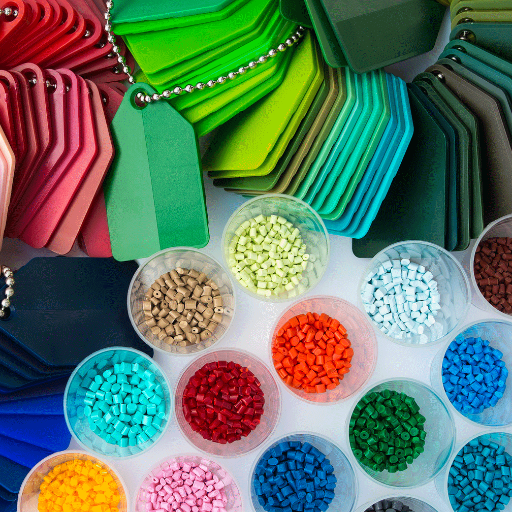
(Low-Density Polyethylene)LDPE is a versatile thermoplastic and is highly capable in terms of clarity, flexibility, and ease of processing. These attributes combine to aid in the making of application items such as squeezable bottles, retail packaging, and container lids. With its lightweight and sturdy nature, LDPE tends to be slightly more expensive compared to LLDPE but is usually chosen for enhanced clarity needed by transparent products. With less durability and strength when compared to LLDPE, LDPE suits items that require softness and pliability as opposed to strength.
Properties of Low-Density Polyethylene (LDPE)
Low-Density Polyethylene (LDPE) is an interesting thermoplastic polymer with an unusual combination of properties. Among these, it has strong flexibility to cater to applications that require pliability. LDPE has low weight and density, which has led to its widespread use in different products like plastic bags, film wraps, and other packaging materials. Moreover, it is impermeable to moisture and resistant to chemical attack, thus increasing its versatility. Below, we will analyze other properties; yet, it may be important to mention that LDPE ranks third in tensile strength and durability after other polyethylenes such as LLDPE. Notwithstanding, for certain industries, the softness and processability of LDPE are a strong advantage.
Uses of LDPE in Common Products
Low-Density Polyethylene finds applications in the making of most permeable items of day-to-day use due to its flexibility and durability and resistance to moisture. Many of the other uses of LDPE include making plastic bags-used in particular as grocery and reusable shopping bags, which almost account for 40% of world LDPE consumption. LDPE finds its application in cling film and shrink wrapper for packaging of foods, protecting against moisture and jointed products during storage and shipment.
The other major uses are agricultural films, including greenhouse covers and mulch films, where LDPE provides excellent UV-resistance and durability. Presently, around 20% of LDPE is utilized in agricultural and industrial film applications. And squeeze bottles—those for condiments, especially—depend heavily on LDPE for its lightweight and squeezable properties.
Another big application in construction is cable insulation, tubing, and protective sheathing for wires of various kinds, all of which require a degree of common sense and insulation properties. Thus, the polymer finds its way into the making of toys, containers, and household products. Hence, LDPE continues to be important in several industries.
Industrial processing techniques available at LDPE level and subsequent recycling practices produce highest demands in major industries to allow it to contribute to modern convenience sustainably, if well handled.
Recycling and Environmental Impact of LDPE
Being highly durable, versatile, and lightweight describes the Low-density Polyethylene (LDPE). However, burning issues of environmental impact confront it. The LDPE recycling rate remains pretty low worldwide because it is difficult to recycle or process thin plastic films such as grocery bags and packaging wraps. LDPE recycling rates globally have been found to be less than 20%, with the record for some countries coming up even lower than that.
The improper disposal of LDPE causes plastic pollution in landfill and marine environments because it is non-biodegradable. It is capable of taking hundreds of years for its breakdown, during which period microplastics and possibly harmful chemicals get released into ecosystems. Each year, approximately 8 million metric tons of pollution are poured into oceans, where plastic waste forms the major share.
However, with the advancement in recycling technology and increasing awareness about plastic pollution, a number of efforts have been induced to develop recycling processes for LDPE. There’s mechanical recycling, whereby LDPE gets shredded and melted into new products; chemical recycling takes it a step further, breaking the polymers down to their constituent chemicals; and with efficiency improvements being sought on all fronts. Some nations are even trying out extended producer responsibility (EPR) schemes, in which makers are rewarded for making products that are easier to recycle and for their contribution to handling wastes.
In conjunction with this kind of legislation are initiatives that discount single-use LDPE items, such as plastic bag bans or taxes, thereby effective in reducing consumption of these items as well as encouraging alternatives. For instance, the EU’s directive for single-use plastics aims for severe reductions, whilst cities like San Francisco claim to have witnessed reductions as large as 80% in plastic bag litter post-ban.
While LDPE remains an integral material for many industries, the sustainability of its use and recycling calls for a concerted attack on technological, governmental, and societal fronts, if it is to retain its relevance to the global society.
Polyethylene Types: Difference in Physical and Chemical Properties

Polyethylene (PE) has several types based on their density and branching, which influence its physical and chemical properties. Low-Density Polyethylene (LDPE) is flexible, lightweight, and has low tensile strength, so it is generally useful for films and packaging. High-Density Polyethylene (HDPE), by comparison, is tougher, more stiff, and more resistant to impact; it is mainly used for bottles and containers. Linear Low-Density Polyethylene (LLDPE) is flexible and strong with increased puncture resistance for stretch wraps. Ultra-High-Molecular-Weight Polyethylene (UHMWPE) shows unparalleled toughness with low friction and abrasion resistance, hence its application in medical implants and industrial machinery. The differences are caused due to variations in molecular weights, branching structure, and density; thus, the different forms of polyethylene find varied applications.
Density and Molecular Weight of Polyethylene Variants
Density and molecular weight of polyethylene (PE) play important roles in determining the characteristic and use of the material. High-density polyethylene (HDPE) has a density generally lying between 0.941 and 0.965 g/cm³. That higher density results from its linear structure with hardly any branching, resulting in tighter molecular packing. The molecular weight of HDPE varies widely depending on production, from about 50,000 to 250,000 g/mol, imparting high strength and rigidity to the polymer.
By contrast, low-density polyethylene has more branching of its molecular chains and hence has a density between 0.915 and 0.930 g/cm³. Such branching conferred a low capability to pack the chains, making LDPE soft and flexible. The molecular weight of LDPE is generally lower than that of HDPE and is approximately 20,000-50,000 g/mol. Consequently, LDPE is suited for making plastic film and sealable packaging that require some flexibility and transparency.
Density differences also imply differences in melting temperature, with HDPE melting somewhere between 130°C and 135°C, whereas LDPE melts at lower temperatures, roughly 105°C to 115°C. An understanding of such differences would allow us to determine the appropriate polyethylene variant depending on the end-use industry’s and consumer’s need.
Comparing Tensile Strength and Puncture Resistance
Important properties to compare when contrasting HDPE (High-Density Polyethylene) and LDPE (Low-Density Polyethylene) are tensile strength and puncture resistance. “Tensile strength” indicates the maximum amount of stress that a material can withstand while being stretched, whereas “puncture resistance” measures the ability of the material to resist piercing under pressure.
HDPE tends to exhibit a greater tensile strength than that of LDPE due to a higher density and much crystalline structure of the polymer. On average, HDPE has tensile strengths ranging between about 21 MPa and 37 MPa, bestowed with massive strength for use in making plastic bottles, pipes, and construction materials. LDPE tensile strength was lower; from approximately 6 MPa to 17 MPa, it was suited for the flexible purposes that require usage of thin materials such as plastic bags or stretch films.
Puncture resistance unheard of for LDPE is actually largely dictated by its flexibility and elasticity, which means it deforms on impact without suffering tears. This quality makes it suitable for food packaging applications where flexibility and puncture resistance are paramount. On the other hand, HDPE also boasts puncture resistance, especially in thick forms, which is perfectly in line with its use in industrial-grade containers and geomembranes.
Both materials are extremely versatile, the choice of one over the other chiefly being a matter of balance between strength and flexibility and the nature of the specific-use application itself.
Heat and UV Resistance Among Polyethylene Types
When discussing heat and UV resistance among polyethylene types, I would mention how LDPE and HDPE have their own set of capabilities and limitations. HDPE is more heat-resistant than LDPE and thus is appropriately selected for applications that demand operation at high temperatures. Since neither material possessed UV resistance in its natural form, both should have been given some form of stabilization or blocking capability for UV rays to enhance their resistance. This gives them a good shelf life and durability when exposed to long daylight.
The Difference Between HDPE, LLDPE, and LDPE in Practical Applications

In the Practical Application Spheres, HDPE, LLDPE, and LDPE Occlude in Their Differences of Strength, Yield, and Application. HDPE, being the strongest and most rigid, is used to manufacture products like milk jugs, pipes, and outdoor furniture. LDPE, softer and more flexible, finds applications in plastic bags and squeeze bottles. LLDPE inhabits the middle ground between strength and flexibility suitable for stretch wraps and industrial films. Therefore, the deciding factor in using these materials will depend on the requirement for the particular application; durability, flexibility, or even temperature resistance.
Choosing the Right Type of Polyethylene for Your Project
Choose the right kind of polyethylene depending on what your project requires:
- For rigidity and consideration to durability, choose HDPE, which is suitable for products like pipes, milk jugs, and outdoor furniture.
- For flexibility and softness, choose LDPE, which is the common material for plastic bags and squeeze bottles.
- To compromise between strength and flexibility, go for LLDPE, ideal for stretch wraps and industrial films.
Use this as a guide to match your choice based on factors like durability, flexibility, or even temperature resistance for optimal performance.
Cost and Availability of Polyethylene Plastics
Since different price levels are set for the different types of polyethylene plastics, demand, and location are taken into account. Recent price data for HDPE range between US $1,200 to US $1,800 per metric ton. The price changes according to the properties of strength and applications. LDPE plastics are softer and more flexible and are marketed for somewhat lower prices; that is, somewhere in the range of US $1,100 to US $1,600 per metric ton. LLDPE plastics offer moderate pricing, very close to that of LDPE, depending on the grade specifications and kind of supplier.
Availability becomes a big consideration when procuring polyethylene. Global production concentrated in areas like North America, Asia-Pacific, and the Middle East, with China, the United States, and Saudi Arabia as key players for manufacturing. Such widespread production puts gunaīi cop birely steady supply array, yet logistically problems or shifts in raw material prices, like the price of crude oil or natural gas, can riply dent supply chains.
Make good use of the worthy data on recent polyethylene market trends when planning procurement. For instance, the rising demand for sustainable packaging and recyclable materials is raising the price of polyethylene and shaping the future development of bio-based alternatives. Staying abreast of global supply and pricing trends will put you in the best position to make timely and cost-saving choices.
Environmental Considerations in Plastics Selection
Sustainability is now an important factor in the selection and use of plastics, particularly as industries find themselves under increasing bouts of environmental scrutiny. Recent data shows that almost 300 million tons of plastic are produced every year around the world, but only about 9 percent of this is recycled, cites UNEP in its studies. This low rate of recycling has firmly scaled the demand up for alternatives and innovations in how plastics are produced, including bio-based plastics, which are plastics derived from renewable resources such as corn starch or sugarcane.
When evaluating plastics, carbon footprints shall be another important factor to consider. Fossil fuel-based plastics occupy lots of energy to produce and contribute lots of greenhouse gas emissions. On the contrary, bio-based plastics lessen emissions up to 60 percent as compared to their petroleum-based counterparts, explained in research recently conducted by the European Bioplastics Association. But then inevitably, these alternatives pose their own problems of relatively-high cost and limited infrastructure for industrial composting.
The industry has been shifting towards the promotion of closed-loop systems, where post-consumer plastics are collected, recycled, and reused in an efficient manner. For an example, demand for recycled polyethylene terephthalate (rPET), which is one of the most widely used plastics in beverage bottles, surged ever since 2020 by over 30 percent, fueled by regulatory mandates and corporate sustainability targets.
Given this situation, the performance, cost, and environmental impact of plastics must be factored into a business’s evaluation. The use of recyclable, recycled, or bio-based materials potentially supports procurement practices aligned with sustainability goals while still answering the call for environmentally conscious products.
Reference sources
- Comparative Study on the Degradation of HDPE, LLDPE, and LDPE During Multiple Extrusions
- Authors: Alexander Felgel-Farnholz et al.
- Journal: Polymer Degradation and Stability
- Publication Date: July 1, 2023
- Citation Token: (Felgel-Farnholz et al., 2023)
Summary:
This study investigates how repeated extrusion processes affect the degradation of HDPE, LLDPE, and LDPE. The authors focus on the mechanical properties and molecular weight changes of these polymers after multiple processing cycles.
Methodology:
- The research involved conducting multiple extrusion cycles on samples of HDPE, LLDPE, and LDPE.
- Mechanical properties were evaluated through tensile testing, while molecular weight changes were analyzed using gel permeation chromatography (GPC).
- The findings indicated that HDPE showed greater stability compared to LLDPE and LDPE during repeated processing.
- Effect of HDPE on Mechanical and Physical Properties of LLDPE/LDPE Blown Films
- Author: Piya Sawasdi
- Publication Date: August 4, 2021
- Citation Token: (Sawasdi, n.d.)
Summary:
This paper examines the impact of varying HDPE content on the mechanical and physical properties of blown films made from LLDPE and LDPE. The study finds that the addition of HDPE enhances certain mechanical properties while affecting clarity.
Methodology:
- Blown films were produced with a fixed LDPE content (15% by weight) and varying HDPE content (5% to 30% by weight).
- Mechanical properties such as Young’s modulus, tensile strength, and impact resistance were measured.
- Physical properties, including haze and gloss, were characterized.
- The optimal HDPE content for achieving the best mechanical and physical properties was determined to be 15%.
- A Step to Microplastic Formation: Microcracking and Associated Surface Transformations of Recycled LDPE, LLDPE, HDPE, and PP Plastics Exposed to UV Radiation
- Authors: Edgars Kuka et al.
- Journal: Polymer Degradation and Stability
- Publication Date: November 1, 2024
- Citation Token: (Kuka et al., 2024)
Summary:
This study explores the effects of UV radiation on the microstructural integrity of recycled LDPE, LLDPE, HDPE, and polypropylene (PP), focusing on the formation of microplastics.
Methodology:
- Samples of the different polymers were exposed to UV radiation to analyze microcracking and surface transformations.
- Techniques such as scanning electron microscopy (SEM) were employed to observe surface changes and quantify microplastic formation.
- The study highlights the potential for microplastic generation from recycled plastics under UV exposure.
Frequently Asked Questions (FAQs)
Q: What are the main differences between HDPE, LLDPE, and LDPE?
A: There are differences in density polyethylene and molecular structure. HDPE is the high-density polyethylene that has a linear structure and, therefore, is more rigid and strong. LLDPE has a linear structure but with short branches, making it more flexible. LDPE is created by free radical polymerization; it has a very much branched structure with low resistance to softening and flexibility.
Q: Which one has better tensile strength and resistance: HDPE or LDPE?
A: HDPE has higher tensile strength and resistance than LDPE. This tensile strength results from the linear nature of HDPE, whereas the branched nature of LDPE gives it low tensile strength and resistance.
Q: What are the characteristics and uses of HDPE?
A: HDPE is known for its high density with higher tensile strength and resistance. Thus, it finds its use in the manufacture of items where toughness is desired, such as plastic bottles, corrosion-resistant pipes, and plastic lumber. Its distinct properties make it suitable for stress applications.
Q: Where does LLDPE have preference over HDPE?
A: LLDPE is sought after in applications for impact resistance and flexibility, for example, plastic wraps, stretch films, and packaging materials. Since it is a linear structure with short branches, it offers more flexibility than in HDPE.
Q: What significance does the polymerization of ethylene impart to the production of these materials?
A: The polymerization of ethylene is of utmost importance in producing and determining the structure and properties of HDPE, LLDPE, and LDPE. Different methods of polymerization, such as free radical polymerization seen in the case of LDPE, impart variations in the molecular structure; thus influencing the density, strength, and flexibility of the material.
Q: What happens due to temperature changes in the behavior of HDPE and LDPE?
A: HDPE can keep its rigidity for temperatures about 120 degrees Celsius or higher. It is in such cases where HDPE finds many high-temperature applications. LDPE, being of low resistance, poorly resists deformation at a high temperature while retaining its flexibility at lower temperature.
Q: What are the big markets for LLDPE, and how is it different from LDPE?
A: The LLDPE market concentrates on packaging, agricultural films, and stretch wraps due to its flexibility and impact resistance. The difference between LLDPE and LDPE is in their molecular structure and properties arising from LLDPE being stronger and more puncture-resistant compared to LDPE.
Q: Why is HDPE stronger than LDPE?
A: HDPE is stronger than LDPE by virtue of high density and linear molecular structure that provides greater tensile strength and resistance. LDPE is, however, weak due to the branched structure resulting in more flexibility.
Q: How are the applications of HDPE and LLDPE different?
A: HDPE is used where very high strength and rigidity are needed, such as construction materials and containers; LLDPE is used where flexibility and impact resistance are needed, such as films and packaging. The understanding of the difference in their properties aids in deciding on the right material to be used for various applications.


