


Stainless steel is a household expression that resonates in the realm of things durable and versatile, with rust resistance being its hallmark. The industrial or commercial sectors of construction and health use this material. The term “stainless” is often confusingly taken to mean that it must never rust. This stainless steel was introduced as a material resistant to rust, but rusty grudges may be held against stainless steel under certain environmental circumstances, mishandling, or specific conditions.
Overview of Stainless Steel
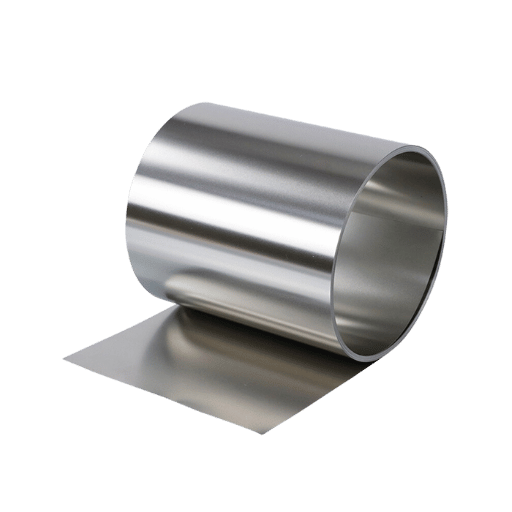
Stainless steel is an alloy of metals that typically contains iron, chromium, and other elements such as nickel and molybdenum. The chromium reacts with oxygen on the metal’s surface, creating a very thin protective film of oxide. This layer prevents oxidation from progressing, thereby imparting greater durability to the steel.
What is Stainless Steel?
Stainless steel is a corrosion-resistant alloy mainly composed of iron and chromium, with occasional additions of elements such as nickel and molybdenum. Chromium facilitates the formation of an oxide layer that acts as a protective shield, preventing iron from oxidizing and thereby maintaining its durability.
Composition of Stainless Steel
It comprises iron as the central element and a minimum of 10.5% chromium, allowing a protective oxide layer to develop on its surface against corrosion. Further elements, such as nickel, molybdenum, and carbon, are introduced to enhance various properties, including strength, heat resistance, and durability.
Types of Stainless Steel and Their Properties
Stainless steel is classified into four main types according to composition and properties:
Austenitic Stainless Steel
These are the most common types of grades and are characterised by excellent corrosion resistance, good ductility, and good weldability. The high chromium and nickel content makes them applicable for a wide variety of applications.
Ferritic Stainless Steel
It offers moderate corrosion resistance and is strongly magnetic. Used in automotive exhausts and decorative trims. It contains a lower nickel content than austenitic types.
Martensitic Stainless Steel
Hardest and strongest with decreased corrosion resistance on stainless or ferritic grades. Used for tools, medical instruments, and cutlery. Has the highest carbon content.
Duplex Stainless Steel
Hybrid grades of austenitic and ferritic, very highly strong, with the best resistance to stress corrosion cracking. Used in marine, oil and gas, and chemicals.
Understanding Rust and Corrosion
What is Rust?
Rust is iron oxide that develops as a result of a reaction of iron or an iron alloy with oxygen and water. When iron rusts, chemically, iron oxide (Fe₂O₃·nH₂O) is formed, appearing as reddish-brown flakes. The reaction, being an electrochemical process, also involves anodic and cathodic actions that significantly impact the structural integrity.
How Does Stainless Steel Corrode?
Although stainless steel is corrosion-resistant, it cannot be considered completely corrosion-proof. A number of them can corrode in various ways:
Pitting Corrosion
The chloride ions attack the passive film, creating minute pits that grow over time, weakening the material’s integrity.
Crevice Corrosion
This occurs in confined spaces where moisture and chlorides remain stagnant and can breach the oxide barrier.
Stress Corrosion Cracking
It occurs when tensile stresses coincide with corrosive environments, particularly in the presence of elevated temperatures.
Galvanic Corrosion
Stainless steel will go through corrosion when it is electrically connected through an electrolyte medium to a more anodic metal.
Factors That Can Cause Stainless Steel to Rust
- 🧂 Exposure to Chlorides: The most aggressive solutes causing corrosion on stainless steel, chloride ions are in saltwater and deicing salts.
- 🌡️ Environmental Humidity and Temperature: High humidity and temperature levels accelerate corrosion in marine environments.
- ⚙️ Contamination with Iron Particles: Rusting of iron contamination can pave the way for localized corrosion on stainless steel surfaces.
- 🏗️ Poor Design Leading to Crevices: Tight gaps hold moisture and corrosive organisms so that the oxide layer cannot form.
- 🧪 Chemical Exposure: Chemical exposure to strongly acidic or alkaline solutions will initiate chemical degradation of stainless steel.
Comparison with Regular Steel
Corrosion Resistance: Stainless Steel vs Regular Steel
| Property | Stainless Steel | Regular (Carbon) Steel |
|---|---|---|
| Chromium Content | Minimum 10.5% | None |
| Corrosion Rate (Saline Environment) | ≤ 0.01 mm/year (Grade 316) | > 0.1 mm/year |
| Protective Layer | Natural chromium oxide | Requires external coating |
| Maintenance Requirements | Low | High |
| Lifespan in Harsh Environments | 20-50+ years | 5-15 years (with coating) |
Common Uses of Stainless Steel
- Construction: Structural members, roofing, cladding, railings, and fixtures
- Medical Equipment: Surgical instruments, implants, and hospital grounds equipment
- Food and Beverage: Kitchen equipment, processing machinery, and storage tanks
- Automotive and Aerospace: Exhaust systems, structural components, and critical aerospace parts
- Energy and Industrial: Pipelines, heat exchangers, and chemical processing equipment
Preventing and Removing Rust from Stainless Steel
Rust Prevention Tips for Stainless Steel
- Regular Cleaning: Wash with mild soap or specialized stainless steel cleaners to maintain the protective oxide layer
- Immediate Drying: Always dry stainless steel immediately after washing or water exposure
- Avoid Chlorides: Minimize exposure to salts and chlorides, especially in coastal areas
- Protective Coatings: Apply passivation treatments or anti-corrosion sprays for enhanced protection
- Proper Storage: Store in dry, well-ventilated environments to prevent condensation
- Grade Selection: Choose appropriate grades (e.g., Grade 316 for marine environments)
- Regular Inspections: Monitor for early signs of corrosion like discoloration or rust spots
How to Remove Rust from Stainless Steel
- Assess the Rust: Check for the type and extent of rust. Light surface rust requires gentler methods than deeper corrosion.
- Non-Abrasive Cleaners: Mix baking soda with water to create a paste that gently removes mild rust. Use a soft cloth to apply the paste, gently rubbing along the grain.
- Specialized Cleaners: Choose commercial cleaners specifically designed for removing stains from stainless steel or rust. Strictly follow directions provided on the label.
- Vinegar Solution: White vinegar can be used as an environmentally friendly option. The acetic acid present in vinegar is an effective rust dissolver. Soak a cloth with vinegar, place it on the rusted surface, and rinse thoroughly after a while.
- Fine Abrasive Materials: Try these for tougher rust, including stainless steel brushes, 3M Scotch-Brite pads, and 0000-grade steel wool. Always go with the grain to prevent finish alteration.
- Prevent Further Corrosion: After all the rust is removed from the surface, wash it with clean water and mild detergent, dry it, and then polish or otherwise protect it.
💡 Pro Tip
Regular maintenance and immediate removal of rust spots will keep your stainless steel looking great and performing well for years to come.
Advanced Treatment Methods
Epoxy Coatings
Provide barrier protection against chemicals, moisture, and salt atmospheres. Excellent for marine and industrial applications.
Passivation
Chemical treatment that removes contaminants and enhances the natural oxide layer, extending lifespan by up to 30%.
Ceramic Coatings
Offer high heat resistance and maximum durability, creating a strong nonporous surface.
PVD Coatings
Vacuum deposition techniques that provide good bonding, uniform finishes, and increased hardness.
Expert Insights and Common Misconceptions
⚠️ Common Myth Debunked
While stainless steel is highly rust-resistant, it can indeed rust under certain conditions. The “stainless” designation means stain-resistant, not stain-proof.
Real-Life Examples of Stainless Steel Failures
- Marine Environment: Ship fittings undergo pitting corrosion from constant saltwater exposure without proper maintenance
- Industrial Equipment: Processing equipment experiences crevice corrosion in joints and seals due to poor design or incomplete cleaning
- Atmospheric Conditions: Coastal infrastructure develops surface corrosion from high humidity and airborne salt particles
- Weld Decay: Poor welding practices cause intergranular corrosion in heat-affected zones
Frequently Asked Questions
Conclusion
Understanding that stainless steel can rust under certain conditions is crucial for selecting the correct materials and ensuring proper maintenance. By following proper care procedures, selecting grades tailored to your environment, and implementing various preventive measures, you can effectively enhance the lifespan and utility of stainless steel components. Remember that, in fact, stainless steel is much more corrosion-resistant than ordinary steel, yet it does require attention to maintain this protection.
📚 Reference Sources
- Rate of Rust Formation | Physics Van | Illinois – Explanation of how nickel and chromium in stainless steel act against rust formation.
- Why is stainless steel less susceptible to rust | UCSB ScienceLine – Article addressing stainless steel reactivity and protective passive layer formation.


