


The science of glass melting offers a fascinating confluence of heat, chemistry, and creativity. Glass, a material we encounter countless times in day-to-day life, undergoes an extraordinary transformation when subjected to extreme temperatures. But what exactly happens in the course of this process? How do variables like composition and temperature influence the melting point? This article delves into the specifics of a glass melt, providing details on the composition of materials, the temperatures required for melting, the ensuing chemical reactions, and why understanding the entire process is beneficial to industries ranging from gravity casting to glass manufacturing.
Understanding Glass Melting Points

The melting points of glasses are determined by their composition. Most commercial glasses, such as soda-lime glass, melt between 1,400°F and 1,600°F (760°C to 870°C). The melting process involves heating the raw materials, typically silica (sand), soda ash, and limestone, until they change into a liquid state. Factors that may alter the melting point typically include additives that can affect the corresponding chemical structure. These temperature figures are essential for determining the durability and usability of the final glass product, both industrially and artistically.
What is the Melting Point of Glass?
The actual melting point of glass varies from approximately 2,400°F to 2,800°F (1,300°C to 1,540°C) depending on its composition. Standard soda-lime glass, used in windows and bottles, typically melts at a temperature of around 2,600°F (1,430°C). Due to their particular chemical structures, borosilicate glasses or quartz glasses would show melting points higher or lower than that. It is further enlightened by developments in materials science and information sourced from Google’s search engine that, in modern glass-making practice, such temperatures are more often tailored as intermediates towards achieving properties that enable the material to perform optimally in diverse applications.
Factors Affecting Melting Point of Glass
- Chemical Composition
Noticeably, the chemical composition majorly determines the melting point of a given glass. Sodium oxide with calcium oxide present in soda-lime glass gives it a relatively low melting point (being the window glass). In contrast, the presence of boron in borosilicate glass raises its melting point sufficiently to counteract very high temperatures.
- Purity of Materials
Impurities can drastically affect the melting point of raw materials. For example, highly pure silica glasses tend to have higher and more consistent melting points than those containing impurities or additives.
- Glass Type
The type of glass affects its melting temperature. When producing quartz glass, the melting temperature is approximately 3,100°F (1,710°C), which is significantly higher than that of soda-lime glass. This difference arises due to variations in the bonding and structural arrangements of the atoms.
- Additives and Modifiers
These additives include alumina or stabilizers, such as magnesium oxide, which significantly modify the melting point according to industrial requirements. The effect of these modifiers is either the elevation or depression of temperature required for melting.
- Methods and Conditions of Production
The method by which a product is manufactured can influence its melting point; variables such as heating rates and environmental conditions play a significant role in this. When processes undergo control over the atmosphere or experience rapid shifts in heating, the melting response can be fine-tuned to meet specific needs.
Importance of Glass Melting Temperature
The melting temperature of the glass is a crucial parameter during the glass manufacturing process, as it affects the quality, durability, and efficiency of producing a particular product. Generally, for instance, commercial glasses, such as soda-lime glass, melt between 1400°C and 1600°C (2550°F to 2900°F). Being restrictive with the temperature control may ensure uniformity and stability of the glass structure, while the absence of proper controls may precipitate a plethora of undesirable qualities, bubbles, and random patterns.
Then again, glass production consumes a tremendous amount of energy, mainly due to the high melting temperature. The higher the temperature, the higher the energy needs and operational costs, as well as the environmental implications in terms of carbon emissions. According to recent industry data, energy efficiency in melting processes has been maximized with the help of new furnace technologies, such as regenerative and electric furnaces, resulting in a reduction of up to 30% in energy consumption.
With an understanding of the melting temperature, a manufacturer can vary glass properties to suit applications. Borosilicate glass, for instance, used in laboratory equipment and kitchenware due to its thermal resistance, melts at an unusually high temperature of approximately 1650°C (3000°F). Fine temperature controls, therefore, ensure that such specialty glasses meet the requirements of stringent applications while ensuring production uniformity.
With technology and research working in tandem, the glass industry continues to see improvements in melting temperature control, which is a clear pathway to cost reduction, enhancing material quality, and environmental improvement. It implies that the melting temperature is a vital factor to consider for sustainable and efficient glass manufacturing.
The Melting Process of Glass

The glass melting procedure requires heating raw ingredients, such as silica sand, soda ash, and lime, to extremely high temperatures, generally ranging from 1,700°F to 2,000°F (927 to 1,093°C). They melt together and form a molten mixture. Then, the molten glass is refined to remove impurities and achieve uniformity. When the desired qualities are attained, the molten glass is formed and cooled, thus solidifying into its final shape and ready to be used in various applications.
Stages of Glass Melting
- Batching
Raw materials, such as silica sand, soda ash, and limestone, are precisely weighed and thoroughly mixed to produce a “batch.” Some additional additives may be added to impart specific attributes to the glass-like color or strength.
- Melting
This batch is placed in a furnace and heated to extremely high temperatures, typically between 1,700 and 2,000°F (927 and 1,093°C). At these soaring temperatures, the raw materials soften into a liquid state, allowing them to mix thoroughly.
- Refining
At this stage, the molten glass is subjected to a process called “fining out,” which eliminates air bubbles and impurities, resulting in a liquid of uniform composition and clarity. The goal is to produce a completely defect-free product.
- Conditioning
The glass is cooled gradually and held at specific temperatures to achieve a workable viscosity. At this point, the molten stuff is ready for shaping and tooling without overheating.
- Forming and Shaping
The conditioned glass is molded into the required form using various shaping techniques, including blowing, pressing, and casting. Each method is chosen according to the particular end-use application of the glass.
- Annealing
The formed glass is slowly cooled under carefully controlled heat treatments to release internal stresses. This Annealing procedure strengthens the glass and prevents it from cracking or shattering due to those stresses.
- Inspection and Packaging
Once the glass is inspected for consistency and quality, all rejects are recycled, and the final product is packed for distribution.
This set of stages illustrates the complex transformation of raw materials into high-quality glass articles, which are used in various industries, ranging from construction to technology and consumer goods.
Determining Glass Melting Temperature
The variation in the melting temperature for glass occurs due to its composition, but it generally runs between 760°C (1,400°F) and 1,540°C (2,800°F). Soda-lime glass, for example, the most common type, melts at approximately 1,500°F (815°C), whereas borosilicate glass, which is more resistant to thermal shock, melts at a significantly higher temperature of around 3,000°F (1,650°C). Melting points can be altered by additives such as sodium, boron, or silica. Since the melt temperature significantly impacts the glass manufacturing process, knowing these temperatures can help with the correct method of handling, energy-efficient methods, and ultimately, in the manufacture of high-quality products.
Glass Transition Temperature vs. Melting Point
Glass transition temperature (Tg) refers to the temperature at which amorphous materials become flexible, whereas the melting temperature (Tm) is the temperature at which crystalline materials are liquified.
| Aspect | Glass Transition (Tg) | Melting Point (Tm) |
|---|---|---|
| Definition | Softening of amorphous | Solid to liquid phase |
| Material Type | Amorphous | Crystalline |
| Phase Change | No | Yes |
| Heat Involved | None | Latent heat |
| Behavior | Flexible above Tg | Liquid above Tm |
Types of Glass and Their Melting Points

- Soda-Lime Glass
Melting Temperature: About 2,350°F (1,290°C)
Mostly used for windows, bottles, and tableware.
- Borosilicate Glass
Melting Temperature: About 3,000°F (1,650°C)
Heat-resistant; used in laboratory glassware and cookware.
- Lead Glass
Melting Temperature: About 1,740°F (950°C)
Known for the brilliance and clarity of the glass used in decorative items and optical components.
- Fused Silica Glass
Melting Temperature: About 3,090°F (1,700°C)
Many heat-resistant properties are used in high-temperature applications.
- Aluminosilicate Glass
Melting Temperature: About 2,920°F (1,605°C)
Use in smartphone displays and other durable applications.
Soda-Lime Glass Melting Temperature
With melting temperatures ranging from 2,520°F to 2,880°F (1,380°C to 1,580°C), soda-lime glass is commonly used to manufacture a wide variety of windows, bottles, and jars. Depending on the exact composition of the glass, the temperature range varies slightly. This composition consists of soda (sodium oxide), lime (calcium oxide), and silica (silicon dioxide), primarily in varying proportions. The relatively lower melting temperature and ease of shaping have made it very useful and widely used.
Different Types of Glass and Their Characteristics
Glass is a versatile material with numerous applications, and its various types available for purchase exhibit different properties according to their intended use. Some of the common types of glass, along with description,s are as follows:
1. Soda-Lime Glass
Sodium lime is the most common type of glass produced worldwide, accounting for nearly 90% of the glass manufactured globally. The glass is composed of silica (about 70%), soda (15%), lime (10%), and a few other trace compounds. This glass has a melting point temperature ranging somewhere from 2,520°F to 2,880°F (1,380°C to 1,580°C). It is primarily used in window panes and bottles because it is inexpensive to make and can be recycled.
2. Borosilicate Glass
Borosilicate glass is warmer resistance and durability. It contains 80% silica and boric oxide ranging between 13-15%, with trace amounts of soda and alumina. Due to its very low thermal coefficient, it can be used in laboratory glassware, cookware (such as Pyrex), and for industrial purposes. It can withstand temperatures of 932°F (500°C) without breaking.
3. Tempering Glass
Tempered glass is a type of safety glass that is processed by heating and cooling, or by stressing through chemical treatment, to achieve maximum strength. It is anywhere between two and four times stronger than standard soda lime glass and breaks into tiny fragments that are less harmful than regular glass. It is generally used in car windows, shower doors, and smartphone screens. Tempered glass can withstand temperatures from 482°F to 932°F (250°C to 500°C).
4. Laminated Glass
Laminated glass is crafted in such a way that a polyvinyl butyral (PVB) or ethylene-vinyl acetate (EVA) interlayer is sandwiched between two or more glass sheets. As these two layers are strongly bonded, even if the glass shatters, it remains adhered to the interlayer, thereby reducing the risk of injury. It is widely used in windshields, skylights, and for soundproofing. Laminated glass also serves as an effective barrier against UV rays, blocking up to 99% of them.
5. Lead Glass
Lead glass, which contains lead oxide (usually 18-40%), is a type of glass that is important due to its high refractive index, which increases brilliance and clarity. This glass, held in high esteem, is used to make decorative pieces such as vases, chandeliers, and fine glassware. Lead glass can also shield against radiation and, therefore, finds applications in medical and industrial fields to protect against X-rays and gamma rays.
6. Optical Glass
Optical glass is intended for the highest clarity of light transmission with minimum optical distortions. It is made from highly pure silica and mixed with additives that alter the refractive index. Optical glass is used in the manufacturing of lenses for cameras, microscopes, telescopes, and eyeglasses.
7. Fused Silica Glass
Due to its nearly 100% silicon dioxide content, fused silica glass is among the purest forms of glass. It exhibits excellent thermal stability, characterized by a very low thermal expansion coefficient and high chemical resistance. Fused silica can withstand temperatures of up to 3,092°F (1,700°C), making it suitable for high-temperature applications, such as those in semiconductors and UV-transmitting optics.
All types of glasses are designed for specific needs, and this versatility highlights the importance of glass in modern industries and everyday life. Therefore, there is a need to understand the features and uses of different types of glass.
Low Melting Glass Types
Types of low-melting glasses, also commonly referred to as soft glass, have been particularly valued for their unique advantage of having low melting temperatures compared to standard glass compositions. They, with such modifications in composition, have different proportions of fluxing materials, such as boron oxide, to lower the melting temperature. Famous examples of softened glass types include borosilicate and soda-lime glasses, which are used in laboratories, cookware, and decorative designs. At lower melting temperatures, these glasses are easily shaped or molded and are preferable for applications that require fine details. These glasses can also be prepared with thermal and chemical stability and are useful in various scientific, industrial, and artistic domains.
Practical Applications of Glass Melting Knowledge
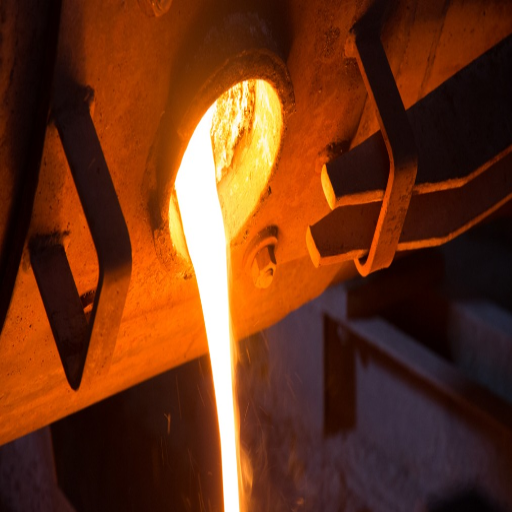
The knowledge of melting glasses for various industries leads to practical considerations. This enables the production of everyday necessities, such as windows, bottles, and optical lenses, from high-quality glass. It also finds use in high-tech processes for specialized glass covers used in electronics, renewable energy sources such as solar panels, and high-performance laboratory equipment. Moreover, such expertise in glass melting techniques enables the advancement of the art of artistic glass-making, creating space for delicate designs and customized artifacts. Ultimately, it is this common knowledge that ensures the existence of glass materials that are sturdy, functional, and aesthetically pleasing.
Industrial Applications of Glass Melting
- Electronics
From display screens to optical fibers and semiconductors, glass melting is a crucial step in the manufacturing process of these components. Specialty glass, for example, is used to impart properties like scratch resistance and durability to smartphone screens. The global smartphone display glass market is estimated to have reached $2 billion in 2022.
- Renewable Energy
Glass melting is used to produce high-transparency solar glass for solar panels to absorb maximum light. The solar glass market is expected to grow at a CAGR of over 7% during the period 2023-2028.
- Automobile Industry
Windshields, mirrors, and windows are manufactured using glass melt processes. Laminated safety glass, formed through special melting processes, provides strength and durability to safeguard passengers.
- Laboratory Equipment
High-performance laboratory glass is manufactured through controlled melting processes to achieve heat resistance and chemical stability, as seen in beakers, flasks, and tubes. The demand for laboratory glassware is on a steady rise due to innovations in pharmaceuticals and research.
- Construction & Architecture
Tempered and accurately controlled melting techniques are used to manufacture laminated architectural glass. It finds applications in skyscrapers, windows, and ornamental features. The building and construction glass market was valued at $56 billion in 2020 and is expected to rise severalfold with faster urbanization and infrastructures being put in place.
Research and Development in Glass Chemistry
Glass chemistry research and development focus on enhancing the properties and applications of glass materials to meet modern requirements. Cutting-edge developments in this field include innovative glass technologies that can adjust to varying light conditions, thereby enhancing energy conservation in buildings. Furthermore, exploring novel formulations for glass with improved strength, reduced weight, and increased sustainability using recycled materials and reducing emissions during production is ongoing. In doing so, researchers address functional and environmental issues, thereby enabling glass technology to provide sustainable and technically supported solutions in various industries.
Reference Sources
- Authors: H.-X. Ma, J. Qiu, C.M. Liu
- Publication Date: 2020
- Key Findings:
- Six fluorine-containing, mix-substituted phosphazene-based branched benzoxazine monomers with low melting points were successfully prepared.
- The curing behavior of these resins was investigated, showing a low melting point and high thermal stability.
- Methodology:
- The study involved the synthesis of branched benzoxazine monomers and their characterization using NMR and thermal analysis techniques.
- Non-isothermal differential scanning calorimetry (DSC) was used to investigate the curing kinetics and determine the activation energy of polymerization.
- Authors: A. Stolbovsky, V. Vyatchina
- Publication Date: 2021-05-25
- Key Findings:
- The study established a glass formation region in the BaSO4-KPO3-Na2B4O7 system, which is suitable for use as a glass-solder material.
- The concentration dependences of the linear thermal expansion coefficient, softening temperature, and glass transition temperature were determined.
- Methodology:
- The authors conducted experiments to identify the glass formation region and analyzed the thermal properties of the glass system.
Frequently Asked Questions (FAQs)
What is the melting point of glass?
The melting point of glass typically ranges from 1400°C to 1600°C, depending on its composition. Different types of glass, such as soda-lime glass, have specific melting temperatures that determine their processing and applications.
How does the composition of glass affect its melting point?
The composition of glass plays a crucial role in determining its melting point. For instance, silicate glasses, which are commonly used, have varying melting points based on their ingredients. The presence of additives or modifiers can lower the melting temperature, allowing certain glass types to melt at lower temperatures.
What factors affect the melting point of glass?
Several factors can affect the melting point of glass, including its chemical composition, the type of glass being used, and the presence of impurities. Additionally, the quantity of glass being produced can influence the melting process, as larger amounts may require higher temperatures to achieve a homogeneous glass melt.
What is the transition temperature of glass?
The transition temperature, often referred to as the glass transition temperature, is the temperature range where glass transitions from a hard and brittle state to a softer, more malleable state. For most glass types, this temperature is lower than the melting point, indicating where the glass begins to soften without fully melting.
How do different types of glass compare in terms of melting points?
Different types of glass exhibit varying melting points. For example, soda-lime glass has a lower melting point compared to borosilicate glass, which has a higher melting point due to its unique composition. Understanding these differences is essential for selecting the proper glass for specific applications.
What is the importance of glass melting temperature in glass processing?
The glass melting temperature is vital in glass processing as it determines the conditions necessary for forming and shaping glass products. A precise melting temperature ensures a homogeneous glass melt, which is crucial for the quality and performance of the final product.
Can glass melt at lower temperatures?
Yes, certain types of glass can melt at lower temperatures due to their composition. For instance, glass with a high soda content tends to melt at lower temperatures, making it suitable for various applications where energy efficiency is a concern.
What is the melting behavior of glass during production?
The melting behavior of glass during production involves gradually heating the glass until it reaches its melting point. As the temperature increases, the viscosity of the glass decreases, allowing it to flow and be shaped more easily. This process requires careful temperature control to avoid uneven melting and ensure consistent quality.
How can one accurately determine the glass melting temperature?
Determining the glass melting temperature accurately involves conducting tests under controlled conditions, taking into account the specific type and quantity of glass. Using thermal analysis methods, such as differential thermal analysis (DTA), can help in identifying the precise melting point and transition behaviors of the glass.


