Stainless steel finds applications in quite a few industries due to its sturdiness, resistance to corrosion, and attractive appearance. Nonetheless, one significant hurdle when it comes to working with stainless steel parts is burs or unwanted projections resulting from manufacturing processes such as cutting, drilling, or machining. Removal of the burs is necessary for the health and functioning of these components, as well as for aesthetic purposes to provide a smooth and professional look. The focus of this document is to help you understand deburring stainless steel parts in detail. It discusses various techniques involved in the process of deburring and practical measures that may be employed to enhance efficiency as well as accuracy. This piece is targeted at manufacturers, engineers, and technicians who wish to refine their processes without compromising the quality of their products. Continue reading to know about the instruments and methods, as well as the strategies for overcoming one of the most ubiquitous difficulties of finishing in this sector.
Understanding Deburring Stainless Steel
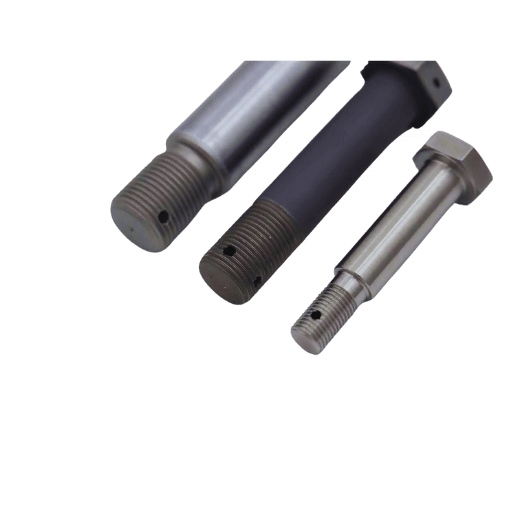
Deburring stainless steel parts involves cleaning up of sharp edges, burrs, or imperfections which may be present after cutting, drilling, or machining. This is a necessary stage to enhance the overall safety and performance, as well as to extend the lifespan of the component. There are different techniques and approaches used for deburring stainless steel. These include mechanical processes such as grinding and sanding, abrasive tools, tumbling, and also more advanced methods such as laser or electrochemical deburring. The right method to use will vary from the complexity of the part, the level of precision to be achieved, and the volume of production. Through the enhancement of surface finish, deburring increases the quality of a product and reduces the chance of damage or injury from use or handling.
What is Deburring?
The act often described as deburring is a rather simple one, where undesirable projections or burs formed along the edges of manufactured items are cut away. These tiny replicating imperfections can be the outcome of the drilling process, the milling operations, the sawing procedures, and even stamping work, which tends to render the part useless, aggregate any dangers, or spoil its visual appeal. Deburring, or Burr correction, is the process of correcting such imperfections to allow for smoother, more precise manufacturing in adherence to strict quality control. Because most of these new techniques include non-conventional processes and gears, they range from various mechanical methods such as filing and abrasive blasting to laser and electrochemical deburring, as claimed, possible geometric accuracy or perfection is achieved with higher productivity.
Common Causes of Burrs on Stainless Steel Workpieces
Burrs creation in stainless steel workpieces occurs due to: tools being dull, bad clearance, inadequate material qualities, poor lubrication, inappropriate machining setup, and worn tooling settings.
|
Key Point |
Details |
|---|---|
|
Tool |
Blunt or worn tools |
|
Gap |
Improper or uneven |
|
Material |
Unsuitable or wrong |
|
Lubrication |
Poor or absent |
|
Parameters |
Incorrect settings |
|
Wear |
Excessive tool wear |
Importance of Deburring for Stainless Steel Parts
Deburring is an essential process that plays a role in making stainless steel parts functional, safe, and long-lasting. Burrs if left out can cause a couple problems such as reducing the dimensional satisfaction, weakening the material, and even causing accidents to operators while controlling the machine. From current search statistics and browsing behavior, more specifically Google pages and results explain also why it’s efficient to deburr all edges right to effectively effectuate all assemblies and enhance the product. Further, stress concentrations within these mechanical systems are less likely to occur thanks to deburring and its mechanical issues; such concentrations are prime causes of hot-spot failures in such high-end machinery components. The process of deburring should be done correctly as it not only enhances the appearance of the product but also helps protect it from the effects of corrosion, more so where a high level of strength and tough conditions are favorable.
Deburring Methods for Stainless Steel
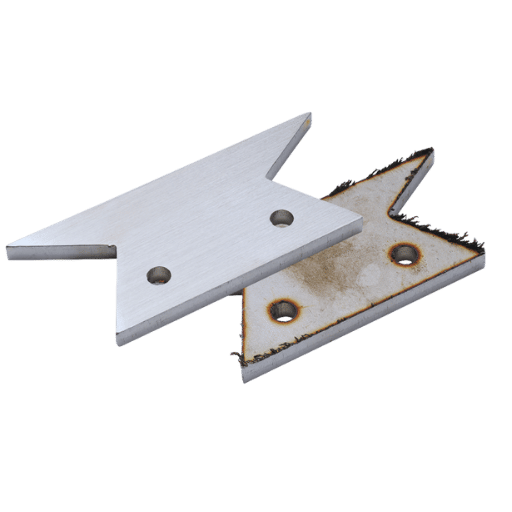
Manual Deburring Techniques
One method for removing imperfections from a material is manual deburring by the use of certain tools such as files, sandpapers, or abrasives.
Mechanical Deburring Tools
Mechanical deburring tools have been crafted to remove burrs with efficiency and accuracy in a systematic manner. These tools most commonly take the form of deburring machines, rotary brushes, and grinding wheels, among others. The tools help in the effective processing of materials by ensuring results are consistent, manual intervention is reduced, and cycle time is improved. This is especially useful in large production plants with materials of high performance such as stainless steel. Deburring stainless steel parts and other components requires a particular technique and instruments depending on the material in use, the size of the burr and the required surface finish.
Using a Deburring Machine for Efficient Processing
Deburring machines are highly proficient equipment that will aid in eliminating burrs and sharp sides of manufacturing materials, improving the overall quality and safety of the product. Based on the most recent data insights, which include search data, it is evident that there is a high interest in knowing the importance of automation concerning deburring processes. To this effect, using automated deburring machines not only ensures excellent results, but it cuts down on the cost of production due to reduced rework as all the parts will be uniform in shape and size. Software machine advancements, for example, adopting features for the types of materials in operation and readiness to work with Industry 4.0, of which the operator can see how the machine is behaving and shaping up the task. All these enhancements add value to deburring washers in most industries, such as aerospace, automotive, and manufacturing, where precision and quality are key concerns.
Choosing the Right Tools for Deburring Steel
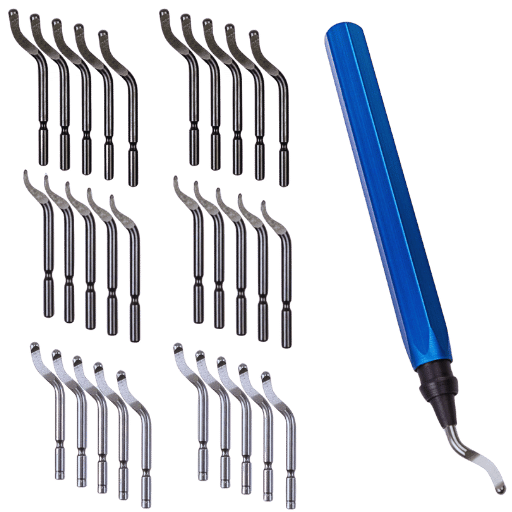
Types of Deburring Tools
Additionally, different deburring tools are available in the market, such as manual, rotary, vibratory, spinner, deburring blades, chamfers, and automated.
|
Type |
Description |
Application |
Efficiency |
Cost |
Complexity |
|---|---|---|---|---|---|
|
Manual |
Hand-held tools |
Small parts |
Moderate |
Low |
Simple |
|
Rotary |
Power-driven bits |
Thick materials |
High |
Moderate |
Medium |
|
Vibratory |
Automated vibration |
Large volumes |
High |
High |
Medium |
|
Spinner |
Magnetic media-based |
Complex shapes |
Very high |
High |
High |
|
Deburring Blade |
Replaceable blades |
Edges, holes |
Moderate |
Low |
Simple |
|
Chamfering |
Beveled edge tools |
Edges, holes |
High |
Moderate |
Medium |
|
Automated |
Robotic systems |
High precision |
Very high |
Very high |
High |
Factors to Consider When Selecting Tools
- Material Category: Will properties ranging from hardness, thickness, and type of material being processed determine the ideal tool and the method for effective deburring or chamfering?
- Geometrical Shape and Designs: The Geometrical configuration of the parts with edges, holes, or complex surfaces determines the most suitable tool.
- Workload: Highly demanding production processes in large enterprises may call for automated or vibratory equipment while in a small business environment, daily operations may be accomplished using hand tools.
- Accuracy Constraints: Systems used in projects involving very accurate or very tight dimensions are often designed to be either robotic or spinner-based.
- Lead Time: The rate of accomplishing deburring stainless steel parts or chamfering may affect, in particular, the selection of tools, particularly where there is a premium on productivity and efficiency.
- Budget: The cost of purchase, cost of maintenance, and service life considerations are realized in the selection of a predetermined tool.
- Friendliness and Serviceability: Consideration on the degree of difficulty in setting up, operating, and maintaining the system to achieve improved operational efficiencies and reduced downtimes.
- Ecological Cost: Any tool category that produces less waste or a more environmentally friendly materials and technologies may be best used for green manufacturing processes.
Best Practices for Using Deburring Tools
1. Pick the Appropriate Tool for the Job
Using the right instrument to deburr as pertains to the materials in question is crucial. As an illustration, soft metals such as aluminum, which is known for its aluminum and similar materials containing nuclear components, may have excessive sharpness dulled by the use of a manual deburring tool or abrasive hand blade, as such semifinished articles may have otherwise been sharper. As opposed to this, looking for more efficient methods than those applied usually, even when the material in question refers to stainless steel, will surely call for high-speed operation of deburring machines. This is because inappropriate machinery has been found to elongate cycle times up to 30 percent and can also lead to compromised quality of the final product.
2. Keep the Tools in Good Working Condition
Performing routine checks and reconstructive works on deburring tools are important in keeping them functioning to the maximum and extending their lifespan. For instance, blunt or beaten up tools may cause an uneven surface finishing and also reduce the performance the requiring frequent replacements in the future.
3. Keep the Environment Tidy
Any collected particles hinder the movement of the tool, which is defective on the surface, and create surface irregularities. There is a benefit in terms of accuracy and safety as workspaces and equipment free of any foreign substances, such as dust and splinters, promote such cultures of cleanliness. According to best practices, instituting regular cleaning schedules can help boost the efficiency of operations by 15%.
4. Let Safety Come First
It might be necessary for operators to put on appropriate PPE, such as goggles, gloves, and ear protectors, to avoid injury when using the tools. For instance, OSHA’s latest standards require that such personnel receive mandatory safety education in order to help curb cases of accidents and injuries, especially in workplaces that utilize very sharp or fast-operating tools.
5. Where applicable, consider automation
Grinding burrs using robotic stations or CNC machines can improve component integrity and lower the risk of human error. By 2023, a market study found that such automation enhanced throughput by 35%, compared to the use of manual deburring.
6. Assess burr characteristics before and after machining
Knowing the types of a burr as well as its size, and location ensures an appropriate deburring method is utilized. Both before and after the step of deburring, handling the surfaces with a surface analysis instrument can validate the process ability in the presence of surface quality improvements up to more than 50% above the initial condition, irrespective of the process optimization.
7. Consider the Environmental Repercussions
Eco-friendly or eco-compatible lubricants and or dust collection systems are just a few examples of products, processes, and equipment that uphold such tools’ environmental standards of performance. Communities that practice waste minimization by either reducing, reusing, or recycling tend to have high compliance levels with environmental legislation and laws, and in the process increase their social image.
Following such practices, finish quality for manufacturers is improved, which in turn allows for longer tool usage and keeps production safe and effective. Such changes in the deburring of objects keep manufacturers progressive and allow for meeting international standards for improvement.
The Deburring Process for Stainless Steel Parts
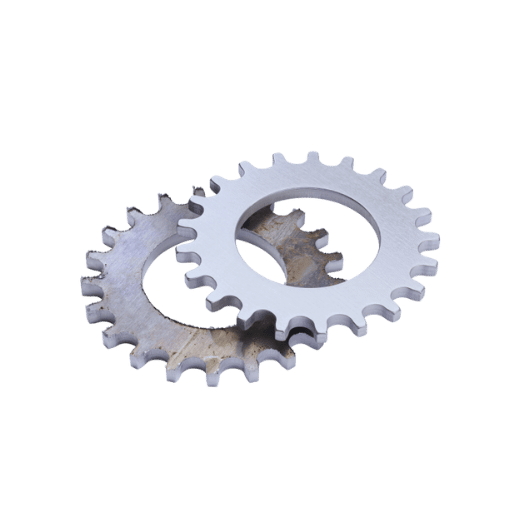
Step-by-Step Guide to Deburring Stainless Steel
1. Checking and Getting Ready
Look over the stainless steel workpiece and see if there are any burrs or sharp corners. Ensure that the part is fixed in position securely and tightly enough in order to keep the worker safe and allow accuracy during the deburring of stainless steel parts operation.
2. Choice of Equipment
Select the deburrer knife of the right type in respect of its owner’s Tau-shaped beam and its size. As a principle, these tools can be hand deburring knife blades, rotary disks, abrasive pads, and automatic deburring systems.
3. Rough Deburring
The chosen tool should be employed to clear large burrs. It should be moved with equal pressure, and only so far as is necessary to cleanly remove and not scar the surface.
4. Decoration of Edges
Grain abrasive tools for ultra-fine polishing strips can be employed to bring the rough edges of the workpiece to a smooth and polished condition. The purpose of that is to geo out any existing rough edges and diffuse any non-uniform edges to the same level.
5. Finishing of Surfaces
Use final surface operations such as grinding or brushing in order to return the initial texture and beauty of the stainless steel part.
6. Parts Cleanup
Clean the pieces thoroughly to remove all metal shavings and burrs grown on surfaces due to grinding and or graining in any manner whatsoever including water solvents or even compressed air. All these measures are necessary for the next steps in the production or assembly.
7. Outlet Control
Perform the detailed inspection in order to make sure that all inherent burrs are removed, and that the part can fulfill the tolerance and cover specification for the finish. If reinforcements are needed, reiterate the process.
The implementation of the above-mentioned principles enables manufacturers to obtain excellent results while deburring stainless steel parts.
Surface Finish Considerations After Deburring
Ensuring proper post-deburring of a surface is critical for both the intended function and service life of the component. This necessitates the determination of the right post-cutting operations, such as polishing, passivation, coating, or whatever may be required, depending on the task. It should be noted that the part should not be processed unnecessarily, as this may result in changes in geometry or surface quality. Furthermore, the surface finish should be checked by the companies before replacing it with the required standard to avoid any deviation. Following these steps aids in ensuring a clean and consistent result.
Ensuring Corrosion Resistance Post-Deburring
In order to ensure that the material remains corrosion resistant post-deburring, it is necessary to adopt methods that augment surface protection without altering the microstructure of the surface considerably. Passivation is among the most recommended measures that help to remove any free iron and enhance the intrinsic protective oxide layer on the surface. Especially, stainless steel passivation has been established in standards, such as ASTM A967 and which provides a fine passivated surface resistant to corrosion. In addition, some other modes of protection include the application of anti-corrosion coatings, which are used specifically to deal with exposure to environmental factors.
Despite these attempts, certain aspects still need to be stereocontrolled, namely temperature and humidity conditions after deburring is done. Furthermore, innovation in coatless and electrochemical surface modification practices, which can provide multiple defense layers without major changes in surface characteristics, is also at its ground-breaking phase of development. However, these solutions now exist in the market, manufacturers are hence advised to employ such advanced techniques in the designing and fabrication of parts when wear resistance is of concern in industries such as aeronautical engineering, shipbuilding, or surgery.
Challenges and Solutions in Deburring Stainless Steel
Dealing with Large Burrs
The problem of steel production is a problem largely associated with huge burrs on stainless steel while fabricating based on such materials. The controlled removal of burrs is mainly achieved by mechanical processing which is left as grinding or sanding. For those who prefer to enter into a self-help aiding process, kabag or k fastest, the machines that assist in removing those burrs use remarkably abrasive belts and many other machines applied for each production level respectively. That aside, if the cases involve no alloys and the temperatures need to be kept low due to the stresses induced, high pressure jetting process puts the cherry on top. Determining which technique to use will entail the dimensions of the burr, the thickness of the material, and the surface roughness required. To prevent further problems with the equipment, secondary damage apart from ensuring high performance is very important, and that is by regularly checking and servicing the tools.
Common Issues in the Deburring Process
| Issue | Cause | Impact | Solution |
|---|---|---|---|
|
Inconsistent Results |
Misalignment |
Poor quality |
Proper alignment |
|
Excessive Wear |
High pressure |
Costly repairs |
Reduce pressure |
|
Safety Risks |
Loose burrs |
Injuries |
Use automation |
|
Equipment Jamming |
Debris buildup |
Downtime |
Regular cleaning |
|
Noise/Vibration |
Unbalanced parts |
Operator fatigue |
Stabilize machine |
Innovative Solutions for Effective Deburring
When it comes to dealing with the complications faced when deburring the products, my main approach is the incorporation of horizon-changing technologies and getting the most out of the conventional practices. For instance, the use of automated machinery for deburring the components will bring about accuracy and consistency, and at the same time, it will minimize the use of manpower in the operations. I strongly support the metal laser removing process, especially for complex components, because it assures high precision capabilities without the removal of material. Further still, the eco-saving methods such as cryogenic deburring bring in adequacy in all the processes and at the same time, are friendly to the environment. The untapped avenue is how to incorporate these kinds of systems into the specific materials and manufacturing processes so that they are realized at a minimum cost, high quality, and efficacious manner.
Frequently Asked Questions (FAQs)
Q: What does the deburring process refer to, and why is it a significant concern for manufactured stainless steel components?
A: Removing debris from the surface is accomplished by deburring, which is shaving off excess rushed edges to give a clean plane once a piece has been machined, sawed, or manufactured. Drilling, cutting, machining, and manufacturing stainless steel details need good deburring techniques to be incorporated. This involves the profile corner, the edges, acute corners that can cut the user, as well as stone, which all require deburring due to the material’s aesthetics. Burrs if not removed, will cause assemblies to wear out sooner rather than later, or potentially affect the performance of fine precision parts.
Q: In which applications does deburring stainless steel parts become a requirement?
A: Stainless Steel Deburring of parts is applicable in industries such as aerospace, automotive, medical device, and electronics, among others. Some of these applications include surgery instruments, industrial parts, automotive and plane parts, and a consumer application, where the efficiency and performance are imperative.
Q: Which techniques are most common for deburring stainless steel parts?
A: In stainless steel part deburring, the most common methods include: hand tools, machines, thermal (TEM), electrochemical (ECD), as well as vibratory ones. The form of the part, the dimensions, and the tolerance required all dictate which of these methods is to be employed.
Q: What kind of tools are needed for deburring stainless steel parts manually?
A: For the manual deburring process, cutting edges, rasps, grinders, and wet & dry sandpaper are used for appropriately cutting or grinding/polishing the edges in a specific way. Such tools vary depending on a certain technique to be performed and the grade of stainless steel to be used.
Q: Is the use of mechanized tools permissible in the case of deburring stainless steel parts?
A: Indeed, there is a wide usage of automated deburring apparatus in various sectors for both small and large volumes of a product or multiple complex shapes. Automated tools improve quality, increase throughput, and decrease costs, including the relief of different types of hand-cutting operations.
Q: While deburring stainless steel, what difficulties are most often experienced?
A: Some of these challenges include dealing with the hardness of stainless steel, working with tight tolerances, having intricate parts, and also the possibility of burning the stainless steel. Planning appropriately and selecting the correct tools will help in resolving these problems.
Q: Is there a way to deburr stainless steel parts without harming the environment?
Yes. There are options available for deburring of stainless steel parts that do not pollute the environment. These include the use of citric acid and the use of dry deburring processes.
Reference Sources
1. Showcasing Mechanisms and Burr Formation in the Micro-Milling of Duplex Stainless Steel (UNS S32205)
- Authors: A. G. dos Santos, M. B. Silva, M. Jackson
- Published: June 21, 2023
- Journal: Journal of Micromanufacturing
Key Findings:
- Micromilling involves high-precision machining processes used in the preparation of duplex stainless steel.
- The focus is sharply on obtaining very low surface roughness and minimal burr formations.
- The study found top burrs dominating while feather and primary burrs were found on the up-milling side whereas burrs of irregular shapes were present on the down-milling side.
- It was noticed that the width of the burr roots closely follows the metallurgical phases of the material.
Surface roughness increased with cutting speeds, meaning lower speeds would provide a better surface finish.
Methodology:
- The research was done using a 4-axis CNC micromachining center and TiN-coated carbide microtools.
- Experiments to optimize the cutting conditions were run.
- With the help of a profilometer, burr height and surface roughness were measured. SEM was carried out for detailed microscopic analysis(Santos et al., 2023).
2. Experimental Study of Magnetic Abrasive Deburring of Stainless Steel Drilled Parts
- Authors: A. Sona, Baseri Hamid
- Published: 2014 (outside the five-year window but deemed relevant)
Key Findings:
- This research pertains to the application of magnetic abrasive deburring for deburring stainless steel parts.
- It points out the significant capability of MAD to provide burr-free surfaces, which is a necessity for making precision components.
Methodology:
- The experimental setup included setups that included magnetic abrasives to deburr drilled stainless steel parts.
Various parameters were tested for the decoarating process(Sona & Hamid, 2014).
3. Laser Deburring with Precision
- Authors: Lee, S., Dornfeld, D.
- Publication Date: November 1, 2001 (not quite recent, yet relevant)
Key Takeaways:
- The study considered laser deburring as an efficient method for the automated deburring of precision components, including stainless steel.
- It also dwells on the advantages of employing high-power lasers to treat complex geometrical features of part edges and burrs.
Methodology:
- Experimental results were obtained in the cases of carbon steel and stainless steel.
- Finite element method (FEM) analysis was further applied to predict the heat-affected zone (HAZ) and cutting profiles of laser-deburred parts (Lee & Dornfeld, 2001, pp. 601–608).
4. Leading Stainless Steel CNC Machining Services Provider in China