


If you think of plasma cutting, metal being cut to size and shape is fascinating. Whether you are an experienced metalworker, a hobbyist, or an interested party in welding, plasma cutting metals can change your life. This blog will guide you through the basics of plasma cutting so that you will understand what it is, get acquainted with tools, and familiarize yourself with best practices concerning safety and precision. After reading, you will have a strong idea about this versatile technique and the possibility of transforming your projects on any scale or difficulty. Stay tuned for unlocking the true power behind plasma cutting!
Overview of Plasma Cutting
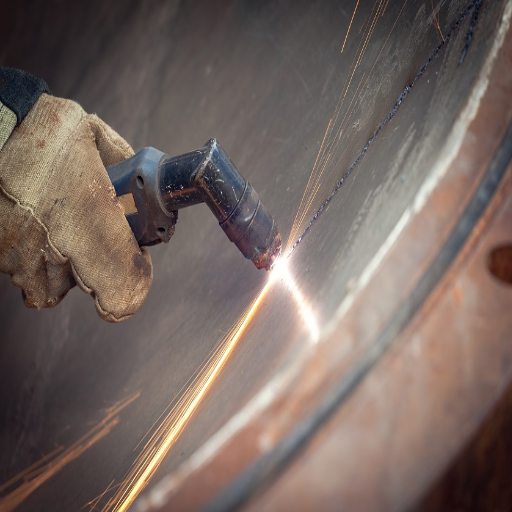
A process undertaken to cut through electrically conductive substances, like steel, aluminum, brass, and copper, with extreme precision. It is achieved by creating an ionized gas, i.e., plasma, that generates an arc of enormous heat to melt the material. Then, a compressed air or gas jet is pistol-blasted at very high velocity to cleanly and precisely remove the molten metal. It is much favored because of its speed and accuracy in cutting thick materials with little effort.
What is Plasma Cutting?
Plasma cutting is a machine that can cut electrically conductive materials with precision and speed using highly ionized gases at elevated temperatures. First, compressed air or any other gas, usually nitrogen, is passed through a small nozzle while a simultaneous electrical arc is generated. Ionization of the gas occurs as the combination created is plasma, a physical condition so hot that the temperature can be measured as much as 30,000°F (16,650°C). This plasma arc melts the material for cutting, and a high-speed jet of gas blows away the molten metal to create a clean and very narrow kerf.
Modern plasma cutters come with CNC integrations for more intricate designs and fully automated processes. These machines can account for a wide variation in thickness. For example, a handheld plasma cutter can cut metal to a thickness of less than 1 inch, while an industrial plasma cutter handles materials having a thickness above 2 inches. Meanwhile, another common advantage of plasma cutting is that it is versatile and can be used for steel, stainless steel, aluminum, and any other conductive metal.
Emerging industry reports say plasma cutting is predominantly used in heavy manufacturing, auto repair, and construction. It has also increasingly been accepted as a means for rapid age production for welding and traditional cutting methods such as oxy-fuel cutting, being highlighted for its speed and efficiency, unlike finer oxy-cut materials. It is claimed that plasma cutting can be 25% faster than oxy-fuel cutting in some cases, mostly when cutting thinner materials. Finally, new developments in plasma cutting, such as high-definition plasma cutting, have enhanced the edge quality, reduced scrap, and improved cutting accuracy, thus yielding significant benefits to industries where precision fabrication is essential.
How Plasma Cutters Work
A plasma cutter creates an arc between the electrode inside the cutter and the conductive material being cut. This ionizes the gas, usually air, nitrogen, or argon, into plasma, a state wherein ions and electrons move freely. The plasma is forced through a narrow nozzle at high speed, with temperatures soaring as high as 30,000 °F (16,500 °C). This incandescent heat forms the molten material, and then the plasma jet’s velocity blows away molten metal, completing the cut.
Modern plasma cutters consist of many advanced components that boost their performance. Compared to manual cutting, CNC systems provide automated guidance for precision cuts in industries like automotive and aerospace. Next come the HD plasma cutters that refine the process by rendering tighter tolerances and better edge quality. Studies from reliable industry sources assert that HD plasma cutters can attain ±0.002 inch dimensional accuracy on thinner materials and are well-placed to compete with laser cutting for some applications.
These new-age plasma systems also have other creative features, such as automatic selection of gas, which helps prevent material wastage due to operator error. According to a study, automated plasma cutters boost productivity by as much as 45 percent compared to manual ones, which means that the period spent on finishing production tasks has been greatly diminished. With these advanced developments, plasma cutting remains an option every fast, precise, and cost-conscious industry would turn to.
Comparison with Other Cutting Methods
Noteworthy methods for cutting are plasma cutting, water jet cutting, laser cutting, and oxy-fuel cutting.
|
Parameter |
Plasma |
Water Jet |
Laser |
Oxy-Fuel |
|---|---|---|---|---|
|
Speed |
Fast |
Moderate |
Fast |
Slow |
|
Precision |
Moderate |
High |
Very High |
Low |
|
Cost |
Moderate |
High |
Very High |
Low |
|
Materials |
Conductive |
All |
Limited |
Ferrous Only |
|
Thickness |
Med-Thin |
Thick |
Thin |
Thick |
|
Heat Impact |
High |
None |
Low |
Very High |
|
Safety |
Moderate |
High |
Moderate |
Low |
|
Setup |
Simple |
Complex |
Moderate |
Simple |
|
Portability |
High |
Low |
Low |
High |
|
Environment |
Not Safe |
Safe |
Safe |
Not Safe |
Applications of Plasma Cutting
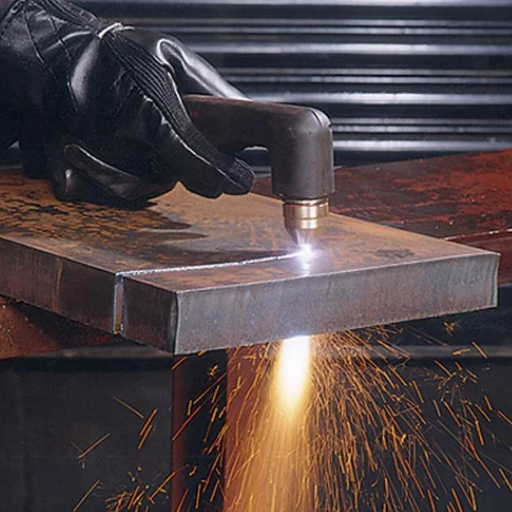
In plasma cutting applications, countless industries use this technique due to its efficiency and precision. Common applications include:
- Manufacturing: Plasma cutting is employed in metal fabrication for parts, machinery, and industrial equipment during industrial processes.
- Construction: It is used to cut structural steel and other metals for building and infrastructure purposes.
- Automotive: Procedure-wise, customizations, repairs, and plasma cutting operations need chassis and frame cutting.
- Shipbuilding: For plasma-cutting processes, this is done for cutting and repairing hulls, decks, and other components.
With all these applications, plasma cutting has proved to be an indispensable tool for industrial and creative sectors.
Industries Utilizing Plasma Cutting Services
With advancements in technology and continual refinements in plasma cutting systems, these processes are rapidly integrated into most industry fields. Increased automation in manufacturing, driven by CNC plasma cutting machines for precision and efficiency, appears to be a primary trend. Consequently, the renewable sector is also slowly embracing plasma cutting to erect and maintain wind turbines and solar panels. Thus, all these develop the trend of growing dependence on plasma cutting for conventional industrial processes and sustainable technologies, elucidating its key role in 21st-century production and innovation.
Common Uses in Metal Fabrication
Metal cutting using plasma assumes the basic role in the fabrication industry, where precision and speed are essential for a particular set of operations. It is mainly used in cutting and shaping sheets, plate metals, and structural parts into steel, aluminum, and copper. The technique is needed to do intricate design work, which extends to building custom parts and test beds for the automobile, aerospace, and construction industries. Plasma cutting is also used to repair and modify metal parts, providing a sound solution for large industrial projects and small specialized works. Its capability of dealing with metals of varied thickness has earned it a value across various fabrication situations, assuring quality and affordability.
Advantages of Plasma Cutting in Sheet Metal Cutting
- Precision and Accuracy: Plasma cutting ensures super-precision cutting, even for complex shapes or intricate designs, making it suitable for intricate patterns of sheet metal.
- Versatility: It can cut any type and thickness of metal, from thin sheets to really thick plates, providing universal freedom for a particular job.
- Speed and Efficiency: Plasma cutting is fast, which is why other cutting methods have long production times.
- Cutting with the Best Surface with Minimized Waste: It produces the best edges with minimum or no allowance for secondary finishing, thereby reducing waste.
- Portability: The newer plasma cutters are lightweight and portable; hence, the work can be done on-site, wherever needed.
Cost-Effective: Anticipating the costs and benefits: This versatility picks profits from reduced labor costs and increased efficiency.
Benefits of Using Plasma Cutting Services
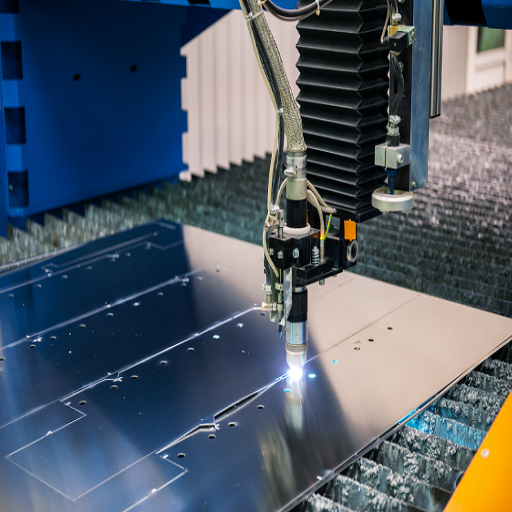
Precision and Accuracy: Plasma-cutting services give very accurate details, while the contours can be very intricate. Time Efficiency: Being a fast cutting process, plasma cutting allowed the work to be completed faster than with the usual cutting methods. Versatility: Able to cut almost all conductive materials, such as steel, aluminum, and copper. Cost Savings: Less waste of materials and less work of finishing, bringing down the project cost. Durability of Equipment: The finest plasma cutting machines and services have always ensured performance with guarantees over a lifetime.
High Cut Quality
A flawless cut with smooth edges dominates the factors favoring the utilization of plasma cutting across various industries. Modern plasma cutting machines with CNC systems generate clean, highly accurate cuts without distortion. Due to such a narrow kerf width, the cuts manufactured are, in fact, incredibly intricate and highly detailed and serve projects where accuracy is paramount.
This new technology can give a better name to cut quality for materials up to 2 inches and specific applications at least on par with laser cutting, as hailed by Hypertherm’s X-Definition plasma. In addition, a plasma cutter can cut up to 200 inches per minute (depending on the thickness and the material), cutting production time virtually in half with its excellent quality. The HAZ is the smallest, thereby ensuring that the material’s structural integrity is not compromised for dependable use in further fabrication processes. These factors place plasma cutting at the top of the list for the automotive, aerospace, and construction industries.
Efficiency and Speed in Metal Cutting
Plasma cutting has gained fantastic fame in metal fabrication for being highly efficient and quick. Newer technologies have refined precision while reducing costs, turning it into a method of choice for cutting. Using the sleek plasma cutters, one can now cut at a speed of 500 inches per minute on thinner materials like aluminum or stainless steel, an exact level of speed depending on the model and the system. Operators thus get the advantage of a high-speed system that can work much faster on a project than the vague times of old oxy-fuel-based cutting applications.
In addition, plasma cutting systems are equipped with features like CNC technology, which helps in accuracy and repeatability. An industry report of 2023 noted that with automated plasma machines, businesses could experience a 30 percent increase in productivity, giving a crucial edge to targeted companies in high-demand situations. These systems conserve energy and extend consumable life via better gas flow regulation and consumable design.
Plasma cutting’s versatility contributes to its efficiency. It requires little to no preparation to cut through a variety of conductive metals like iron, steel, aluminum, or copper. Combined with its operation on all IPMT layer choices—from 26-gauge sheets to one-inch-plus metal—this makes plasma cutting an indispensable process for industries requiring speed and precision.
Cost-Effectiveness Compared to Laser Cut
The advantages of plasma cutting have cost implications, which have been best proven to serve different sectors that generally focus on thick conductive materials. Plasma cutters usually entail a much lower initial investment, with machines for good plasma cutting starting at prices several times less than industrial laser cutters. Whereas laser cutting systems can finely detail and offer more precision when cutting thin materials, they are more expensive to buy, operate, and maintain.
In terms of operating costs, plasma cutting edges out its main competitor again. Plasma cutters consume inestimable amounts of energy compared to lasers; thus, they translate to cheap utility costs over time. Also, plasma cutting systems do not require many consumables, which reduces the replacement cost. A report from an industry analyst explained that laser cutters require specialized optic components, such as lenses and mirrors, and exact maintenance, which further adds to their life-cycle cost.
Plasma cutting becomes much faster and more efficient for anything thicker than about 0.5 inches, so it is preferred for working with heavy and dense metals. While it is exact for intricate designs on thin materials, laser cutting gets significantly slower as it goes through thicker materials, leading to larger labor and cycle times per project.
Essentially, the decision between plasma and laser cutting depends on project requirements. Still, plasma cutting remains a cost-efficient and practical solution for cost-saving applications, emphasizing ease of use, especially with thicker metals.
Choosing a Plasma Cutting Service Provider
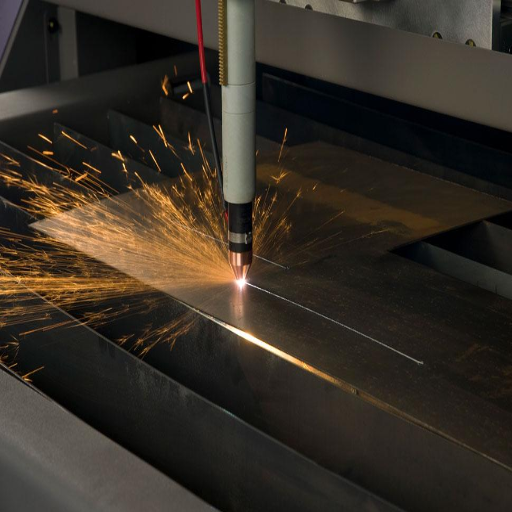
Key considerations when choosing a plasma cutting service:
- Experience and Expertise – Select plasma cutting providers who have satisfied plasma cutting needs in many circumstances. Experienced people can accomplish a task faster and in a quality manner.
- Equipment and Technology—Make sure the plasma cutter uses relatively new equipment and is in perfect working order, as this affects the precision and quality of the cut.
- Material capability – Any provider unfamiliar with working with the kind and thickness of materials important to your jobs should be discounted.
- Turnaround Time—Pick one service provider that will deliver on time before its deadline and will not compromise on quality.
- Pricing and Value—Try to find at least two or three providers for price comparison. Within that pricing circle, consider what each can offer in quality, consistency, and customer service.
- Customer reviews and references—Look at comments from previous clients or get some references to determine how trustworthy and consistent the provider is.
By looking into these, you will rationally choose a plasma cutting service provider that would fit your specific needs and project goals.
Key Factors to Consider
When choosing a plasma cutting service provider, several crucial factors need consideration. Here are five such considerations, set out in detail:
- Technical Expertise—Examine the provider’s technical capabilities, such as their experience working with steel, aluminum, or stainless steel, and providing sharp and complex cutting.
- Equipment Quality—Check that the provider is operating a newer generation plasma cutting machine that is kept in excellent condition. Newer equipment ensures better efficiency and accuracy in cutting.
- Turnaround Time—Assess whether the provider can meet your project deadlines without compromising quality. Along with your operation procedure, consistent delivery timings need to be maintained.
- Cost-Effectiveness—Look for the best possible service at a cheaper price. One should always balance price comparisons with other aspects surrounding the service’s value creation.
- Customer Support and Communication – Communication throughout the project is precious. Choose providers that answer your communication regarding your needs and concerns promptly and transparently.
By evaluating these factors, you can make an adequately informed decision to ensure the effectiveness and quality of your plasma cutting work.
Evaluating Cutting Services and Capabilities
Considering the cutting services, it must first be evaluated for any advanced technology or precision in work. Any service provider using state-of-the-art CNC plasma cutting machines will offer the best accuracy and efficiency. These cutting machines can perform complicated designs with an almost negligible margin of waste, resulting in efficient use of materials. Next to consider are the company’s records concerning project turnaround time and its agility in custom-defined requirements. Reviews and testimonials from previous customers will significantly assist in informing about the company’s reliability and performance. Discussing factors that could guarantee the service falls under your requirements and within the price-quality balance is essential; therefore, one should gather enough data before making decisions.
Reference Sources
1. Experimental Study of Mild Steel Cutting Process by Using the Plasma Arc Method
- Author: H. M. Magid
- Publication Date: 2021-10-01
- Journal: Journal of Achievements in Materials and Manufacturing Engineering
- Key Findings:
- This study investigates the plasma arc cutting (PAC) process, which is widely used for cutting various types of metals under different operating conditions.
- The research highlights the importance of parameters such as plasma gas pressure, scanning speed, and cutting power on the quality of the cut.
- Methodology:
- A systematic inquiry was conducted to assess the accuracy and quality of cuts, with statistical analysis performed on the results to determine the optimal cutting parameters(Magid, 2021).
2. Investigation of Cutting Qualities of AISI304 Stainless Steel Using Plasma Arc Cutting Method
- Authors: Şerafettin Hırtıslı, Oğuz Erdem
- Publication Date: 2024-12-04
- Journal: European Mechanical Science
- Key Findings:
- The study focuses on the plasma arc cutting (PAC) method for AISI304 stainless steel, analyzing the effects of various parameters on cutting quality.
- It concludes that the cutting quality is significantly influenced by gas pressure and cutting speed, with specific optimal conditions identified for minimal kerf taper.
- Methodology:
- Nine different experimental conditions were created based on gas pressure and cutting speed, and the results were analyzed to determine the best cutting parameters(Hırtıslı & Erdem, 2024).
- Authors: E. Sidorov et al.
- Publication Date: 2024-10-01
- Journal: Physical Mesomechanics
- Key Findings:
- This paper examines the structural features and phase composition in near-surface layers of aluminum and titanium alloys cut using plasma cutting with different polarities.
- It was found that the cutting mode significantly affects the thickness of the molten zone and the heat-affected zone, influencing the overall quality of the cut.
- Methodology:
- The study utilized optical and scanning electron microscopy, microhardness measurement, and X-ray diffraction to analyze the effects of plasma cutting on material properties(Sidorov, Grinenko, Chumaevskii, Rubtsov, Nikolaeva, Panfilov, Knyazhev, Cheremnov, Utyaganova, Osipovich, Gurianov, et al., 2024; Sidorov, Grinenko, Chumaevskii, Rubtsov, Nikolaeva, Panfilov, Knyazhev, Cheremnov, Utyaganova, Osipovich, & Kolubaev, 2024).
4. Top Plasma Cutting Parts Manufacturer And Supplier In China
Frequently Asked Questions (FAQs)
What are CNC Plasma Cutting Services?
CNC plasma cutting services utilize advanced computer numerical control technology to cut through metal using a plasma torch precisely. This process involves generating an accelerated stream of hot plasma that can efficiently cut through various metals like carbon steel and stainless steel. The CNC plasma cutter can execute intricate designs and patterns with high accuracy by employing a cutting table. The CNC plasma cutting process is often preferred for its speed and versatility, making it suitable for various applications, from industrial manufacturing to artistic projects. As a result, businesses can achieve clean plasma cut edges while optimizing their production capabilities.
How Do Plasma Cutters Use Thermal Cutting Technology?
Plasma cutters use thermal cutting technology to create a jet of hot plasma that can easily cut through metal. The plasma cutting process involves ionizing the gas, allowing electricity to flow through it, which generates extreme temperatures capable of melting metal. Due to its high speed, this method is particularly effective for cutting thick steel and other metals. Additionally, CNC plasma equipment often uses plasma cutting to enhance precision and efficiency in various applications. This innovative technology has revolutionized metal cutting methods, providing faster and cleaner results.
What is the Role of a Cutting Table in Plasma Cutting Work?
A cutting table plays a crucial role in plasma cutting work by providing a stable and flat surface for the cut material. This ensures the metal plate remains securely positioned during cutting, essential for achieving accurate results. The cutting table can also have features that facilitate the CNC plasma cutting process, such as integrated clamps and automated height adjustment. Furthermore, the cutting table’s design can influence the operation’s overall efficiency and safety, especially when working with a plasma cutting torch. Thus, investing in a quality cutting table is vital for businesses that rely on plasma cutting services.
What Are the Advantages of CNC Plasma Cutting?
CNC plasma cutting offers several advantages over traditional cutting methods, making it a popular choice for various industries. One significant benefit is its ability to cut through metals like stainless steel and carbon steel with high precision and speed. The CNC plasma cutting process minimizes material waste, as the cutting technology can achieve narrow kerf widths, resulting in cleaner plasma cut edges. Additionally, CNC plasma cutters can handle complex designs and shapes, offering angular cutting capabilities that are often challenging with other cutting tools. Overall, the efficiency and versatility of CNC plasma cutting make it an essential choice for modern manufacturing needs.
How Does Plasma Cutting Equipment Work?
Plasma cutting equipment creates a plasma jet that melts and blows away material from the workpiece. The process begins with a plasma cutter generating a high-voltage arc that ionizes the gas, transforming it into a stream of hot plasma. This stream can reach temperatures above 20,000 degrees Fahrenheit, cutting through thick steel and other metals effortlessly. The plasma cutting torch directs this hot plasma precisely onto the metal plate, making the cutting process highly efficient. Additionally, advancements in CNC plasma equipment have enhanced plasma cutting capabilities, allowing for intricate designs and improved cutting speed.


