Wisconsin Metal Parts marries decades of hands-on experience with the sharpest CNC and fabrication equipment you can find. Sharp tolerances and repeatable quality are never accidents here; they are the start and finish of each production run. Companies of every stripe, from buoyant start-ups to already-established producers, routinely lean on our shop for turned shafts, laser-cut brackets, or pilot quantities that have to move on deadline. Inside the paragraphs that follow, you will see how hydraulic presses, vision systems, and a crew that still remembers what a set-up sheet feels like come together to turn a good spec into a flawless part.
What Are Wisconsin Metal Parts Known for in CNC Machining?
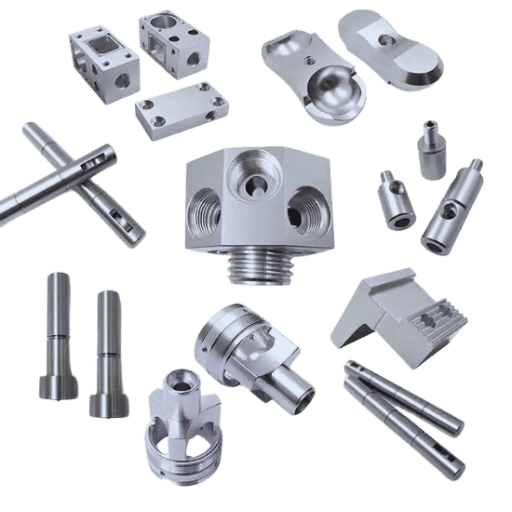
Wisconsin Metal Parts is known for the precision, reliability, and innovation that they bring to CNC machining. They finish custom metal components in very high-quality condition with very tight tolerances, maintaining accuracy and consistency through the project. Because of their state-of-the-art machines and highly skilled technicians, they deliver quick solutions to the particular needs of their clients. But there is more: they are known for always being a step ahead in delivery, simultaneously upholding predetermined quality standards; hence, they are a very reliable partner within the manufacturing industry.
Understanding Wisconsin Metal Parts’ CNC Machining Services
Wisconsin Metal Parts specializes in sophisticated CNC machining and boasts a capabilities portfolio that stretches from 5-axis vertical setups to 10-axis turning centers. The shop routinely processes aluminum, steel, and various engineering plastics while emphasizing exact tolerances, one-off custom runs, and essential post-machining tasks such as deburring and leak testing.
Advantages of CNC Machined Parts in WI
- Precision and Accuracy: The very essence of CNC machining lies in precision, with very tight tolerance placements on each finished part. Constant quality can be maintained, as this is critical to applications.
- Material Versatility: Supporting many materials such as metals (aluminum, steel) and high-performance plastics, it has various material requirements from industries.
- Efficiency in Production: Due to automation with little human intervention, CNC machining can attain faster production cycles and higher throughput levels.
- Customizability: CNC machining is easily customizable, thus making it very well suited for the manufacturing of prototypes as well as custom parts.
- Repeatability: A CNC machine guarantees production consistency for very large runs of parts, maintaining uniformity of designs irrespective of their extent of detail.
- Cost-Effectiveness: CNC machining lowers production costs over time, cutting down manual labor waste generation and operational process inefficiency.
- Complex Capabilities: Multi-axis machining creates these parts with geometrical intricacies and complexities beyond conventional methods.
- Secondary Operations Integration: Deburring, thread cutting, and leak testing are just a few secondary operations that can be integrated into the process, thus reducing handling.
- Durability and Strength: CNC-machined parts are strong and tough with very high mechanical strength and superb performance in demanding environments.
- Scalability: Based on their demand, CNC machine shops also undertake limited volume runs and very high-volume production.
Quality CNC Machined Parts: What Sets Them Apart?
Precision, material quality, surface finish, dimensional accuracy, durability, and compliance with industry standards distinguish high-quality parts machined with CNC equipment.
|
Key Point |
Description |
|---|---|
|
Precision |
High accuracy in machining processes. |
|
Material |
Use of certified, high-quality materials. |
|
Finish |
Smooth and consistent surface finishes. |
|
Accuracy |
Tight tolerances and dimensional consistency. |
|
Durability |
Long-lasting and robust components. |
|
Compliance |
Adherence to industry standards and certifications. |
How Does Metal Stamping Work at Wisconsin Metal Parts?
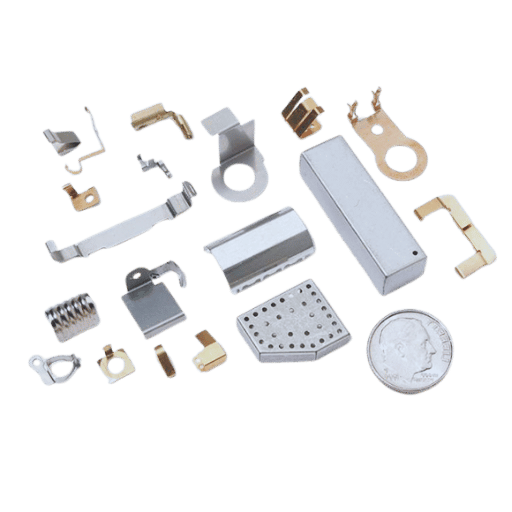
Exploring Metal Stampings and Their Applications
In manufacturing technology, metal stamping uses dies and presses to bend, cut, or otherwise shape flat sheets of metal into a variety of forms and components. This technique is versatile and economical, making it highly treasured by industries requiring precision, as well as vast amounts of it. Stamping makes parts that can serve an application’s mechanical demands through blanking, bending, punching, coining, and embossing.
Applications of Metal Stampings
Metal stampings found widespread application all over the industry: automotive, aerospace, electronics, and health industries. The automotive industry requires that stamped parts be safe for use in body panels, brackets, and engine components. Electronics take advantage of stamped connectors, terminals, and shielding components while healthcare uses precision-stamped surgical instruments and implantable devices.
Advantages Backed by Data
New technologies- sensors, real-time monitoring, adaptive controls- have modernized metal stamping more quickly than most shop floors can keep up. Allied Market Research recently pegged the global market at $198.3 billion in 2022, forecasting a 3.7 percent CAGR through 2032. Rising appetite for lightweight, high-strength alloys; ramping factory automation; and a renewed emphasis on closed-loop recycling are pushing orders higher with little sign of a plateau.
Key Features in Modern Metal Stamping Methods
In order to maintain the maximum efficiency and accuracy possible, modern metal stamping plants have implemented new technologies. They include:
- Automation and Robotics: These applications reduce lead time and maintain consistent quality from batch to batch.
- Computer-Aided Design (CAD): CAD software permits very accurate designs with tight tolerances.
- Material Utilization: Such refined advanced techniques help minimize waste of materials, thereby saving cost and supporting a green environment.
- Tool Quality: High-quality dies ensure high longevity for the tools and accuracy of output.
Metal stamping and its versatile applications make for an extremely important area in modern manufacturing. Wisconsin Metal Parts, with its talented workforce and modern technologies, provides high-performance solutions for all kinds of requirements.
Precision Metal Stamping Techniques
Precision metal stamping encompasses a suite of operations- punching, blanking, bending, embossing, coining, and deep drawing designed to transform flat stock into geometrically exact components.
Benefits of Using Metal Stampings in Manufacturing Solutions
- Low Cost: It is a speedily productive craft capable of producing large amounts of parts at a lower price, owing to lesser wastage of material and minimal labor.
- Uniformity and Accuracy: Modern-day stamping methods help maintain quality and ensure that components are produced with absolute adherence to practical dimensions-Namely, the application almost always requires optimum precision.
- Scalability: A smooth method of transitioning from small batch production to large-scale manufacturing without interruption.
- Design Flexibility: Metal stamping accommodates very complicated geometries and intricate designs, thus allowing for better versatility in product and component design.
- Material Efficiency: This process generally utilizes materials in the most efficient way, which minimizes material waste and encourages sustainability.
- Wide Material Compatibility: It can be employed on many metals and alloys like steel, aluminum, brass, copper, etc., thus affording many possibilities for material selection to suit any particular requirement.
- High Speed and Increased Productivity: Industrializing stamping speed ensures faster turnaround time for all manufacturing assignments.
- Durability and Strength: Components manufactured through metal stamping have better durability properties and can face more rigorous use.
- Lower Tooling Costs: The dies used in metal stamping, such as progressive and compound, help in segmentation and result in high tooling cost reduction over a period.
Why Choose Wisconsin Metal Parts for Fabrication?
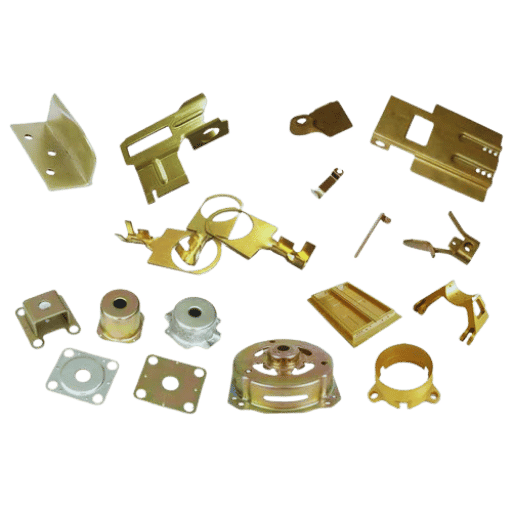
The Role of Sheet Metal Fabrication in Wisconsin Metal Parts
At Wisconsin Metal Parts, sheet metal fabrication is anything but routine; it supplies the high-quality, custom-engineered plates and housings that many clients consider essential. Advanced cutting, folding, and welding stations work side by side with stringent measurement controls to provide efficiency, accuracy, and repeatability. Those dependable components then travel to industries that cannot compromise on performance, bringing durability and versatility along for the ride.
Custom Metal Solutions for Various Industries
Wisconsin Metal Parts offers bespoke metal solutions tailored to the industry-specific needs of the automotive, medical, aerospace, and electronics industries. Utilizing the best of manufacturing processes such as precision stamping, CNC machining, and sheet metal fabrication, the company provides a component that meets even the tightly held standards of quality and performance. This flexibility also assures dependable performance for tasks like large-scale production and small-scale, specialized turnkey jobs.
How Fabrication and CNC Machining Work Together
For many engineers, the marriage of CNC machining and traditional fabrication feels almost instinctive. A CNC mill or lathe delivers a level of accuracy that readings on a micrometer can barely capture, transforming raw stock into intricate parts in a single setup. By contrast, welding, bending, and other shop-floor methods elbow those machined pieces together until they stand as coherent assemblies. Shuffling operations this way-easy, precise, robust-allows designers to tick the box marked stringent specs and still meet the deadline. Industries from aerospace to small-scale prototyping keep leaning on that blend because it simply works.
What Makes Wisconsin Metal Parts a Leading Metal Manufacturer?
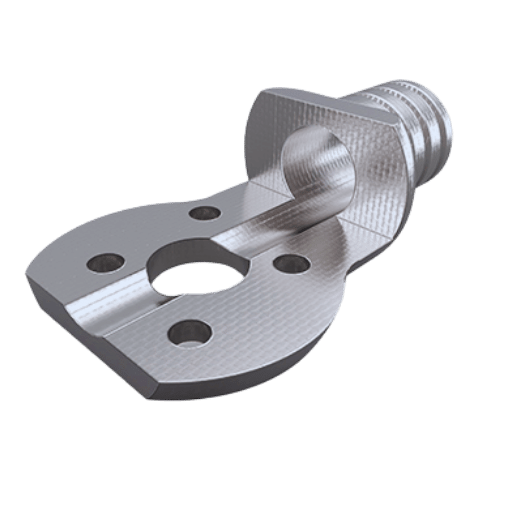
Exploring Manufacturing Solutions for Producing Metal Parts
Wisconsin Metal Parts pairs laser-focused engineering with first-rate manufacturing processes so customers receive metal components that arrive on-spec and on-time, every time. By merging proven craftsmanship with the latest technology, our team safeguards precision, trims waste, and builds reliability into every unit we release.
Advanced CNC Machining Capabilities
For all CNC machining and manufacturing works, truly modern technology with capabilities of ±0.0002 inches tolerance was in use. Such tight tolerance is usually demanded in aerospace, medical, and automotive industries as functionality and precision are non-negotiable. According to recent market statistics, the entire CNC machining market is forecast to increase at 7.6% CAGR between 2022-2030, thus showing the importance of CNC technology in present-day manufacturing.
Sheet Metal Fabrication Techniques
A dedicated portion of our practice centers on sheet metal work. Under that banner, we perform laser cutting, stamping, bending, and weld assembly, any of which can be tuned for a one-off prototype or a multi-thousand-piece run. Customers often remark that the laser-head lets them push filigree patterning to a depth of ±0.005 inch with no sacrifice in visibility or strength for visible parts. Industry analysts now forecast that global sheet-metal fabrication will eclipse $20 billion by 2027, thanks largely to rising spend in buildings, consumer electronics, and wind-and-solar hardware.
Material Expertise
Wisconsin Metal Parts works with various materials: stainless steel, aluminum, brass, and specialty alloys. We select materials by the needs of the actual application to make sure the product lasts well, has corrosion resistance, and performs well. The stainless steel market worldwide is projected to surpass $200 billion by the year 2030, with this metal considered fundamental for industrial applications.
Sustainability in Manufacturing
Wisconsin Metal Parts is committed to the integration of sustainability into its manufacturing processes. We minimize material use, set up recycling programs, and engage in energy-efficient practices to promote a global reduction in the carbon footprint within the manufacturing industry. Manufacturers are expected to reduce emissions by 50% come 2030, in consonance with international climate targets, thus rendering sustainable practices necessary for the long-term viability of any manufacturer.
With innovation and technical know-how, combined with attention to the customer, Wisconsin Metal Parts is a trusted partner for future metal manufacturing solutions delivered with data-driven insights and industry trends.
The Impact of Lean Manufacturing Products in Metal Fabrication
Lean manufacturing tools have quietly revolutionized the way metal shops get work done. By trimming excess steps, they chew through scrap, pare down expenses, and nudge up the finish quality most customers now expect. Fewer hold-ups mean crews hit tighter schedules, and smarter use of energy and raw stock eases the usual strain on both budgets and the planet. Shop owners like the steady, dependable standard those habits deliver without making reliability an afterthought.
Commitment to Quality and ISO Standards
The organization subscribes to the suite of ISO standards that govern quality management, environmental stewardship, and occupational safety. Certification under these norms signals that every stage of production, from raw materials to final inspection, unfolds within a repeatable framework. Routine internal audits, worker workshops, and process coaxing together form the backbone of our control system. The resultant discipline mirrors the performance yardsticks found in leading factories worldwide and undergirds our sustainability promises to customers and regulators alike.
How Can Business Development Drive Success in Metal Fabrication?
The Role of a Business Development Manager in Wisconsin Metal Parts
The Business Development Manager acts as the growth catalyst, always seeking opportunities while nurturing long-term relationships with existing and potential buyers. In brief, the Business Development Manager evaluates market trends, initiates strategic partnerships, and obtains new contracts for revenue. They work with internal teams to provide a product that fits the customer’s needs and satisfies them. Any business that acts as a bridge between market needs and company capabilities becomes a strong contender in the industry and really pushes towards long-term growth.
Strategies for Business Development in Metal Manufacturing
To successfully drive business development in the metal manufacturing businesses, it is all about implementing data-driven strategies. Trends and insights obtained from Google’s search engine analytics can be immense sources of information regarding customer needs, market shortages, and emerging technologies. For example, sustainability practices tied to the use of recycled materials and efficient resource management processes emphasize the need for environmentally friendly manufacturing. Meanwhile, diversification of offerings into new alloys and fabrication methods promotes the company as a leading force in the market.
Other important methods to consider include Industry 4.0 adoption: IoT-enabled machines and AI-powered process optimization would improve operational efficiency and reduce costs. Search engine data also indicates an increase in interest for local sourcing, equally suggesting that developing strategic collaborations with local suppliers will uplift the supply chain’s reliability while enticing clients who regard regional material as a priority. Another factor of growth comprises a targeted digital marketing campaign incorporating keyword research to generate visibility among potential customers, which will translate into sales and longevity for the business.
Growth Opportunities in the Wisconsin Metal Fabrication Industry
Diversification and innovation offer immense potential for growth in the metal fabrication industry in Wisconsin. The use of advanced manufacturing technologies, form as automated robotics and precision machinery-can speed up production and bring down costs. In addition, entering emerging markets associated with renewable energy components and electric vehicle infrastructure will align, thus meeting the rising global demand. Building stronger partnerships with local suppliers will lead to a more efficient supply chain, while upskilling targeted training ensures long-term competitiveness. These approaches provide businesses with the leverage to capitalize on evolving industry trends and grow their respective market shares.
Frequently Asked Questions (FAQs)
Q: What major processes in precision fabrication and CNC machining are provided by Wisconsin Metal Parts?
A: Wisconsin Metal Parts provides services such as laser cutting, die making, sheet metal fabricating, and CNC machining. All projects undertaken with our equipment are precise and of superior quality.
Q: What kind of fiber laser technology is Wisconsin Metal Parts using in its processes?
A: We use fiber laser cutting for our advanced manufacturing processes. This technology allows us to achieve a high degree of precision and efficiency in the cutting of a wide range of materials, suitable for both small- and large-scale production.
Q: Does Wisconsin Metal Parts consider complex tool and die-making projects?
A: Wisconsin Metal Parts considers projects complex tool and die making and offers custom solutions to suit the particular needs of clients. These experienced die-makers will assure top-quality die-making services for applications from aerospace to foodservice.
Q: Why should someone consider Wisconsin Metal Parts a very good metal fabricator in Waukesha?
A: Being a premier metal fabricator in Waukesha, Wisconsin, Metal Parts commits itself to quality and precision. This allows us to continuously produce parts and components of high standard through our expert workforce and top-of-the-line equipment.
Q: How does Wisconsin Metal Parts ensure the efficiency of contract manufacturing?
A: Contracts sit outside actual manufacturing operations, with efficiency learned through continuous improvement processes. We use lean principles in our operations to cut waste and nurture productivity, and in turn, deliver high-quality products on time.
Q: What industries are served by Wisconsin Metal Parts with their engineering and production capabilities?
A: Wisconsin Metal Parts covers a variety of industries directly involved in aerospace and foodservice. Our engineering and production capabilities are tailored for the special needs of each industry to provide the best parts and components.
Q: Does Wisconsin Metal Parts provide welding processes as part of its fabrication?
A: Yes, Wisconsin Metal Parts offers welding. Our welders are highly qualified, along with employ advanced equipment to ensure each welding operation meets high-quality standards, which benefits the overall strength and durability of the products.
Q: How does Wisconsin Metal Parts maintain its status as a one-stop metal fabrication solution?
A: Wisconsin Metal Parts offers a full spectrum of services from laser cutting to tool and die making, making it a one-stop solution. The company’s dedication to quality, precision, and customer satisfaction makes Wisconsin Metal Parts a name clients can rely on for all of their metal fabrication requirements.
Q: What materials does Wisconsin Metal Parts work with in fabrication projects?
A: In fabrication projects, Wisconsin Metal Parts will accommodate the myriad of materials required by its clients. Whether stainless steel, aluminum, or specialized alloys, the equipment can work with precision and efficiency.
Reference Sources
1. Nanoparticles Diminish Flaw Density in Laser-Printed Metals
- Authors: Henry Q. Afful
- Journal: MRS Bulletin
- Date of Publication: June 1, 2022
- Citation: (Afful, 2022, pp. 522-523)
Overview
- Porosity and other defects routinely spoil the integrity of aluminum components built by Laser Powder Bed Fusion. Researchers at the University of Wisconsin-Madison turned their attention to Al6061 alloy, probing why oversized spatters form and undermine mechanical performance.
- 4.4 vol% of TiC nanoparticles was blended with the powder; the introduced particles establish a capillary pressure barrier that halts droplet coalescence as layers fuse. The authors outline critical particle size and loading thresholds needed for the reliable processing of aluminum blends.
- High-resolution scanning-electron-microscope images reveal an almost spotless microstructure, while tomographic scans show that pores, perennial concern-are absent. Yield and ultimate strength measurements match those of conventionally heat-treated wrought Al6061, suggesting the approach yields usable aerospace-grade material.
2. Direct Metal Additive Manufacturing in the Automotive Sector
- Authors: Nanzhu Zhao and colleagues
- Journal: Journal of Manufacturing Systems
- Publication date: June 1, 2023
- Reference code: Zhao et al. 2023
Abstract:
- The article surveys recent progress in direct metal additive processes aimed squarely at automotive production. The writers argue that these methods can shave hours off lead times and trim the scrap typically born from machining.
- Key findings underline how alloy chemistry paired with layer-by-layer settings almost dictate tensile sturdiness and fatigue resilience. Swapping materials mid-run, nonetheless, remains a thorny hurdle many OEMs still sidestep while seeking tighter cost controls.
3. Chronic underfunding continues to hobble technology courses. In many Wisconsin districts, budgets slide each spring, and only barebones equipment is left by May.
4. A 2023 survey pored over the swings and climbing frames across the state. Heavy metals showed up in yard after yard, raising fresh alarms about childhood exposure. регионам.
6. Sheet metal