


The application of aluminum alloys in extreme industrial conditions where strength, durability, and weight are primary considerations has led to the creation of Aluminium 7050 in the aerospace industry. Industrial applications for the highest-strength alloy, prized for its excellent strength-to-weight ratio, corrosion resistance, and fatigue performance, lie toward aircraft design and manufacture. What makes Aluminium 7050 different, and why is it more favorable for aeronautical innovations? This article focuses mainly on Aluminium 7050: its properties, merits, and applications, as well as gravity information for engineers, manufacturers, and enthusiasts. The material that shaped the skies has been something you have probably thought about, and here you will find an answer. Continue reading and learn how aerospace innovations continue to be assured with Aluminium 7050.
What are the Mechanical Properties of Aluminum 7050?
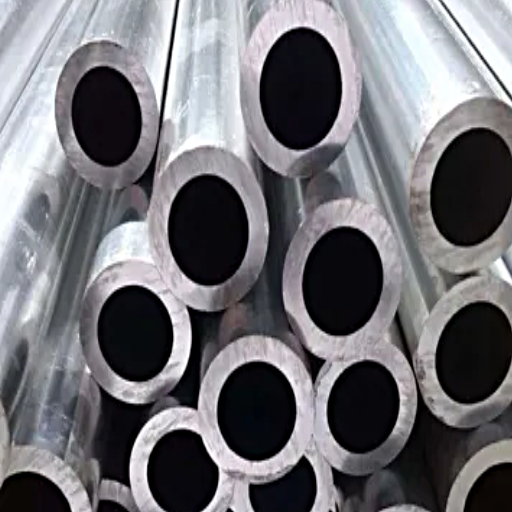
Aluminum 7050 offers superior strength, toughness, and corrosion resistance and is thus a good fighter for the aerospace industry. Its principal mechanical properties include the following:
High Strength: Aluminum 7050 offers remarkable tensile and yield strength and can withstand extreme stress and loads.
- Outstanding Toughness: Can resist challenging environments and impact.
- Corrosion Resistance: Provides good resistance to stress corrosion cracking and fatigue, particularly in moist or highly stressed environments.
- Heat-Treatability: Aluminum 7050 excels in heat treatment, further improving welding on mechanical properties.
Due to these properties, Aluminum 7050 is preferred for use in major aerospace parts such as fuselages, wing skins, and structural frames.
What is the Toughness of Aluminum Alloy 7050?
Aluminum Alloy 7050 is famed for its extreme toughness and is thus very much preferred for aerospace and other high-performance uses. Toughness is the ability of the material to absorb energy and resist fracturing under stress, and 7050 exceeds this in this respect, being optimized chemically and processed.
Fracture resistance is 7050’s foremost characteristic. Depending on the temper, K_IC (fracture toughness) values typically range in the 25-40 ksi·√in (27-44 MPa·√m) range, permitting its use under exacting circumstances and high-stress situations. It is, therefore, also an excellent crack propagation resistance, which ensures structural integrity in vital components.
Furthermore, 7050’s tough property persists even in low-thickness applications, making it suitable for situations calling for lightness coupled with strength. This metal’s low density and exceptionally high toughness make it extensively used as fuselage skin, wing panels, and aircraft bulkheads, where performance under duress is of paramount importance.
Since maximum toughness is desired, the 7050 alloy would generally be employed in a temper like T7451, which offers a good compromise between strength and damage tolerance. These properties, together with its inherent resistance to stress corrosion cracking and fatigue, make Aluminum Alloy 7050 a rigid material and one intended for long-term operation under arduous circumstances.
How Does 7050 Aluminum Compare to Other Alloys?
Al-Zn-Mg alloy 7050 aluminum wonderfully resisted stress corrosion, with some added toughness and strength retention in thick sections, where it did better than 7075.
|
Parameter |
7050 Aluminum |
7075 Aluminum |
6061 Aluminum |
|---|---|---|---|
|
Strength |
High |
Very High |
Moderate |
|
Toughness |
Excellent |
Good |
Moderate |
|
Corrosion |
Superior |
Good |
Excellent |
|
Applications |
Aerospace, Defense |
Aerospace, Sports |
General-purpose |
|
Machinability |
Good |
Fair |
Excellent |
|
Cost |
Higher |
High |
Lower |
What is the Chemical Composition of Aluminum 7050?
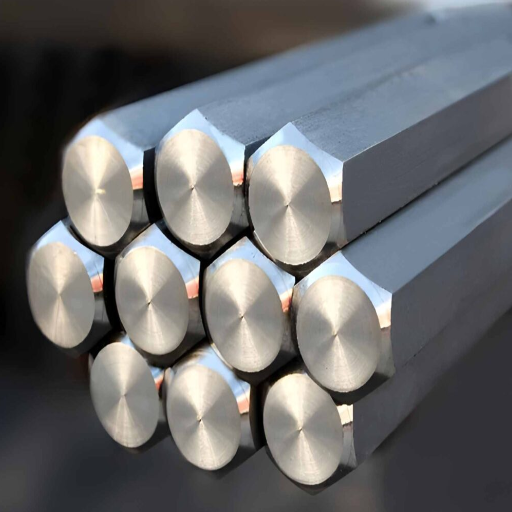
For high-performance materials in the critical industries, Aluminum 7050 fulfills every criterion. But what endows 7050 with such high strength, durability, and resilience to extreme procedures? It is the carefully designed chemical composition that holds the key. One can grasp its unique properties by knowing the exact elements that make this alloy, which is why it is found in diverse applications from aerospace to defense. This article goes into the details of Aluminum 7050, working its way through the percentages of zinc, magnesium, and copper, and then describing how their combination results in one of the most trusted materials for high-stress environments.
Key Elements in the Chemical Composition of Alloy 7050
Aluminum 7050 is primarily an aluminum-based alloy, but the enhanced strength, corrosion resistance, and durability are attributed to its specific chemical composition. The principal constituent elements are:
- Zinc (5.7%—6.7%): Zinc is the major alloying element in 7050. It greatly increases the strength of the alloy and renders it suitable for use in high-stress applications, especially aerospace structures.
- Magnesium (1.9% to 2.6%): Magnesium, in combination with zinc, improves the alloy’s mechanical properties, imparting a high strength-to-weight ratio and corrosion-resistant characteristics.
- Copper (2.0% to 2.6%): Copper increases the alloy’s toughness and resistance to stress-corrosion cracking.
- Iron, Silicon, etc. (trace amounts): Some trace amounts of iron, silicon, and other elements are present to manipulate certain material properties under specific conditions so that they fit particular needs.
These ingredients are balanced in the manufacturing process so that Aluminum 7050 continues to live up to its reputation as a tried and trusted material for critical structural applications.
How Does the Composition Affect Aluminum 7050’s Properties?
Aluminum 7050’s specific composition is intentionally tailored to maximize mechanics and chemical peculiarities for its performance in high-stress applications, aerospace being one of them. The following are listed tas he contributions to the overall performance of the alloy of its primary ingredients:
- Zinc (5.7-6.7%)
Most of the alloying elements of Aluminum 7050 contain zinc, which plays a crucial role in strength enhancement by precipitation hardening, yielding an alloy capable of standing heavy loads. Yet, high zinc content improves its corrosion resistance relative to other 7xxx series alloys, a feature that favors its use in humid or saline environments.
- Magnesium (1.9-2.6%)
Magnesium is an essential element that works closely with zinc to form intermetallics during heat treatment. These intermetallics increase the toughness of the alloy and its ability to resist deformation under stress. With magnesium present in 7050, corrosion resistance is also improved, especially stress corrosion cracking, which is significant in marine and aerospace environments.
- Copper (2.0-2.6%)
This adds strength to the alloy and is also effective at increased temperatures. On the flip side, it makes the alloy a little more susceptible to oxidation, and it has to be controlled very carefully in manufacturing to achieve the necessary balance between strength and durability. These copper contents provide Aluminum 7050 with high fatigue and fracture toughness.
- Zirconium (0.08-0.15%)
It is significant for grain refinement. By attaining uniform fine grains, zirconium helps improve toughness, fatigue resistance, and stability during heat treatment. Uniform grain structure limits the crack propagation potential within the material itself.
- Other Trace Elements (Iron, Silicon, etc.)
Trace elements such as iron and silicon are—they say—hardly controlled. Preventing the formation of undesired inclusions that might weaken the alloy is essential. Stabilizing the structure to some extent during manufacturing while fine-tuning strength and machinability is also essential.
Performance Highlights
Having balanced those elements, Aluminum 7050 displays the following main properties, with recent studies to support the claim:
- Ultimate Tensile Strength (UTS): Up to 524 MPa (76,000 psi) under optimal temper conditions, such as T7451, is highly suitable for applications requiring a very high load.
- Fatigue Strength: Excellent fatigue resistance ensures reliability under cyclic loads, such as in aircraft wing components.
- Corrosion Resistance: Superior resistance to stress corrosion cracking, compared to its older aluminum counterpart, i.e., 7075, thereby ensuring a far better resistance to a harsh environment.
- Density: 2.83g/cm3, which will impart an excellent strength-to-weight ratio, required by aerospace applications.
These optimized properties have rendered Aluminum 7050 very much in demand in places where performance, durability, and reliability are unquestionable. However, the engineers concerned constantly refine the composition and treatment processes to fit the present industry’s growing demand.
How Does Aluminum 7050 Perform in Terms of Corrosion Resistance?
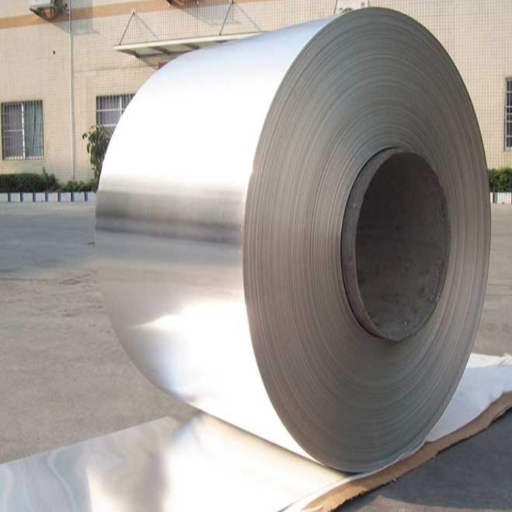
For corrosion resistance, aluminum 7050 stands at the pinnacle of materials, more so under conditions favoring stress corrosion cracking. More heat treatments increase its resistance against moisture, salt, and other elements-agents of corrosion. Such a property makes it ideal for aerospace applications, where the structure must withstand harsh conditions while retaining integrity.
Understanding Stress Corrosion Cracking in 7050 Aluminum
Stress corrosion cracking (SCC) in 7050 aluminum is one of the critical problems being addressed in disciplines wherein structural reliability is essential, namely, aerospace. Stress corrosion cracking occurs when tensile stress and a corrosive environment initiate and propagate materials’ cracks. While 7050 aluminum is very resistant to SCC compared to other high-strength alloys, it cannot be regarded as immune to it.
The susceptibility of 7050 aluminum in SCC depends on different factors such as the temper condition, residual stresses, and the environmental factors it is exposed to. Further studies have shown that the T7351 temper drastically improves the material’s resistance to the cracking caused by SCC compared to the T6 temper. Additional research reveals that 7050-T7351 shows improved resistance to cracking because of the optimization in precipitation of the microstructure, thereby reducing internal stresses and promoting a more uniform distribution of the corrosive effect.
Environmental conditions, in general, can trigger the induction of SCC, and chlorine ions in saltwater are a triggering factor. Reports show that under sustained tensile loads, prolonged subjection to these kinds of environments can engender intergranular or transgranular cracking, particularly in aluminum alloys. To mitigate incidences of SCC, an inspection regime and stress-relieving treatments, such as shot peening, are also proposed.
Further surface treatments, such as anodizing or coating, may provide extra protection against corrosion, especially for parts exposed to marine and humid environments. Preventing these circumstances will thus help ensure the long-term functioning and safety of components made from 7050 aluminum.
What is Exfoliation Corrosion Resistance in Aluminum Alloy 7050?
Exfoliation corrosion is the severest kind of intergranular corrosion that occurs when the corrosion products expand along the grain boundaries, leading to the pealing of the layers of material from the surface. Because of its composition and heat treatment, Aluminum Alloy 7050, which is high strength and resistant to stress corrosion cracking (SCC), has comparatively better exfoliation corrosion resistance than other aluminum alloys.
Resistance to exfoliation corrosion in 7050 aluminum is bestowed through a controlled balancing of zinc, magnesium, and copper during its alloying process. These elements collectively reduce the chances of grain boundary corrosion in highly humid or salty environments, such as those of a marine environment. Further, it undergoes appropriate heat treatments such as T7451, which alleviate residual stresses and impart better resistance to exfoliation.
Since the evaluation of performance and industrial data reveals that aluminum 7050 has superior exfoliation resistance, 7050 aluminum has increased in aerospace applications. Having been evaluated according to ASTM G34 (Standard Test Method for Exfoliation Corrosion Susceptibility in 2XXX and 7XXX Series Aluminum Alloys), 7050 has consistently bettered 7075 aluminum in the resistance to exfoliation in aggressive environments. The difference observed while testing is based mainly on the exfoliation corrosion rating, in which 7050 alloy attains a rating in the EA or EB class (spectacularly minimum to moderate attack), which makes it desirable for higher-order structural applications.
Applied with chromate conversion coating and anodizing surface treatments, 7050 aluminum’s excellent exfoliation corrosion resistance can be even better. This makes it indispensable when long-term reliability and robust environmental performance are guaranteed, such as in aircraft fuselages, wing skins, and marine hardware.
Comparing Corrosion Resistance with Other Aluminum Alloys
Pure aluminum of the 1xxx series holds the most outstanding value concerning corrosion resistance, whereas 7xxx series alloys such as 7075 and 7050 exchange corrosion resistance for strength.
|
Parameter |
1xxx Series |
5xxx Series |
6xxx Series |
7xxx Series |
|---|---|---|---|---|
|
Corrosion |
Excellent |
High |
Moderate |
Low |
|
Strength |
Low |
Moderate |
Moderate |
Very High |
|
Applications |
Electrical, Foils |
Marine, Tanks |
Structural, Marine |
Aerospace, Sports |
|
Main Alloy |
Pure Al |
Mg |
Mg, Si |
Zn, Mg |
|
Cost |
Low |
Moderate |
Moderate |
High |
What Are the Physical Properties of Aluminum Plate 7050?
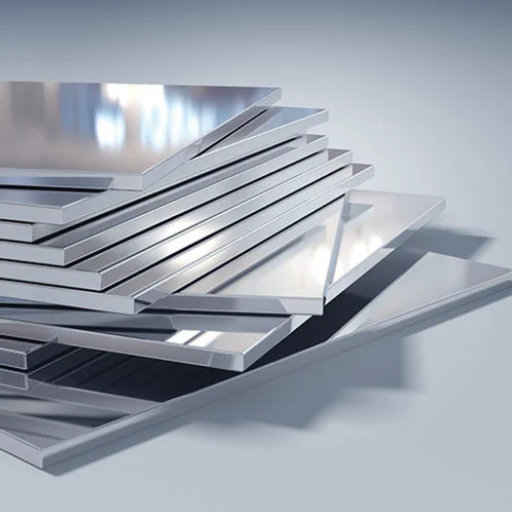
Aluminum plate 7050 is renowned for being a high-strength aluminum alloy with excellent corrosion resistance, especially under adverse conditions. The 7050 aluminum density is approximately 2.83 g/cm³, rendering it light yet sturdy. The material exhibits high tensile strength, up to 83,000 psi (572 MPa), and superior fatigue strength. Furthermore, 7050 aluminum exhibits excellent fracture toughness, ensuring the alloy can sustain adequate stress during use. Moderate machinability with thermal conductivity makes it invaluable in aerospace and structural applications.
Density and Weight Considerations for 7050 Aluminum Plate
An aluminum plate with a density of 2.83 g/cm³ has been given significant consideration in affecting its lifespan for given applications. This density is enough to allow the material to stay light, which is of utmost importance in the aerospace industry, where weight reduction is crucial to conserve fuel and enhance efficiency. Aluminum-grade 7050 boasts a higher strength-to-weight ratio than other materials of equal strength. This makes it highly sought after for the components that need to be sturdy but lightweight–such as aircraft exposures or frames subjected to high stress.
Reference Sources
1. Electrochemical Behavior of Additively Manufactured 7050 Aluminum Alloy in Chloride Environments
- Authors: Rupesh Rajendran et al.
- Published: October 9, 2022
- Journal: ECS Meeting Abstracts
- Key Findings:
- Investigated the electrochemical behavior of 7050 aluminum alloy produced through additive manufacturing, focusing on its corrosion resistance in chloride environments.
- The study found that the microstructural differences between additively manufactured and wrought alloys significantly affect their electrochemical performance.
- Methodology:
- The research included polarization and electrochemical impedance tests to evaluate corrosion resistance, alongside immersion tests to assess localized corrosion behavior.
- Authors: Yuhua Jin et al.
- Published: December 20, 2022
- Journal: Fatigue & Fracture of Engineering Materials & Structures
- Key Findings:
- Investigated the impact of residual stresses on fatigue crack growth in 7050 aluminum alloy friction stir welds, identifying critical regions for crack initiation and propagation.
- Methodology:
- The research involved fatigue testing and microstructural analysis using scanning electron microscopy (SEM) to observe crack paths and initiation points.
3. Top Aluminum CNC Machining Parts Manufacturer And Supplier In China
Frequently Asked Questions (FAQs)
Q: What is 7050 aluminum alloy ,and what are its key properties?
A: 7050 aluminum alloy is a heat-treatable alloy known for its high strength and good stress corrosion cracking resistance. Due to its superior mechanical strength and performance, especially in thicker sections, it is particularly favored in aerospace applications.
Q: How does the 7050-t7451 temper differ from other tempers of 7050 aluminum?
A: The 7050-t7451 temper offers enhanced mechanical properties, making it suitable for critical aerospace applications. It is processed to achieve optimal strength and stress corrosion resistance, while 7050 alloy is available in two tempers, including one with slightly lower strength levels.
Q: Is 7050 aluminum alloy weldable?
A: While 7050 aluminum alloy can be welded, it is not as weldable as other alloys like 7075 due to its susceptibility to stress corrosion cracking. Special considerations and techniques are necessary when welding, especially in aerospace applications.
Q: What are the primary uses of 7050 aluminum alloy in the aerospace industry?
A: 7050 aluminum alloy is primarily used in aerospace applications for components that require high strength and resistance to stress corrosion cracking. It is commonly found in aircraft structures, fuselage panels, and wing components.
Q: What is the significance of AMS 4050 about 7050 aluminum alloy?
A: AMS 4050 is a specification that defines the requirements for 7050 aluminum alloy plates and sheets used in aerospace applications. It ensures the material meets specific strength properties and quality standards for safety-critical components.
Q: How does the mechanical strength of 7050 alloy compare to alloy 7075?
A: While 7050 and alloy 7075 are popular 7000 series aluminum alloys, 7050 typically exhibits better stress corrosion cracking resistance and is preferred for thicker sections. However, alloy 7075 may offer slightly higher strength properties in some tempers.
Q: What is the quench process concerning 7050 aluminum alloy?
A: The quench process is a critical step in the heat treatment of 7050 aluminum alloy, enhancing its strength properties. It involves rapidly cooling the alloy after heating to lock in desired mechanical characteristics, essential for achieving optimal performance in aerospace applications.
Q: Can 7050 aluminum alloy be used in heavy plate applications?
A: Yes, 7050 aluminum alloy is suitable for heavy plate applications due to its high strength and good stress corrosion cracking resistance. This makes it ideal for significant components in aerospace and other industries that require durable materials.
Q: What are the benefits of using 7050-t7651 temper in aerospace applications?
A: The 7050-t7651 temper is known for its excellent mechanical properties and stress corrosion cracking resistance. It is particularly beneficial in aerospace applications where high strength at sub-zero temperatures is required, ensuring reliability in extreme conditions.


