


Working out the metal pieces involves procedures, which include cutting or machining, but the difference between these two terms is really important when selecting the right process for one’s project. Both are part of metalworking and perform distinct functions, being suitable for specific uses. Here is an insightful discourse into the main distinguishing characteristics between cutting and machining; methods, tools, and practically oriented considerations. If you are a manufacturer, engineer, or someone curious about metal fabrication, this guide will undoubtedly provide you with some crucial insight to help you perform better in deciding something to achieve high-precision results in your practical work.
What is Metal Cutting?
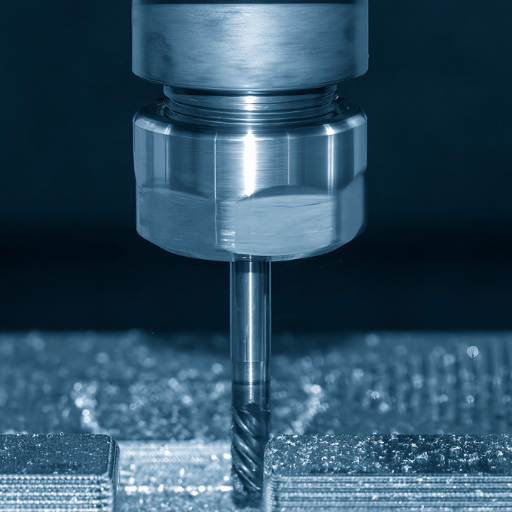
Metal cutting is a process by which material is removed from a metal workpiece to achieve the required dimensions and form. Saws, shears, or cutting blades are the tools that basically do the cutting. Metal cutting is widely used in industrial sectors for the manufacture of parts with accurate dimensions and smooth finishes. It is basically an intermediate manufacturing step that ensures parts meet design specifications and functional requirements.
Understanding the Process of Cutting Metal
In the cutting of metal, there are a few important factors to consider to ensure an efficient and precise process. The first step involves choosing the right cutting tool that depends on the type of metal to be cut and the desired results; examples of these cutting tools include lasers, plasma cutters, or mechanical cutting tools such as lathes and milling machines. Second, the material to be cut must be fixed properly so that it does not move in the cutting process. The cutting continues layer by layer to remove pieces of the material until the final shape or size is produced. Consideration of cutting speed, pressure, and tool condition are among the most important variables that can directly affect the quality of the work, including the smoothness of the surface finish. For the cooling of the cutting operation, lubricants or coolants are used to reduce the amount of heat generated and to safeguard the said material and tools from any damage. Knowing what to do during cutting is vital for the precision of metal cutting.
Types of Cutting Tools Used in Metal Cutting
The cutting tools for metal cutting are mainly divided into two categories: single-point and multi-point tools.
- Single-Point Cutting Tools: These types of tools, such as lathe tools, are those Fastest cuttingetechnology with only one cutting edge and usually used in turning and shaping operations.
- Multi-Point Cutting Tools: Drills, milling cutters, and grinding wheels are examples that have different cutting edges to remove material efficiently.
The selection of the cutting tool depends on the material being cut, the desired precision, and the type of machining operation.
How Does Metal Cutting Differ from Machining?
Metal cutting and machining differ primarily in their scope, methods, tools, and level of complexity.
| Key Point | Metal Cutting | Machining |
|---|---|---|
| Scope | Simple cut | Broad processes |
| Method | Single action | Multiple steps |
| Tools | Basic tools | Specialized tools |
| Complexity | Low | High |
| Material | Single focus | Diverse focus |
| Precision | Lower | Higher |
How Does Machining Work?

Machining works on removing material from a workpiece so that it is able to be formed into the desired shape. This removal is done by cutting, drilling, grinding, or some other process with the use of tools and machinery. The material is generally taken off in layers, with the movement of the machine and the precision of the tool being controlled to acquire very accurate dimensions and a smooth finish.
Machine Tools: Application in Machining
Machine tools are at the heart of machining processes in the manufacture of fine components. The essence of machine tools, such as lathes, milling machines, and grinders, is exact material removal for shaping workpieces that meet precise specifications. Modern machine tools are CNC operations, with CNC standing for computer numerical control, where automation operations are extremely precise. For example, claims were made that CNC machining allows tolerances as small as ±0.0001 inches, extremely required in aerospace and medical device manufacturing.
Moreover, these tools enabling the machining process are rapidly evolving with smart tool technologies integrated into them. Real-time monitoring, predictive maintenance, and AI-driven optimization are just a few features that help to minimize downtime and maximize efficiency. As per the Global CNC Machine Market analysis, its size was USD 79 billion in 2022 and expected to exceed USD 110 billion by 2028 on account of rising demand for precision and automation in manufacturing. These advances hence reiterate the importance of machine tools in machining today, allowing shorter production cycles, better accuracy, and lesser waste, which are all requirements presently put forth by modern industries.
Understanding Different Machining Processes
Machining processes form the core of manufacturing industries. They provide an array of shaping, cutting, and finishing techniques for materials, assuring precise dimensions and desired qualities. Some of the most common machining processes consist of:
- Turning: Here, the workpiece is rotated while a cutting tool removes material. Normally performed on a lathe, turning is best for creating cylindrical shapes.
- Milling: This process involves rotary cutters to remove material by advancing the cutter into the workpiece. It is very versatile and can be used to create a wide variety of shapes, slots, and holes.
- Drilling: Drilling is used to create round holes in a workpiece, with a rotating drill bit cutting to the required depth and diameter.
- Grinding: This finishing method is used to achieve surface finish, and tolerances are quite accurate. Grinding involves using an abrasive wheel to remove fine amounts of material from the workpiece.
- EDM (Electrical Discharge Machining): The non-traditional approach can shape hard metals with materials considered difficult to machine through conventional methods.
Each of the machining process targets particular applications, the choice of the machining method depending on good knowledge regarding material type, machining accuracy, and production scale. Having a good view of these different machining methods is key to finding the greatest efficiency and quality in today’s manufacturing systems.
The Importance of Precision in Metal Machining
Precision in metal machining is crucial for raising the quality of components, especially in aerospace, automotive, and medical device manufacturing industries where tolerances are extremely tight. Precision ensures that a part actually performs its intended function, fits well with other components, and increases the durability of the final product. It was reported that modern CNC machining can hold tolerances in the range of ±0.001 inches, or even tighter when the situation demands it, depending on machinery and method applied.
Precision machining cuts down on the wastage of material and so also cuts costs tremendously in large-scale production. For instance, a MarketsandMarkets report stated the global precision machining market as projected to grow at a compound annual growth rate (CAGR) of over 6% from the period 2021 to 2026, triggered by increases in demand for efficient manufacturing processes. Technologies for achieving precise details and complex geometries include 5-axis machining and laser cutting. Also, integrating automation and monitoring systems with artificial intelligence into machining processes have improved both precision and repeatability while significantly limiting human error.
This drive for precision has also encouraged the development of tooling materials and cutting fluids. For instance: advanced carbide and diamond-coated tools are being widely applied to accurately machine ultra-hard metals like titanium and superalloys. Thus, precision machining offers benefits to the manufacturers, in terms of the capability for precision, safety, and attributes of the manufactured parts; the capability of manufacturers to compete at the world level is another factor. Thus, mastering precision machining becomes a major player in meeting the stringent requirements of modern-day engineering and manufacturing.
Key Differences Between Machining and Fabrication
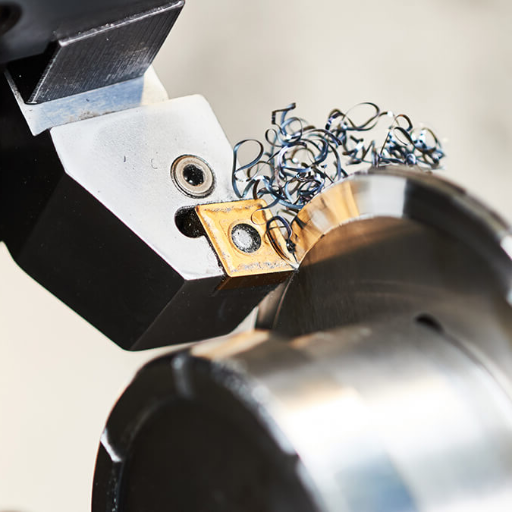
The difference between machining and metal fabrication mainly lies in their processes and objectives. The machining process involves cutting, shaping, or removing material from a workpiece in order to make precision components using lathes or mills. On the other hand, metal fabrication concerns assembling or forming metal structures through welding, bending, or cutting. Machining implies precision and reproducing details, whereas metal fabrication tends to concern much bigger structures or assemblies. Both manufacturing, yet with separate specialties, depending on what is to be realized.
Metal Fabrication Methods
Metal fabrication includes an extensive range of techniques to bring metal into shape and assemble it into a functional structure or product. Welding is probably the most widely used method, joining metal pieces by melting and fusing them. Other techniques involve cutting to specified dimensions using tools like plasma cutter, laser cutter, or saw. Bending is used to press brake or manually maneuver metal into the shape desired. The others include stamping, where metal is shaped using a die, and fabrication methods such as casting or forging. If used in tandem, these methods can produce everything from small intricate components to large industrial facilities, basically making metal fabrication a very flexible and precious trade in almost every industry.
Comparing Metal Fabrication and Machining
Metal fabrication typically involves shaping, cutting, and assembling metal, while machining focuses on precision cutting and shaping with tools.
| Key Point | Metal Fabrication | Machining |
|---|---|---|
| Primary Process | Shaping & joining | Precision cutting |
| Tools Used | Press, welders, dies | Lathes, mills, CNC |
| Material Waste | Minimal | Comparatively more |
| Application | Large structures | Complex components |
| Cost | Generally lower | Higher per piece |
| Tolerance | Lower precision | High precision |
| Automation | Partial automation | Highly automated |
| Speed | Generally faster | Slower per unit |
When to Choose Fabrication over the Machining
I usually choose fabrication over machining when the project requires creating large structures or components that do not demand extreme precision.Fabrication is used for cases in which minimization of wasted material and cost are key factors. Speed is the most prominent criterion if the design can be achieved by shaping, welding, or other joining processes, in which case fabrication is more efficient and economically cheaper.
Which Manufacturing Process Involves Machining or Metal Cutting?

- Turning: Given on the lathe, whereby the workpiece is rotated as the cutting tool shapes it.
- Milling: The process involves using rotary cutters to remove material from a stationary workpiece.
- Drilling: The process of drilling holes in a material to a certain dimension by means of a rotating drill bit.
- Grinding: By using an abrasive wheel, it imparts high-precision finish or dimensions.
- Sawing: Cuts the material into smaller sections using a blade outfitted with teeth.
Subtractive Manufacturing At A Glimpse
Subtractive manufacturing encompasses all kinds of techniques involving material-removal from a larger piece to obtain the desired shape, dimension, and surface finish. It comprises machining, grinding, and cutting techniques. The additive manufacturing methods go layer by layer forming the objects, whereas the subtractive manufacturing methods start with a solid block or sheet of material (could be metal or wood or plastic) and slowly remove material until the desired product comes out.
These processes are best suited to the aerospace, automotive, and precision engineering industries as they enable the realization of intricate designs with very tight tolerances. For instance, subtractive manufacturing can maintain very tight tolerances of ±0.001 inches (±0.0254 mm) to produce very detailed parts like engine parts or surgical instruments. Today’s CNC machines have enhanced the whole scope of subtractive manufacturing, helping new products come out quicker, with fewer errors, and greater efficiency supplemented by consistent accuracy.
Statistically, the global CNC machining market size stood at approximately $76 billion in 2022 and is expected to grow at a CAGR of roughly 7% from 2023 to 2030. Such growth is a reflection of the continuing need for high-quality, precision-engineered products from all industries. Moreover, developments in technology such as multi-axis machines and tight integration with CAD/CAM software serve to simplify subtractive manufacturing processes, reducing waste while rather boosting productivity.
Classification of Conventional Machining Operations in Manufacturing
- Turning- The rotation of the workpiece that is being cut using a stationary cutting tool, generally done for machining cylindrical parts.
- Milling- Any of several versatile operations in which a rotating cutting tool, such as an end mill or face mill, removes material from a
- stationary workpiece with the objective of creating complicated workpiece shapes or surfaces.
- Drilling- The process of causing accurately sized cylindrical holes in a workpiece using a rotating drill bit.
- Grinding- A finishing operation carried out by means of an abrasive wheel to obtain a high surface finish and high dimensional accuracy.
- Cutting- A general operation where unnecessary material is cut away to form a component; saws or laser cutters are often used.
Metal Machining and CNCs
The CNC technology increases precision, productivity, and repeatability of the metal machining operations. CNC systems automate machining operations with computer-controlled instructions to execute the task very accurately while eliminating any chances of human error. CNC systems lead to faster production times and repeatable results with more complex designs, with minimum material wastage. The CNC also enhances safety in the machining processes by reducing direct human involvement in potentially dangerous processes.
How to Select the Right Cutting Tool for Your Project?

- Material Type: Select a cutting tool for the material you are working with: metals, plastics, or wood.
- Tool Geometry: Select a tool of the right shape and size for the cut desired and its level of precision.
- Coating and Durability: Tools should be chosen over those that have coatings which give extra durability and performance, particularly when the tool is used against hard material or at high speeds.
- Machine Compatibility: Ensure the tool is an appropriate tool for your CNC machine and for the speeds and feeds of its operation.
- Project Requirements: The tool chosen for your project should correspond with your expectations for finish, tolerance, and design complexity.
Factors to Consider When Choosing Cutting Tools
- Material Type: Your choice of the cutting tool greatly depends on the material you work on. For example: tools used for aluminum or steel differ from tools used for plastic or wood.
- Tool Geometry: The shape of the tool, the angle, and design all have a high impact on its performance during cutting; therefore, it is important to match tool geometry to material properties and machining outcomes required.
- Cutting Speed and Feed Rate: Consider the ability of the tool to withstand proper cutting speeds and feeds without compromising greatly on its lifetime and winning quality of the final cut.
- Tool Longevity and Maintenance: The better the quality of materials used for building a tool, including its coatings (such as carbide or diamond coatings), the longer the tool lasts and the lesser will be the maintenance or replacement.
- Cost: Consider the original cost of the tool as against its performance and life. Sometimes paying more for a better tool can prove to be less costly in the long term due to greater efficiency and less wear.
- Specific Application Needs: The specific needs of your application, such as cutting depth, surface finish, and precision, are to direct your choice in cutting tools to ensure the right results for your project.
Understanding Cutting Tool Materials and Coatings
Cutting tool materials and coatings are some of the most important criteria in deciding tool performance and lifetime. The material designing a cutting tool affects its hardness, toughness, and resistance to wear, whereas, with the help of coatings, surface properties are enhanced, friction decreases, and thermal resistance is augmented accordingly. Commonly used materials for cutting tools are high-speed steel (HSS), carbide, and ceramics. These materials have their application chart; for example, carbide tools are excellent for high-speed machining and machining harder materials, while HSS would be preferred for their flexibility and cost-effectiveness.
Coatings provide another upgrade in durability and effectiveness for tools. Such coatings lower heat buildup, keep material adhesion at bay, and thus enormously increase tool life. Proper consideration of the combination of the substrate material and its coating will allow the optimization of the tool for demanding applications to realize precise dimensioning, savings on cost, and better quality finish.
Optimizing Feed Rate and Cutting Speed
Feed rate and cutting speed optimization is necessary for making the machining operation efficient enough without compromising the integrity of the tool. The feed rate is the distance that a cutting tool moves along the workpiece for every revolution of the spindle, whereas cutting speed is the peripheral speed at which the cutting edge of the tool is engaging with the workpiece. High feed rates yield high production, but compromise surface finishes and tool life if they are not properly controlled. On the contrary, cutting speeds should be selected in order to conserve the thermal stability of the tool and prevent excessively fast wear. While calibrating feed rate and cutting speed, machining conditions such as material type, hardness, tool geometry, and tool coating should be studied. Several modern CNC machines are coupled with systems for toolpath optimization and real-time monitoring that dynamically calibrate feed rates and speeds; so on maximizing the machining efficiency, they maintain the integrity of the tools and guarantee consistent quality of output.
Reference sources
- Dry Machining Techniques for Sustainability in Metal Cutting: A Review (Pawanr & Gupta, 2024)
- Key Findings:
- Tools with textures or patterns can enhance the cutting performance of dry machining for various materials.
- Tool coating is an effective way to lower the tool cost in dry machining and can achieve the required functionality for the cutting tool without affecting its core properties.
- Alumina-based mixed ceramic tools with SiC whiskers have better fracture toughness, thermal shock resistance, and self-crack healing properties.
- One effective method to improve the dry cutting of engineering materials is to apply external energy sources to assist the dry machining process.
- Microwave sintering can produce cutting tools with finer microstructures and higher densities, improving their hardness, wear resistance, and thermal stability for dry machining.
- Methodology:
- This is a review paper that synthesizes and emphasizes useful information from the existing literature on dry machining techniques for sustainability in metal cutting.
- Key Findings:
- Cutting tool selection for machining metal matrix composites (Yakut, 2023)
- Key Findings:
- Machining of metal matrix composites is quite difficult due to discontinuities in the material structure.
- Appropriate tool selection is one of the most important parameters to improve process quality and extend tool utilization time.
- The tool materials range from tool steel to carbide cutters and other coating materials.
- Methodology:
- This is a review paper that investigates various cutting tools for machining metal matrix composites in conventional machining processes.
- Key Findings:
- Metal Cutting Principles – Provides a foundational understanding of metal cutting and its principles, including comparisons with machining.
- Microlubrication in Metal Machining Operations – Discusses the role of cutting tools and lubrication in machining, highlighting performance differences.
- Leading CNC Metal Machining Provider in China
Frequently Asked Questions (FAQs)
Q: What is the fundamental distinction between metal cutting and machining?
A: Cutting involves the removal of material by rotating a cutting tool against the workpiece, whereas the machining may refer to shaping objects made of metal with various processes, including cutting, for the required shape and size. Therefore machining is alternatively known as metal cutting.
Q: Is the difference between machining and grinding that of material fabrication?
A: Machining is a common term that includes milling and boring operations, in which a layer of material is removed from a surface to form definite shape. Grinding is a process of taking away a very thin layer of material to get a fine finish mostly for precise purposes. Therefore, the difference between machining and grinding is mainly in their techniques and purposes.
Q: What is the role of a cutting tool in machining?
A: It would be a good operation of machining or metal cutting: the cutting tool removing unwanted layers from a work surface so that they are formed into chips. It is by this means that raw materials are shaped into the desired form during the fabrication of metal parts.
Q: What is the process of knurling, and is it a machining process?
A: Knurling is one of the machining processes that create a pattern on the surface of a workpiece, usually for better grip. It is one of the many production methods that constitute the umbrella term—a machining process.
Q: What is the value of sheet metal in machining?
A: Sheet metal is a raw material in major machining processes; it can be turned into sheets of various shapes and sizes using methods such as cutting, bending, and welding, which make it hugely versatile in metal manufacturing.
Q: What is the purpose of a boring machine?
A: Boring machine performs the functions of machining, grew to form holes and cylinders that are undimensioned in a workpiece, thus pursuing metal part fabrication with the accuracy and precision it needs.
Q: Welding is about joining metal parts. Does machining have anything to do with welding?
A: Welding is joining metal parts, mostly as a final procedure following machining. In other words, machining shapes and sizes the metal, while welding brings those parts together accordingly to complete the metal manufacturing process.
Q: Why is machining considered as one of the important processes in metal manufacturing?
A: Machining is critical in metal manufacturing as it gives metal components exact shape and precise size by removing material from the work surface, thus enabling the making of complicated parts with very high precision, needed in diverse industrial applications.


