


Even from ancient times, stainless steel has received considerable attention for its long life, resistance to corrosion, and use in a variety of different industries, designing most technical components. However, when applying the same stainless steel castings, the production and perfection of these products, necessary combinations of corrosion protection and smoothing gear calls for both skills and theoretical achievements. This article introduces the most fascinating and state-of-the-art methods and strategies for creating cast stainless steel parts. Although a lot can be done to enhance the efficiency of casting processes, the focus is shifting to the capabilities of the material and the benefits that arise from its use. Whether you are in the industry as an active or professional, an engineer, or are just fascinated by the wonderful world of metallurgy, this is a video course that will provide you with a thorough insight into the functions of cast stainless steel in the present-day solutions of the industry. Get ready as we talk about the advancement strategies that have made this most sought-after material attain its true potential.
What is the casting process for steel parts?

To transform steel parts into unique shapes, the preferred method is to pour liquid steel into a metallic spoon and wait for the metal to solidify into the shape of the mould. This operation is designed to begin with the heating of the steel until it melts to be able to pour into the appropriate temperature. Doing so leaves a hole in the chilled steel, making it even more powerful than before. Afterwards, when the steel is fully covered and solid, the mold cracks and the part goes on for finishing operations such as grinding of the part, washing of unnecessary debris and wrinkles, or other operations such as heat treatment to improve the mechanical properties and appearance of the part. Such techniques are practiced excessively due to the extreme effectiveness and technical prowess that are unsurpassed by such gearing options.
Understanding different casting techniques
Sand Casting
- A refining procedure that involves heating metals to a liquid state which are then poured in sand shaped molds. This measure of melting is usually very cheap and enables the production of very bulky and simple items.
Investment Casting
- Technique of investment casting or lost-wax casting is an advance way of making intricate and high accuracy steel components by making use of a wax which is covered with a fireproof cover for molding.
Die Casting
- Die casting is a high-pressure process where molten metal is injected steadily into hardened and reusable steel die blocks. This method is perfect for large scale production and high accuracy parts, it is frequently used for nonferrous metals.
Centrifugal Casting
- Centrifugal casting is another typical process in the casting industry where molten metal is introduced into a spinning mold using centrifugal force to produce tube like hollow structures with good dimensional properties.
Permanent Mold Casting
- Permanent Mold Casting is similar to die casting but with gravity the mold is filled but not high pressure. This technology is more appropriate for lower quantities of production.
Continuous Casting
- Continuous casting is the latest development owing to modern time industry where molten metal is continuously cast into a mold in the form of slabs, billets, and tubes.
Shell Molding
- A Schema type technique that bears reasonably complex geometries for the doll by means of a reconstalk with resin coated sand.
Vacuum Casting
- Or advanced investment technology involves pouring molten metal into a sand mold made under vacuum conditions, which is mainly essential in reducing any possible contamination and gas bubbles.
It is worth noting that each casting technique has a number of unique advantages and is therefore picked considering the volume of the production, the type of material that is best suitable for the task, as well as the design aspect.
The role of steel alloys in casting
Strength, wear resistance, and corrosion are among the reasons why steel alloys are widely used in casting. The industrial grade steels come with varying mechanical properties, making them suitable for different applications, as the amount or type of alloying elements can freely be adjusted, e.g., anti-corrosive elements like chromium may be added, or, in the case of increasing toughness, the element manganese would be added. Non-ferrous and ferrous metal alloys are widely used in the manufacturing sectors of the automotive, construction, and aerospace industries with a view to making the performance characteristics of such items very high and at the same time of a long duration. Furthermore, their use in the embattled effect performance of parts is of greater interest, as it helps when carrying out complicated casting of confined and precise geometries.
How molten stainless steel is poured for precision casting
In detailed processes, precision-casting molten steel is preceded by steel that is in trouble with the beaching of the molten metal that is poured. To begin with, the molten steel is prepared in a controlled furnace so as to achieve the required composition and temperature. Following this, the liquid metal is poured into specially made moulds, which are generally cast and produced to order by the use of wax patterns and ceramic coatings to the exact form of the part required. Due to gravity or, in certain cases, a vacuum-assisted technique, molten metal is poured into molds to ensure its complete uniform distribution without defects. After the molten steel cools down and the metal crystallizes in the molds, the molds are destroyed, and the precision-cast components of the machine are left for further operations and quality control examination.
How does the stainless steel casting process differ from other materials?

Benefits of stainless steel casting over other metals
- Resistant to Corrosion – With its properties of significant corrosion and oxidization resistance stainless steel is a material of choice in difficult environmental applications since it does not corrode in marine, chemical conditions and high temperatures.
- Strong and Lasting – Stainless steel demonstrates very good shearing strength and firmness. No metal to metal contact will last indefinitely. Even in an environment where there is high temperature and high pressure.
- Varied Use – The pliability of the material facilitates a wide range of work in different sectors such as aerospace, automotive, construction, with exhibitions, medical equipment, and more. This includes its suitability in all normal machining and polishing operations.
- Curved Surfaces – There is also a mirror like finish seen in stainless steel that makes it look perfect even years, later, without any form of corrosion. This is particularly important for products that are less about performance and more about beauty.
- Goods Attracts Dirt – Deliberately smooth and rounded surfaces, as made of stainless steel, are particularly easy to clean and maintain. This means it is particularly ideal in food industries and hospitals; as well as with respect to other inappropriate uses so I shall clean products which need it.
Challenges in stainless steel investment castings
- Heavy Initial Costs – As noted earlier, the production costs involved in the casting of stainless steel in the first place are higher than in other metals due to the high costs of these materials. In coming up with the most cost-effective system of operation, it in most situations involves other expenses apart from the regular operation related costs.
- Use of Advanced Manufacturing Technologies – The technology enabled the control of the granular microstructure, and the resulting cast structures involved considerable insulating regions. The thermal insulation structures have increased depths, which necessitate the casting of thicker sections in one piece, enhancing the productivity of the casting process.
- Shrinkage and Dimensional Control in Steel Castings – One of the critical factors with steel castings is that they shrink when the liquid metal starts to solidify, which makes it difficult to achieve an accurate shape. Most of the time, this means that a finishing operation is necessary or some change in the process requirements would also cause additional costs.
Applications of cast stainless steel in automotive and aerospace
- Exhaust Manifolds – These are components that are applied in subsystems of motor vehicles. They are used for two reasons; they are resistant to high temperatures and also they are able to endure high levels of thermal stresses.
- Turbocharger Housings – Used in automobiles in order to provide aggressive strength to high temperatures and pressures.
- Suspension Components – Such components provided by an expert manufacturer are aimed at enhancing better resilience and corrosion protection characteristics for parts intended for transmitting important loads.
- Engine Components – Parts of this application performs well under severe operating conditions withstand enhanced wear properties and stands rather high temperatures for extended hours.
- Aircraft Turbine Blades – This corporation’s parts can be warmed to lower than usual temperatures and accelerated quicker than most high-speed parts of a power plan, then you can calculate the company’s contribution and appreciated of its value.
- Landing Gear Components – It includes steep loads and is resistant to fatigue, or wearing out, under tension or compression. Likewise, the corrosion resistance even under the most harsh conditions (sea water) provided by the height of air mechanics, bearing plants, gave these technologies.
- Structural Fasteners and Brackets – This is not just a sound, it is the invaluable remedial option of locking aeroplanes bolts while in accelerated unserviceable conditions.
- Hydraulic Systems – Swell tanks, smappers and other such exchangers require extreme high-pressures for they keep warm fluids and also forcibly exchange low-pressured hydra fluids with resting cold fluids.
- Heat Exchanger Components – Among the aircraft cooling systems are also some heat regenerator exchangers which are controlled by relevant valves and embedded into the aircraft pipework.
- Fuel System Parts – This explanation, formed by the employ of the narrow beams, represented the civil-purpose aircraft engines, so that, continued from the previous explanation.
What are the common casting defects in stainless steel castings?
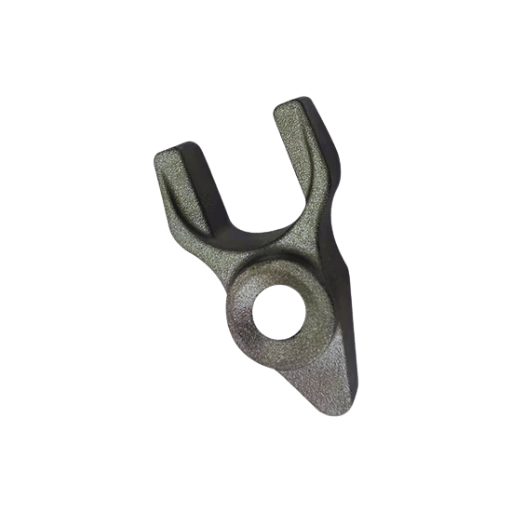
Identifying and minimizing casting defects
Therefore, casting defects in stainless steel might affect the quality and performance of the final product. They are the most common:
Porosity – Trapped gas or shrinkage occurs during solidification, thus creating weaker areas within the casting.
- Minimization: Improve mold design and appropriate degassing techniques.
Cracks – Thermal stress or inadequate cooling rates lead to the appearance of some inclusions in the solidified material.
- Minimization: Use controlled cooling and suitable mold materials in order to suppress tension.
Incomplete Fill – This is when the molten metal is not able to fully fill the mold cavity.
- Minimization: Ensure the molten metal has the prospects below 60% the start of freezing and forecast the improvement of the casting gate layout.
Cold Shuts – Happen when the two streams of metal do not form a bond when poured.
- Minimization: Keep temperature of flow at moderate levels during casting to avoid the flow of molten metal rushing throughout the cavity.
Surface Defects – Is the term used to describe extensions of margins, stripping, abrasion, or impurities on the surface of the finalized casting.
- Minimization: Select the best ladles and evaluate them for any impurities that could mess the casting.
To prevent errors in casting and improve the quality of the cast components, authorities should make sure there is routine monitoring and appropriately controlled processes.
Impact of surface finish on cast parts
The performance, service life, and functionality of the cast unit are significantly affected by the surface roughness. In case there is no significant external roughness, the bearing friction will be the minimum, and there will be no heating due to wear. It is also because the severity of environmental attack and fatigue is less pronounced under a smooth finish due to the absence of local stress raisers such as sharp corners or flaws. It also surpasses and removes the requirement to a large extent for post-machining, which in turn reduces costs. Prizing over maximum surface finish does necessitate the due earnest endeavors in the control of the quality of the mould and the pouring conditions in the course of the casting.
What are the properties and grades of stainless steel castings?
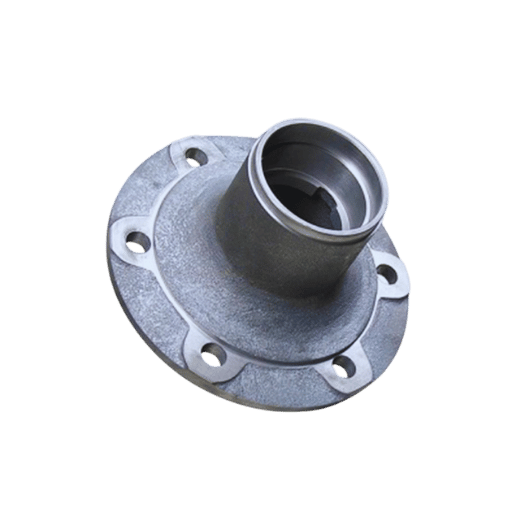
Key mechanical properties of stainless steel alloys
- Tensile Strength: It is well-known that stainless steel castings is made up of strong materials that it is possible to subject them to a lot of stress before breaking down.
- Yield Strength: This property defines the stress at the point where the materials begin to deform plastically and it is one of the characteristics of stainless steel alloys.
- Hardness: Ability to resist surface indentation and wear is a major advantage to stainless steel produced through casting processes thereby ensuring longevity of the material.
- Corrosion Resistance : One of the major outstanding advantages of stainless steel is its resistance to degradation resulting from environmental factors like oxidation and chemicals.
- Ductility: This may be attributed to the ductile nature of the stainless steel alloys allowing for their formation into shape or sections without fracturing upon application of tensile load.
- Impact Resistance: These are excellent shock absorbing metals which call for functional efficiency under different behaviors especially under conditions of a sudden impact or vibration.
- Creep Strength: Stainless steel castings provide consistent performance over a long period particularly at high temperature and stress levels without undergoing excessive deformation or collapsing.
- Fatigue Strength: These metals are capable of resisting fracture under repeated loading; hence they are good for application where stresses are cyclic.
- Thermal Conductivity: In comparison to most other metals, stainless steel has a lesser thermal conductivity; however, it does offer a good deal of thermal conductivity for a variety of applications.
Differences between 304 and 316 stainless steel
The main difference between Types 304 and 316 is the higher content of molybdenum in 316. Molybdenum in 316 helps to improve corrosion, particularly pitting corrosion in chloride environments; therefore, 316 is preferred for use in certain marine and chemical environments rather than in other environments where the cost might be relieved by the use of type 304.
|
Parameter |
304 |
316 |
|---|---|---|
|
Chromium (%) |
18-20 |
16-18 |
|
Nickel (%) |
8-10.5 |
10-14 |
|
Molybdenum (%) |
None |
2-3 |
|
Corrosion Resist. |
General |
Superior (chlorides) |
|
Cost |
Lower |
Higher |
|
Applications |
General, food, medical |
Marine, chemical |
|
Heat Resistance |
Moderate |
Better at extremes |
|
Magnetic |
Non-magnetic |
Non-magnetic |
|
Strength |
Similar |
Similar |
Exploring duplex stainless steel and its applications
Duplex stainless steel is a form of steel used in the manufacture of various products owing to its different levels of mechanical properties such as strength, corrosion resistance and stress corrosion cracking resistance originating from the presence of both ferrite and austenite in the aged solid mass stainless steel structure. This special material features are perfect for use in different areas such as:
- Oil and Gas Industry: Utilized in the construction of pipelines, risers, subsea, and processing facilities as it does not suffer from the severe chloride assault, such as Cracking, and also possesses enhanced mechanical properties.
- Chemical Processing: Appropriate for storage tanks, heat exchangers, and reactors in areas with aggressive chemicals requiring higher corrosion resistance.
- Marine Industry: Will be meant for development and fixing of ships, sea water pipelines, as well as desalination establishments on a merit of excellent protection from sea water and pitting attack.
- Architecture and Building Design: Essential in structural schemes, such as penstocks, water gates, hydroelectric plant walls, where light but strong building materials are essential.
- Pulp and Paper Industry: Has to do with the installing of the digesters, bleaching units and pools in aggressive environments with chemicals such as acid or a base.
- Power Generation: However, it can be had in the heat recovery steam generators and flue gas scubbers in both coal and nuclear power plants because of its high stress and environmental resistance.
- Food and Beverage Industry: Utilised in equipments with hygienic applications and those which are meant to withstand deterioration by acidic products.
- Pharmaceutical Industry: Used in equipments for both manufacturing and storage without the fear of contamination.
- Plant: Can be used in waste water treatment, and adsorption and separation systems with treatment pot water media.
The all-encompassing strength of Duplex Stainless Steel makes it a material of utmost choice creating a spectrum of applicable features and performance to all the industries guided by stringent requirements and service conditions.
How do machining and surface treatment enhance stainless steel casting parts?

Importance of heat treatment in enhancing strength
Heating appliances are critical to strengthening the steel pouring elements. This is because, when the material is subjected to certain levels of cooling and heating, the recommended cooling process enhances the material’s mechanical properties, such as tensile strength and hardness, among others. It aids in changing the internal structure of the steel, decreasing the extent of carbide segregation and piecemeal fracture, and increasing its abrasion and creep resistance capabilities. Most standard processes, such as solution annealing and quenching, manage to ensure that the materials adhere to the performance requirements of the most exacting conditions.
Advanced machining techniques for better precision
I observed the use of highly advanced equipment and stated that it was capable of revolutionizing human accuracy with the use of such technologies as CNC milling, Laser Cutting, and Electrical Discharge Machining. These approaches help to achieve high accuracy and, moreover, compliance between products, which is especially important for those in industries with minimal errors. In addition, specialists like Baetro can cooperate to attain higher precision manufacturing results by applying advanced principles.
Surface treatments to improve corrosion resistance
Surface treatments are applied to materials in order to improve their resistance to corrosion and increase their longevity. This can be done in a number of ways, the most conventional being:
- Galvanisation: A protective zinc layer painted on the surface of the metal to prevent corrosion and rust.
- Powder Coating: This process involves applying a special and durable coating to metal, preventing mechanical and chemical wear.
- Anodizing: It is mainly helpful in architectural grade aluminum. It is a process of forming an oxide layer in an aluminum metal; this thin film protects the aluminum from more corrosive elements that are likely to destroy the metal.
- Electroplating: It creates a defensive metallic wall that ensures the material is protected from every possible angle inside and out.
These surface treatment solutions are highly utilized in the automobile, aerospace, and construction industries for product integrity and serviceability.
Frequently Asked Questions (FAQs)
Q: What kinds of stainless steel are most frequently used for producing moulded parts?
A: Among the stainless steel varieties, used in production moulds 304 and 316 steel are more preferred for its good Japanese steel corrosion, and resistance due to inherent strain. For other specific application requiring high tensile and hardness, martensitic and duplex stainless steels are utilized.
Q: How can the stainless steel investment casting process be made up to the desired quality standards?
A: The process of investment casting stainless steel will always be strictly controlled to restrict as much as possible all drawbacks to the use of a pitch pouring method and implementing that, as well as any other advanced techniques. This involves controlling the temperature of the stainless steel during melting and preventing oxidation in the casting procedures.
Q: What is the part of a foundry in the stainless steel pouring process?
A: Every regard the foundry as the heart of casting as it is within its four walls that incoming raw stainless steel is progressively machined and turned into a functional component. The foundry melts the stainless steel into liquid form and pours this into molds which involves considerable expense with this process often being adjusted case to case for various sizes of components that need to be produced as investment cast.
Q: What is the purpose of using alloy steels in the castings besides the stainless steel cast parts?
A: Alloy steels provide better mechanical properties, such as better strength, toughness, wear, and corrosion resistance. They are mostly used for big structures and places where strength is required.
Q: How much do the properties of the TEBC steels differ depending on what the parts are cast into?
A: It is also an important factor and we can say in detail how the surface quality, the accuracy and, the mechanical properties of the products depend on the method of the moulding that is lost wax casting, investment moulding, etc. Selection of such methods always depends upon the ultimate requirements and complexity of the components.
Q: Why is the choice of grade important when seeking stainless steel casting manufacturers?
A: In the choice of grades, a competent choice should be envisaged for the reason that non-corrosion technology of castings guarantees that the cast parts are consistent in terms of clearly defined qualities in relation to aspects such as corrosion, temperature, and strength. A casting company using stainless steel must advise on the relevant grade for purposes of enhanced value.
Q: What difficulties hinder manufacturers from producing intricate parts from stainless steel casting?
A: Putting in place measures that can ensure that there is even wall thickness, to avoid the alarm of casting stress, cooling rates are within limits that minimize the number of defects being formed, and accurate shape and surface of complex parts are successfully achieved presents some of the problems encountered by the manufacturers. What is essential to the process of manufacture is an understanding of the properties of the materials and the requirements of the components produced.
Q: How is using 304 stainless steel, particularly in casting, different from other kinds of stainless steel?
A: This steel is corrosion resistant and quite cost-effective, which makes it desirable for a range of designs. However, it may lack the higher tensile strength or wear resistance found in martensitic or duplex grades used in harsher locations.
Q: What are the new developments in the steel casting industry?
A: The most recent changes include the realization of new shell molds for the perfect finish, mechanization in all casting work processes to increase proficiency, and sophisticated alloys with material qualities corresponding to the targeted application.
Reference Sources
- Challenges and Capabilities for Inspection of Cast Stainless Steel Piping – This paper is a comprehensive analysis of the inspection problems and construction technology in the course of manufacturing cast stainless steel.
- Study of the Effects of Heat Treatment on Delta-ferrite in Cast Austenitic Stainless Steel– Examination of the impacts of heat treatment on cast austenitic stainless steel and the application of the same metal.
- Cast Stainless Steel Aging Research Plan—This is a detailed plan adopted by the U.S. Department of Energy to investigate and evaluate the change of some material properties after aging by heat treatment for cast stainless steels.
- Leading Stainless Steel CNC Machining Services Provider in China
- Stainless steel
- Metal casting
- Steel


