


The most celebrated materials, perhaps for the qualities of strength, corrosion resistance, and versatility, employed in a variety of fields are stainless steel. However, stainless steel comes in many variations. Interchangeable terms are commonly used for “18-8” and “304”; as a result, many wonder about this difference and which type to choose for the specific application at hand. This article describes these popular stainless steel grades in detail, discussing their individual compositions, properties, and applications. If you work in manufacturing or construction or are otherwise just curious about the world around you, this guide provides insight into what sets 18-8 and 304 stainless steel apart, consequently empowering you to make your own decisions. Let’s unravel this mystery together.
What is 18-8 Stainless Steel?

18-8 stainless steel represents a popular steel alloy that generally has about 18% chromium and 8% nickel. This combination provides strong corrosion resistance and great strength and durability. Given its versatility and reliability, it is used in several applications such as kitchenwares, fasteners, and construction materials.
Composition of 18-8 Stainless Steel
The name of 18-8 stainless steel derives from the percentage composition of roughly 18% chromium and 8% nickel. The chromium mainly helps give the steel excellent corrosion resistance by forming a passive oxide layer that protects the steel from rusting and tarnish. Meanwhile, nickel makes the alloy stronger and tougher and imparts ductility so that the steel does not crack when stressed mechanically or exposed to extremely high or low temperatures.
Minor elements may be added in small quantities to impart specific properties. For example, carbon content is usually kept to a maximum of 0.08% to improve weldability and minimize susceptibility to carbide precipitation. Trace amounts of manganese, silicon, and phosphorus may also be present, assisting in processing characteristics and corrosion resistance. 18-8 stainless steel, with balanced composition, fits into the austenitic family of stainless steels (in particular grades 304 and 304L) known for being non-magnetic, having superior formability, and performing exceptionally well at higher temperatures. This composition makes it a very useful material for industries such as food processing, medical tooling, marine environments, and architectural structures.
Common Applications of 18-8 Stainless
- Food Industry: Used for kitchen equipment, utensils, and food processing machinery due to its hygienic and non-reactive properties.
- Medical Tools: Ideal for surgical instruments and hospital equipment because it resists staining and sterilization chemicals.
- Marine Environments: Suitable for boat fittings and marine hardware as it withstands exposure to moisture and salty conditions.
- Construction and Architecture: Applied in building facades, structural supports, and decorative elements for its strength and aesthetic appeal.
Advantages of 18-8 Grade Stainless Steel
The 18-8 grade stainless steel, a classification often inclusive of 304 and 304L stainless steel, is one of the most versatile and widely used materials across industries. Following are the advantages that make this particular alloy a better choice:
- Corrosion Resistance: 18-8 stainless steel is known for its rust and corrosion resistance due to the presence of chromium (18%) and nickel (8%) in large amounts. This advantage qualifies it to endure exposure to moisture, chemicals, and mild acidic conditions.
- Durability: By virtue of its composition, 18-8 stainless steel provides increased resistance to corrosion and wear, maintaining durability even after a series of applications.
- Ease of Fabrication: Easy to produce and work with, 18-8 stainless steel allows welding, machining, and shaping into various forms, reducing processing costs while maximizing the opportunity to perform custom-designed work.
- Heat Resistance: The material has excellent heat resistance and is utilized in industrial equipment and kitchen applications in which the steel is subjected to elevated temperature.
- Hygienic Properties: The non-porous surface prevents bacterial build-up, making this steel suitable for food processing machines and medical instruments.
- Cost-Effectiveness: Amongst high-performing steels, the low price of the 18-8 stainless steel is highly attractive. It has a long service life, meaning it rarely requires replacement, so maintenance costs accrue way less over time.
- Environmentally Friendly: Stainless steel of 18-8 grade can be recycled 100%, making it a safe pick for environmentally-conscious industries.
How Does 18-8 Compare to 304 Stainless Steel?
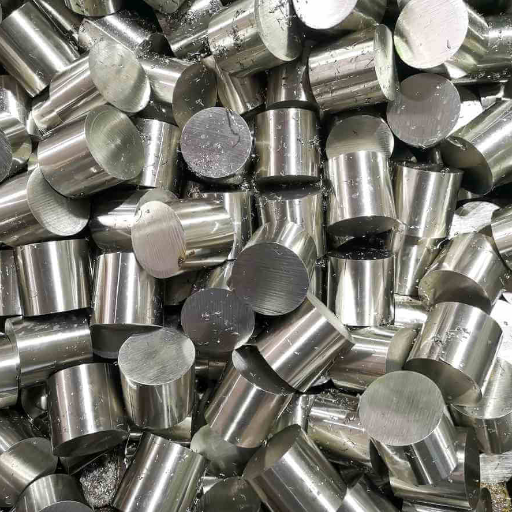
18-8 stainless steel is practically the same as 304 stainless steel in composition and properties. “18-8” comes from the material’s roughly 18% chromium and 8% nickel composition, the same as for 304 stainless steel. Both types of steel are highly corrosion-resistant, extremely durable, and popularly used in a myriad of industrial applications. The difference is only in nomenclature, as “18-8” refers to a more general term versus “304,” which is a grade within the broader 18-8 category.
Differences in Corrosion Resistance
While 18-8 stainless steel and 304 stainless steel are the same in composition, subtle differences can subtly affect corrosion resistance, and that depends on the specific conditions involved. Both types of steels are highly corrosion-resistant because of the presence of chromium and nickel; however, the 304 stainless steel is usually taken as a benchmark for superior resistance in most environments because of its refined production standards and industrially strict controls over quality.
For instance, 304 stainless steel has been proven from the recent data to do well in weakly corrosive chemical conditions, fresh waters, and routine atmospheric conditions. It can resist any corrosion caused by acids present in ordinary food and cleaning products. On the other hand, 18-8 stainless steel being a generic term can describe a great variety of alloy compositions and therefore can present variations in the performance of the specific 18-8 stainless steel depending on its composition.
Tests also indicate that extended periods of exposure to chlorides or saline environments cause pitting corrosion in both 18-8 and 304 grades. However, 304 stainless steel maybe offers a slight edge in such conditions since it is held to the higher industrial standards. Therefore, for a marine environment or one of high chloride exposure, it might be better to consider 316 grade which contains molybdenum for better resistance instead of either 18-8 or 304 grades.
At the end of the day, corrosion resistance can be determined by the precise environment of operation and the exact composition of the alloy: hence, the goals have to be made to choose the right grade for a given application.
In Comparison for Tensile Strength and Durability
Consideration of stainless steel grades in tensile strength and durability must include a review of intended application and environmental conditions. Tensile strength refers to the maximum stress that a material can withstand being stretched or pulled before breaking, while durability means a material’s ability to resist wear, pressure, or damage over time.
- 18-8 Stainless Steel: This grade offers a tensile strength that usually lies between 515 MPa (74,700 psi) and 750 MPa (108,800 psi), depending on the specific alloy treatment. It gives and has average corrosion resistance, versatility, and application range, which may often be inadequate for high-demand applications that require resistance to extreme wear or mechanical loads.
- 304 Stainless Steel: Slightly better than the general 18-8 grade steel, the 304 grade of stainless steel has tensile strengths exceeding 505 MPa (73.200 psi) and 740 MPa (107.300 psi). 304 stainless steel would be considered suitably durable for standard purposes like kitchen equipment or structural members that are exposed to less corrosive environments.
- 316 Stainless Steel: The higher grade is usually preferred because of its superior durability and tensile strength, which can range from 515 MPa (74,700 psi) to 865 MPa (125,400 psi) depending upon the thermomechanical treatment. The molybdenum addition increases corrosion resistance and consequently this also contributes to improved toughness and durability in marine and chemically aggressive environments.
By way of illustration, consider the following situation:
| Stainless Steel Grade | Tensile Strength (MPa) | Corrosion Resistance | Durability in Challenging Environments |
|---|---|---|---|
| 18-8 | 515–750 | Moderate | Moderate |
| 304 | 505–740 | Good | Good |
| 316 | 515–865 | Excellent | Excellent |
Balancing these factors will lead to the proper material choice. If high strength under stress is required, then 316 stainless steel is perhaps the best choice. For less severe uses, grade 304 is a more cost-efficient and reliably performing alternative.
Cost and Availability of 304 vs 18-8
Due to its more wide use in a number of industries, 304 stainless steel is usually more available and very slightly more expensive than 18-8. Because of its additional amount of nickel, it is able to perform better, and so it is chosen for the cases where highest strength and corrosion resistance are required. On the other hand, 18-8 is selected for basic cases where costing is a concern since it has similar properties at a reduced price. Both are widely available, though where they are sold can be regionally different depending upon demand and supply-chain channels.
What Sets 316 Stainless Steel Apart?
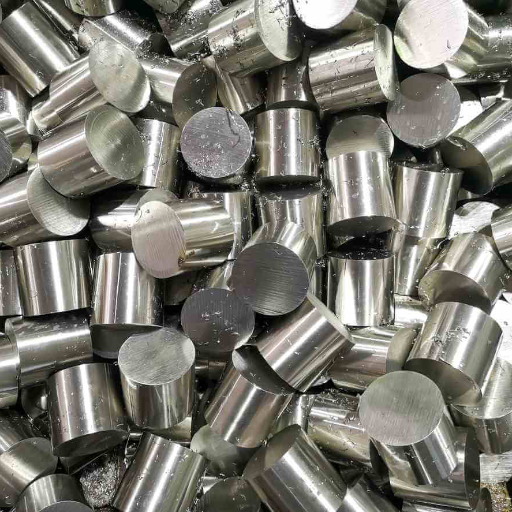
The presence of molybdenum in 316 stainless steel makes it distinctive from 18-8 stainless steel. Molybdenum increases resistance to corrosion, especially in environments containing chlorides and other aggressive chemicals. Thus, this is the steel used for marine, chemical, and industrial applications, as opposed to 18-8 stainless steel. In addition, greater resistance to wear and tear under high stress is offered by the 316 than 18-8. So the 316 is considered the better choice in a demanding environment.
Advantages of Molybdenum Addition in 316 Stainless Steel
The molybdenum content is what attributes the marvelous features to 316 stainless steel. Generally, about 2-3% molybdenum is added to the alloy to improve resistance to pitting and crevice corrosion, especially in environments with a high concentration of chloride ions, such as saltwater or deicing chemicals. Therefore, this makes 316 stainless steel an appropriate choice for marine equipment, chemical plants, and coastal architectural structures.
Molybdenum also improves resistance to high-temperature stresses of 316 stainless steel by maintaining the mechanical integrity and corrosion resistance at elevated temperatures; in this manner, it becomes suitable for industrial applications such as heat exchangers and furnace parts. Test results indicate that by adding molybdenum, the critical pitting temperature (CPT) of 316 stainless steel is increased greatly in comparison to 304 stainless steel; this enables it to perform better under aggressive environmental conditions.
Furthermore, with the molybdenum addition, 316 stainless steel also resists acidic environments better. It can take on exposure to some compounds like moderate concentrations of sulfuric acid and hydrochloric acid, thereby increasing the longevity of stainless steel and reducing maintenance cost. Hence, the presence of molybdenum greatly adds to the durability of the overall 316 stainless steel and increases its field of application.
Fitting Applications for 316 Stainless Steel
Where corrosive resistance and durability under harsh environments are required, I feel that 316 stainless steel has been an especially appropriate choice in the industry. I would use it for marine application characteristics: in the way of fittings for boats and coastal architectural structures, where exposure to saltwater is of concern. Also, great for chemical processing equipment is its ability to resist acidic substances, and it is also considered a hygienic metal for use with medical equipment.
Why Choose 18-8 Stainless Steel Fasteners?
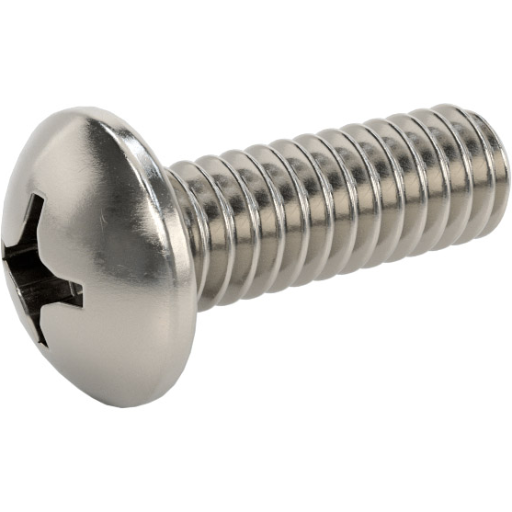
One of the popular choices for 18-8 stainless steel fasteners is their superb resistance to corrosion and rust, ideal for indoor and outdoor use. They stand for an excellent combination of strength and durability operating under a wide set of conditions, particularly those touching upon moisture and mild chemicals. They have low maintenance and offer a longer working life, hence, putting the fasteners into various applications.
Strength and Durability of 18-8 Stainless Steel Fasteners
Mostly perceived for their strength and durability, 18-8 stainless steel fasteners are ripe for different uses without exception from the broad field of application. The 18-8 classification specifies an alloy consisting of chromium and nickel in the approximate amounts of 18% and 8%, respectively; thus, the fasteners stand balanced in corrosion resistance against mechanical performance. Tensile strength may vary inside the range of 70,000 PSI and 100,000 PSI upon grade or manufacturing process. It is this higher tensile strength that can stand higher loads without giving slight deformation or failure to the load.
Chromium allows forming a protective oxide film against corrosion over time, otherwise known as rust. Such ability comes in handy, especially in demanding environments such as marine-type settings or high-humidity zones, areas where other materials would degenerate due to exposure to saltwater or moisture. Nickel, on the other hand, adds to the toughness of 18-8 stainless steel fasteners and maintains the ductility of these fasteners, which allow them to face the repeated stress without any form of brittleness or breakage.
A reason why industries choose 18-8 stainless steel fasteners in construction, automotive, aerospace, and food industries with no reservations: the fasteners need no maintenance and provide long-term performance standard or rigorous operating conditions. The fasteners perform consistently with the highest standard in the framework of some structures or in a vast array of precision machinery, either under conventional or harder environmental conditions.
Corrosion and Wear Resistance
This corrosion and wear resistance makes 18-8 stainless steel fasteners stand out. Their alloy structure of chromium and nickel at about 18% and 8%, respectively, causes the formation of a passive chromium oxide layer on their surface, thereby inhibiting oxidation and corrosion. Hence, they can resist well to corrosive environmental factors, including moisture exposure, saltwater, and several chemicals.
Recent studies show that this specific stainless steel fastener withstands long-term exposure in environments of extreme corrosiveness like marine or industrial applications with little kind of deterioration. In contrast with corrosion resistance, 18-8 stainless steel fasteners show 10 times more life under corrosive conditions. Aiding to their wear resistance is their hardness and resistant surface, which enable them to retain their structural integrity when subjected to repeated mechanical stress, vibrations, or abrasive contact.
Very many industries use 18-8 stainless steel fasteners in application where long-term durability is positioned as a paramount consideration to reduce replacement cost and guarantee safety. Studies prove that employing 18-8 stainless steel fasteners in maintenance programs cuts life cycle costing by 20% to 30%, thanks to their resistance to environmental and mechanical attrition-this durability, resistance, and cost-effectiveness create a superb establishment for many industries as a first solution.
Cost-Effectiveness of 18-8 Fasteners
The cost-effectiveness of 18-8 stainless steel fasteners springs up from the fact that they offer longer working life with little maintenance. With recent statistics, 18-8 stainless steel fasteners stand 30-40 percent longer in industrial applications than ordinary ones, mainly because of the incredible resistance to rust and corrosion. In the initial stages, the cost might be a hundred bucks or so more- about 10, 15% more than standard steel fasteners. However, the lesser number of replacements and repairs save a fortune through the years.
Furthermore, a good highlight of the particular industries in heavy treatment settings, including, most shore regions or chemical processing plants. For instance, in 2023, a report showed companies adopting 18-8 stainless steel fasteners in these circumstances instead of conventional fasteners and lowered maintenance downtime by nearly 25%. This guarantees efficiency and allows for full compensation for a premium paid for these extraordinary fasteners.
What Are the Common Types of Stainless Steel?
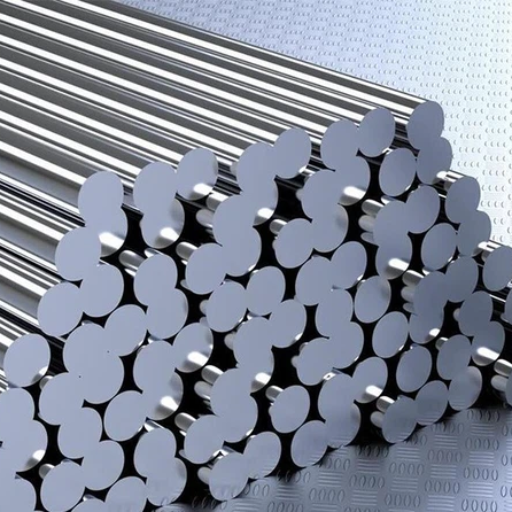
- Austenitic Stainless Steel – This is the most common type of stainless steel with superior corrosion resistance and are very easy to work with. Grades 304 and 316 stainless steel belong to this class.
- Ferritic Stainless Steel – These stainless steels can be good for resisting corrosion and are used chiefly in automotive and industrial applications. They generally are less ductile than austenitic types.
- Martensitic Stainless Steel – Is known for its strength and hardness, used in knives, and cutting tools.
- Duplex Stainless Steel- It provides higher strength and better resistance to stress corrosion cracking than either austenitic or ferritic stainless steels.
- Precipitation-Hardening Stainless Steel- Gives very high strength by heat treatment and is mainly used for aerospace components.
Exploring the 300 Series Family
Exploring the 300 Series Family
The 300 series stainless steel is one of the most widely used categories of austenitic stainless steels. Renowned for its excellent corrosion resistance and high strength, these steels are primarily alloyed with chromium and nickel. The most common grades in this series are 304 and 316 stainless steel.
Grade 304 is considered highly versatile and finds use in everything from kitchen utensils to architectural applications, being extremely facile to fabricate and having an acceptable resistance to corrosion. Grade 316, on the other hand, possesses molybdenum that increases its resistance against chlorides and various other corrosive agents, hence apt for use in marine environments and chemical processing.
Other than that, series 300 is considered to be nonmagnetic, can endure high temperatures, easy to care for, and very much utilized in several industrial applications.
A Means to Understand the Meaning of Austenitic Stainless Steel
Austenitic stainless steel is widely used due to its great corrosion resistance and bending capacity, coupled with a wide range of applications. This group mostly comprises the 300 series, characterized by high chromium and nickel content. These elements grant strength, flexibility, and non-magnetism to the steel. Also, the austenitic structure allows great durability both at high and cryogenic temperatures, hence its wide use throughout construction, food processing, and medical equipment manufacturing industries. Its versatility and sound performance have cemented its position as an important feature in many sectors.
Applications for Different Kinds of Stainless Steel
Stainless steel is used across various applications, including construction, automotive, medical, food processing, kitchenware, and chemical industries.
| Type | Key Feature | Applications | Industry | Temperature |
|---|---|---|---|---|
| Austenitic | Non-magnetic | Kitchenware, Medical | Food, Medical | High/Low |
| Ferritic | Magnetic | Automotive, Decor | Automotive | Moderate |
| Martensitic | Strong | Cutting Tools, Blades | Machinery | Moderate |
| Duplex | Corrosion | Pipelines, Storage | Chemical | High |
| Precipitation | Toughness | Aerospace, Springs | Aerospace | High |
Reference sources
- A Novel Joint of 18-8 Stainless Steel and Aluminum by Partial Welding Process to Ni-Plated Carbon Fiber Junction
- Authors: M. Tomizawa et al.
- Journal: Materials Transactions
- Publication Date: December 1, 2020
- Citation Token: (Tomizawa et al., 2020, pp. 2292–2301)
- Summary:
- This study explores a new method for joining 18-8 stainless steel with aluminum using a partial welding process. The research emphasizes the use of nickel-plated carbon fiber junctions to enhance the joint’s strength and reliability.
- Methodology: The authors conducted experiments to evaluate the tensile shear strength of the joints created through this method. They applied low doses of electron beam irradiation to improve adhesion between the materials before assembly and hot-pressing.
- Key Findings: The application of electron beam irradiation significantly improved the adhesive strength of the joints, indicating a promising approach for enhancing the performance of hybrid material assemblies.
- Effects of Sensitization and Hydrogen on Stress Corrosion Cracking of 18-8 Type Stainless Steel
- Authors: Luowei Cao et al.
- Journal: Applied Mechanics and Materials
- Publication Date: September 1, 2016
- Citation Token: (Cao et al., 2016, pp. 168–172)
- Summary:
- This paper investigates the effects of sensitization and hydrogen on the stress corrosion cracking (SCC) behavior of 18-8 stainless steel.
- Methodology: The study involved experimental tests to assess the susceptibility of the stainless steel to SCC under various conditions, including different levels of sensitization and hydrogen exposure.
- Key Findings: The results indicated that sensitization significantly increased the susceptibility to SCC, while hydrogen presence exacerbated the cracking process. The findings highlight the importance of controlling these factors in applications involving 18-8 stainless steel.
- Role of Grain Boundaries on the Cyclic Steam Oxidation Behaviour of 18-8 Austenitic Stainless Steel
- Authors: Jingbo Yan et al.
- Journal: Oxidation of Metals
- Publication Date: April 1, 2016
- Citation Token: (Yan et al., 2016, pp. 409–424)
- Summary:
- This research focuses on understanding how grain boundaries affect the cyclic steam oxidation behavior of 18-8 austenitic stainless steel.
- Methodology: The authors performed cyclic oxidation tests and analyzed the microstructural changes in the steel to determine the influence of grain boundaries on oxidation resistance.
- Key Findings: The study found that grain boundaries play a critical role in the oxidation process, affecting the overall durability and performance of 18-8 stainless steel in high-temperature steam environments.
Frequently Asked Questions (FAQs)
Q: What is Stainless Steel 18-8?
A: Stainless Steel 18-8 is an alloy comprising 18% chromium and 8% nickel. The presence of these elements confers the stainless properties in this metal due to very low corrosion rates. It can be said to be similar to stainless steel grade 304 in corrosion resistance.
Q: How does Stainless Steel 18-8 compare to 304 stainless steel?
A: Stainless Steel 18-8 is one and the same as 304 stainless steel, both having 18% chromium and 8% nickel and having similar corrosion resistance. But 304 offers the standardized name under which specifications are more readily made, whereas 18-8 speaks more about the chemical composition.
Q: What are the applications of Stainless Steel 18-8?
A: Stainless Steel 18-8 is used where corrosion resistance plays the highest role, such as in pots and pans, sheet metal fabrication, and other kitchenware. It is also found in the industry where surfaces need to be easy to clean.
Q: Can Stainless Steel 18-8 be further hardened by means of cold working?
A: Yes, cold working can harden Stainless Steel 18-8 without the need for some type of heat treatment like annealing.
Q: What is the advantage of Stainless Steel 18-8 occurring in kitchenware?
A: Stainless Steel 18-8 is chosen for kitchenware like pots and pans because of its excellent resistance to corrosion, easy cleaning, and hard-wearing properties in all cooking environments.
Q: How can Stainless Steel 18-8 be manufactured?
A: Stainless Steel 18-8 allows various manufacturing processes, including CNC machining, metal stamping, laser cutting, and metal extrusion, thus allowing for a wide range of product applications and specific design features.
Q: What is Stainless Steel 18-8’s resistance to chlorides?
A: Even though Stainless Steel 18-8 offers good corrosion resistance, it can still undergo corrosion when exposed to chlorides, for instance, in saltwater. It’s necessary to keep this in perspective while selecting a material for particular conditions.
Q: What is the role played by chromium in Stainless Steel 18-8?
A: Chromium provides corrosion resistance to Stainless Steel 18-8 by producing a passive oxide layer on the steel’s surface, which protects the underlying metal from rust and stains.
Q: What is the significance of grades in stainless steel?
A: Different grades of stainless steel, such as 18-8 and 304, provide different performance parameters and geometric tolerances for different applications, different environments, and different design requirements.
Q: How is Stainless Steel 18-8 produced?
A: Stainless Steel 18-8 is usually melted in an electric arc furnace and then subjected to hot rolling or cold working and further processing such as annealing or billet shaping.


