


From providing a durable, relatively cheap plastic capable of immense versatility, ABS plastic has become an idol of the modern plasticians. Machining services are required to forge exact, fast products out of ABS plastic for quality, specially fabricated components. The article is an introductory glance into the very world of ABS plastic-machined parts–the benefits of machining this prevalent material, types of processes involved, and the plethora of applications supported by it. Regardless of the automobile, consumer goods, or electronic industry that you are involved in, recognizing the potential of ABS plastic and its machining might steer you well in making decisions for your next big project. So keep reading to discover how this material will foster innovation and dependability in your productions.
Understand ABS Plastic
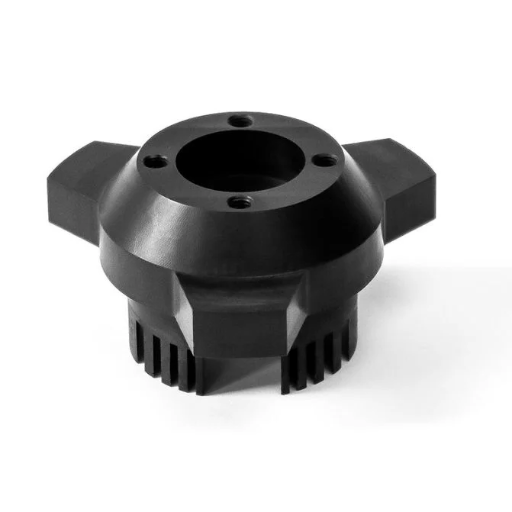
Acrylonitrile Butadiene Styrene, or ABS, is regarded as a famous thermoplastic because of its uniqueness in strength, durability, and versatility. Being light in weight with good resistance to impacts and easy to machine, it finds numerous applications in many industries. ABS can resist different temperatures and chemicals and is used in elements requiring full function and those used for aesthetics. ABS plastic has been considered renewable because of its innovative and durable limits: it comes in useful during rapid prototyping, automotive parts, and consumer products.
What is ABS Material?
ABS is a type of synthetic polymer, technically a thermoplastic combination with properties including strength and a state of being hard. Consolodation of all qualifies these properties: It comprises polymerized acrylonitrile and styrene in the presence of polybutadiene to achieve a mixture of rigidity and toughness. Its somewhat light weight, impact-resistant yet able to withstand high and low temperatures, is easily processed and is among the more cost-effective materials in the marketplace. Some applications thereof include automotive parts, electronic enclosures, toys such as LEGO blocks, and various day-to-day consumer products.
Mechanical Properties of ABS
ABS has a wide mechanical property range that may be modified for a given application. ABS hence exhibits superior impact resistance that allows sudden shocks or hits against the surface without its being cracked or separated into pieces. It gives resistance to tensile forces, ensuring that deformation is not caused when applied along with external forces. Finally, the material has enough stiffness to sustain in service whilst accommodating a little degree of strain. Basically, resistance to abrasive wear coupled with operating satisfactorily over a wide temperature range is some of the reasons why ABS continues to be a first choice in applications having stringent mechanical requirements.
Benefits of Using ABS Plastic
ABS plastic offers durability, impact resistance, heat tolerance, chemical resistance, and ease of manufacturing, making it a versatile material for various applications.
| Key Point | Details |
|---|---|
| Durability | Long-lasting use |
| Impact Res. | Resists impacts |
| Heat Tolerance | Handles high temps |
| Chem. Res. | Resists chemicals |
| Manufacturing | Easy to produce |
| Flexibility | Moderate strain |
| Weight | Lightweight |
| Stability | Rigid structure |
| Wear Res. | Reduces abrasion |
| Cost | Affordable |
Use of ABS Plastic Machined Components
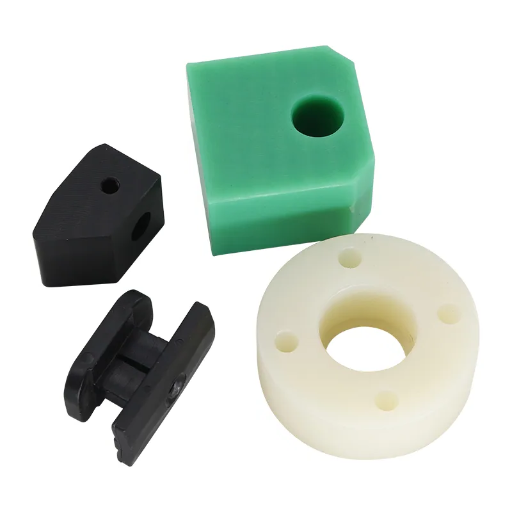
Due to their strength, being lightweight, and resisting impact, ABS plastic machined parts are popular in a variety of industries. They find applications in automotive components, consumer electronics, and appliance/tool housings. The affordability and ease of manufacturing allow for their use in prototyping as well as production. In addition, ABS plastic can resist heat and chemicals, making it dependable in demanding environments.
General Industries That Work With ABS
ABS parts find application in the automotive, electronics, and consumer goods industries. The automotive industry utilizes them for interior components and trim since they are durable and lightweight. Electronics manufacturers use ABS for housings and enclosures that afford protection to a device while maintaining an appealing appearance. The consumer goods industry uses ABS for everyday products such as toys, tools, and kitchen appliances as it strikes a balance between cheapness and strength.
Manufacturing Applications Specific to ABS
Acrylonitrile Butadiene Styrene (ABS) is a versatile thermoplastic possessing exceptional properties that enable its use in numerous manufacturing procedures. A typical application is in 3D printing, where ABS is the material of choice for making tough and accurate prototypes or even end-use parts. Because it is easy to mold, it finds wide use also in injection molding of complex geometries in items such as automotive dashboards, protective headgear, and electronic casings. The impact resistance of ABS and ability to give a good finish find it used widely in household appliances such as parts for vacuum cleaners, refrigerator linings, and blender housings. This versatility in applications renders ABS an essential material in modern manufacturing.
Successful Uses of ABS Machined Parts: Case Studies
- Automotive Industry: A famous car manufacturing company opted to use ABS materials for making lightweight and durable interior components such as dashboards and door panels. Thus, vehicle safety was enhanced and production costs were lowered owing to ease of machining of the material.
- Consumer Electronics: A prominent electronics company would employ ABS to fabricate protective casings of their handheld devices. The material’s strength and ability to polish to a fine finish would guarantee durability and aesthetic appeal, which in turn helped in keeping in brand reputation.
- Medical Equipment: A provider of medical equipment conflicted on designing the enclosure of diagnostic equipment in ABS for robustness and lightweight. The material impact resistant ensured that the equipment could be subjected to hard handling in the clinical environment on a daily basis.
Machining Techniques for ABS Plastic
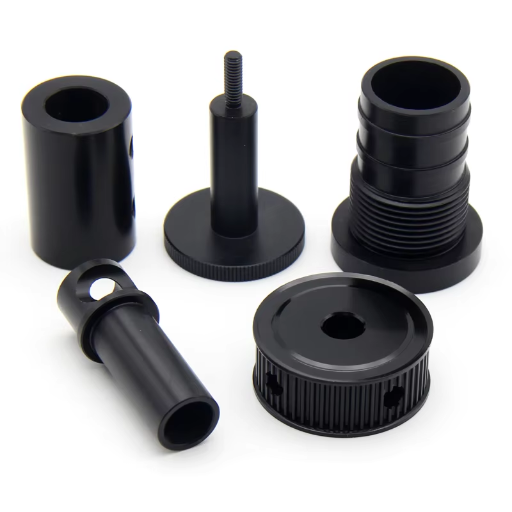
ABS plastic can be machined using conventional methods and tools, thus enhancing the material’s versatility in numerous applications. The common procedures include cutting, drilling, sanding, and turning, for which sharp tools are highly recommended-otherwise, the material might chip. Depending on the incidence of overheating during machining, cooling could be warranted, using, for example, air or water, to avoid warping. ABS is easy-to-bond and easy-to-finish; this means that modifications and finishing can be carried out after the machining itself. These features favor the making of a finer fabrication.
An Overview of CNC Machining in ABS
CNC machining ABS plastic has become the fastest process to ever bear precision component manufacture in various industries. ABS (Acrylonitrile Butadiene Styrene) is widely known as a thermoplastic because it has the best balance between strength, resilience, and machinability. CNC machining allows one to control the intricate design precisely and offers repeatability, which is a desired feature when making prototypes or parts for production.
One major feature that makes CNC machining ABS applicable is being able to hold a tight tolerance, usually ±0.005 inches, depending on the design and intended usage. The material holds up well when being machined through cutting and milling due to its relatively low melting point and very good dimensional stability. CNC machining of ABS can also minimize residual stresses in the machined components; this ensures that the components have better mechanical properties.
According to recent data in the industry, machined plastics facilitated by ABS account for a considerable number of machined plastic parts. This material is preferred for automotive, electronic devices, and consumer products. For instance, ABS is used widely in automotive applications for interior applications such as dashboard components because of its rigidity, durability, and light weight. With CNC machining, manufacturers could achieve finer geometries and high-quality finishes, typically finer than Ra 1.6µm when polished.
Improvements in CNC continue to promote ABS machining by introducing multi-axis capabilities and specialized tooling to reduce cycle times and enhance the overall part quality. This, coupled with the inexpensive price of ABS and high market availability, makes CNC machining one of the most flexible fabrication methods for ABS components.
Techniques for Machining ABS Plastic
Machining ABS plastic involves the application of conventional turning, drilling, cutting, and milling techniques. Depending on the nature of the work, sharp tools and moderate cutting speeds must be used so that excessive heat generated can be avoided, which will otherwise cause warping of the material. Coolants or compressed air are used to keep the temperature down. This material can be machined to clean cuts and tight tolerances, thus making it appropriate for creating fine components or prototypes.
Considerations for the Surface Finish of ABS Parts
ABS plastic parts will require some surface finishing techniques to make certain functional or aesthetic purposes. ABS tends to give a smooth matt finish by nature but can be treated for an enhanced finish using post-processing. Surface polishing and sanding are used to fine-tune surfaces while giving a better look and removing production or machining marks. Vapor smoothing would yield the most professional finish, whereby a solvent such as acetone is used to dissolve the uppermost surface layer of the part to produce a pleasant and homogenous glossy surface.
Painting and plating are further choices for ABS parts to customize colors or metallic finishes. ABS is readily accepted by paints because of the strong adhesion property of paints to this polymer. This polymer can also be electroplated after chemical pretreatment, nowadays, making ABS useful where a metallic finish is required.
According to existing industry practices, surface roughness values (Ra) for ABS parts vary widely in accordance with finishing techniques. For example, sanded ABS may have an Ra ranging from 3.2 to 6.3 microns, whereas vapor smoothing can achieve an Ra as low as 0.4-1.6 microns, depending on process conditions. The finishing strategy should be selected according to the final use of the part, requiring both physical properties and visual appearance.
Using ABS Plastic for Prototype Development
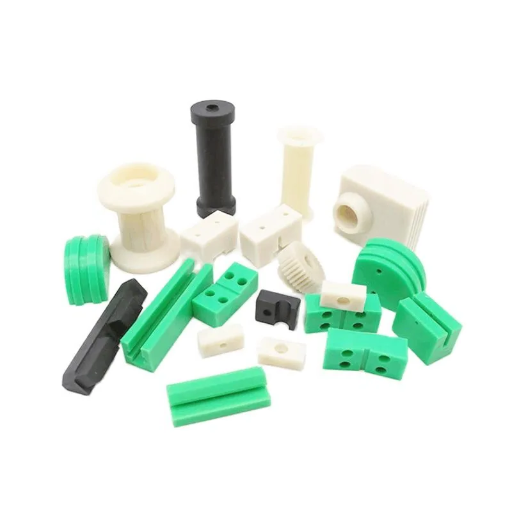
ABS plastic is employed widely in model development due to its tough properties, machinability, and cost effectiveness. It is versatile in nature and offers numerous options concerning surface finishing, depending on the aesthetic or functional requirement. ABS prototypes are created through injection molding, 3D printing, or CNC machining, which has made it a favorite in industries for first testing and design changes.
The Importance of the Prototype
Prototyping is extremely important to product development, as it allowed designers and engineers to test and validate design ideas before full-scale production. Industry reports have recently indicated that companies that use prototyping in the early stages of their design process reduce development costs by approximately 30% and reduce production time by about 20%. This cost saving comes mainly because design flaws and performance issues could be detected early on, so expensive changes could be avoided during later stages.
Prototypes help to materialize the concept, through which the teams identify how feasible and functional it is, as well as the aesthetics of the product. This way, communication among stakeholders improves in contrast to abstract diagrams and documents in which concepts and design intents are quite hard to imply. Thanks to rapid prototyping technologies’ advancements, with examples such as 3D printing or CNC machining, such scope for iteration is now faster and cheaper. Prototyping has its real-world applications working in industries like automotive, aerospace, and consumer electronics where precision and innovation are highly demanded for success.
The data truly supports the company in grasping its need for prototyping in order to maintain its edge in the fast-paced marketplace. By iterating and refining early in the process, companies are able to focus on launching products that are successful and of higher quality, thereby minimizing risk while maximizing resource utilization.
Phases of Prototyping for ABS Machined Parts
- Design Creation: Start with a very detailed CAD (Computer Aided Design) model that specifies the dimensions, tolerances, and features of the ABS part.
- Material Selection: Select ABS plastic as the main material for machining, based on durability, machinability, and application requirements.
- Machining Process: Use CNC machines to cut, drill, and shape the material in ABS with absolute accuracy following the specifications of the design.
- Post Processing: Finish it with whatever else may need to be done to prepare for use, such as sanding, polishing, or other surface treatments for a particular texture or look.
- Testing and Evaluation: Evaluate through tests for functionality and performance to ensure that the prototype meets the requirements for design and quality.
- Reiteration and Refinement: Incorporate some modifications from feedback and adjustments into the next iteration design or manufacturing process.
Benefits of ABS Prototypes in Product Development
My understanding is that such systems offer a number of advantages for product development. ABS prototypes are tough enough, along with impact-resistant, and, therefore, do perfect functional testing to prove a product’s reliability. ABS is a lightweight material and easy to process, meaning very cheap iterations can be made during the design stage. It can also support creating very complex geometries, which speeds up design validation and the innovation process. Thus, ABS-based prototypes can speed up the entire development cycle and conserve a huge amount of time and money.
Selecting the Right ABS Machining Service
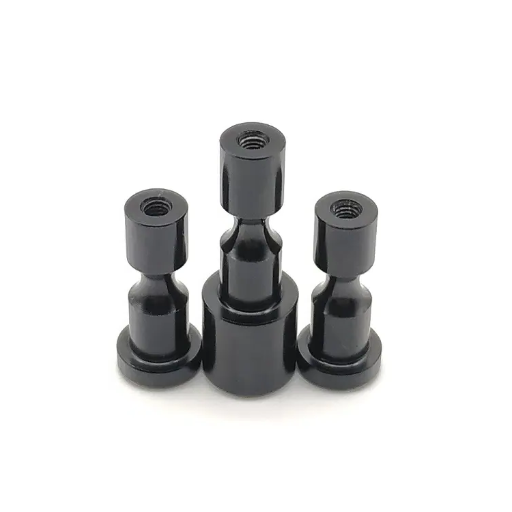
Choosing the right ABS machining service is important to achieve a high-quality and accurate outcome. Begin by assessing whether the ABS machining provider is good with ABS materials because working with ABS requires knowing the nature of the material and its requirements. Check if advanced equipment and technology are in use that can make neat prototypes or parts. Have a look at their portfolio with successful past projects and inquire about lead times to match the production schedule. Finally, depend on reviews from other customers and also how fast they communicate with you during your engagement to ensure a reliable and collaborative working relationship.
Key Criteria for Choosing a Manufacturer
When selecting a manufacturer, ensure that the manufacturer has prior experience with the material you want, such as ABS, and that they work with advanced equipment to give precision and quality. Check their portfolio for past successful projects and confirm if their lead times will fit into your production needs. Lastly, try to work with manufacturers that have good reviews from their customers and that communicate well to guarantee a good partnership.
Potential Questions for Your Machining Service Provider
What materials do you specialize in machining? This will help you determine if they have experience with your required material, e.g., ABS.
What type of equipment and technology do you utilize? Make sure the machinery they use is advanced enough to guarantee precision and quality.
What are standard lead times you follow? You might want your production to go alongside their timelines.
Can you provide examples of similar projects you have done? This will help you evaluate their portfolio to see if they are capable of handling your project.
How will the communication be handled, and how often will you be updated during the process? This is a critical point for ensuring smooth collaboration.
Assessing the Offerings for Custom ABS Parts
When assessing offerings for custom ABS parts, aspects related to the quality of the Offerings, manufacturing reliability, and delivery would be paramount. Request detailed information on material specifications to ensure the ABS components are fit for your project. Ascertain whether the manufacturer has an excellent history of carrying out similar projects with regard to accuracy, durability, and timeliness. The supplier should also be able to communicate well with you, to ensure transparency and resolve any arising issues as soon as possible.
Reference sources
- Title: The Effect of Rapid Cold and Hot Cycle Injection Molding Process on the Surface Glossiness of ABS Plastic Parts
- Authors: Jian Xiong
- Publication Year: 2023
- Journal: Materials Science
- Citation Token: (Xiong, 2023)
- Summary: This study investigates the impact of rapid cold and hot cycle injection molding processes on the surface glossiness of ABS plastic parts. The research employs a rapid cold and hot cycle injection testing scheme, utilizing high-temperature steam and cooling water circulation systems. The findings indicate that specific process parameters significantly influence the surface glossiness of the molded ABS parts, suggesting that optimizing these parameters can enhance the aesthetic and functional properties of ABS components.
- Title: Optimization of Fatigue Performance of FDM ABS and Nylon Printed Parts
- Authors: A. Yankin et al.
- Publication Year: 2023
- Journal: Micromachines
- Citation Token: (Yankin et al., 2023)
- Summary: This research focuses on optimizing the fatigue performance of ABS and Nylon parts produced through Fused Deposition Modeling (FDM). The study utilizes experimental methods and finite element analysis to evaluate the effects of printing parameters such as internal geometry, printing speed, and nozzle diameter on the fatigue life of the materials. The results reveal that ABS exhibits different fatigue characteristics compared to Nylon, with specific geometrical configurations leading to improved performance.
- Title: Investigation on Electroless Metallized Fused Filament Fabricated ABS Parts
- Authors: A. Trivedi, P. Gurrala
- Publication Year: 2022
- Journal: Materials and Manufacturing Processes
- Citation Token: (Trivedi & Gurrala, 2022, pp. 960–970)
- Summary: This paper explores the electroless metallization process applied to ABS parts fabricated through Fused Filament Fabrication (FFF). The study examines the effects of various deposition temperatures and times on the metallization quality. The findings indicate that optimal conditions significantly enhance the electrical conductivity and surface properties of the ABS parts, making them suitable for applications requiring conductive surfaces.
- Top ABS CNC Machining Parts Manufacturer and Supplier in China
Frequently Asked Questions (FAQs)
What is ABS CNC machining, and what role does it play in manufacturing?
ABS CNC machining can be set to describe a process of employing computer numerical control technology in precision machining of parts into acrylonitrile butadiene styrene or ABS plastic. This method provides manufacturers with high accuracy and repeatability in creating components to particular dimensions and tolerances. ABS plastic is preferred because of its strength and impact resistance and is, thus, employed in many applications: from automotive parts to consumer electronics. To carry machining of ABS efficiently, a proper set of equipment and skills are required to prevent machining defects such as tooling marks or chatter lines. Also, one must keep the cutting parameters right to avoid damages to the plastic surface during machining.
How is fabricating ABS plastics different from other machining services for plastics?
Fabricating ABS plastics involves making parts from acrylonitrile butadiene styrene, which is a well-known strong and resilient material. Contrary to some other machining plastic services of bearing materials with different thermal properties, ABS can go through large thermal expansion on heating; therefore, heat deflection employed during machining has to be managed well. This means using specialized cutting tools to control temperatures according to the material’s deflection from heat, so as to avoid excessive heat that results in deformation. Others are commonly employed when ABS machining MMC milling and molding. The versatility of ABS enables them to be suitable for innumerable applications and thus enjoying much preference in the industry.
What are some common challenges in machining ABS plastic parts?
There are some challenges in machining ABS plastic parts, including controlling deflections and avoiding damages on the plastic surfaces. The major machining problems relating to ABS plastic parts include machining chatter. It arises from improper feed and cutting speeds. For a machining process to yield excellent results, all parameters should be considered while processing, including plastic coolants, which can be used during machining. Next comes the consideration of the low heat deflection temperatures for the plastic. Heat exceeding this temperature leads to deformation. Understanding these challenges gives the manufacturers the ground to produce high-quality plastic components that meet surface quality requirements without compromising the integrity of the materials.
What should be considered in deciding on ABS plastic fabrication?
Considerations when choosing ABS plastic fabrication methods include the application for which the materials are used as well as the specific properties of acrylonitrile butadiene styrene. Different fabrication techniques could be selected among CNC machining, molding, and CNC milling depending on the complexity and precision of the parts to be worked on. With CNC machining, ABS plastic offers higher precision and capability for intricate designs, whereas molding might be preferred for larger quantities of simpler shapes. Moreover, the manufacturer should take into account that ABS tends to overheat and thus take corresponding precautionary measures with cutting parameters. Selection of tooling set up and finish should further aid in determining whether the chosen fabrication method will yield an end product that meets required quality standards.
How do I prevent ABS fitting leaks during machining?
To prevent leaks in ABS fittings, a commitment to precision machining and good assembly practices must be maintained. Achieving the highest tolerance level in machining ABS plastic parts is necessary to ensure that fittings mate perfectly and without gaps. This implies that feed rates and cutting speeds should be optimized to prevent machining defects from appearing, which could threaten the sealing potential of the ABS parts. Good ABS materials engineered for plumbing purposes must be utilized to further decrease the probability of leaks after machining. The fittings should be inspected well for imperfections or tooling marks, however minute, as even small imperfections could lead to leaks under pressure. Improving fitting and sealing during assembly will, therefore, greatly contribute to the overall integrity of the connections.


