


Choosing the correct stainless steel for your project requires you to know the differences between 304 and 316 stainless steel. While 304 and 316 stainless steels are well known for their durability and corrosion resistance, some distinct properties imparted in one vs. the other reflect their separate fields of application. Most industrial technicians and designers of durable consumer goods are concerned with these; however, any curious one about materials science is welcome. From their chemical composition down to their most practical uses, let us go deep into a full guide for you to make the best decision towards your needs. Stay with us as we delve into some of the more popular stainless steel grades and the factors that distinguish each from the other.
What Is 304 Stainless Steel?
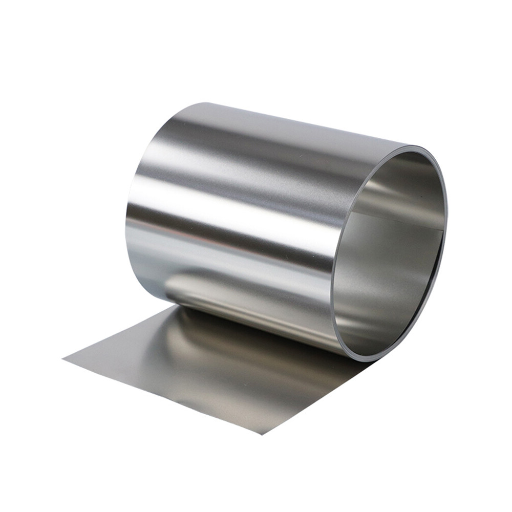
304 stainless steel is among the most widely used grades of stainless steel with knowledge of keeping away corrosion, resisting wear, and being versatile in manufacturing. Being mostly iron, chromium, and nickel, this composition classifies it as austenitic stainless steel, which is non-magnetic and easy to formulate. 304 stainless steel is regarded for resisting rusting and chemical attacks in varying environments and is being common in kitchen utensils, appliances, and industrial applications.
Understanding 304 Stainless Steel Composition
Being balanced mixtures of elements passing to the notable properties described above, 304 stainless steel contains the following main elements:
- Chromium (18-20%): The critical element intended to prevent corrosion is chromium that in stainless steel forms a thin passive chromium oxide layer on the surface. The passive oxide layer acts to protect the surface from corrosive attack. Therefore, these passive layers protect the steel from rusting, thus improving its durability.
- Nickel (8-10.5%): Nickel maintains the austenitic structure of steel, thus making it non-magnetic and enhancing its strength, flexibility, resistance to impact, and temperature variations.
- Carbon (≤0.08%): By keeping carbon low, 304 stainless steel minimizes carbide precipitation during welding, so it maintains corrosion resistance.
- Manganese (≤2%): Manganese imparts tensile strength and improves wear and tear resistance.
- Silicon (≤1%): Silicon raises oxidation resistance and, under high temperature, also increases strength and hardness.
- Phosphorus (≤0.045%), Sulfur (≤0.03%): Both elements are kept to minimum levels as they would ordinarily create brittleness and cause inconsistency in mechanical performance.
The exact equilibrium of these elements has produced a material suitable for all working environments-from domestic to industrial purposes. Standard composition complies with the American Society for Testing and Materials (ASTM) standards such as ASTM A240 and A276, ensuring the quality and performance of 304 stainless steel in various industries like food processing, construction, and chemical plants. The great property of 304 stainless makes it highly versatile to meet the demands of industries like food processing, construction, and chemical plants.
Remarkable Mechanical Properties of 304 Stainless Steel
The 304 grade stainless steel is special with its exceptional mechanical properties, that is why it has found application in many areas:
- Tensile Strength: 304 stainless steel usually exhibits tensile strength of around 505 MPa (73,200 psi), signifying a material able to take on huge stresses applied without permanent deformation.
- Yield Strength: Yield strength generally stands at 215 MPa (31,200 psi), marking the material’s point of plastic deformation.
- Break Elongation: It can undergo an elongation rate of about 40%, showing that it is highly ductile and can stretch under tensile load.
- Hardness: The Rockwell B Hardness of 304 stainless steel frequently stands somewhere between 70 and 92 while depending largely on its method of processing.
- Modulus of Elasticity: A modulus of elasticity of around 193 GPa (28 x 10⁶ psi) speaks about this materials’ unwanted deformation resistance when subjected to other stresses.
Applications and Uses of 304 Stainless Steel
304 stainless steel is among the most versatile steel grades and most widely used for corrosion resistance, fabrication ease, and durability. It has several applications in a variety of industries. Some major applications and uses:
- Food and Beverage Industry: 304 stainless steel finds widespread application in food processing and handling equipment, including storage tanks, kitchen sinks, and food preparation surfaces because of its high resistance to rust and ease of cleaning. It further complies with stringent sanitary standards and thus remains the material of choice for commercial kitchens and food manufacturing.
- Medical Equipment: Being nonreactive to most chemicals and able to withstand sterilization processes, the alloy finds an application in surgical instruments, operating tables, and medical trays. The biocompatibility of this material meant for medical purposes also ensures it is safe to use in an environment where hygiene is a concern.
- Construction and Architecture: From the construction perspective, 304 stainless steel is used as cladding on the outside, handrails, roofing, and decorative elements, especially in urban environments where strong corrosion resistance makes it cling to weather and pollution.
- Chemical and Petrochemical Industries: Because it can stand against acids and corrosive chemicals, it finds application in chemical storage tanks, piping systems, and heat exchangers. Its strength and resistance to stress corrosion cracking enable it to perform reliably even in strenuous conditions.
- Automotive and Transport Sectors: 304 stainless steel is considered hyperthermal corrosion-resistant materials in vehicle exhaust manifolds, decorative trims, and fuel tanks. Also, aerospace use for structural components where strength and lightweight are of utmost importance.
- Household Items: This material is used practically in kitchen utensils, cookware, and appliances, leveraging its durability and charm.
Exploring the Corrosion Resistance of 304 and 316
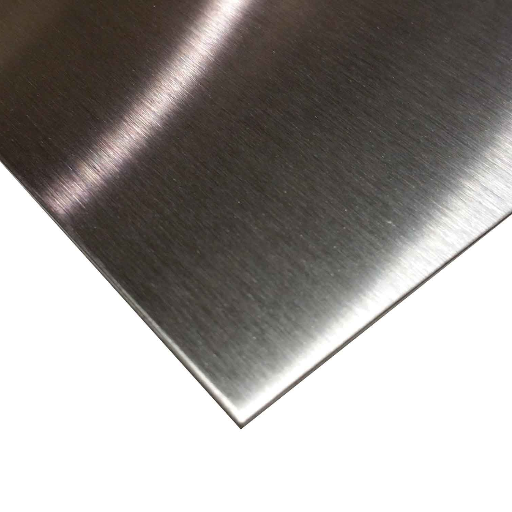
304 stainless steel fights rust fairly well in various environments, so it can be used for relatively generic purposes. But 316 stainless steel boasts higher resistance to corrosion under tougher or more extreme conditions such as exposure to chlorides or marine environments. This enhanced performance of 316 is due to the presence of molybdenum, which enables it to resist pitting and crevice corrosion. Whenever working under the conditions of high salt exposure or chemical processing, 316 is used in preference.
What Disrupts Corrosion Resistance?
A stainless steel’s corrosion resistance is dependent upon various factors such as the composition of the alloy, the environment to which it is exposed, and the maintenance practices pursued. The higher the chromium level and molybdenum content in the alloy, the better will be resistance against general rusting and pitting. Exposure to moisture, particularly those bearing chlorides or those constituting harsh environment-worthy chemicals, is detrimental to corrosion and hence suggests the use of materials that shall be more corrosion resistant under such adverse exposure-the likes of 316 SS. Proper cleaning and handling are also aiding factors for materials to maintain corrosion resistance in the long run.
Comparing 304 vs 316 in Corrosive Environments
304 stainless steel is cost-effective and versatile, but 316 stainless steel offers higher corrosion resistance due to added molybdenum content, making it better suited for harsh, chlorinated, or marine environments.
| Parameter | 304 | 316 |
|---|---|---|
| Corrosion | General use | High resistance |
| Strength | Moderate | Moderate |
| Cost | Lower | Higher |
| Chlorides | Limited resistance | Superior resistance |
| Marine Use | Not ideal | Excellent |
| Durability | Adequate | Enhanced |
| Applications | Indoor/general | Marine/industrial |
Understanding Chloride and Pitting in Stainless Steels
Chlorides from salt or seawater threaten the very integrity of stainless steels, causing them to speed up corrosion processes. They generate some particular kind of localized corrosion known as pitting corrosion. This type of corrosion occurs when the protective oxide layer on stainless steel is disrupted in some way, giving rise to minuscule cavities about a micron deep and eventually forming widened pits by dimension up to large ones undermining their materialness.
Amongst these two, Type 316 stainless steel is considered to be better at withstanding chloride-related pitting because of its higher molybdenum content (generally around 2-3%). This molybdenum is beneficial in stabilising the passive film and hence in reducing chances of pitting in hostile environments. Studies have proved that the Pitting Resistance Equivalent Number (PREN), used as an index of pitting corrosion resistance, is much higher for 316 stainless steel. The PREN is mostly calculated as:
PREN = %Cr + 3.3(%Mo) + 16(%N)
For Type 304, the PREN typically falls between 18 and 20, while that for Type 316 is normally between 23 and 26, reflecting enhanced performance in chloride environments.
The data from marine and industry applications has proven that 316 stainless steel can withstand long-term seawater and deicing salt exposure and thus be used as materials for structures and pipelines and equipment in these situations. On the other hand, Type 304 is best suited when the environment is less aggressive, and chlorides are not a severe matter of concern. These points concerning the differences of materials appropriate for stainless steel in chloride exposure-prone environments.
Chemical Composition of 304 and 316 Stainless Steel
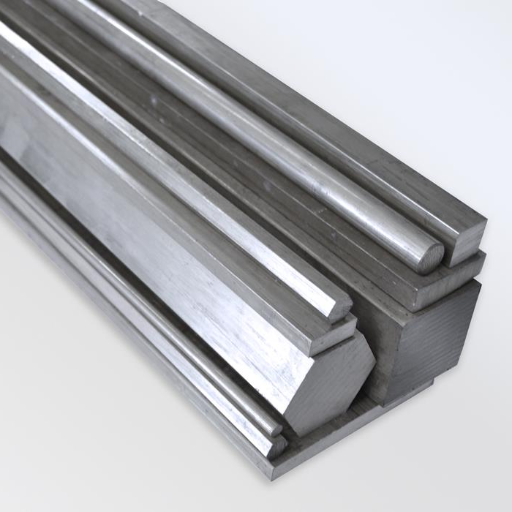
To point out the major chemical distinction between these two stainless steels: their molybdenum content. Type 316 contains 2 to 3% molybdenum, which imparts better corrosion resistance against chlorides and other aggressive chemicals. As opposed to this, Type 304-series stainless steel has no molybdenum but relatively more chromium and nickel, thereby having a very good general corrosion resistance in milder environments. This difference in chemical composition is greatly responsible for the applications in which these two steels find widespread use. To summarize, 316 is much preferred in marine and industrial applications, whereas 304 finds its best use in general-purpose applications.
Role of Nickel and Chromium in Stainless Steels
Nickel and chromium being two of the very important elements that significantly affect sul stainless steels’ properties. Chromium-making stainless steel visible to corrosion-resistance needs to be present in more-than 10.5% value. The mechanism behind this is the formation of a very transparent and highly stable layer of chromium oxide on the alloy’s surface, which repairs itself if damaged and acts as a barrier to oxidation and rusting. For instance, Type 304 and 316 steels contain approximately 18% chromium and thereby must be very well resistant against oxidation in various environments.
Nickel, meanwhile, improves the mechanical and structural properties of stainless steel. It provides toughness and ductility that allow the steel to sustain severe thermal variations and mechanical deformation. Commonly used Stainless steel grades such as Type 304 and 316 usually contain 8% to 12% nickel. The addition stabilizes, too, the austenitic crystal structure that, in turn, promotes corrosion resistance and ease of fabrication.
Together, chromium and nickel provide stainless steels with a balance of durability, strength, and corrosion resistance, which makes them indispensable in industries like construction, chemical processing, and food production. Statistical studies showed that, while resistance to high-temperature oxidation increases with higher chromium content, higher nickel-level grades are related to superior resistance in reducing acids such as sulfuric acid. Hence, stainless steel becomes very useful in a variety of high-demanding applications due to these elements.
Differences in Alloy Content: 304 vs 316
The primary difference between 304 and 316 stainless steel lies in their alloy composition, with 316 containing molybdenum for enhanced corrosion resistance, particularly against chlorides and harsh environments.
| Parameter | 304 | 316 |
|---|---|---|
| Chromium | 18-20% | 16-18% |
| Nickel | 8-10.5% | 10-14% |
| Molybdenum | None | 2-3% |
| Corrosion Res. | Standard | Superior |
| Chloride Res. | Moderate | High |
| Cost | Lower | Higher |
| Applications | General Use | Marine, Chemical |
Effects of Carbon Steel and 304L Variants
Carbon steel and 304L variants act differently according to the application or requirements. For example, carbon steel would be chosen for structural applications requiring strength and cheapness for which corrosion resistance is not paramount. On the contrary, due to its reduced carbon content, 304L stainless steel would be apt for corrosion resistance applications, especially welding that would hamper carbide precipitation so as to retain corrosion resistance.
Understanding the Fabrication and Weld Abilities
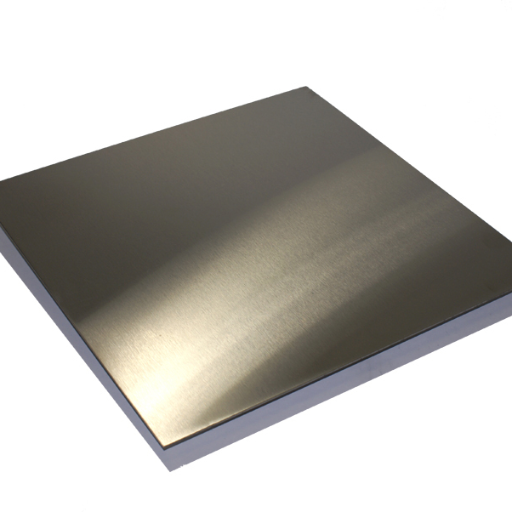
Carbon steel is easier to weld and partners in fabrication due to limited alloying elements with predictable behavior. 304L stainless steel, however, was designed for welding with its lower carbon content to eliminate carbide precipitation and subsequent intergranular corrosion. Thus, 304L is used in situations where post-weld mechanical strength is critical, along with corrosion resistance.
The Weldability of 304 Stainless Steel
Widely known for its excellent weldability, 304 stainless steel is one among the mostly used materials in construction, manufacturing, and many industrial applications. This stainless grade can be welded by all standard fusion and resistance welding methods, which attributes to its versatility. It, however, does not need post-weld annealing for sections of thin thickness, although it is best for it to aid with stress relief and corrosion resistance improvements.
Studies and data state that joining of 304 stainless steel through welding and by using correct filler materials such as 308L or 316L gives strength and corrosion resistance, which is best for weld joints. The chromium present in the alloy (about 18%) and nickel (about 8%) composition gives it the best resistance against oxidation and high-temperature strength. However, caution must be given towards avoiding overheating of the material during the welding process as it leads to carbide precipitation and localized corrosion, mainly in an environment exposed to chloride ions.
Depending on stringent control of heat input, welds become stronger and more durable. The recommended amount of heat input in welding, which varies by some criteria, is typically below 1.5 kJ/mm. Shielding gases such as argon or argon with hydrogen admixture are recommended during GTAW or TIG welding to protect the weld pool from contamination, thereby resulting in cleaner and better quality welds.
Thus, 304 stainless steel represents a really good compromise between weldability, mechanical properties, and corrosion resistance, whereby it finds use in everything from pharmaceutical to chemical equipment manufacturing.
Cold Working and Heat Treatment Processes
Cold working is the deformation of the material at room temperature to improve strength and hardness through strain hardening. The common methods of cold working are rolling, drawing, and pressing. Moderate deformation rates shall be applied for 304 stainless steel to avoid cracking.
Heat treatment of 304 stainless steel is usually annealing at 1850-2050 F, followed by rapid cooling, in water most of the time. This restores ductility and removes residual stresses imposed by cold working while maintaining corrosion resistance.
How to Choose Between 304 and 316 Stainless Steel?

Choosing between 304 and 316 stainless steel will largely depend on the environment and application. 304 is more for general-purpose applications with good corrosion resistance, durability, and inexpensive. However, in view of corrosive attacks from chlorides or harsh chemicals where 316 stainless steel shows higher resistance to corrosion due to the greater content of molybdenum, it would be the better choice. Standard applications favor stainless steel 304, marine and chemical environments favor stainless steel 316, as do salt-rich environments.
Assessing Mechanical Properties for Specific Applications
When analyzing stainless steel mechanical properties for an application, consideration must be paid to strength, ductility, and toughness. Both have excellent mechanical properties that adhere to various applications, but their usage and environmental conditions alter performance slightly. More specifically, 304 stainless steel exhibits a high tensile strength and good impact resistance, thus being beneficial for structural components and general-purpose machinery. Yet, on the other hand, the 316 stainless steel assures almost the same strength but would be far more venerable in extreme environments to performing activities teeming with chemicals, saltwater, or great temperatures. A critical inspection of your application’s working requisites will ensure whichever you choose is the right one.
Cost Considerations: 304 vs 316
The cost differences between 304 and 316 stainless steel are influenced by material composition, availability, performance, and market demand.
| Key Point | 304 Steel | 316 Steel |
|---|---|---|
| Base Cost | Lower | Higher |
| Nickel Content | Lower | Higher |
| Corrosion Resist | Moderate | Superior |
| Strength | Similar | Similar |
| Temp Resilience | Standard | Higher |
| Chemical Resist | Moderate | Superior |
| Applications | General | Harsh Env. |
| Affordability | Better | Costly |
Evaluating Corrosive Media and Stress Corrosion Cracking
In determining the corrosive media, it is very important always to consider the respective environmental conditions faced by each grade of stainless steel used. Stainless steel 316 actually due to its higher molybdenum content resists chloride-induced pitting and crevice corrosion better than 304. Hence it is the choice of material in situations where the usage of saline water, brines, or harsh chemicals is common.
Regarding SCC, both grades can be susceptible to it under situations of high stress in chloride-containing environments, particularly at higher temperatures. However, because of its chemical resistance, 316 stainless steel is known to be more resistant to stress corrosion cracking overall. Thus, where such problems may be encountered, evaluation of stress, chemical exposure, and temperature conditions must be given special consideration for selection of the best material to provide life and reliability.
Reference sources
- Novel porphyrin derivatives as corrosion inhibitors for stainless steel 304 in acidic environment: synthesis, electrochemical and quantum calculation studies
- Authors: A. S. Fouda et al.
- Published in: Scientific Reports, 2023
- Key Findings:
- Two novel porphyrin derivatives (P1 and P2) were synthesized and tested as corrosion inhibitors for stainless steel 304 in a 2 M HCl environment.
- The protection efficiency increased with the concentration of the inhibitors, reaching 92.5% for P1 and 88.5% for P2 at a concentration of 21 × 10⁻⁶ M.
- The study found that the inhibitors acted as mixed-type inhibitors, affecting both anodic and cathodic processes.
- Methodology:
- Mass reduction and electrochemical tests were conducted to evaluate the corrosion inhibition efficiency.
- Langmuir’s isotherm was used to model the adsorption of the inhibitors on the stainless steel surface.
- Quantum calculations (DFT) and Monte Carlo simulations were performed to understand the relationship between the chemical structure of the porphyrins and their inhibition efficiency(Fouda et al., 2023).
- Experimental Investigation of Surface Roughness and Material Removal Rate in Wire EDM of Stainless Steel 304
- Authors: Noha Naeim et al.
- Published in: Materials, 2023
- Key Findings:
- The study investigated the effects of various process parameters on the surface roughness and material removal rate during wire EDM of stainless steel 304.
- It was found that the material removal rate was significantly influenced by the traverse feed, current intensity, and applied voltage.
- The surface roughness was primarily affected by current tension and pulse-on time.
- Methodology:
- A full factorial design of experiments was employed to analyze the impact of five process parameters: applied voltage, traverse feed, pulse-on time, pulse-off time, and current intensity.
- MATLAB image processing toolbox was used to characterize the geometry of the cut slots and evaluate the material removal rate(Naeim et al., 2023).
- Impact of process parameters of resistance spot welding on mechanical properties and micro hardness of stainless steel 304 weldments
- Authors: Ramanuj Kumar et al.
- Published in: International Journal of Structural Integrity, 2020
- Key Findings:
- The study examined how various parameters of resistance spot welding (RSW) affect the mechanical properties and microhardness of stainless steel 304 weldments.
- It was found that current intensity and nugget diameter significantly influenced tensile strength, while microhardness was affected by electrode pressure and holding time.
- Methodology:
- The research utilized Taguchi L16 orthogonal array to analyze the significant parameters affecting the outputs.
- Tensile tests and microhardness measurements were conducted to evaluate the weld quality(Kumar et al., 2020).
Frequently Asked Questions (FAQs)
Q: What is stainless steel 304?
A: Stainless steel 304, also known as SS304, is the most common stainless steel of the austenitic grade. It resists corrosion and oxidation fairly well and can be utilized in many different applications, including processing equipment and tools for stainless steel materials.
Q: What is the difference between 304 and 316 stainless steels?
A: The chief difference lies in molybdenum’s presence in 316, which gives it better corrosion resistance, particularly in chloride environments; hence, it is more expensive than 304, which is preferred in less demanding environments.
Q: What are the prime constituents of stainless steel grade 304?
A: Stainless steel grade 304 consists chiefly of iron, chromium (18-20%), and nickel (8-10.5%). It is designated as 1.4301 in the DIN standard and provides good resistance to oxidation and corrosion.
Q: What distinguishes stainless steel 304H from standard 304?
A: Stainless steel 304H differs from the 304 by its higher carbon content that gives it improved mechanical properties at elevated temperatures. Grade 304H is used where strength and resistance to oxidation in intermittent service must be improved.
Q: Is 304 stainless steel applicable for high-temperature work?
A: Yes, stainless steel 304 offers quite good resistance against oxidation and is thus, used in many high-temperature applications. However, for more severe conditions, grade 304H is recommended because of its high-temperature strength.
Q: What is the importance of preventing cross contamination of stainless steel?
A: Prevention of cross contamination of stainless steel is important to retain its corrosion-resisting property. Contaminants from other metals will cause rust deposits and impair the stainless steel, particularly the processing equipment.
Q: What are some common uses of stainless steel 304?
A: Stainless steel 304 is employed in numerous applications, such as kitchen equipment, food processing equipment, chemical containers, and architectural paneling, due to its durability and corrosion-resistant nature.
Q: Can stainless steel 304 be welded, and if so, what should be taken into consideration?
A: Yes, all conventional methods of welding stainless steel 304. In order to avoid corrosion at the weld joint, one should carry out the treatment of the filler metal and welding tool to avoid contamination if not keep the entire tool clean to avoid stainless steel contamination, and post weld annealing might be required in some cases.
Q: Why is a data sheet important for stainless steel 304?
A: A data sheet gives detailed information on the mechanical properties, chemical composition, and thermal characteristics of stainless steel 304, which an engineer or designer must consult to ensure that the material fits the requirements of their application.
Q: What are equivalents of stainless steel 304 in other standards?
A: Copies of stainless steel 304, besides the 1.4301 version, include 1.4307 of the DIN standard, which is the low carbon version of the steel, known as 304L. Such equivalents help in identifying the material in different international standards to ensure proper material selection.


