


Titanium is the material of choice for anything requiring great strength, light weight, and resistance to corrosion. So it goes from aerospace to medical applications. However, the very essence of titanium being tough and having some peculiarities offers many challenges to its manufacturing. For a manufacturer, learning CNC machining on titanium, in order to extract the full potential out of it, would mean considering heat, cutting tool wears, and precision requirements. This article will give you a collection of useful tips and challenges while including expert techniques to achieve optimum results in working with titanium. Thus, whether a skilled machinist or just starting out in CNC machining, this post serves as a one-stop resource to help build on your technique and truly take your craftsmanship higher.
Understanding Titanium and Its Alloys
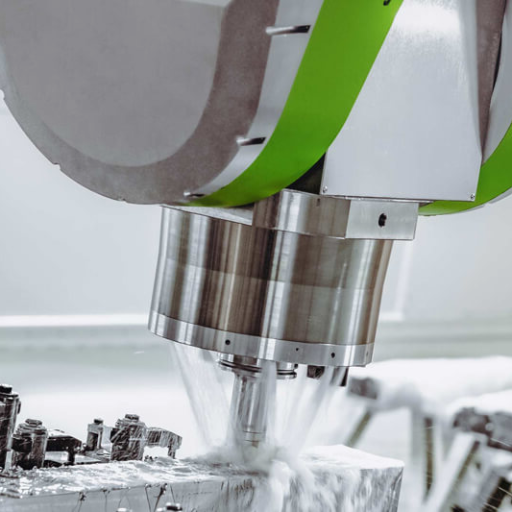
Titanium is a lightweight, high-strength metal, capable of resisting any corrosion and possessing biocompatibility. It offers high strength relative to weight and hence finds use in aerospace, medical, and automotive fields. Titanium alloys, such as Ti-6Al-4V, are combinations of titanium and other metals-e.g., aluminum and vanadium-to modify their properties such as machinability, strength, heat resistance, etc. An understanding of the highly unique properties of titanium and its alloys will help in choosing the right material and set appropriate machining conditions.
Types of Titanium
Titanium is classified into four main types: pure titanium, alpha alloys, beta alloys, and alpha-beta alloys.
| Type | Strength | Weight | Corrosion | Formability | Use Cases |
|---|---|---|---|---|---|
| Pure Titanium | Moderate | Lightweight | Excellent | High | Medical, Chemical |
| Alpha Alloys | Moderate-high | Lightweight | Excellent | Moderate | Aerospace, Marine |
| Beta Alloys | High | Lightweight | Good | Low | Sports, Military |
| Alpha-Beta Alloys | High | Lightweight | Good | Moderate | Automotive, Aero |
Properties of Titanium Alloys
- Pure Titanium: Highly workable and highly resistant to corrosion, hence the name being applied in medical and chemical industries.
- Alpha Alloys: These are of somewhat high strength with the highest corrosion resistance and hence used in aerospace and marine environments.
- Beta Alloys: Highest strength but lesser corrosion resistance and formability; hence employed in sports equipment and military applications.
- Alpha-Beta Alloys: These generally provide a very good balance of strength and formability, at reasonable corrosion resistance and hence are good for automotive and aerospace purposes.
Applications of Titanium in Industry
Titanium finds employment in several industries considering its unique properties. Titanium is therefore use aerospace for aircraft components considering its good strength-to-weight ratio with corrosion resistance. In medical fields, titanium is used for making implants such as joint replacements and dental implants for it is biocompatible and durable. The next industry to use titanium would be automotive and chemical processing for it’s used in making parts subjected to high stress or corrosive environments, ensuring reliability and longevity. Such applications characterize the value of titanium in assorted sectors.
Ti For CNC Machining
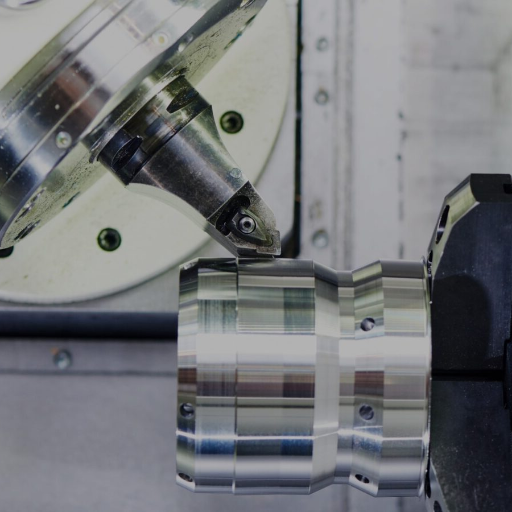
Consider the unfamiliarity of titanium with its extraordinary strength, lightness, and corrosion resistance. When seeking a titanium application the premise is that it is supposed to undergo a significant operational environment wherein it is called upon to be subject to harsh operational conditions. During machining, however, correct tool/user technique has to be adopted since machinability is low due to titanium’s hardness and heat-cellular nature.
Factors to Consider in Choosing a Titanium Grade
- Application Requirements: Ask if strength, corrosion resistance, or lightweight is most important. For instance, Grade 5 is considered very high in strength while Grade 2 is regarded highly for corrosion resistance.
- Operating Environment: Exposed to extremes of temperatures, moisture, or corrosive reagents? Then select a grade that will do well under these conditions.
- Fabrication Requirements: Ease in machining, welding, or forming industry. Pure titanium grades (like Grade 1 or 2) are easier to work with than the alloyed grade (Grade 5).
- Price Constraints: Have a balance for performance of the material with regard to your budget. Some higher grades and alloys can be quite expensive.
Advantages of Using Titanium for CNC Machining Parts
Titanium offers various advantages for CNC machining parts, making this element preferred in myriad industries:
- High Strength-to-Weight Ratio: Titanium has a strong tensile character and is light, thus improving the performance of any application that needs to be durable without being increased.
- Corrosion Resistance: It is resistant to corrosion with respect to water, chemicals, and salt, thus being the perfect material for tough environments.
- Biocompatibility: Titanium is safe for use in medical applications, such as implants, due to its compatibility with the human body.
- Heat Resistance: Titanium maintains its properties at very high temperatures, hence perfect for aerospace and automotive parts.
Due to these advantages, titanium parts become the most dependable, durable, and versatile.
Some Commonly Machined Titanium Parts
Titanium is strongly used to make parts such as medical implants, aircraft parts, automotive engine parts, and industrial equipment. These parts take advantage of titanium’s strength, lightness, and resistance to extreme conditions, thereby making them trustworthy for high-tech and performing applications.
Titanium CNC Machining: Techniques and Processes

This machining process involves special treatment of titanium because it is a strong and reactive material. It comprises sharp cutting tools, low cutting speeds, and frequent cooling, as all these combine to resist overheating of the cut titanium. In other words, for precision work, one needs the right tools and proper conditions, lest the tool gets too much wear or the material starts deforming.
Preliminary Process Overview
Due to the very special nature of titanium, machining requires special planning and careful preparation. It starts with selecting the tools and parameters suited to the strength and heat conduction of titanium, cutting tools for wear resistance and lower speeds, with moderate feed rate seem to minimize heating and friction. Coupled with this is cooling down of the machining process, maintained to achieve some stability so that overheating is avoided. Each step must be closely monitored to achieve precision in results and quality in the finished product.
Right Cutting Tools for Machining Titanium
The kinds of cutting tools used will be suitable for titanium machining because of its special consideration of high strength, low thermal conductivity, and proneness to work hardening. Tools made from carbide and coated carbide materials are commonly chosen because of their ability to resist wear and to sustain the extreme conditions brought about during titanium machining processes. Usually, cutting tools in titanium machining require PVD coating, for example, TiAlN, which reduces heat generation and improves tool life.
Investigations had proven that, in the machining of titanium alloys such as Ti-6Al-4V, carbide inserts having sharp cutting edges and positive rake angles facilitate better machining by reducing cutting forces and heat generation. Moreover, tool geometry can have a positive influence in the machining process. For example, tools with a chipbreaker manage chip flow efficiently, thus preventing damage to the workpiece and reducing stress in the machining operations.
Further studies draw attention to the importance of tool diameter and surface finish. For instance, tools with smaller diameters tend to perform better at high speeds, whereas polished coatings such as DLC (Diamond-Like Carbon) can enhance tool performance further by lowering friction. In conjunction with typical cutting speeds in the range of 30-60 m/min and moderate feed rates, the use of such coatings can maintain both dimensional accuracy and surface integrity.
Finally, well-designed cooling solutions must be implemented to optimize tool performance and extend tool life. For example, high-pressure through-tool cooling systems can effectively dissipate heat and flush away titanium chips, which could otherwise hamper efficient cutting operations.
Tips for Efficient Titanium Machining
- Right Tool Selection: Utilize cutting tools specifically made for titanium, such as carbide or those coated with wear-resistant materials.
- Correct Cutting Speeds & Feed Rates: These parameters should be kept within recommended cutting speeds (30-60 meters per minute) with moderate feed rates being steadily applied.
- Proper Coolant Usage: Apply high-pressure through-tool cooling to efficiently manage heat and chips removal.
- Minimize Heat: Avoid long dwell times and excessive cutting speeds to reduce heat buildup and tool wear.
- Chip Management Solutions: Select appropriate chip breakers or cutting parameters to effectively deal with hard and sticky chips from titanium.
Ponchos in Titanium CNC Machining
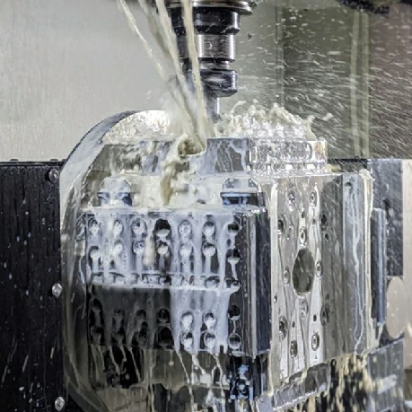
Titanium machining faces several challenges owing to its characteristic material properties. Its much strength and low thermal conductance result in the generation of too much heat against the cutting tool, which in turn compromises the surface finish and shortens the life of the tool. Titanium also tends to work-harden and produces chip material that is hard and sticky, conflicting with chip breaking and leading to the risk of sudden breakage of the tool. Besides this want of very fine cutting conditions and advanced cooling through applied techniques makes titanium machining a very complex and demanding process, calling for much human and technical expertise.
Common Problems Faced While Machining Titanium
Machining titanium presents several considerable challenges due to its unique properties. One of the common problems occurs due to the excessive formation of heat when the cutting is going on. Titanium has very low thermal conductivity (around 7.2 W/m·K), preventing the heat from escaping and causing its cutting edges to elevate to a very high temperature. That causes a reduction in tool life and, in some cases, degradation of the surface finish of the machined part. The contrary studies present that wear of cutting tools while machining titanium is three times higher than which occurred during machining of steel.
If work hardening occurs, it acts as another big challenge because work hardening causes an increase in cutting forces, escalates tool wear, and can cause the tool to fracture prematurely. Due to titanium’s high chemical reactivity, this very problem is aggravated: The material tends to bond with cutting tools, causing material buildup (known as built-up edge) on the tool’s surface.
Another chip control problem arises when machining titanium. Because of the toughness of the material, long and sticky chips are formed, which cannot be evacuated properly. Poor chip evacuation can cause damage to the tool and surface defects, or even disastrous failures in equipment at high speeds. Another problem accompanies precise cutting parameters. Machining titanium requires low cutting speeds (generally 30-60 m/min) and high feed rates to prevent overheating and keep the process stable. Optimizing these parameters for each application is not only costly but time-consuming.
Also advanced cooling methods are another necessity. Conventional flood cooling is commonly not enough. Unlike conventional flood cooling, many operations use high-pressure coolant or Minimum Quantity Lubrication (MQL) methods to achieve better heat dissipation with prolonged cutting tool life. Without any cooling, cooling enhances thermal damage risks for both the tool and workpiece.
Due to all of these aforementioned difficulties, machining titanium with special equipment, advanced tool coatings, and thorough process planning achieves better results. Most of these issues can be mitigated by adapting strategies and applying technological innovations, thus enhancing the productivity and cost-effectiveness of machining operations dealing with titanium.
Strategies to Overcome Machining Challenges
- Tool Design: Use tools especially designed for titanium cutting, e.g., carbide tools or coated surfaces that improve durability and cutting action.
- Cutting parameters: Use relatively low cutting speed and high feed rate to reduce heat generation and wear of the cutting tools.
- Cooling: Employ high-pressure coolant systems to keep temperature down during machining and maintain machining accuracy.
- Vibration stability: Maintain stability throughout machining so vibrations will be minimized and machining accuracy maximized.
- New technologies: Incorporate new machining techniques like high-speed machining or adaptive controls to improve machining efficiency and reduce errors.
Useful Tips for Successful Titanium Machining
When machining titanium, I have a few key points I try to implement for success. I will always ensure that I use sharp and good-quality cutting tools made specifically for titanium, thus avoiding unnecessary wear of the cutting tool. I also maintain low cutting speeds but higher feed rates due to their considerations necessary to balance productivity and work hardening. Rigidity is also critical; therefore, I would rather double-check my setup to minimize any possibility of vibration. I also use high-pressure coolant systems to promote heat management to maintain precision throughout machining. Furthermore, I always update my knowledge within the realm of modern technology involving high-speed machining and adaptive control, among others, so as to improve the outcome and productivity.
Future Trends in Titanium CNC Machining
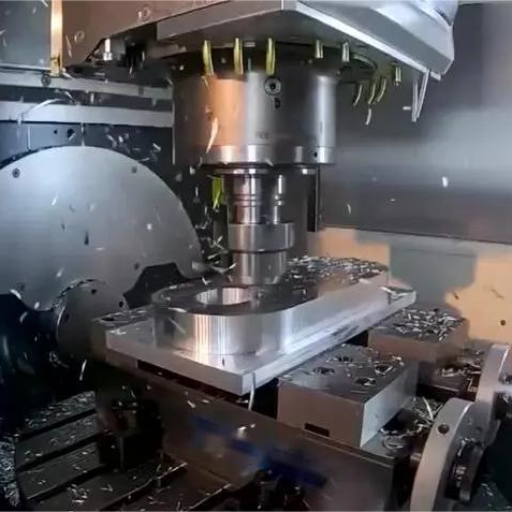
Automation, smart systems, and additive manufacturing would determine the future of titanium CNC machining. Artificial intelligence, machine fatigue, and robotics hold promising technologies that will smoothen production, minimizing human error and maximizing efficiency. Machine learning and AI-based adaptive controls are also expected to adjust machining parameters in real-time to further enhance performance. Moreover, hybrid manufacturing will marry CNC machines with 3D printing to grant flexibility in design and material usage. Such innovations will set new frontiers in titanium machining with respect to precision and sustainability, thus productivity.
Developments in Titanium Machining Technology
Recent improvements in titanium machining technology have drastically improved the machinability of this material. Titanium is a perfect choice in industries like aerospace, medicine, and automotive, where application is critical because of its very high strength-to-weight ratio and corrosion resistance, but it presents significant problems with machining because of its low thermal conductivity and high cutting resistance.
Cryogenic cooling is a technology that sees potential for wide implementations for once. It is a process wherein a liquid nitrogen or carbon dioxide spraying is used on the cutting zone to minimize temperature rise, greatly protect tool life, and maintain the integrity of the titanium workpiece. Several studies demonstrated that cryogenic machining might increase tool life by up to 60% compared with traditional cooling techniques, improve surface finish, and reduce machining time.
Other techniques in machining have overseen the rise of AI and machine learning. They calculate all the parameters dynamically according to sensor data in real time and use these parameters to control spindle speed, feed rate, tool path etc. to ensure best conditions for productivity. For example, a study reported in the Journal of Manufacturing Processes stated a 20% increase in material removal rates and a 15% decrease in tool wear due to the employment of AI-driven adaptive control during the machining of titanium.
Hybrid manufacturing combining CNC machining with additive manufacturing is yet another revolution in the industry. This approach allows manufacturers to 3D print complex titanium geometries, which are later CNC machined for top tolerances and surface finishes. Technologies like Directed Energy Deposition (DED) have been capable of diminishing material waste during titanium component production by 40%, thus supporting sustainability on an industrial platform, where material cost is considered steep.
Furthermore, advancements in cutting tool materials such as ultra-hard coatings like diamond-like carbon (DLC) and nano-composite ceramics further support improvements in tool performance. These materials are created to withstand the extreme temperatures and forces faced during titanium machining, resulting in greater efficiency and lower operational costs.
Such improvements maintain titanium machining as a highly vibrant area benefiting from cutting-edge technologies, enabling manufacturers to work on complex designs with better precision, sustainability, and scalability.
Emerging Applications for Machined Titanium Parts
Advanced titanium machining enables the emergence of new applications across industries, driven by demand for a lightweight, durable, and corrosion-resistant material. One of the leading applications for machined titanium parts is aerospace. The large strength-to-weight ratio of titanium makes it useful for manufacturing jet engine blades, airframe structures, and landing gear. The aerospace industry is expected to grow at a CAGR (compound annual growth rate) of 5.9% between 2023-2028, and accordingly, machined titanium components will continue to see increasing demand.
Medical applications are another key driver, with titanium used in surgical instruments, orthopedic implants, and dental applications. Titanium ensures that the human body accepts it as biocompatible for long-term durability and stability. Recent estimates put the global titanium medical device market at nearly $9.7 billion by 2026, emphasizing the critical importance of advanced machining techniques to meet the rising demand.
The industries for machine titanium parts for high performing vehicles, too, are ever-growing. Titanium acts as an exhaust system, engine valve, and suspension system materials to reduce weight and improve fuel efficiency without compromising strength. EVs are increasingly incorporating the use of titanium for the enhancement of their energy efficiency and battery range.
The energy industries are reliant on titanium as well, for offshore drilling, heat exchangers, and geothermal energy systems because this alloy can withstand very harsh environmental conditions. A greater focus on renewable energy solutions has further increased demand for long-lasting titanium components.
These newer applications exemplify titanium machining as a growing technology, increasingly able to tackle complex industrial challenges. Advancements in this field are well poised to address the evolving requirements of these growing markets. The amalgamation of smart technologies and precision tooling will further lift the position of machined titanium in futures sculpturing of several industries.
The Role of CNC Technology in Advancing Titanium Machining
The introduction of CNC into titanium machining has had great success in overcoming difficult problems presented by titanium’s toughness, its low thermal conduction, and wear resistance qualities. With programming and automation, manufacturers can now achieve higher precision and efficiency levels in machining titanium for critical-applications.
Equipped with proper software, CNC machines are capable of very complex designs with tolerances to an accuracy of ±0.0001 inches, which is essential for many industrial applications that include aerospace, medical, and automotive manufacturing. For example, in aerospace, CNC controls titanium components such as turbine blades and structural parts to exact specifications for optimum performance and safety standards. According to industry sources, CNC machining is now responsible for over 70% of titanium parts in modern aircraft.
With such precision and cost-benefit, CNC capabilities would be well suited to address those requirements. The manufacturers reduce production times by performing various operations in one setup with multi-axis CNC systems, decreasing costs and material waste, which, in consideration of titanium’s high price, is paramount. Integrated into CNC machines, real-time monitoring with smart technology can also provide useful information for optimizing cutting parameters, thus, minimizing cutting tool wear and enhancing productivity.
The CNC technologies further allow and support process standardization and scaling, while maintaining equal quality in mass production runs. CNC was essential for mass-produced medical implants such as joint replacements and dental fixtures where biocompatibility and precision mattered. According to market research, the global market for titanium medical implants was worth $4.4 billion in 2022 and is now expected to grow exponentially through the increased utilization of CNC machining in this field today.
With the continuing CNC technology evolution, incorporating new technologies like AI-backed CNC systems and integration with additive manufacturing, the scope of capabilities for titanium machining is due for a quantum leap.
Through these technological advances, the industry would now be able to push the envelope, assisting with and satisfying the growing need for strength, light-weight, and highly-specific titanium parts.
Reference sources
- Research Progress towards the Machining of Titanium Alloy Using CNC Milling: A Technical Review
- Authors: Mithun Kumar, P. S. Rao
- Publication Date: November 7, 2024
- Journal: Advances in Materials Research
- Citation: (Kumar & Rao, 2024, pp. 11–18)
- Summary: This review article provides a comprehensive overview of the development of CNC milling for titanium alloys, emphasizing the unique challenges posed by these materials due to their mechanical and chemical properties. The paper discusses the effects of cutting tool geometries and materials on machining efficiency, as well as various cutting conditions such as depth of cut, speed, feed rate, and lubrication techniques. The optimization of machining parameters is highlighted to achieve better surface integrity, quality, and reduced tool wear.
- Methodology: The review synthesizes findings from various studies, focusing on experimental results and optimization techniques in CNC milling of titanium alloys.
- Evaluation of Tool Wears Mechanism Considering Machining Parameters and Performance Parameters for Titanium Alloy in Turning Operation on CNC
- Authors: S. Ingle, Dadarao Raut
- Publication Date: March 23, 2023
- Journal: Advances in Materials and Processing Technologies
- Citation: (Ingle & Raut, 2023, pp. 1380–1400)
- Summary: This study investigates the tool wear mechanisms in CNC turning operations of titanium alloys, focusing on the influence of various machining parameters such as cutting speed, feed rate, and depth of cut. The research employs Taguchi’s L25 orthogonal array for experimental design and uses Multi-Criteria Decision Making (MCDM) techniques to analyze the results.
- Methodology: The study utilizes experimental trials to assess tool life and surface roughness, applying ANOVA to determine the significance of different parameters on tool wear.
- Comparative Investigation and Optimization of Cutting Tools Performance during Milling Machining of Titanium Alloy (Ti6Al4V) Using Response Surface Methodology
- Authors: S. Phokobye et al.
- Publication Date: February 19, 2024
- Journal: The International Journal of Advanced Manufacturing Technology
- Citation: (Phokobye et al., 2024)
- Summary: This paper focuses on optimizing the performance of different cutting inserts during the milling of Ti6Al4V titanium alloy. It employs response surface methodology (RSM) to evaluate the effects of cutting speed, feed rate, and depth of cut on tool wear and surface finish.
- Methodology: The authors conducted experimental trials using a CNC milling machine and analyzed the results with SEM to assess tool wear, providing a statistical basis for optimizing cutting parameters.
Frequently Asked Questions (FAQs)
What are CNC machined titanium parts, and what are their applications?
CNC machined titanium parts are those components made through computer numerical control processes where titanium is chosen as the prime material. Titanium parts are used widely in aerospace, automotive, and medical industries because of the nature of titanium being strong, lightweight, and corrosion-resistant. Depending on the requirements placed on a specific product, usually different grades of titanium such as grade 2 titanium and grade 5 titanium are used. These particular titanium alloys have a broad spectrum of applications allowing machining ability into individualized shapes and sizes, whereas, therefore CNC machining would be the most suitable process to manufacture such functional and high-performance parts. By knowing about the different types of titanium alloys, one can select the right material for a particular project.
What are titanium machining procedures to optimize efficiency?
Titanium machining procedures that enhance efficiency include, varying in speed and feed, selective cutting tools, and choice of coolants. Because of the nature of titanium, requiring heat generation and work hardening during machining, use of tools with titanium coating can greatly increase tool life and efficiency. Conversely, CNC titanium cutting can further refine titanium machining projects by enhancing accuracy and repeatability. Utilization of peck drilling can be applied especially for hole depths, together with the adaptive approach will overcome the problems while machining the harder titanium alloys. Adoption of any such techniques will indisputably yield success in titanium machining and also will provide a shorter cycle time.
What types of titanium alloys tend to be used in machining?
The types of titanium alloys generally used consist of commercially pure titanium together with titanium alloys such as those in grade 5 titanium and grade 23 titanium. Each one has varying properties that fit particular applications; for example, grade 2 titanium is good for corrosion resistance and ductility, while grade 5 titanium is great for strength-to-weight consideration. To select the right material for a machining project, it is thus essential to understand the differences among these several grades of titanium and types of titanium alloys. CNC machinists can then customize their machining approach depending on the particular characteristics the final product requires.
What are some useful tips for machining titanium?
Some tips for machining titanium include keeping cutting speeds at optimal values, using the best quality tools, and tooling with the proper geometry. Since titanium is difficult to machine because of its strength and toughness, it is essential that the cutting tool chosen is one specifically designed for it. Coolant also helps in preventing temperature from rising to a level that may cause tool wear or tool failure when machining titanium. Considering the unique aspects of titanium machining, including work hardening, can further improve the chances of success with this operation. Tracking tool wear and adapting machining parameters regularly will increase the efficiency and quality of titanium-machined parts.


