


Polyetherimide (PEI) stands among those materials that find their formulation in the realm of high-performance materials, offering ultimate thanks to its versatility and mechanical durability. PEI in many ways possesses exceptional mechanical properties. It can combine thermal stability with chemical resistance properties, turning PEI into a perfect material for working in demanding areas like aerospace, medical, and automotive manufacturing. So, what makes PEI so precious, and how does precision machining elevate the usages of PEI? In this article, a detailed study will consider the features of PEI plastic and examine the advanced machining techniques that facilitate this material at its best. Whether you are a design engineer or manufacturer or simply just someone interested in the latest materials, this will shed light on why PEI has managed to carve out a space for itself and the manner in which it is changing engineering in the 21st century.
Introduction to PEI and Its Properties
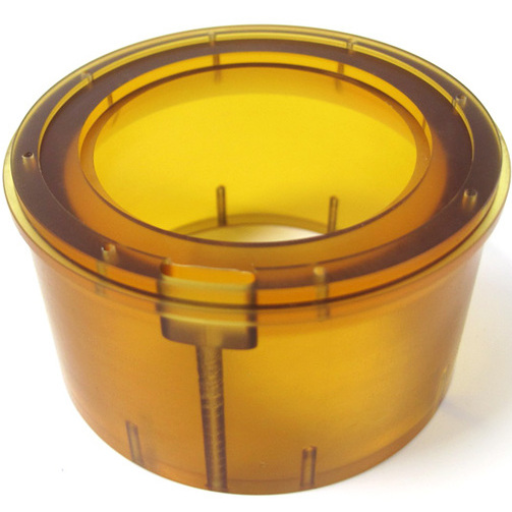
A high-performance thermoplastic with extraordinary strength, heat resistance, and dimensional stability-the answer is PEI. These characteristics render it suitable for application in so many demanding industries such as aerospace, automotive, and medical. Precision machining only improves the usefulness of PEI by enabling tight tolerances and intricate designs without compromising material integrity. This combination of versatility and reliability opens up enormous engineering opportunities for PEI.
What is PEI Plastic?
Polyetherimide (PEI) plastic is a polymer that belongs to high-performance thermal amorphous thermoplastics. Mechanical as well as thermal properties always rank PEI on a high ground. It is also noted for the good ratio of strength to weight, extreme heat resistance, and natural flame retardance. With its glass transition temperature around 217°C or about 423°F, PEI stays stable and confers performance under extreme conditions and suits high-temperature applications.
PEI plastic has the tensile strength of about 15,000 psi, while a continuous use temperature of 170°C (338°F). It is additionally characterized by the least thermal expansion rate and high dimensional stability, thus serving precision in applications requiring tight tolerances. Also, PEI shows low smoke generation and toxicity ratings; hence it makes for use in aerospace and transportation industries.
Great chemical resistance, especially toward hydrocarbons, acids, and alcohols, makes this material even more versatile. These plastics find use in as many industries as aerospace, automotive, electronics, and healthcare, for applications ranging from lightweight structural components to medical device housings.
The qualities and characteristics of PEI Plastic make it an indispensable material in modern engineering, thus, assuring reliability, longevity, and safety in diverse applications. This ability to blend durability with adaptability continues positioning it as most preferred by manufacturers around the globe.
Properties of PEI and PEEK
PEI and PEEK are high-performance thermoplastics exhibiting exemplary properties. PEI is inferior in heat resistance and dimensional stability, facing great demand from flame-retarding industries; hence PEEK has better mechanical strength and chemical resistance and extremely high temperature resistance. Both have good dielectric property and hence the wide use in aerospace, automotive, and medical industries for durability and reliability. PEI is more preferred for applications where structural integrity and cost-efficiency are important, whereas PEEK is considered when extra-ordinary toughness and perseverance towards extreme conditions are desired.
Types and Grades of PEI
The primary types and grades of PEI include general-purpose, glass-filled, carbon-filled, and flame-retardant grades.
| Grade | Fill Type | Key Strength | Use Case |
|---|---|---|---|
| General-Purpose | None | Balanced properties | Versatile usage |
| Glass-Filled | Glass fibers | High stiffness | Structural parts |
| Carbon-Filled | Carbon fibers | Superior strength | High performance |
| Flame-Retardant | Additives | Fire resistance | Safety-critical |
The benefits of machining PEI

PEI machining offers certain advantages because of its distinctive properties. Polyetherimide (PEI) is a polymer of high strength-to-weight ratio with very good thermal stability and resistance to chemical attack. Its qualities bestow it with properties that qualify it to be considered precision parts in space, automotive, and medical industries requiring the utmost precision. Its ability to maintain dimensional stability even in high temperature and harsh operating conditions ensures it cannot fail in service. Its versatility means it can be modified into different grades suitable for applications across diverse industries. Machining of PEI offers the fabrication of complex shapes of rugged components for critical applications.
High-Performance Attributes of PEI
Polyetherimide (PEI) is endowed with some very high-performance characteristics that have enabled it to emerge as a key material in a wide range of advanced industries. Unlike most plastics, the material does not lose its shape at extreme temperatures. That is a plus, as it can withstand sudden extreme changes from very short bursts of heat. It is worth noting that PI has a continuous use temperature of 340°F to 170°C and a short burst of exposure tolerances of 392°F to 200°C.
The polymer is mechanically very strong, with the tensile strength generally ranging between 15,200 and 22,000 psi, i.e., 105 and 152 MPa depending on the grade. Rigidity, which means dimensional stability, prevents any deformation occurring to it under heavy loads or stress for prolonged periods. With a low coefficient of thermal expansion, PEI further ensures accuracy and reliability in high-precision components.
Moreover, the chemical resistance makes PEI stand against the assault of a wide variety of hydrocarbons, alcohols, and weak acids without suffering significant degradation. It goes without saying that PEI offers excellent electrical insulation properties, with a dielectric strength of about 830 V/mil, which is first-class material from an electrical applications point of view.
The inherent flame retardancy makes PEI fall under UL94 V-0 rating and low smoke generation under ASTM measurements, increasing its desirability in aerospace and transportation industries. With enhanced research and machining techniques, PEI continues to play an even more vital role in the manufacture of lightweight, heat-resistant, and resilient composite parts that advance work in adverse environments.”
Advantages of CNC Machining of PEI
CNC machining PEI (Polyetherimide) has attributes and advantages that are widely accepted in many high-performance industries, thus it is heavily favored. The primary advantage is the excellent thermal stability, where continuous service temperature can reach up to 170°C (338°F) and short-term temperature capacity can rise up to 200°C (392°F). This makes CNC machined PEI parts perfectly suitable for extreme heat treatments necessary for aerospace and automotive enhancements.
PEI also affords excellent mechanical strength combined with a high strength-to-weight ratio. Thus, it becomes a preferred method of making lightweight yet fairly durable parts for the transport and health sectors. Another valuable trait is the exceptional dimensional stability, even under long-time thermal and mechanical stress exposure, which guarantees the precision and dependability of the machined parts.
Further, PEI is tested and rated under strict safety compliance of the UL94 V-0 rating as it displays flame-retardant behavior. This becomes highly useful in ensuring the safety of electronic components during their design and regulation checks. In addition, CNC machining offers customization to enhance geometry rigor for PEI parts while reducing waste-an advantage for both prototyping and industries aiming for efficiency and low-cost circuit decking.
Among recent years are a lot of improvements made in the machinability of PEI from tooling to machining operations. With diamond-coated end mills and optimized machining parameters, severe tool wear and heat accumulation issues in machining have almost disappeared, raising efficiency and cost-effectiveness on a higher level. With the improvements, the machining cost has been reduced, and at the same time, a higher-level quality and consistency are guaranteed.
And yet, Chemical resistance against very aggressive solvents makes PEI even more serviceable in more extreme conditions. With such a great prospect of properties, CNC machining of PEI has been a backbone to the innovation of demanding areas like aerospace, medical, electronics, and more.
Machined PEI Part Applications
From my experience, machined PEI parts have vast importance in industries where performance and suitability matter most. In the aerospace industry, for example, they make lightweight yet high-strength components that can perform efficiently under demanding operating conditions. In the same way, PEI parts in medicine are used to make sterilizable instruments and equipment that will last. The electronics industry also uses PEI for insulating and structurally supporting parts due to its superior thermal and electrical properties. Each application demonstrates the extreme versatility of PEI and how it gets results even when put under pressure.
Challenges in PEI CNC Machining
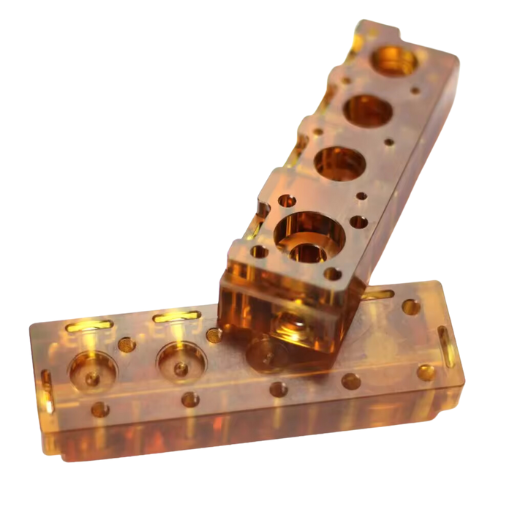
Several challenges arise while CNC machining PEI with respect to the characteristics of this polymer. The material’s high melting point and rigidity cause problems since thermal deformation might occur while machining, and tool wear is a huge concern. Without the right cutting speeds, tooling, and cooling mechanisms, it becomes hard to hold proper tolerances. Furthermore, PEI being brittle also asks for more care during handling to prevent surface cracks or defects. Tackling these challenges requires advanced CNC technology and skill to deliver high-quality outputs.
Machining Common Troubles
Machining PEI gives the troubles like excessive wear of tools, poor surface finish, and thermal deformation due to higher melting point. Being brittle makes it more prone to cracks and defects, whereas to maintain tight tolerances, specific cutting speeds need to be followed along with efficient cooling procedures. Specialized tooling and advanced machining talents are required to overcome all these issues.
Surface Finish Considerations
Several factors have to be considered to achieve the desired surface finish in machining PEI (Polyetherimide). If allowed enough free room, the brittleness and expansion by heat of PEI will be an unwelcome guest to any surface finish. Reports have shown that diamond-coated tooling gives better surface finish due to the resistance it offers against wear and retaining sharp edges for accurate cuts.
Recent studies show that the optimal cutting speed should be between 200 and 300 meters per minute, with a feed of around 0.05 to 0.1 mm/rev for PEI machining. These parameters prevent excessive heat buildup that adversely affects the surface finish of the material. At the same time, using high-performance lubricants or cooling systems greatly reduces the chances of thermal deformation, thereby giving a smooth and even finish.
As dimensional tolerances get tighter, CNC machining centers incorporating advanced thermal compensation techniques become invaluable. Such systems actively counter minor dimensional shifting induced by heat during machining operations, thereby preserving dimensional accuracy of components undergoing machining. Fine-tuning to this degree becomes a necessity for Dubbed aerospace and electronics sectors, where PEI components hold significant importance and require matching impeccability in surface quality and precision.
Handling Thermal Properties
Polyetherimide (PEI) is best known for its excellent thermal properties, making it suitable for applications requiring constant performance at elevated temperatures. With a glass transition temperature (Tg) at about 217 degrees Celsius (422 F), PEI gets to retain its mechanical properties at temperatures just about up to 170°C (338 F). By withstanding such a temperature range without any considerable degradation, PEI performs very well in hostile conditions.
In accordance with recent studies, the low coefficient of thermal expansion (CTE) of PEI reduces the change in dimensions caused by temperature fluctuations. Particularly, the CTE of PEI ranges from 29 to 44 µm/m°C, which is very favorable as compared to other engineering plastics. This plays a role in precision components in high-heat environments such as electronic connectors and interiors of aerospace equipment.
Furthermore, PEI also has good thermal conductivity, around 0.22 W/mK, which enables it to be efficient in dissipating heat. These properties coupled with its flame-retardant characteristics of UL 94 V-0, endear PEI too must-have for applications requiring thermal stability yet being safe. These qualities have, therefore, made PEI a favorite in the cutting-edge industries that demand strict performance metrics and long-term reliability.
Machining of PEI: Some Tips for Excellence
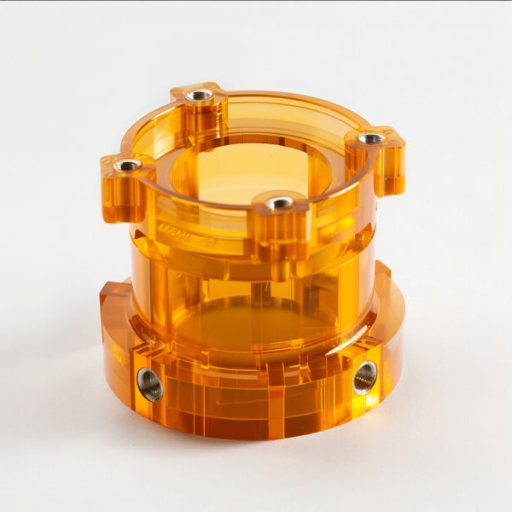
Sharp tools with moderate speeds are recommended while machining PEI to prevent overheating. If some cooling is provided, dimensional stability will be retained, and there will be less likelihood of damage to the surface. Carbide or diamond-coated tooling provides better precision and longer life. Also, ensure to firmly clamp the materials, thereby reducing vibrations and ensuring a clean finish.
Designing for Machined PEI Parts
While preparing designed parts for machining PEI, make simplification a priority and avoid high precision features that could complicate machining. It is a good practice to maintain uniform wall thickness in the design so that internal stresses and subsequent warping would be minimized during machining. Internal corners of the design should have fillets to avoid stress concentrations and thus ensure better durability. Other design features should also consider shrinkage and thermal expansions by allowing appropriate tolerances.
Recommended Tooling and Equipment
The correct selection of tooling and equipment plays a key role in the proper machining of PEI (Polyetherimide). Based on recent investigations and advances, the following recommendations will lay the foundations for good efficiency and accuracy:
- Cutting Tools: Carbide or diamond-coated tools should be used; these offer the life and resistance to wear needed to machine such tough materials as PEI, whose abrasive properties at times make it difficult to cut.
- Cutting Speed and Feed Rate: Recommended cutting speeds for PEI are between 800 and 1500 ft/min, with feed rates varying with tool diameter and the geometry of features. Lower feed rates prevent excessive wear of the tool while sustaining good surface finish quality.
- Coolant Usage: Air or minimum coolant should be applied while machining PEI to avoid the deformation of this material; excessive coolant causes cracking from thermal shock during machining.
- Control of Heat: The heat generated during high-speed machining tends to soften or deform PEI; good cooling and machine stability help to keep temperature rise in check.
Optimizing Machining Conditions
The optimization process during machining of PEI comprises such factors as control over tool speed, surface feed rates, and cooling facilities. Sharp tools having good geometry should be used to minimize the cutting forces and maintain surface finish. The surface feed rates used in cutting must be balanced by air cooling or minimum coolant to prevent thermal shock, thus limiting heat generation and creating a stable environment for machining. An equilibrium between all these factors would bring about increased efficiency with no distortion of the material.
Industries Due for PEI Machining
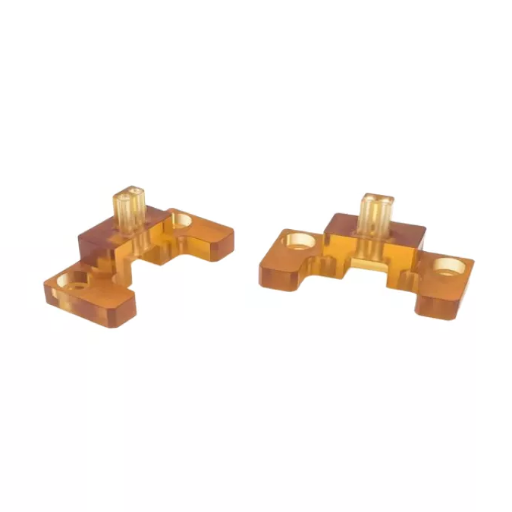
Owing to the material’s nature and properties, PEI machining finds applications in almost any industry across the board. In the aerospace industry, PEI finds applications in lightweight components and high-strength parts, whereas the medical industry uses PEI due to its biocompatible properties for surgical tools and devices. The electronics industry, meanwhile, benefits from PEI as an electrical insulator for the manufacture of very fine parts. Such applications demonstrate the adaptability and value of the PEI in sophisticated environments.
Applications in the Aerospace Industry
Polyetherimide (PEI) is an ideal polymeric material in the aerospace industry because of its superior thermal stability, flame-resistant properties, and mechanical strength. As the quest for lightweight materials to improve fuel efficiency continues, PEI has risen to a position of prominence in the manufacturing of aircraft interior components such as seat backs, tray tables, and structural supports. With respect to the recent industry statistics, the global aerospace plastics market is expected to increase at a CAGR of 6.5% from the year 2023 to 2030, confirming the heavy reliance on advanced polymers such as PEI. Furthermore, withstanding temperatures as high as 340°C is a key property of PEI, which finds good application is engine components and ducting systems where extreme temperature conditions are the order of the day and where utmost attention to reliability is imperative. This multiplicity of applications contributes towards reducing the aircraft weight and thus the emissions and operating cost, which are important sustainability issues in the current aviation scenario.
Medical Device Manufacturing
Polyetherimide (PEI) has established itself as an important material in the medical device manufacturing industry, due to its peculiar properties of high strength, chemical resistance, and biocompatibility. Recent developments emphasize PEI in manufacturing components for surgical instrument devices, sterilization trays, and medical connectors. Market insights suggest that the medical-grade plastics industry fueled by products such as PEI is anticipated to amass around USD 37.2 billion by 2030, further registering a CAGR of 7.5% between 2023 and 2030. PEI’s transparency and resistance to steam autoclaving sterilization cycles make its usage feasible in medical settings that demand stringent requirements.
Also, due to the lower toxicity level and compliance with biocompatibility standards such as ISO 10993 and FDA regulations, this material has become the preferred choice for any application concerning patient safety; for instance, the favorable heat resistance and durability of PEI make it suitable for advanced diagnostics equipment, such as endoscopic devices and imaging apparatus, where great precision and reliability are needed. The growth of minimally invasive procedures is expected to see a further push to PEI demand in the next stage of medical technologies.
Automotive Industry Uses
Polyetherimide (PEI) has gained prominence in the automotive sector by virtue of its high heat resistance, dimensional stability, and favorable strength-to-weight ratio. With increased emphasis on lightweight materials to garner fuel efficiencies and towards realization of stringent emission norms, PEI surely stands out as the most preferred choice.” . The recent market data suggest that the global lightweight materials market is expected to cross $140 billion by 2030, thus maintaining a healthy compound annual growth rate (CAGR) of 7.4%, wherein PEI is a major player.”
Some prominent uses of PEI in the automotive sector nowadays include automotive applications where high temperature and aggressive chemical exposure prevent any loss and degradation of material properties. For instance, PEI finds application in housings for sensors, connectors, and valve components in modern vehicles. Another factor driving demand for PEI is the rapid adoption of electric vehicles (EVs), in whose battery casings, thermal management components, and lightweight structural parts PEI is used to optimize range and efficiency. EV sales are anticipated to cross 17 million units per annum by 2030, and with this, the automotive role of PEI shall see big growth.
Reference sources
- Surface grinding of CFRP composites with rotary ultrasonic machining: a mechanistic model on cutting force in the feed direction (Ning et al., 2017, pp. 1217–1229)
- Key Findings:
- A mechanistic model was developed to predict the cutting force in the feed direction during RUM of CFRP composites.
- The model assumes that brittle fracture is the dominant material removal mode.
- The model parameters were identified through experiments and the model showed good agreement with experimental results.
- Methodology:
- Developed a mechanistic model based on the brittle fracture material removal mechanism.
- Conducted experiments to identify the model parameters and validate the model.
- Key Findings:
- Combination of Dynamical Movement Primitives With Trajectory Segmentation and Node Mapping for Robot Machining Motion Learning (Zhou et al., 2023, pp. 175–185)
- Key Findings:
- A framework based on the combination of dynamical movement primitives (CDMP) with trajectory segmentation and node mapping methods was proposed to realize the imitation of robot machining motion.
- The proposed framework can successfully imitate the machining motion with low geometric distortion, contour error, and computation cost.
- Methodology:
- Segmented the demonstration machining trajectory according to the kinematic features.
- Extracted and stored the shape features using the node mapping policy.
- Built the CDMP model for describing the complicated machining motion.
- Analyzed the parameter preferences associated with the model performance of CDMP.
- Key Findings:
- A comprehensive review of advances in ultrasonic vibration machining on SiCp/Al composites (Yuan et al., 2023)
- Key Findings:
- Reviewed the recent advances in ultrasonic vibration machining of SiCp/Al composites.
- Identified the effects of various input variables (tool rotation speed, feedrate, ultrasonic power, abrasive size, abrasive concentration, and drill bit diameter) on the output variables (cutting force and surface roughness).
- Methodology:
- Conducted a comprehensive literature review on the topic of ultrasonic vibration machining of SiCp/Al composites.
- Key Findings:
- Top PEI CNC Machining Parts Manufacturer and Supplier in China
Frequently Asked Questions (FAQs)
What are the properties of Ultem when used in machined parts?
Ultem is a polymer-type polyether imide and shows outstanding material properties, making it suitable for a variety of applications, including machined parts. Due to the strength and rigidity of Ultem, the material can withstand high temperatures and stress, ideally suited for usage in oil and gas industries. Furthermore, these impact resistances make the Ultem materials durable for use in harsh environments. There are various grades, such as Ultem 1000 and Ultem 2300, that can meet given mechanical requirements. Some machining methods can enhance performance aspects of the material selections for Ultem materials.
How is Ultem machined for specific applications?
Generally, Ultem is machined through various methods to obtain a very specific set of specifications for a particular application. The entire manufacturing process would differ slightly, depending on the grade of Ultem incorporated, be it Ultem 2100 or the glass-reinforced grades. Typical Ultem stages serve for general applications; the filled grades serve applications that require better strength and thermal properties. The machining experts are aware of how they should choose to polish the part (either by milling, turning, or drilling) to give the best-performing Ultem machined part from these materials; thus, they will ensure all specifications required by sectors such as medical equipment and aerospace are met.
What types of PEI are commonly used in Ultem machining?
PEI materials come in several types, each having individual characteristics and applications. The most common types of Ultem used in machining are Ultem 1000, Ultem 2100, and Ultem 2300, having different fills and different material properties. In unfilled grades, they offer great clarity and are usually employed when transparency is critical. Contrarily, glass-reinforced grades provide that benefit of enhanced strength and the highest degree of heat resistance, so they are mostly used in the very demanding environment. Having knowledge of the types of PEI in Ultem machining helps in making sure that the manufacturer selects the right material for them.
Why are machined parts made from Ultem?
Ultem is one of the most choices in machined parts manufacture, basically due to its excellent performance at high heat levels and stresses. Other material properties of Ultem like high strength and rigidity make it suitable for applications that require high durability in extremely adverse conditions. Consideration is given to its application in aerospace or medical equipment where its resistance to chemicals and moisture comes handy. The ease with which Ultem can be machined into precise forms opens the design possibilities further while still allowing them to function well. Its use in a wide range of grades allows the material to be customized to specific needs with regard to impact resistance and thermal stability.


