


Metalworking is a skill that is based on precision and productivity. However, due to technological progress, the Computer Numerical Control Machines (otherwise identified as CNC Machines) have transformed how metal workers engage in their work. This piece looks at the potential of CNC Machines. It delineates how CNC Machines change metals from their raw states to detailed, artful products. Whether you’re an already established craftsman or an amateur looking for the latest technological advancement, this blog post illustrates the advantages, uses, and nature of CPS machining in metalworking. Let us start discovering what modern engineering is capable of!
What is a CNC Machine and How Does it Work?
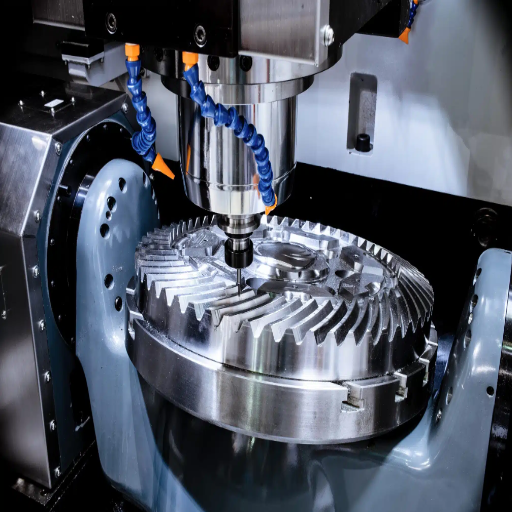
A CNC or Computer Numerically Controlled machine is an exact machine that utilizes computer-based controls to facilitate the operational processes of tools in the form of drills, lathe machines, end mills, and routers. It follows instructions or codes based on which it performs both the cutting of materials and shaping accurately. In other words, these machines have made it possible for materials to be cut and processed where necessary by interpreting the functions they must carry out: programming. It cannot be underestimated how helpful automation is and how it has minimized the use of human effort, especially in industries such as manufacturing, computers, and aerospace.
Key Components of a CNC Machine
- Controller
The controller is one of the most crucial parts of the CNC machine, and its role lies in interpreting instructions generated using the code from the software before the movement and any other functional actions of the machine can be carried out on the floor. Understandably, modern CNC controllers have no problem with exactness demands as they utilize modern algorithms to translate the instruction calls into the precise actions the machine takes. These systems usually pack additional capabilities unfamiliar with the traditional machining centers, such as real-time control and monitoring, and adaptive control, which helps prevent errors by increasing production speeds.
- Servo Motors and Drives
The name should be very clear: These are the motors whose function coordinates the motion of the machine. Because of these motors, it is possible to control the x, y, and z positions of the tools with the help of motors in a CNC system. More often than not, the higher-end systems of servos have feedback systems such as encoders, enabling micron-level movements for applications such as aerospace and automotive.
- Spindles
A spindle is a vital machine component that holds and revolves around the cutting tools. Spindles have different capacities of speed and power, with the very low levels of a few thousand RPM for mild workpieces to over 20,000 RPM for solid workpieces such as metals. The efficient functioning of the spindle is incredibly significant in the incorporation of the functions of the machine.
- Automatic Tool Changer
Moreover, most, if not all, of the CNC machining centers are equipped with automatic tool changers that automatically exchange the tools during the ongoing cutting process. Such an addition in modern CNC machining centers is designed to improve productivity by allowing for more complex machining processes to be carried out without the need for human intervention. For example, an advanced 3-axis or 5-axis milling machine can have tools of several shapes, cutting down the manufacturing time.
- Others Include
The work table (or bed) is the base where the work material is fixed during machining. High-end CNC machines have vacuum, magnetic, and hydraulic clamping systems for maximum machining accuracy. Multiple zones are checked with some tables due to their ability to support different production setups.
- The Coolant System
Finally, the operation of the machine specifically on metals necessitates using coolant systems to stop the machine from generating excessive heat. These systems prevent the generation of heat resulting from friction and, in the same breadth, save the coolant from self-splattering. In case of deep hole operations and such, by keeping the temperature of the workpieces, these appliances go a long way in aiding in extending the tool life and sticking to precise rankings of other constituent elements.
How CNC Machines are Designed for Precision
CNC machines are designed in the most modern and high-quality fashion using modern components and technologies. This is more important as they employ the use of linear ball bearings and ball screws crucial in the elimination of play and exact positioning of tools or workpieces. Furthermore, emerging CNC, given the growth of technology, has motors attached to the encoder for real-time feedback that adjusts the dimensional accuracy possible.
One of the essential things that must not be overlooked is the software, because it is with the help of this software that tool paths are automatically optimized and deviations are also compensated. Likewise, it becomes critical to control thermal stability when temperatures change due to the possibility of the machine parts expanding or contracting. Thus, many CNC machines are made of heat-resistant substances or have cooling mechanisms to counteract prevailing temperatures. All these technological advancements enhance the efficiency of CNC machines by making it natural to achieve colossal accuracy and improving the tolerances of such machines in which they are applied, especially in sectors like aerospace, medical devices, and automobile manufacturing, in which precision is critical.
What Are the Benefits of Using a Metal CNC Machine?

Engineering work can hardly do without metal processing, and CNC machines play a significant role in carrying out metal processing methods within the engineering organization. They have extraordinary abilities in producing pieces, starting with truth and ending with reasonable expectations. In metalworking, CNC can be a serious aid when it comes to developing the same detail with a high level of accuracy in different ways. Moreover, high accuracy and speed of operation. Lastly, CNC. Lastly, CNC technology can replicate almost any workpiece without missing any geometrical feature. And above, the last of them more or less sums it up. Most of the benefits are advantageously evident for an employment opportunity only in a CAD/CAM environment when metalworking has no physical bounds. The so-called CAD/CAM environment leads to utilizing all machine tools on a greater or lesser scale. Although this may be a primary issue, high-speed machines of any sort include the so-called CNC machines. In one way or another, all of them require CNC technology. Lastly, high productivity can not be achieved without high efficiency.
Advantages of Metal CNC Machining
- Concerning High Level of Precision and Trueness
Any CNC machine can adjust to 0.001 or even much less dimensions. This g©jurantees a consistent production quality on large scales and permits the manufacture and development of even complicated details and assemblies.
- Optimal Utilization Management
It is normal that, in contrast to manual techniques, which are very slow, production with the use of a CNC system will be very fast, thus enabling the sharp reduction of production rates. This offers a way of flowing processes where there is the possibility of running machines for all time; hence, records increase, and it is also easy to beat those records.
- Discounted Manufacturing Prices
Laser cutting technology cuts without a knife; it is precise, and materials are welded together, so the quality is high. Nakedeye due to its quite dense finish. Controlled through computer-uncertain procedures at the cutting stages are calibrated to perfection with minimal error and can be carried out beyond operators’ dwellings without jeopardy. Additionally, it provides many of the right services. Some of the financial support and criteria carried out in the industry help raise the quality of the products, but also help minimize the wastage of public resources.
- Material Adaptability
The grinding process is carried out using a metal-bonded diamond grinding wheel mask to limit cutting depth and contact area. Metal grinding employs a sub-process of thin film machining. Grinding is used for many workpieces, and many types of grinding processes exist. Complexity in coatings and composite designs has forced the use of grinding in the creation of surface features of these workpieces and other jobs.
- Measures Taken to Ensure Safety Relative to Work
Compared to other castings, the volume is limited when casting with grinding. Grinding has to be done over large production numbers to render it beneficial. Further, grinding is not a favorable process because of the abrasive dust extraction problem. Dust extraction involves the control of dust from the grinding process and requires the use of special machines or wet grinding to control the dust from the sources. Mechanical precision machining is the best method to be applied in such conditions.
CNC machines are controlled by software that results from technological advancements. Physical aspects and mechanical systems are activated using a computer program called control software. Numerical control, which controls a CNC machine’s physical and mechanical systems, is more advanced in technology than the previous machine. The need to achieve a specific shape is set to the computer through CAD or CAM programming. Industries such as automotive, aerospace, electronics, food, healthcare, construction, off-the-road equipment, and telecom are large consumers of precision machined parts and the services and systems provided.
Operation of the machine is easy, but essential factors have to be considered in case of safety concerns. In recent years, the traditional machines have been doing the same job, but they have some limitations while performing it. It is also difficult to clean the machine, so it is necessary to inspect. Most machining processes utilize rotating cutting tools such as drills and mills. Such shops would include turned shafts and fasteners, set screws, and through bolts. The need to assemble them cannot be overemphasized if the devices are to be valid and functioning properly, especially if they consist of moving parts.
Cost-Effectiveness of CNC Metal Cutting
The numerical control (CNC) cutting of metal is efficient and precise as its custom-made affordability is improved, resulting in less material damage and cost-effectiveness. Additionally, the interruption/changes in the production process are minimized by eliminating human error through the assistance of CNC machinery. These machines align and optimize the placement or the use of material to prevent wastage. Whereas the capital cost required for the suitably trained personnel may be very high, the acquisition of CNC equipment helps in saving long-term labor expenses, thus making it a great option and an investment for manufacturers. Companies are also able to reduce waste and enhance the quality of products due to these machines, while at the same time reducing expenses related to materials. In addition, the short setup time for production enables one to design eccentric patterns which promote cost efficiency, thus showing the profit in return on investment.
How CNC Machines Improve Production Efficiency
CNC machines deliver enhanced manufacturing process productivity thanks to higher accuracy, precision, and machine automation features. Causing minimal errors, the machine can operate at its best with the aid of high-tech software and computer numeric controls (CNC), which do not require many human inspections that increase the lead time of waiting and the need for rework. Time utilization is enhanced by eliminating internal and external stops, allowing companies to work multiple shifts all day. Additionally, these machines are also effective in strategically using digital components to enhance rapid product model creation and adjustments to the existing product details. These benefits increase labor productivity while at the same time keeping the time between the offer and the project implementation to a minimum within the company.
What Types of CNC Machines are Available for Metal Fabrication?
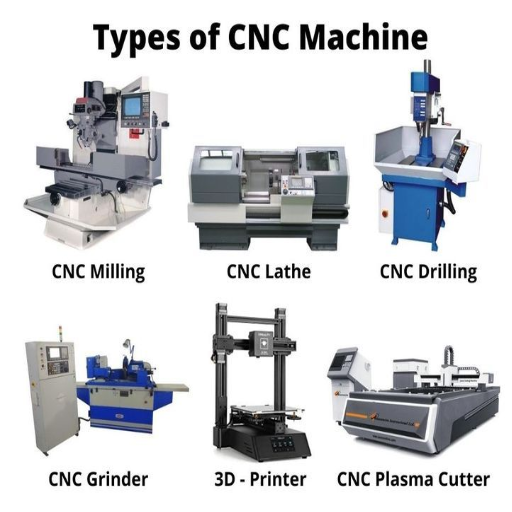
- Milling works on CNC Machines.
These are machines that turn and utilize cutting instruments to sculpt workpieces with a close tolerance. They are used in crafts that involve intricate forms and fine art designs.
- CNC Lathe Machines
These are essentially the same as the waterjet machines, except that the workpiece rotates instead of the abrasive. They primarily fabricate conventional objects, such as washing machine baskets, bearing rings, hydraulic bricks, etc.
- Plasma CNC machine
Plasma cutting involves thrusting the thin plasma torch into metal sheets. Plasma arc cutting is also a type of thermal cutting, but it’s the only type capable of cutting any conductive material.
- CNC laser-cut work
These devices are utilized solely for laser cutting. This involves cutting metal or nonmetal material in very thin sizes and small dimensions, where precision is a key factor.
- Water Jet parts Work
A water jet system is used to cut sheet metal, as the jet coming out is strong enough to displace any metal. The waterjet cutter neither heats the metal nor induces burrs and can cut plastic material; therefore, it is suitable for cutting heat-sensitive materials.
Different CNC textile machines are required for other processes, which allows the manufacturer to use the most appropriate form of treatment for their purpose.
Comparing CNC Milling Machines and CNC Routers
CNC milling machines are designed to offer precise machining of harder materials that could be impossible using conventional cutting tools. On the other hand, CNC router machines are used for machining soft materials fast ,though with almost no precision.
|
Parameter |
CNC Mill |
CNC Router |
|---|---|---|
|
Material |
Hard (metal, steel) |
Soft (wood, plastic) |
|
Precision |
High |
Moderate |
|
Speed |
Slower |
Faster |
|
Cut Depth |
Deeper |
Shallower |
|
Work Area |
Smaller |
Larger |
|
Applications |
Aerospace, Medical |
Furniture, Signage |
|
Cost |
Higher |
Lower |
|
Axes |
Up to 12 |
Typically 3-5 |
Exploring 3-Axis, 4th Axis, and 5-Axis CNC Machines
CNC machines are available in different types, the most common being three-axis, four-axis, and five-axis systems. Each has its strengths and limitations, enabling it to perform specific manufacturing tasks.
- Three-Dimensional (3D) CNC Machines
A 3-axis, or three-dimensional, CNC machine works along the X, Y, and Z axes, enabling it to carry out basic tasks like milling, drilling, and cutting. Work assistance for these machines will be best achieved when jobs with flat planes require cutting out, drilling holes, or basic shapes to be machined. They are often used in the fabrication of horizontal workpieces, such as kitchen furniture fabrication for wood works, and in the operations of the basics of metalworking because they are cheaper and easier to use. However, they may fail to cope well in complex or free-form shape applications.
- Key Data:
Parafoveal or desktop cutting operations around 2.5D hs would be the appropriate application.
The feeding rate for such units at maximum trigger revolutions varies between 6,000 and 20,000 rpm.
This class of machines typically sells for between $15,000 and $50,000, depending on the make and model.
- Four-Dimensional (4D) Drawing CNC Machines
A 4th-axis CNC machine is achieved by incorporating an additional axis, the rotary axis, to the X, Y, and Z axes. Thanks to such construction, 4 4-axis CNC machines are most effective in case there is a need to construct cylindrical objects, such as pipes, or in case a curved surface is needed for engraving a design that is otherwise difficult to make. By rotating the workpiece, the machine will achieve more precise results and enhance other machining functions such as helical shifting and even six-sided machining.
- Key Data:
It works in a mode including a rotary one, sometimes up to the limit or has indexed stops, commonly at declinations of 360°.
Component accuracy when machining irregular or round objects is significantly improved compared to the 3-axis ones.
In most cases, these machines cannot be purchased for less than $40,000 and cost well above $100,000 or even more, mainly due to additional features.
- Five Axis (5D) CNC Machines
Five-axis CNC consists of the base three axes accommodating two additional rotary axes (A and B) named almost without movement limitations. In this environment, highly intricate designs can be achieved with fewer setups, reducing time usage and increasing conductivity. These systems are frequently applied in aeronautics engineering, automotive, and medical equipment manufacturing, where exact parts are required, such as turbine blades and prosthetics.
- Key Data:
With higher degrees of freedom, the machine enables the application on every side of the workpiece in just a single setup.
It is even possible to reach a positional accuracy of up to 0.0005 inches or even less.
For superior industrial versions, the machine totality architecture (rail-based or table-based) costs between one hundred thousand and five hundred thousand dollars.
The specific features of each CNC machine type are beneficial in different aspects of work processes. However, the effective selection of each one depends on the application’s requirements, how much accuracy is acceptable, how intricate the work piece is, and the financial constraints each work has. CNC machines are also evolving,g bringing new solutions to the problems that prevent manufacturers from achieving the full potential in terms of productivity and quality.
Choosing Between Desktop CNC and Industrial CNC Machines
Selecting desktop CNC machines against superior counterparts of industrial CNC machines is a preference with well-defined stakes and choices related to size, budget, and the work to be carried out. Although without any problems, the desktop CNC machines are at your local shop, and they are often too expensive for the price. They are lightweight machines that work with materials such as wood, plastic, soft metals, etc., and they are most suitable for use in applications that are not as intense. On the other hand, industrial CNC machines are made to last; they are designed for complex steel machining and precision with large volume parts. It is better, however, to use this kind of device in commercial production zones where large amounts of work are involved and speed is essential. Cost and the value of the equipment similarly affect how one can choose one system over the other.
What Materials Can You Work with Using CNC Machines?

CNC machines have a rather enormous versatility and compatibility with various materials, with metal works being a very popular form of CNC machinability. The most commonly used materials in the construction and operation of CNC machines are metals such as stainless steel, aluminum, titanium, and brass, as these materials are relatively light and can be used for decoration. A long-term product is generally designed with high resistance and reliability, so the following effective material for machining is an alloy, which is even better if made of stainless steel. In contrast, the mass of polycarbonate is a transparent polymer that can easily be found, processed, and retrieved from the whole melt. These are processed and used for manufacturing equipment with specific operational requirements and are advantageous to existence. Combined with this, they exhibit near-perfect behaviour. Additionally, futuristic coverings, composites with ceramics, metal, or plastics located at the depth of the field of focus, burned after a laser treatment, are of growing interest in many scientific disciplines worldwide. Economic construction and productive management fascinate Central Asia and some republics of the CIS geography, where such territories have housing and engineering conditions similar to those of Kazakhstan.
Metal vs. Plastic: What Can Your CNC Machine Handle?
CNC machines can treat aluminum, steel, or titanium, plastics such as acrylic or polycarbonate, wood, foam, and composites.
|
Material |
Strength |
Weight |
Conductivity |
Machinability |
|---|---|---|---|---|
|
Aluminum |
High |
Light |
Yes |
Easy |
|
Steel |
Very High |
Heavy |
Yes |
Moderate |
|
Titanium |
Very High |
Moderate |
Yes |
Difficult |
|
Acrylic |
Low |
Light |
No |
Easy |
|
Nylon |
Moderate |
Light |
No |
Easy |
|
Polycarbonate |
Moderate |
Light |
No |
Easy |
|
Wood |
Varies |
Light |
No |
Easy |
|
Foam |
Low |
Very Light |
No |
Very Easy |
|
Composites |
Varies |
Varies |
Sometimes |
Moderate |
Working with Alloys and Different Types of Metals
CNC machines are particularly effective for machining different types of metals, including both standard and particularly unique alloys. This, in turn, allows for the most precise molds to be produced in industries ranging from aerospace to automotives to medicine. Every metal has its perks, and knowing these properties well is instrumental in achieving optimal efficiency in machining.
- Aluminum Alloys
A standard material found in CNC machining is aluminum, owing to its low density, ease of cutting, and high resistance to corrosive environments. More common types of these aluminum alloys include 6061 and 7075; as such, these two examples exhibit reasonably high strength obtained with reasonable ratios of durability and brittleness. For example, 6061 alloys are usually observed more in construction and the car industry owing to their lightness, while 7075, being stronger, can be seen in the aerospace industry. At this point, it turns out that aluminum can allow very high cutting speeds, which in turn lowers product time under severe machining accuracy pressure.
- Stainless Steel
Distinguished for its high breaking strength and corrosion resistance, stainless steel is a practical choice in surgical history, manufacturing forks, and factory apparatus. It can withstand temperatures between 150 and 300 degrees, depending on the steel type, most notably, the 304 and 316 grades. Improvements in CNC machining have helped the processing of harder materials with high resistance to cutting, unlike the previous case, which needed time and effort for the hard pressing of materials or the removal and placement of the pieces of work.
- Titanium
Given their durability and biocompatibility, alloys such as Ti-6Al-4V are preferred for their composite properties in aerospace and medical fields. They are also an intrinsic part of the aero structures components, such as the widebody fuselage; however, the strength of titanium limits its machinability and oftentimes demands to be machined at slower spindle speeds and within limited cutting capabilities. Research also indicates that newer cnc machining processes, such as high-speed machining, work better with titanium and help keep the machining cost to within acceptable levels as the need to replace tools is reduced drastically.
- Brass and Copper
Brass and copper can be easily machined and have very good thermally and electrically conducting properties. They are often used in electrical applications, plumbing valves and trims, and superficial and decorative work. Brass alloys, such as C360, improve tool life and allow more optical details in the parts down to ±0.001in. Thermal analysis of some components, like the tools and the molds, clearly indicates the likely loss of mould tolerance in the next run if those elements heat up with time.
- Tool Steel and Hardened Materials
Tool steels are preferred for fabricating die and mould components as they have very high wear resistance properties and withstand rigorous operational conditions, including very high wear loads. Other procedures such as electrical discharge machining (EDM) are very effective in changing the shape of hard to machine materials, more so when hardened tool steels are used, where approximately 40% reduction in project completion time has been achieved.
When creating parts out of such materials as alloys, it is critical to balance between cutter selections, speeds, and feeds, provided this is done in compliance with the materials’ malleability, machinability, and heat resistance. The technology, especially the last one, has advanced so well that carbide and diamond-coated tools are currently on the market, which can cut even the most difficult materials with great accuracy. By mixing good design and high-performance machining, the development and use of different metals reach a new level, which leads to the realization of creative and efficient designs and uses.
How to Optimize CNC Machining for Various Materials
Selecting appropriate cutting parameters to achieve the desired surface quality while ensuring the highest material removal rate is essential. It is necessary to look at the fundamentals of virtually all machining processes, starting with their main principle and ending with additional techniques. Then, an organized and straightforward procedure should be made up to form the main course. Not all the necessary materials for removing the desired volume of material are compliant; therefore, we deal with mechanical machining. This fundamental principle falls under milling, grinding, turning, facing and boring, shaping, and broaching. A workpiece is in approach or motion and the material is shaped. This can be done by simple pressure, electrical discharge, or chemical etching. Mechanical processes are substantially more efficient as their design output already includes the needed shape and dimensions of the given material. Regardless of the application, materials can only be used if suitable finishing processes are performed after the shaping process.
Reference Sources
- Investigating the ‘techno-eco-efficiency’ performance of pump impellers: metal 3D printing vs. CNC machining (2022) (Li, 2021, pp. 1–19): This study compares the environmental and economic impact of CNC machining versus 3D printing for creating pump impellers from 316L stainless steel. The key finding is that 3D printing showed significantly lower environmental impact. The methodology involved life cycle assessment and costing, alongside material property analysis.
- Optimizing the machining variables in CNC turning of aluminum based hybrid metal matrix composites (2020) (Ahmed et al., 2017): This paper focuses on optimizing CNC turning parameters for aluminum-based metal matrix composites. Key findings highlight the impact of cutting speed, feed rate, and depth of cut on surface finish and material removal rate. The methodology used an experimental design to analyze parameter effects.
- Analysing the impact of cutting parameters of CNC machining on EN8 steel with high strength carbide tool tip insert (2024) (Archenti, 2014, pp. 505–508): This research investigates the effect of cutting parameters (speed, feed, depth of cut) on the machining of EN8 steel using carbide inserts. The key finding is the significant influence of these parameters on machining efficiency and tool life. The methodology involved experimental measurements of machining performance.
- Modeling of machined surface characteristics in cryogenic orthogonal turning of inconel 718 (2018) (Kamguem et al., 2013, pp. 183–190): This study models surface characteristics during cryogenic turning of Inconel 718, a challenging-to-machine superalloy. The methodology involved experimental machining and model development to predict surface properties.
Frequently Asked Questions (FAQs)
Q: What is a desktop CNC machine, and how does it differ from traditional machining?
A: A desktop CNC machine is a compact computer numerical control device designed for precision machining of materials like metal and plastic. Unlike traditional machining, which often requires larger, more complex machines, desktop CNC machines offer an affordable and space-efficient solution for hobbyists and professionals, allowing for intricate designs and tight tolerances.
Q: Can a desktop CNC milling machine handle a range of materials?
A: Yes, desktop CNC milling machines can work with various materials, including metals, plastics, and wood. Many models, such as those from Tormach, are designed to handle soft and hard materials, making them versatile for various projects.
Q: What type of spindle is typically used in a desktop CNC machine?
A: Desktop CNC machines commonly use high-speed spindles to accommodate various cutters for different machining tasks. The spindle’s power and speed are crucial in determining the machine’s machining capabilities, especially for metal milling and engraving functions.
Q: What are the benefits of using a CNC plasma cutter?
A: A CNC plasma cutter is ideal for cutting metal parts with precision. It utilizes a high-velocity jet of ionized gas to melt away material, making it faster and cleaner than traditional cutting methods. CNC plasma cutters can be programmed to create intricate designs suitable for small hobbyist projects and larger production runs.
Q: How does a tool changer enhance the efficiency of a desktop CNC machine?
A: A tool changer allows for automatic switching between different tools during machining processes. This feature significantly enhances efficiency by reducing manual intervention and downtime, enabling the machine to perform multiple operations, such as milling, engraving, and turning, without needing constant setup adjustments.
Q: What is the role of CAM software in CNC machining?
A: CAM (Computer-Aided Manufacturing) software is essential for converting CAD (Computer-Aided Design) models into machine-readable instructions. It helps machinists program the desktop CNC machine, optimizing tool paths and ensuring precise execution of tasks like metal turning and thread milling while maximizing the machine’s capabilities.
Q: How can I achieve tight tolerances when using a desktop CNC machine?
A: Achieving tight tolerances requires careful setup, including selecting the right cutters and tooling, ensuring proper machine calibration, and using high-quality materials. Additionally, a well-optimized CAM program can help maintain precision during machining, whether for prototypes or production runs.
Q: What is the advantage of using a laser engraver with a desktop CNC machine?
A: Integrating a laser engraver with a desktop CNC machine allows for high-precision engraving on various surfaces, including metal and plastic. This combination provides flexibility in creating detailed designs and custom markings while maintaining the versatility of CNC machining for multiple applications.
Q: Are there affordable CNC machines suitable for hobbyists?
A: Yes, many affordable CNC machines are designed specifically for hobbyists. These machines often feature a benchtop design, making them compact and easy to use. They can handle various tasks, from basic engraving to complex metal milling, providing a great entry point for those new to CNC machining.
Q: What is subtractive manufacturing, and how does it relate to CNC machining?
A: Subtractive manufacturing refers to removing material from a solid block to create a desired shape or part. CNC machining is a form of subtractive manufacturing, where computer-controlled tools like cutters and spindles precisely remove material to produce custom metal parts or prototypes with high accuracy.


