


Introduction to Silver’s Density

Its high density confers durability and weightiness to objects of small volume. Casting, a manufacturing technique, is heavily influenced by the calculation of weight and volume due to this property. Hence, it is this one property that makes silver very versatile in applications ranging from electronics to jewelry.
Understanding Density as a Physical Property
Density is a physical property of any substance that is really basic because it measures how much matter is crammed into a given volume. Hence, it is essentially the mass per unit volume; it is often denoted as grams per cubic centimeter (g/cm³) or kilograms per cubic meter (kg/m³). To put it simply, density is how loosely or tightly packed the molecules of a substance are.
Why Understanding Silver’s Density Matters
Knowing the density of silver is crucial, as it directly affects the applications and properties of this metal. The higher density means that silver provides an optimal balance between weight and volume in design-related applications, thus facilitating:
- Accurate engineering of components
- High-grade fine jewelry making
- Measurement of scientific instruments
- The best casting and alloying methods
- Efficient and reliable manufacturing
Silver’s Physical Properties in Detail
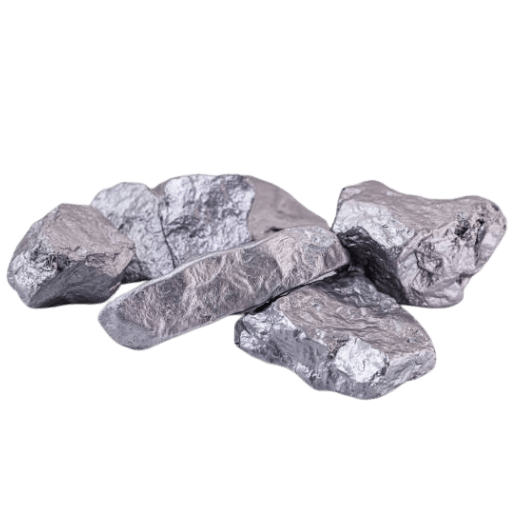
Silver’s Density at Standard Conditions
Such a high density arises due to the closely packed atomic structure of silver, as is the case with many transition metals in the periodic table. This very dense atomic arrangement endows silver with its superb thermal and electrical conductivity properties.
Comparative Density Analysis
To put silver’s density into perspective, it’s significantly heavier than many common materials:
| Material | Density (g/cm³) | Comparison to Silver |
|---|---|---|
| Silver | 10.49 | Baseline |
| Aluminum | 2.70 | Nearly 4x lighter |
| Copper | 8.96 | 15% lighter |
| Gold | 19.32 | 84% heavier |
| Platinum | 21.45 | 104% heavier |
Additional Physical Properties
- Melting Point: 961.78°C (1,763.2°F) – suitable for high-temperature applications
- Boiling Point: 2,162°C (3,924°F) – provides industrial flexibility
- Thermal Conductivity: 429 W/m·K at room temperature – highest among all metals
- Electrical Conductivity: Best electrical conductor available
- Malleability: Can be hammered into thin sheets
- Ductility: Can be drawn into fine wires
Applications and the Impact of Silver’s Density
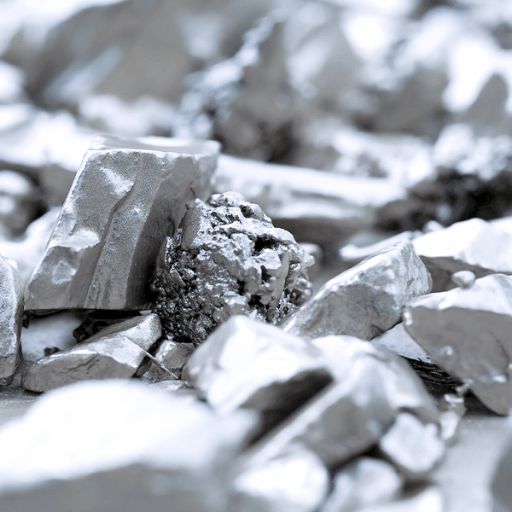
Jewelry and Ornamentation
Since its density provides weight, it acts against the durability of jewelry. Sterling silver, being only 92.5% pure, carries some density but is strengthened by the copper it contains. The global silver jewelry market, which grew by about 8% in 2022, was influenced by fashion trends and cultural traditions.
Electronics and Conductivity
Silver’s density and great electrical and thermal conductivities make it ideal for use in circuit boards, connectors, and contacts. Electronics demand reached nearly 304 million ounces in 2022, driven by renewable energy technologies such as photovoltaic cells and electric vehicles.
Medical Applications
Thanks to its antimicrobial properties paired with density, silver has found a place in the medical field—it acts against wound-care products, catheters, surgical instruments, and diagnostic imaging equipment. Increasingly, nanosilver is used to fight hospital-acquired infections.
Industrial Uses
Being the best conductor of electricity and resistant to corrosion, silver has numerous industrial applications. In electrical contacts, switches, and glass coating, it is used for its reflective property; it is also used in water purification systems. Industrial demand went above 500 million ounces worldwide in 2023.
Material Selection: Why Density Matters
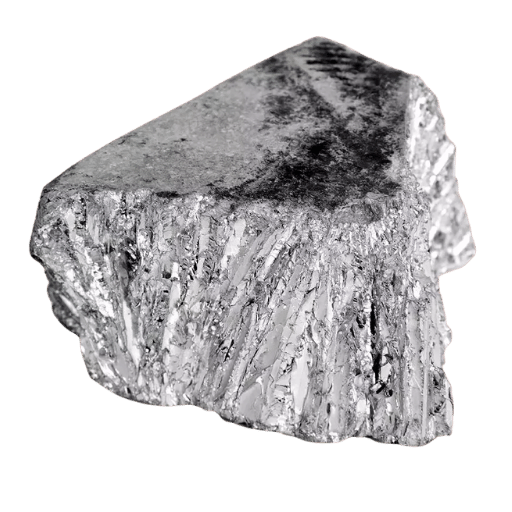
Density is a crucial variable in material selection in various industries:
Industry-Specific Considerations
- Aerospace: Minimize weight to ensure fuel efficiency, going strong with the aerodynamics itself
- Construction: Stability of materials versus the load
- Electronics: Efficient conduction of electric current with consideration of weight
- Medical: Biocompatibility and proper mass distribution
In this respect, silver, being moderately dense (10.49 g/cm³), finds respectable applications in electronics, offering the best conductivity that can be held in the hands of a mere human being!
Recent Technological Advancements
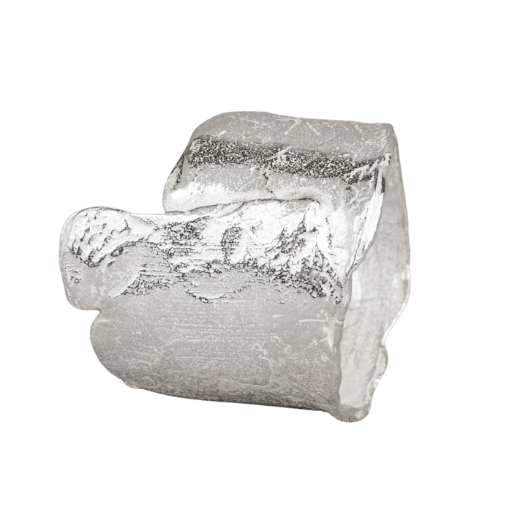
Innovations in Silver Alloy Composition
Material scientists have developed enhanced silver alloys through strategic additions:
- Palladium and Copper Additions: Improved durability and corrosion resistance
- Silver Nanoparticle Alloys: Enhanced thermal and electrical conductivity
- Medical-Grade Alloys: Zinc or titanium doping for antimicrobial properties
- Computational Modeling: Predictive performance analysis before synthesis
Advanced Density Measurement Techniques
Modern measurement technologies have revolutionized density analysis:
- Digital Densitometers: Enhanced precision with laser measurement
- X-ray Diffraction: Non-destructive internal structure analysis
- Micro-computed Tomography: Internal density variation mapping
- Automated Systems: Reliable and repeatable results
Emerging Applications in Technology and Medicine

Advanced Medical Coatings
Silver nanoparticles in medical device coatings provide antimicrobial properties that significantly reduce bacterial growth and hospital-acquired infections, improving patient safety and treatment outcomes.
Flexible Electronics
Silver’s exceptional conductivity enables development of:
- Printed electronics and wearable sensors
- Flexible touch screens
- Cost-effective solar cells
- Portable electronic devices
Healthcare Innovations
Silver’s applications in healthcare continue expanding:
- Advanced wound care dressings
- Biosensors for real-time health monitoring
- Diagnostic imaging enhancement
- Antimicrobial resistance solutions
Frequently Asked Questions
Conclusion
Comprehending silver’s density of 10.49 g/cm³ literally opens up worlds of unique opportunities and utilities afforded by this exquisite metal. From advanced electronics and medical devices to the more conventional fine jewelry and industrial processes, density is the fundamental trait that bestows on silver its worth and functionality.
As far as emerging technology is concerned, we have seen advancements in alloy composition and measurement technologies, which are increasingly bringing forth applications that continually appreciate silver in all sectors. As materials science matures, the above-stated density, conductivity, and antimicrobial properties of silver direct its path towards the inevitable materialization of innovations for technology, medicine, and sustainable manufacturing.


