


Regarding manufacturing, construction, and design, stainless steel fabrication is among the most sophisticated operations. It is unique in that it involves creativity, accuracy, and strength. It matters not whether you are an architect working on a new-age trendy building or an engineer looking to utilize only the best materials; custom stainless steel fabrication is and will remain a critical aspect. With this, however, comes the gesture of understanding how custom stainless steel can be made for various sectors. This handbook is here for you, discussing how the concept can benefit users, including in what contexts it is likely to be used, what the most critical factors are in seeking and installing it, and so forth. After it, you will be much better off than everybody else in learning how to apply this multifaceted element in your projects. Let’s see what stainless steel fabrication offers and how that will change how we approach things.
Overview of Fabrication Services
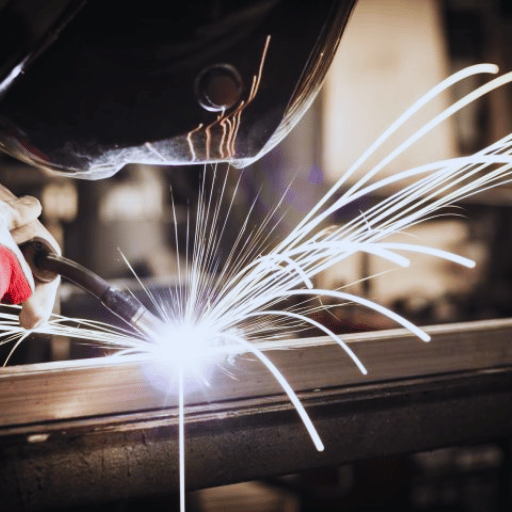
The highlighted task will use custom stainless steel fabrication, design, cutting, shaping, welding, and assembly. In catering for these services, many industries are covered, such as construction, manufacturing, and food processing industries, which need components, building equipment, and machinery that must be designed to specific measurements. The advantages of the solutions are that they are long-lasting, seldom have corrosion or develop open vaults, and they can be used in varying applications, unlike other conventional options. Superior quality results that fulfill the various projects are enhanced by the adherence to techniques by expert handlers, coupled with the use of appropriate machines and tools.
What is Custom Stainless Steel Fabrication?
Custom stainless steel fabrication is a creative process of making stainless steel parts to meet a specific project’s pre-set standard and requirements. In most cases, this method is used to develop products with precise dimensions to improve their interior or exterior settings or serve some functions. It is particularly popular among activities such as making houses and food processing, and the variety in nature of the material, which not only enables creation of any imaginable shapes of parts but also enables treatment of the surfaces, is related to its strength, non-corrosive, and multi-purpose attributes. The process involves using newer tools and perfect skills to attain the desired objective and meet the specifications.
Benefits of Custom Fabrication Services
- Design Flexibility: Custom fabrication involves deliberating on designs that fit within the expected use of a product without omitting the need for decoration or enhancement, which means that solutions can be tailored to fit.
- Precision and Accuracy: Technological advancements, together with proper work skills, have enabled fabrication into very small and minute components that, when completed, perfectly fit the particular application.
- Durability and Strength: However, other engineering materials, such as stainless steel, are constantly employed for specific reasons, such as their ability to provide long-lasting, effective, and efficient structures.
- Cost Efficiency: This direction of custom production enables optimal resource use by only reaching what is needed. Hence, it reduces common resource wastage, saving more cash when acquiring a product.
- Industry-Specific Solutions: This is very useful since building according to the customer’s requirements satisfies two principles: compliance with the industry’s standard norms and the needs that new products are to fulfill.
Industries Utilizing Stainless Steel Fabrication
- Construction: Construction extensively uses stainless steel fabrication to develop buildings, walls, ceilings, and roofs primarily because it protects materials from corrosion and is very durable.
- Food and Beverage: Stainless steel, with its hygienic properties, is essential for producing food and drinks. It is used in vessels and apparatus and is easy to clean and maintain.
- Healthcare: Stainless steel is a necessity for building medical facilities. It provides advanced equipment for surgery and diagnostic tools, and does not allow other harmful elements to accumulate on its surface.
- Automotive: Stainless steel is used for exhausts, bumpers, and trims exposed to mechanical or thermal stress, making them more durable.
- Energy: Although this sector is still heavily dominated by carbon, stainless steel has immense potential applications in renewable energy systems and the oil and gas industries.
Understanding the Fabrication Process
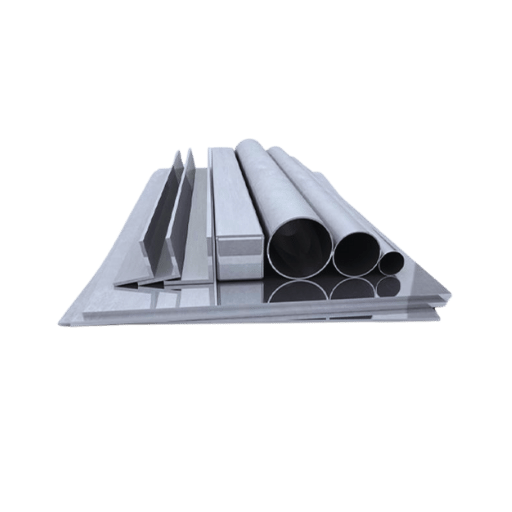
Key Fabrication Techniques Used
- Cutting: Stainless steel is cut using laser, plasma, and water jet cutting methods. These methods help attain accuracy, and the positive side is that material integrity is not compromised.
- Forming: When designing a stainless steel structure, it is essential to shape the metal into precise forms as required. For this, the metal is bent, rolled, and extruded.
- Welding: In thin sections, welding is often accomplished using the TIG or MIG method. This could be because the properties of the assembled stainless steel sections need to be kept the same to achieve the desired corrosion optimum.
- Finishing: The rationale is to ensure the desired surface quality, so processes such as grinding, polishing, and pickling are used, which essentially fight the surface.
The Role of Precision in Stainless Steel Fabrication
The priority of the stainless steel manufacturing sector is ensuring that the finest attention is given to precision in the final product so that it conforms to the dimensional and operational specifications. CNC (Computer Numerical Control) machines are advanced tools that are computer-controlled and have significantly streamlined the metal fabrication process, with accuracy levels going down to ±0.005 inches. The massive level of precision ensures less construction materials are wasted, the production process is more accurate, and the product meets the competition standards of the industry concerned.
Data from industrial statistics reveal that precision machining enhances the general throughput and resilience of devices such as healthcare apparatuses, airplane bodies, and building construction materials. From this standpoint, aircraft structural components cannot afford to ignore the precise requirements of manufacturing processes and fabricators, contributing to micro-level tolerance to parts. Furthermore, precision reinforces corrosion resistance properties to a much higher level by facilitating consistent processing operations.
Technology such as laser cutting is indispensable in maintaining precision levels in machining processes. With laser cutting technology in place, for instance, bur and slag formations are a thing of the past that manufacturers appreciate for intricate, damage-prone structures and reduced part finishing times. Advanced quality control sensor units, like those with built-in AI algorithms, can conform to specifications without post-design procedures. These improvements are well within the vision of enhancing the various aspects of precision concerning stainless steel products.
Advanced Laser Cutting in Fabrication Services
Laser cutting enables fabricators to cut metals, stainless steels, and other materials using a focused laser. This technology allows for precise cutting with minimum material use and easy steps; thus, it can be used for creative projects. Furthermore, laser cutters have the potential to cut into a wide range and variety of thickness of materials, which makes them useful in different sectors. This means that improvements such as incorporating automated and artificial intelligence control systems have enhanced and ensured the safe usage of the machine since it guarantees production quality while reducing the time spent in manufacturing.
Choosing the Right Stainless Steel Fabricator
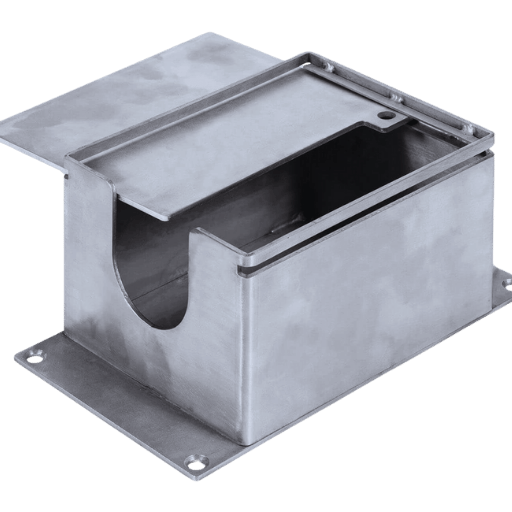
Qualities of a Reliable Stainless Steel Fabricator
A reliable stainless steel fabricator should show professionalism, adequacy, and uniformity in the job scope. Their main attributes include artistic skill, competence in handling different types of steel, and the availability of advanced equipment. They should have an excellent client’s performance record for punctuality and good quality production within the given time and scope. Effective communication, transparent pricing, and operating within the legal regulations regarding industry legalities are also necessary assurances of dependability. Ultimately, the attention to the quality control and the customers’ needs should be the distinctive features of how these custom stainless steel fabrication specialists do business.
Evaluating Fabrication Services and Solutions
While evaluating the manufacturing services and offerings, prioritize those providers who are experts in custom stainless steel fabrication and enjoy a good image and respect for quality, timeliness, and adherence to industry requirements. Confirm that they have all the skills required for your project, including the ability to work with any materials or designs, no matter how difficult. Check their past performance, customer reviews, or relevant case studies, and confirm their adherence to quality control procedures. Clear cost structures and open communication channels should be obligatory for effective collaboration.
Applications of Custom Stainless Steel Fabrication
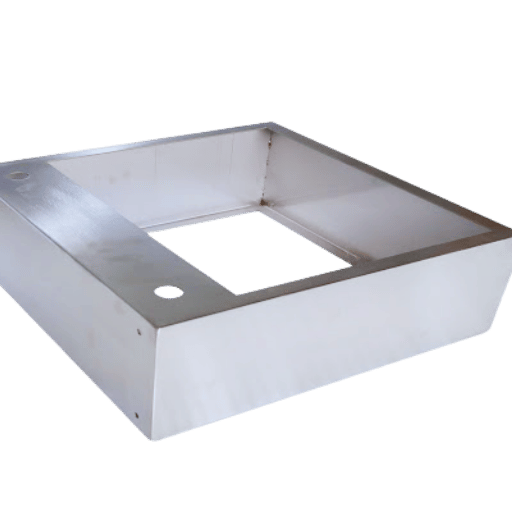
Fabrication Solutions for the Food Service Industry
Custom stainless steel fabrication is paramount in the food service due to its strong, hygienic, and non-corrosive properties. Among the options are fabrication and installation of countertops, shelves, sinks, and kitchenware, meeting or exceeding industry requirements. The non-porous nature of stainless steel enables effective cleaning, ensuring the foods are kept safe. While also adhering to hygiene practices, these manufactured elements are durably designed and constructed to serve the purpose of the food services optimally and with appropriate dependability.
Corrosion Resistance in Stainless Steel Fabrications
Stainless steel contains a minimum of 10.5% chromium in its composition, which is why it has excellent rust resistance. This is because chromium builds a self-healing oxide film on the surface, which helps prevent oxygen and water attacks and, thereby, erosion or oxidation. Adding other alloying elements like nickel, molybdenum, and nitrogen improves this property, especially in saline, acidic, or chemically reactive media.
Studies suggest that grades 304 and 316 stainless steels are favorites due to their specialized resistance to corrosion properties. For example, grade 304 is reasonably useful for general purposes in normal use and provides satisfactory performance levels even in slight to moderate hostile environments; these are mainly used for custom stainless steel fabrication projects. However, for more hostile conditions such as chemical processing or exposure to the ocean, grade 316 is preferred because of the increase in molybdenum that makes the steel less susceptible to pitting and crevice corrosion.
Recent research indicates that stainless steel’s lower maintenance cost and longer lifespan can be attributed to its ability to withstand environmental conditions that usual materials cannot. As another illustration, grade 316 stainless steel is preferably used in highly chloride environments like coastal areas. Unlike untreated aluminum or steel, it helps enhance the life span of structures quite significantly.
Stainless steel’s durability in extreme conditions includes its application in various sectors, including food and health, building, and marine. Knowledge of the environmental conditions and the proper choice of the steel grade helps achieve the best performance and lifespan without corrosion problems.
Meticulously Crafted Custom Stainless Fabrication
Custom stainless steel fabrication has become essential in industries that require customized parts or components for their operations. Thanks to modern technologies such as laser cutting, TIG welding, and computer numerical control, stainless steel pieces can be accurately formed and assembled without compromising strength and aesthetics. Depending on service conditions, projects involving stainless steel construction are carried out using basic steels like 304 and 316 due to their sound corrosion resistance and strength.
For instance, 316 SS is well suited for coastal and offshore applications since it contains molybdenum, which increases its tolerance to salt and chlorides and is an easy material for most stainless steel storage configurations. On the other hand, technological improvements have enhanced production capacity and effectiveness, notably by introducing robotic welding technology. Citing research, the life span of tailor-made stainless steel equipment and metals is said to be. It can exceed 5 decades, depending on climatic conditions, care practices, and service lifespan, making them cost-friendly for yet more industries, such as aerospace, pharmaceutical, construction, and so forth.
Bespoke design services in stainless steel fabrication also allow companies to adapt products to a specific industry, comply with regulations, function more efficiently, leverage resources, and ensure that the product operates under extreme conditions. Advanced technology and appropriate material selection enable businesses to be more effective than their counterparts without seeking additional operational costs in the future.
Future Trends in Stainless Steel Fabrication
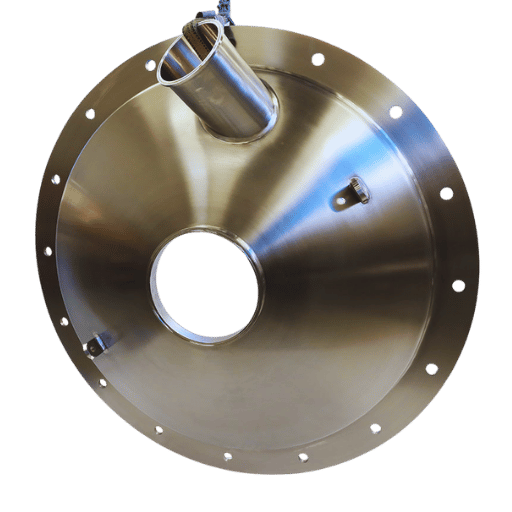
Innovations in Metal Fabrication Technologies
Recent developments in technologies for the transformation of metals focus primarily on the enhancement of workmanship and efficiency, as well as eco-friendliness. A key breakthrough is incorporating laser-cut and weld technology, which offers extremely tight tolerances while considerably reducing scrap rates. Progressive integration of automation and robots is simplifying most production activities and thus has given rise to the enhancement of repeatability in processes. Advanced simulation and modeling are also employed, which helps in proper design and execution, avoiding unnecessary mistakes and hasty deadlines. All these techniques, in combination, have allowed manufacturers to create better and more advanced products while saving resources and cutting costs. This can be seen as the increased custom stainless steel fabrication.
The Impact of State-of-the-Art Machinery on Fabrication
State-of-the-art equipment made it possible to achieve maximum effectiveness by uniting precision, automation, and fabrication. CNC machines, for example, provide the best possible accuracy when cutting, shaping, and assembling, reaching even 0.001-inch tolerances in some cases. Thus, the custom stainless steel fabrication process becomes cheaper as less waste is produced, and the quality of numerous specific pieces is easily handled.
In addition, with the emergence of 3D printing, intricate designs or samples have been made possible directly from CAD programs without using costly production equipment. 3D printing and related technologies are expected to rise in the market with a CAGR of over 23.3 percent by the end of 2030.
Furthermore, modern manufacturing processes include advanced devices to assess the quality of the fabricated components, such as laser diagnostics to inspect the surfaces or machine vision that detects defects at the microscopic level. Owing to these developments, which increase productivity levels, they likewise aid in sustainable development by maintaining the usage of resources and energy and, by extension, making fabrication better in terms of sustainability and efficiency.
Sustainability and Eco-Friendly Practices in Fabrication
One such imperative in sustaining the production industry is energy-efficient technology. Therefore, processes like additive manufacturing, where products are built layer by layer, eliminate excessive material waste; no excessive raw materials are used due to precision construction. Furthermore, due to the clean manufacturing process, green energy sources such as wind and solar energy can also be accommodated in production facilities to cut down on greenhouse gas emissions when production is carried out. Metal fabrication services that include recycling and reuse of materials are critical as they help businesses reduce their landfill contribution and help in resource management. All these methodologies reinforced by inventive actions are the principles of contemporary green fabricating.
Frequently Asked Questions (FAQs)
Q: What is custom stainless steel fabrication?
A: Custom stainless steel fabrication can be regarded as the process of shaping, forming, and crafting Stainless steel to achieve the desired touch or purpose in whatever mode of use, including industrial, commercial, or residential.
Q: What industries commonly use stainless steel fabrication services, especially those specializing in custom stainless steel?
A: Typically, these include building, ingredient manufacturing, automotive, medical, and plane, and they tend to use such servicing tools as they are readily available and simple to use on stainless steel, especially considering its remarkable properties.
Q: What are the benefits of custom stainless steel fabrication?
A: Among the advantages are versatility, long life, corrosion resistance, low maintenance, and long-term economics.
Q: What types of products can be made with stainless steel fabrication?
A: These are industrial products such as countertops, tank insulation, reticulation systems, machine guards, ladders, and platforms.
Q: How do I choose the right stainless steel for my project?
A: Choosing the right one depends on the application requirements, such as corrosion resistance, mechanical properties, and the ability to resist elevated temperatures. Professionals can provide necessary assistance.
Q: What should I consider when selecting a fabrication service provider?
A: Besides capabilities, look for investments in modern technology/company, readiness to tailor processes quality-wise as per market requirements, and completed references from other customers.
Q: How long does the stainless steel fabrication process usually take?
A: The period of completion of work varies because of differences in scope, but provided that the vendor is credible, he/she should give an estimate during project development.
Q: Where can I learn more about custom stainless steel fabrication services?
A: For more specific information on this or any other subject, please refer to the provider’s materials and this publication, or call their call centre.
Reference Sources
1. Metals Fabrication & Welding Technology – An extensive discussion can be obtained using the Steven College programs, since it involves tools, methods, and other helpful information about metal fabrication.
4. Leading Stainless Steel CNC Machining Services Provider in China


