


Of all the materials in manufacturing, we have carbon steel up there as one of the most valuable because of its strength, robustness, and its inexpensive cost. A lot of uncertainty surrounds its utilization because of the conditions it’s exposed to, particularly with whether it resists rust. This article breaks down how carbon steel is characterized, the mechanisms and driving factors of corrosion, and ways for its prevention. Understanding the menace of rust to carbon steel is crucial whether you are a layperson aimed at choosing construction materials or a specialist interested in maintaining equipment for the longest time. The article includes a review of practices that at all times—from rough weather to simple workshops—can be adopted so that you are aware of the problem and solutions in advance.
Introduction to Carbon Steel

Carbon steel, a widely manufactured compound largely consisting of iron and carbon, holds a notable position among the most used materials owing to its strength, versatility, and cost effectiveness. Carbon steel comes with superior ductility and hardness; hence, it can be used in the manufacture of low, mid, and high carbon steel. The ease of working with it in multiple industries makes mid carbon steel and low carbon steel especially notable, while the superior hardness and durability of high carbon steel makes it a key contributor in construction and auto industries. The use of this steel is particularly notable in construction, automobile, and manufacturing due to its cost efficiency and the benefit of being easily mended and used in several steels processing. The sole attribute that requires extra care in this steel is the ease at which it is susceptible to quick rusting from even minor contact with moisture and oxygen.
What is Carbon Steel?
Carbon steel is an alloy made from a mixture of mostly iron and carbon, with varying amounts of manganese, silicon, and copper. Generally, traces of other metals found in carbon steel range from 0.05% to 2.1%. These alloy makes are characterized by their different levels of carbon which in turn affects their strength, hardness, and their ductility. This variably composed material is grouped according to the percentage of carbon it contains, with three main categories: Both high and low carbon steel is readily suitable for industrial processing, such as forming, in the manufacture of components and pipelines, making low carbon steel a useful form of the metal for applications requiring ductile materials. The other form is medium carbon steel, which is best for automotive parts and machinery, being the right balance of strong while still flexible. Lastly, there is high carbon steel, which consists of less than forty percent, and it features the best wear resistance, making it ideal for the manufacturing of cutting tools in addition to wires with high durability. This notwithstanding, carbon steel has a tendency to rust when exposed to both air and water, which means that it needs to be either coated or constantly polished. The ability to be used in collaboration with the cost of other forms of metals make it very common in manufacturing of heavy and transport equipment that is readily available and cost friendly.
Importance of Carbon Steel in Various Industries
The usage of carbon steel is nearly unmatched in comparison to other materials mainly because of its features — toughness, adaptability and cost. In the construction business, it is specially utilized for the production of large structural components such as beams, columns, and rods that reinforce stability and appearance of the building. Also, carbon steel has fantastic workability and inhibitors for both abrasion and machining. Machinery and vehicle parts, such as drill bits, gears, and pistons that are not required to be very stylish can be manufactured with it. Similarly, in the transportation sector, carbon steel is used in the construction of ships, railways, and pipelines as it requires materials that are resilient and safe. It is also noteworthy to mention that carbon steel is used in the fabrication of wind turbines, alongside oil and gas pipelines. The variety of applications of carbon steel are derived from its adaptability, which is why it is regarded a quintessential resource in the modern industrial era.
Why Understanding Rust is Essential
Rust, produced through the reaction of iron with oxygen and moisture, is a challenge for various sectors. Being a universal reaction, it affects multiple processes. Knowing the formation and propagation of rust is important as it sustains any material, carbon steel in particular, and metals at large. Its harmful effects are visible in bridges, pipelines, and buildings, where even mild steel can lead to massive roof collages and hard-to-contain widespread failures. These critical assets have serious human and economic risks, huge rust-wrapped pipe systems collapsing and massive waves of the structures crumbling. Regulations do not yet cover this, so they have to be avoided at all costs to prevent the myriad of extremely large and expensive-to-save discreet failures.
Rust-related studies allow sectors to fight the issue even without understanding the processes behind it. Regardless of the root cause, rust on any material can be dealt with using protective coatings in addition to regular check-up protocols and the use of readily-available next-generation materials that include basic corrosion-resistant alloys. Advances in these solutions also promote industrial viability, as they assist with the massive reductions in the need for repetitive, resource-intensive manufacturing. These are some of the ways that assist in taking away the menace brought by rust.
Composition and Properties of Carbon Steel

Carbon steel primarily consists of iron and carbon, with the carbon content ranging from 0.05% to 2.0%, depending on the specific type. The amount of carbon is the most significant factor in the properties of the material. Consequently, the hardness, strength, and ductility increases and decreases with the amount of carbon and varies from low-carbon mild steel to high-carbon steel. In the case of low-carbon steel, the proportion of carbon is very low, and thus it is easy to shape and weld, and the case is opposite for high-carbon steel. Lastly, small amounts of manganese, silicon, and sulfur are used as micro additives to get higher strength, wear resistance, and other beneficial properties. These properties can make an unalloyed steel perfect for specific applications. Due to simple manufacturing, utilization for various purposes, and low cost, carbon steel has become the most utilized material.
Key Elements in Carbon Steel
Carbon steel and its crucial elements play a role in defining different attributes and offerings of the material and the varying sectors that it can be applied in. Here, we outline its chief components in regards to the sum of their contributions:
- Carbon – This is the main component of carbon steel. The hardness and strength and steel increase as one crosses the established benchmarks of carbon levels, whereas its malleability and weldability decrease.
- Manganese – Profenly added for higher strength and improved toughness. Additionally, during the steel’s production, it works as a deoxidizer to remove the oxygen.
- Silicon – Often utilized as a deoxidizing agent to further improve the wear resistance and strength of the steel
- Sulfur and Phosphorus – are used in minuscule quantities because of the large negative impacts it has on steels properties, they, however, are used to improve machineability when used in proper doses.
Recent data on carbon steel synthesis indicates the industry’s focus on advanced brand of carbon steel, one that is additionally alloyed which derives features meant for targeted sectors. In the past few years, there has been an interest in improving carbon steel’s element ratios with the intent of addressing issues concerning strength, weight, and long-term positive environmental effects. All these modifications ensure that carbon steel will still be at the forefront in serving sectors like construction, tool making, and automotive applications.
Role of Carbon in Strength and Durability
The ductility, hardness, and lengths of steel can be steered based on how much carbon steel contains, which is why carbon plays an important role in steel’s sustainability. Its carbon steel content can be altered to influence how appropriate malleability and tensile strength are to harden. Steel that is primarily composed of iron uses carbon in various sustained carbon levels to harden the material to achieve appropriate tensile strength and is malleable to construction beams if the construction is made from highly durable, which makes the construction useful in certain applications. Moreover, steel used in cutting tools and blades falls under the high-carbon range, which contains 0.6% to 1.4% carbon, thus making it durable enough by being extremely rigid.
The World Steel Association emphasizes the economic importances of mechanical properties of steel, and additional research has been conducted to document this fact. The World Steel Association has outlined mechanical requirements for a given application to determine carbon steel’s priority (2023). With an optimum amount of carbon (0.2% and 2.1% for a specific application), there comes a increase in strength without an increase in toughness. By applying controlled quenching and tempering as well as using advanced heat treatment, we can shape the steel to have desired properties thereby significantly increasing the carbon steel’s usage.
The blend of carbon steel’s strength and durability has completely digitalized the manufacturing industry. In 2023, a report published by OneClick stated that carbon steel accounts for about 70% of the global steel production. In this sense, its importance shines both in areas that require infrastructure, as well as the transport industry and machines dealing with weight, which is considered a game changer by global manufacturers.
Comparing Carbon Steel and Stainless Steel
Factors Contributing to Rust Formation

Moisture Factors and Rust
Moisture and humidity enable the oxidation process by creating an overall atmosphere of moisture. Drainage of any standing water eliminates much of the moisture.
Air Exposure
The oxygen allows the metal to react and rust. Covering scrap metal in oxygen-free packaging reduces the scrap’s exposure to air, increasing its resale value.
Surface Coating Damage
Scratches, chips, or thinned layers of protective materials allow the metal to become exposed, allowing rust to form over time and more readily.
Temperature Changes
Drastic temperature changes allow moisture to accumulate, which increases the stress level on metals, thus worsening any existing rust problems.
Salt Content and Rust
Coastal and heavily salted roads enhance the rate of corrosion due to the presence of salt as a catalyst.
Moisture and Oxygen Exposure
The formation of rust is primarily a result of exposure to oxygen and moisture. When a piece of metal comes into contact with water, including water in the air’s humidity, the oxygen that is dissolved in the water reacts with the metal’s surface, oxidizing it. The oxidation gives rise to the formation of iron oxide, commonly known as rust. Areas that face constant wet conditions, like coastal areas, as well as highly humid regions, considerably increase the pace of the rusting process. Moreover, Shielding a piece of metal from the effects of rusting due to moist conditions can be done in various ways, which include applying protective coatings, maintaining specific environmental conditions or frequent maintenance.
Environmental Conditions and Their Impact
The presence of moist air, saline water, and an acidic environment significantly expedites the formation of rust. Due to the concentration of salt in the air, coastal regions are more at risk of rust. Extended exposure to areas prone to condensation is also a huge cause of the accelerated formation of rust. It is important to take precautionary measures like putting a protective layer of paint or rust inhibitors on, and to ensure that metals are stored away in dry places and away from areas with harmful chemicals.
How Carbon Steel Rusts Easily
Rusting of carbon steel is exacerbated by the fact that it is composed and lacks the characteristic elements of chromium that are present in stainless steel, which are used for protection. To put it simply, when a carbon steel is subjected to moisture and oxygen, it creates a chemical reaction that results in the electrochemical process known as oxidation. Rusting occurs when iron ions combine with water and oxygen to produce hydrated iron oxide, or in this case, rust, and over time, the metal is weakened.
To name something from the past, humbled scientists have discovered rust in carbon steel within a few hours due to its ferrous nature. As an instance, high salinity in coastal regions and near oceans truly accentuates this challenge, where the corrosion takes place up to 10 times faster when compared to normal areas which are not affected by atmospheric salt. It is also enhanced in industrial fields where dirtier environments with pollutants like sulfur dioxide form on the metals and create more aggressive acidic compounds with the moisture in the air.
Recent research studies indicate that carbon steel that has been left unprotected and subjected to salt spray loses as much as 1 mm of thickness if left exposed for one year depending on the environmental conditions. Frequently, the issue is combated more effectively through the application of innovative water-repellent nanocoatings rather than conventional oil-based and galvanized paints. As they limit exposures to moisture and oxygen, work is more efficiently put in for the exaggerated case of increased salinity to occur, which is the accelerated rate of rusting, which in consequence extends the life of the metal. Such practices are essential. In combination, frequent maintenance checks, correct storage of the metals that are inspected periodically, are essential in improving the robustness of protection.
Preventing Carbon Steel from Rusting
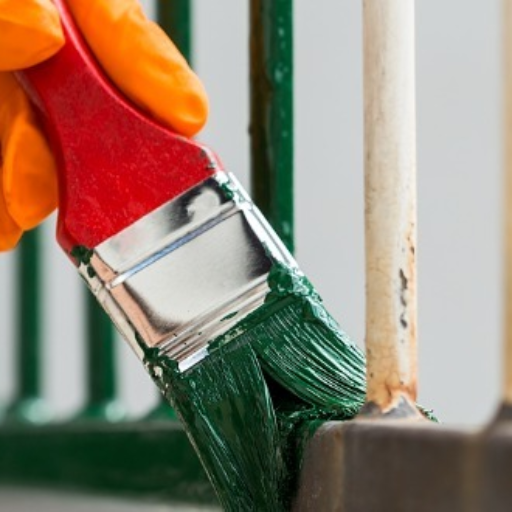
Carbon steel must be kept away from oxygen and moisture in order to prevent rusting. This can be achieved with zinc coatings (galvanization), specialized paints, and advanced water-repellent nanocoatings. Proper planning limits the exposure of steel to oxygen and water. Alternatively to the coatings, periodic checks, and proper maintenance cuts down direct oxidation.
Protective Coatings and Their Effectiveness
Protective coatings in any form, carbon-based or otherwise, are subjected to corrosion and require enhanced measures of form and wall thickness and need to be thoroughly painted. “Corrosion” has its meaning and a kind of steel degradation and the need for extra care. Zinc coatings, as an example to some, “corrode” the steel, which is some kind of sacrifice. Away from the steel, this way is the steel finishing with a protective barrier that is in need of an extra barrier. The aforesaid in addition to nano water-resistant coatings work by reducing rust occurrence. Steel finishes brought to nano in addition to nano water repellent coatings work by reducing the occurrence of advanced water protection, attacks, and possible new rust occurrences, in short the in-wa and nanotechnological coatings to maximizes the usage of steel in all environmental at max. Steel provides in-waiting to maximizes the risk for steel being used while working to less wait the risk of occurrence in a timewise manner to optimize and maximize the usage for maximum risk.ipment.
Regular Maintenance Practices
Cleaning, inspection, and repair, when practiced on a regular basis, is known to extend the life of carbon steel products. It is however required that you start to use gentle cleaning in warm water which is possible by the components you have and dirt can be removed from products such as carbon steal which is easily done with a PH neutral soap. In addition to the above cleaning services, you should carry out repairs and address any damage on time, as any delays would allow rust to set in. With the carbon steel, all basic fabrication is extended to store all fabricated objects, which is easily prevented with a good environment and absorbers, and as such, marked improvements are noticed with proper perseverance.
Innovative Rust Prevention Techniques
There are new methods, which can be incredibly efficient and advanced to be especially implemented to prevent rust:
- Galvanization – Covering carbon steel in a layer of zinc to prevent any moisture from coming into contact with the steel is a superior way of preventing rust.
- Powder Coating – The new powder coating technique uses electrostatically charged powder coating and seals the steel from the elements.
- Corrosion-resistant Alloys – The use of stainless steel and other highly rust-resistant alloys significantly helps to mitigate the risk of corrosion in most applications.
- Rust Preventive Oils – Thin layers formed by the application of specific oils stop the process of rusting, preserving the steel items in check, and the process of oxidation.
- Cathodic Protection – Corrosion can be greatly reduced by this type of protection, which enables the use of a different metal for steel which can greatly prolong its lifespan.
Using these advanced techniques for prevention of rust, the ability to meet the needs and the type of application can be achieved and significantly enhanced.
Common Applications of Carbon Steel

Construction
It is widely used in the construction of houses, bridges, and other infrastructure because of its robustness and durability.
Auto Industry
Its use in the manufacturing of vehicle parts extends to the chassis, engine parts, and body panels.
Pipeline Systems
It is used substantially in the construction of oil and gas pipelines as well as in the water distribution systems due to its high pressure resistance.
Tools and Machinery
Carbon steel is utilized in the production of tools and cutting implements, as well as in the creation of industrial machines, emphasizing its stiffness and its ability to resist wear.
Storage Tanks
Carbon steel is employed in the construction of storage tanks in the valves and plumbing industry such as water and chemicals because of its strength and the flexibility to handle varying conditions.
Carbon Steel in Construction
Carbon steel, on account of its strength, cost-efficiency, and durability, is commonly used in modern construction projects in the creation of bridges, high-rise buildings, and other large infrastructures, providing the necessary and vital support and stability. The material’s high tensile strength coupled with its great resistance to wear makes it easy for the material to bear heavy loads while also being durable under extreme weather. The material is also utilized in the reinforcement of concrete structures, further enhancing the integrity of the structures. Modern construction projects are characterized by numerous challenges and carbon steel’s durability and flexibility make it an excellent choice in those projects.
Use in Automotive and Machinery
Carbon steel, due to its strength, durability, and reasonable cost, is most famously associated with the automotive and machinery industries. In the automotive industry, it is widely used in engine components manufacturing and gear and suspension technologies, all of which bear critical loads. Additionally, precise and serious machinery and tools are made with carbon steel due to its workability and weldability, and can be used in precision and heavy machinery. It is to be stated that the machinery can run nonstop and still maintains an effective state.
Reference Sources
- Steel Pro Group: Does Carbon Steel Rust? – This source explains why carbon steel is highly susceptible to rust and corrosion due to its lack of chromium content.
- Monroe Engineering: What’s the Difference Between Stainless Steel and Carbon Steel? – This article discusses the rusting properties of carbon steel compared to stainless steel.
- Steel and Pipe Supply: Understanding Rust: Which Metals Are Susceptible and Which Are Not – This blog provides insights into the rusting behavior of carbon steel and other metals.
Frequently Asked Questions (FAQs)
Can Carbon Steel Easily Rust?
Yes, rust can form on carbon steel due to the high content of iron, which leads to oxidation of the metal to form iron oxide. The best way to avoid rust is to take care and continuously apply maintenance to the carbon steel.
How Is Carbon Steel Different From Stainless Steel?
Carbon steel is a combination of carbon and iron, while stainless steel contains added chromium, which is responsible for its corrosion resistance, of which enhances carbon steel. This implies that stainless steel is less prone to rust and is a top material choice in areas where there’s a lot of humidity or proofing.
How Can I Prevent Carbon Steel From Rusting?
Protect steel from rusting by adding a protective layer, then keep it in low moisture areas to avoid the pounding of dew rusting it again. Give extra attention to the steel to do lubrication to enhance protection or to fill protective layer.
How Do I Get Rid Of Rust From Carbon Steel?
After rusting, steel can be applied with the correct prevention and cure needed for stopping the rust attack. One includes the use of a sandpaper, a wired brush, or a rust remover that is a chemical. For the future prevention of rust, the steel must be protected with a special coating NIL.
Is There a Higher Chance of Rust Developing in Carbon Steel Than in Alloy Steel?
Compared to aluminium, alloy steels are less likely to rust. This is because of chromium and nickel, which are used to improve corrosion resistance. These additives reduce in oxidation and help with protective layer formation over the steel.
What Is The Impact of Moisture on Carbon Steel?
Water accelerates rust formation in steel. When subjected to moisture and oxygen, steel turns into rust, which is another way to explain oxidation.Conservatively preserve the steel’s material to make sure its performance is not affected.


