


Well, stainless steel machining is an art and a science. It requires a blend of pinpoint accuracy, dexterity, and unique techniques to create flawless results. Known for its durability and versatile use, stainless steel finds its applications in industries ranging from aerospace to medical devices. Yet it is just the hardness and work-hardening qualities of stainless steel that create the challenge in its machining. To shed some light upon this technique, this article will be discussing tips and proven techniques to help both the professionals and hobbyists with gaining a grasp over the complications involved in working with stainless steel. Whether you want to enhance your efficiency, accuracy, or just surpass the common stumbling blocks in machining, this article is all you need to take the next step forward in your project. Start elevating your art and mastering stainless steel with confidence.
What Is the Machinery of Stainless Steel?

Machining stainless steel means cutting, shaping, or performing other work on stainless steel into the required form and set of dimensions by using different tools and equipment. It is said that stainless steel is strong, durable, and resistant to corrosion; hence it is used in various sectors such as construction, automotive, and medical. Machining stainless steel in most instances calls for a special tool or technique to minimize wear on the tool with utmost accuracy.
Getting to Know Types and Properties of Stainless Steel
Stainless steels are many types of steel, each bearing unique characteristics tailored to some applications. Four major types exist, namely austenitic, ferritic, martensitic, and duplex. The usual austenitic stainless steel grades, types 304 and 316, have high corrosion resistance and are non-magnetic. Ferritic stainless steels are less expensive and show resistance against stress corrosion cracking but are very poor for welding applications. The Martensitic stainless steels, on the other hand, stand out with their strength and are used in applications that require wear resistance, like knives and tools. Duplex stainless steels are a blend of austenitic and ferritic qualities, thus being stronger and more corrosion-resistant. It is important to know what each type stands for to select the correct stainless steel for a given machining process or project.
The Machining Process for Stainless Steel
The machining process for stainless steel includes turning, milling, drilling, grinding, and polishing.
| Key Point | Description |
|---|---|
| Turning | Cuts material to shape. |
| Milling | Removes excess material. |
| Drilling | Creates precise holes. |
| Grinding | Smoothens surfaces. |
| Polishing | Enhances finish. |
Common Challenges in Machining Stainless Steel
Machining stainless steel presents certain challenges owing to the unique properties it manifests. These traits result in a greater hardness of the material that causes a rapid wearing of the tool. Thermal conductivity is also poor; thus heat is generated with a consequent effect on both the tool and the workpiece. The stainless steel tends to harden by work during machining, which in turn makes cutting difficult and less efficient. The tool should be selected properly, and cutting speeds and lubricants must be optimized.
Tool Selection for Machining Stainless Steel

- Material of the Tool: Use tools made from carbide or coated carbide, as they are durable and can withstand the high heat generated during machining.
- Tool Design: Select tools with a sharp cutting edge and high rake angle to reduce cutting force and minimize work-hardening.
- Cutting Speeds and Feeds: Maintain low cutting speeds and high feed rates to prevent excessive heat buildup while ensuring smooth cutting.
- Lubrication: Always use cutting fluids or lubricants to lower friction, dissipate heat, and improve surface finishes.
- Regular Maintenance: Inspect and replace tools as needed to prevent dull edges, which can lead to poor performance and excessive tool wear.
Importance of Tool Selection
The correct selection of tools to carry out machining operations directly affects efficiency, precision, and the overall quality of the production. Through the correct choice of tools for the appropriate material and process, tool wear is minimized, energy requirements reduced, and surface finish improvements provided. Industry experts claim that cutting tool selection can save up to 15% in manufacturing costs because it affects machining time itself and tool life.
For example, tooling over carbide with coated inserts, such as those treated with TiAlN for higher hardness and thermo-resistance, will provide better performances against hard materials like titanium or stainless steel. It is outlined in literature that advanced coatings may double the life of a cutting tool and maintain the best cutting rates.
Also, selecting a cutting tool with an ideal geometry, such as rake angles and flute designs, assures that the chip will be evacuated smoothly and without the risk of tool breakage, particularly during high-speed machining. This choice is essential for materials that opt for work-hardening or have particular thermal conductivity.
Investing time and resources in the proper selection of tools for a given application will lead to major improvements in both the efficiency of the production line and the quality of the product while drastically decreasing the costs associated with tooling in the long run.
Carbide Tools for Best Performance
Carbide cutting tool is considered a definition in machining processes for hardness, wear resistance, and ability to withstand extreme cutting temperatures. Fabricated with the composite material comprising tungsten carbide and metallic binder, these tools are manufactured to be used under stringent requirements for precision and durability even under extreme operating conditions.
As per latest statistics, carbide tools can cut at speeds from 4 to 8 times faster than high-speed steel (HSS) tools, thereby exhibiting unexpected levels of productivity. For example, carbide tools can outlast all other tools in a manufacturing environment where the primary concerns are machining titanium or stainless steel for steady output without needing frequent changeovers that result in about 50% downtime reduction.
Moreover, these carbide tools perform brilliantly during high-speed operations in virtue of their thermophysical characteristics. Studies indicate that heat resistance for carbide tools is in the range of 800°C-1000°C, making them suitable for cutting operations where unwanted heat might impair the integrity of the tooling. This is particularly advantageous in aerospace or automotive industries where complex shapes need to be machined with precision.
With advanced coatings typically TiAlN (Titanium Aluminum Nitride), modern carbide tools provide superior wear resistance and friction reduction properties and increase the working range of these tools in extremely hard materials such as superalloys. In conjunction with proper tool geometry and machining methodology, carbide tools provide maximum tool life and produce very fine surface finishes at high dimensional tolerances.
Therefore, an investment in carbide tools directed towards specific applications brings down the running costs, yielding an even better performance and longer tool life and better quality of finished products, thus making them indispensable in a modern manufacturing setup.
Maximizing Tool Life in Stainless Steel Machining
- Use High-Quality Tools: Select tools made from durable materials like carbide, which can withstand the demands of machining stainless steel.
- Optimize Cutting Speeds and Feeds: Ensure cutting speeds and feed rates are properly calibrated for stainless steel to minimize heat and wear.
- Apply Proper Coolants: Use appropriate cutting fluids or coolants to reduce friction and dissipate heat effectively.
- Maintain Sharp Tool Edges: Regularly inspect and replace tools to ensure sharp edges, reducing stress on both the tool and the material.
- Minimize Heat Generation: Avoid techniques or speeds that generate excessive heat, as this can reduce tool longevity and affect machining precision.
How Do Material Properties Affect Machining?
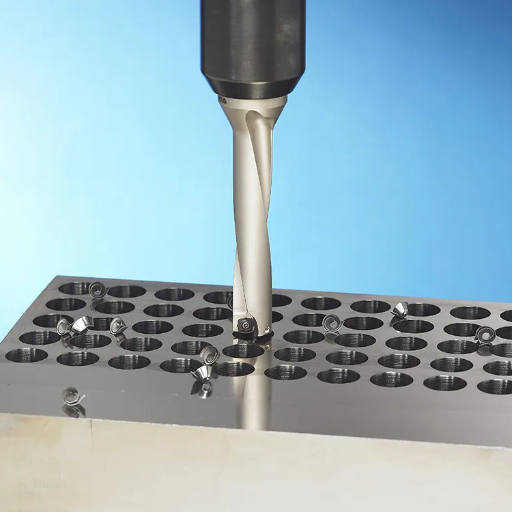
Machining processes are significantly influenced by material properties in determining the ease of cutting, the tool life, and the finish quality of the work. Hard materials, such as stainless steel and titanium, would require more cutting forces and wear their cutting tools, whereas softer metals like aluminum generate an easier cut but build-up edges with their tools. Similarly, ductility and brittleness influence chip formation; ductile materials create continuous chips, while brittle ones form broken-up chips. Knowing these properties allows the selection of the right cutting tool, speed, and procedure to best optimize performance in machining.
Effects of Corrosion Resistance on Machining
Corrosion resistance is a very crucial property of the materials that undergo machining, especially in the aerospace, marine, and medical industries where strength and performance in adverse conditions are at stake. Materials outstanding in corrosion resistance, like stainless steel, titanium, and some high-performance alloys, are very difficult to machine. That is because the resistance to corrosion is usually linked with virtue of strength and hardness, thereby demanding somewhat special machining tools and procedures to be machined in the desired form.
Recent works reveal that materials, such as stainless steel, are near to the worst in machinability due to their effect on tool wear and heat generation during the cutting process. For example, machining 304 stainless steel may diminish tool life by up to 50% when compared to cutting less corrosion-resistant materials like carbon steel. Similarly, titanium alloys, which also rank high on the scale of corrosion resistance, have a low thermal conductivity, resulting in early tool wear due to high heat concentration in the cutting zone.
To overcome this problem, cutters opt for carbide or coated tools and further refine their cutting parameters such as cutting at lower speeds and using high feed rates to minimize heat concentration. Other advanced cooling-lubrication techniques aside from conventional flood coolants such as minimum quantity lubrication (MQL) or cryogenic cooling also show promise for enhancing both tool life and surface finish of these materials; cryogenic cooling, for example, can reduce tool wear by as much as 60% in titanium machining.
Apart from the process side of machining, corrosion resistance also enters into its economics. The longer tool change intervals, increased power consumption, and specialized equipment requirements only escalate the production cost. However, solving the issues related to machining materials can provide a handsome condition for improving machining and quality of the product so that the materials perform well in their respective applications.
Understanding Work Hardening in Stainless Steel
Work hardening, or strain hardening as it is also called, is among the phenomena to take into consideration when machining stainless steel. This phenomenon takes place when deformation of the microstructure makes the material harder and stronger in the affected regions where stress is applied. Because of its austenitic nature, the material is more prone to work hardening and hence more difficult to machine than some other materials.
Austenitic stainless steels, such as 304 and 316 grades, have, according to some authors, been evaluated to reach surface hardness levels as high as 400-500 HV (Vickers Hardness) owing to work hardening generated by the machining processes. The increased hardness may produce excessive tool wear, poor cutting action, and more heat generation; work hardening besides inducing tool wear has also been found to generate more heat during cutting. Research has further concluded that the work hardening rate of stainless steel is roughly 1.5 times higher than that of carbon steel, which imposes the use of proper machining strategies in machining it.
The most appropriate machining techniques to control work hardening include the application of sharp cutting tools, lower feed rates with greater cutting speeds, and sufficient lubrication to minimize heat and friction. In addition, a better choice of cutting tool is the use of carbide tools or TiN-coated tools due to their resistance to work-hardened surfaces.
By manipulating the strategies to avoid work hardening, improved process reliability, tool life, and surface finishes on stainless steel parts can be realized.
Role of Alloy Composition in Machinability
The alloy composition has a paramount role when considering the machinability of stainless steel. Different elements of the alloy in fact influence hardness, thermal conductivity, and chip formation, all affecting cutting action and tool wear.
To cite examples, small quantities of sulfur and selenium are usually added to improve machinability, especially in free-machining grades such as 303 stainless steel. They facilitate better chip breaking and reduce friction throughout machining. On the downside, they may also lower corrosion resistance slightly over other grades.
In contrast, aluminium, chromium, and nickel, which are also constituents of stainless steel, increase its corrosion resistance and hardness while at the same time making machining difficult. A high chromium content increases hardness and toughness, while nickel increases ductility and thus resists cracking but makes it harder to cut. Another element occasionally added as a cheaper alternative to nickel in some alloys is manganese, which helps retain strength and hardness without having a strong effect on machinability.
Increased mechanical properties from modern stainless steel grades generally incorporate nitrogen, which makes increased toughness that results in higher cutting forces. Advanced grades of stainless steels, such as duplex stainless steels which consist of both austenitic and ferritic phases, show superior strength and corrosion resistance but demand special machining conditions because of their essentially metallurgical structure.
Based on industry experience, the machining of stainless steels usually takes about 20-50% longer in cycle time in comparison to low-carbon steels, depending upon the specific alloy in question, while… tool wears become far more prevalent, thereby emphasizing the significance of optimizing cutting parameters and high-performance materials in tool construction, such as coated carbide or ceramics.
Ultimately, understanding alloy composition allows engineers and manufacturers to select grades most suited to particular applications, essentially balancing performance, corrosion resistance, and machinability for the best productivity.
Machining Stainless Alloys Best Practices
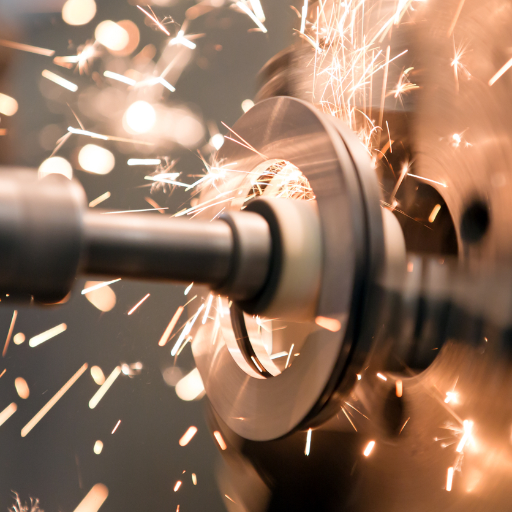
- Tool Selection: High-quality cutting tools made of carbide with coatings or ceramics should be used due to stainless steel’s toughness and heat resistance.
- Cutting Parameters: Select speeds, feeds, and depths of cut appropriate to the grade of stainless steel to avoid work hardening and the resulting accelerated tool wear.
- Use Coolants: Employ sufficient cutting fluids to keep the cutting zone cool and refrains tool wear and finish.
- Maintenance: Machines should be rigid, and tools should be kept sharp to autocuts without chatter.
- Avoid Work Hardening: Shallow cuts or very low feed rates often initiate work hardening, which leads to tool failures.
Speed-and-Feed Optimization for Steel Alloys
To optimize speeds and feeds for different types of stainless steel alloys, the basic guidelines are:
- Know the alloy: Varying hardness and machinability define different alloys. Contact your manufacturer for recommendations on a particular alloy.
- Cutting speed: Harder alloys generally require lower cutting speeds, and softer alloys may be subjected to higher speeds.
- Feed rate: Set a moderate feed rate to optimize between removal rates and wear on the tool; avoid very low feed rate to prevent work
- Use Proper Coolant: Ensure proper lubrication to manage heat and improve tool performance.
- Test and observe: Conduct a test cut to verify condition and adjust settings accordingly.
By following the above steps, one will be able to optimize any stainless steel alloy systems for machining.
Coolant Application for Surface Improvement
Having the right coolant setup during machining processes is significant in achieving a perfect surface finish, especially when machining materials like stainless steel. The coolant has several functions such as reducing heat, reducing friction, and assisting in flushing away the chips from the cutting zone; the culmination of all these factors provides better precision and acceleration in surface finish.
Recent data revealed that the temperature of the laminate could be lowered by 30% compared to conventional methods when good use of High-Pressure Coolant (HPC) is applied. Thus, smooth material removal is guaranteed, while thermal deformation is avoided as much as possible. It also states oil-based coolants, complemented with additives specially designed for stainless steels, give the best lubrication, hence minimizing the wear of tools with burr formation on the material being inflicted,
Coolant flow rates ought to be chosen with respect to cutting speed and tool geometry; for light finishing operations, a coolant flow rate of about 10-20 L/min is generally fine, whereas rates above 40 L/min may be warranted for heavy roughing to maintain suitable cool temperature and efficient chip evacuation. Correctly aligning the coolant nozzles with the cutting edge is crucial in guaranteeing a consistent coverage zone and cooling efficiency.
Real-time monitoring of coolant delivery is becoming more popular, giving data relating to flow rate, pressure, and temperatures; this allows machinists to make adjustments quickly to achieve consistent surface finishes and prevent manufacturing defects. Through the interface of such new technology with coolant technology, manufacturers are positioned to yield results of better quality while improving tool life along with the components-to-be.
Tool-Wear Controls for Consistent Results
To control tool wear effectively for consistent results, I perform tool inspection and maintenance activities on a regular basis. I can therefore monitor the wear patterns and replace or refurbish the tools as and when required to avert deterioration in performance and damage to the workpieces. I also use advanced tool monitoring systems to track tool life and thereby make judgements with the aid of available data, balancing productivity with precision.
Why Is Stainless Steel Used in Various Industries?
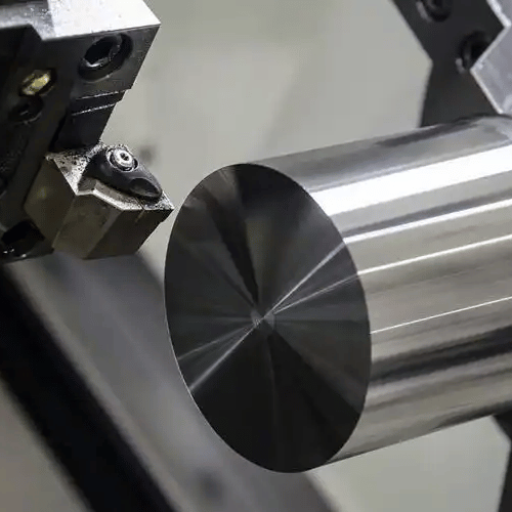
Stainless steel is widely used in diverse industries due to its durability, corrosion resistance, and ease of maintenance. Stainless steel can be used in applications ranging from construction to manufacturing, medical devices, food processing, and so on, due to its strength and versatility. High-temperature resistance and sanitary properties make stainless steel suitable for all kinds of industrial uses.
The Role of Stainless Steel Parts in the Aerospace Sector
Basically, the well-grounded need for stainless steel parts in the aerospace sector is underlined when high levels of durability, resilience to extreme conditions, and reliability are necessary. Aircraft components, such as engine components, exhaust, and system structural elements, are manufactured using stainless steel because of the material being light-weighted with high strength and capable of resisting both high temperature and heavy pressure.
For example, stainless-steel grades such as 17-4PH and 316L are widely used in aerospace applications for their excellent corrosion resistance and mechanical properties. Recent data show that the global aerospace industry has always had a consistent demand for advanced stainless steel materials that meet modern aircraft requirements for stringent safety and performance criteria.
As low-maintenance and easy-to-recycle materials with growing demand in the aerospace world due to a strong emphasis on sustainability, stainless steel continues to play an important role in enabling aviation capability where the technology must perform reliably in harsh environmental circumstances at a very high altitude.
Such traits elucidate how stainless steel is exceedingly important in the aerospace industry and will further explain that the implementation of this metal contributes toward safe, efficient, and innovative aircraft design.
Uses in Medical Devices and Equipment
Stainless steel ranks among the most widely used materials in medicine for medical equipment and devices because of its superior strength, corrosion resistance, and biocompatibility. From surgical tools to scissors and prosthetics to implants, stainless steel’s uses and applications are vast. Current statistics indicate that more than 60% of surgical instruments worldwide are stainless steel, which underscores the importance of this fabric in medicine.
Medical-grade stainless steel is specially designed to resist oxidation and chemical degradation so as to remain sterile and safe for external or internal use on the human body. The smooth, non-porous surface of stainless steel affords advantages, such as prevention of bacteria accumulation, making it suitable for orthopedic implants, stents, and dental instruments. Studies showed that stainless steel implants maintain high performance and retention over long periods, reducing the necessity for repeat surgeries and greatly improving patient outcomes.
In addition to stainless steel hospitals, infrastructures also include sterile countertops, operating tables, and storage units, with the ability to withstand rigorous cleaning regimes and the use of disinfectants, making them invaluable in protecting hygienic environments. As manufacturing advances, stainless steel will continue to play a key role in supporting the demand for equipments and devices needing precision, safety, and reliability.
Advantages of Stainless Steel Construction
The construction industry has become deeply associated with stainless steel because of its durability, diversity, beauty, corrosion resistance, etc. Some of the major advantages that encourage its use are corrosion resistance, and it can be used for interior or exterior applications, even in settings where corrosive challenges are typical, such as coastal regions or industrial areas. This resistance to corrosion has led to reduced maintenance requirements, thereby saving huge maintenance costs over time for builders and residents.
Another key feature is that lighter yet stronger structures can be constructed with high strength-to-weight ratio materials. Regarding fire resistance, stainless steel can hold the structure for a short span of time even under high temperatures, which enhances safety to buildings. Data from industry sources suggest that stainless steel will last for 50 or more years in most applications, greatly enhancing its long-term value and sustainability.
Stainless steel is also a front-runner in terms of sustainability. It is 100% recyclable, while stainless steel production utilizes approximately 90% recycled stainless steel. This contributes to reduce the ecological impact, thereby fulfilling objectives for green buildings. Its reflective qualities will also improve energy efficiency, therewith aiding in saving energy, which basically is in line with the objectives of said green building.
Architects love its aesthetic adroitness too. It can be fabricated into myriad shapes and finishes from glib modern to classy and classic design. Structures like the Chrysler Building in New York or Walt Disney Concert Hall in Los Angeles are an excellent example of using stainless steel for a brilliant aesthetic impact on building design that will stand the test of time.
Growing trends indicate demand for stainless steel in construction world over is expected to grow with a CAGR of 6.1% from 2023 to 2028, driven by increasing urbanization and the promotion of eco-friendly materials. This speaks volumes on how important stainless steels will be in speeding up the infrastructure agenda of tomorrow.
Reference sources
- Sustainable Hard Machining of AISI 304 Stainless Steel (2022)(Moganapriya et al., 2022, pp. 7302–7314)
- Authors: C. Moganapriya et al.
- Journal: Journal of Materials Engineering and Performance
- Methodology: This study investigated the sustainable hard machining of AISI 304 stainless steel using TiAlN, AlTiN, and TiAlSiN coatings. A Grey Fuzzy Coupled Taguchi method was employed for multi-criteria decision-making to optimize machining parameters.
- Key Findings: The research explored the effects of different coatings on machining performance and identified optimal machining parameters for achieving sustainability goals. Specific details on the optimal parameters and performance improvements are not provided in the context.
- Evaluating CNC Milling Performance for Machining AISI 316 Stainless Steel (2022)(Equbal et al., 2022)
- Authors: A. Equbal et al.
- Journal: Materials
- Methodology: This study used Response Surface Methodology (RSM) with a face-centered central composite design (FCCCD) to investigate the CNC milling performance of AISI 316 stainless steel using a carbide cutting tool insert. The machining parameters (cutting speed, feed rate, and depth of cut) were optimized using the Data Envelopment Analysis based ranking (DEAR) approach.
- Key Findings: The optimal machining parameters were determined to minimize surface roughness and maximize material removal rate. The depth of cut was found to be the most significant factor affecting material removal rate, while feed rate was the most significant factor affecting surface roughness. Cutting speed had minimal impact on surface roughness.
- Measurement and analysis of machining induced tribological characteristics (2022)(Gupta et al., 2022)
- Authors: Munish Kumar Gupta et al.
- Journal: Measurement
- Methodology: This study measured and analyzed the tribological characteristics during dual-jet minimum quantity lubrication (MQL) assisted turning of duplex stainless steel. The research likely involved experimental turning tests and analysis of the resulting data. Specific details on the methodology are not provided in the context.
- Key Findings: The research investigated the effects of MQL on tribological properties during machining. Specific details on the findings are not provided in the context.
Frequently Asked Questions (FAQs)
Q: What is stainless steel machining?
A: Stainless steel machining generally refers to cutting, shaping, and forming stainless steel through various methods and machinery, such as CNC machining. The process is important to create parts and products according to precise specifications and is widely used in industries where materials must be corrosion-resistant.
Q: What are common stainless steel grades used in cnc machining?
A: The commonly used stainless steel grades in cnc machining are 300 series stainless steel, commonly 316 stainless, and precipitation-hardening grades such as 17-4; each grade going by its properties, such as tensile strength and corrosion resistance, making it fit for specific applications.
Q: What makes stainless steel corrosion resistant?
A: Stainless steel achieves corrosion resistance with the help of chromium, which forms a passive layer of chromium oxide on top of it. This oxide layer prevents any further oxidation and corrosion from taking place, thus saving stainless steel from corrosion and making it suitable for conditions in which durability and longevity are considered.”
Q: How does a machinist function during stainless steel cnc machining?
A: The key functions of a machinist in stainless steel cnc machining include machine setup, selection of the correct cutting tools such as end mills, and specifying the correct feeds and speeds for machining. This has to do with the removal of material with precision while maintaining efficient working and quality of the product.
Q: How does machining of stainless steel using CNC differ from that of other materials?
A: Cnc machining of stainless steel indeed differs from other materials because of its hardness and corrosion resistance. Stainless steel requires specific toolpaths, machine set-ups, and cutting tools, such as 7-flute or 4-flute end mills, to properly machine the material without causing excessive wear to the tool or detriment to the material.
Q: What considerations should be made in machine setup for stainless steel machining services?
A: Machine setup considerations for stainless steel machining services include selecting the proper cutting tools, setting the surface feet per minute (sfm), and adjusting feeds and speeds based on the material’s properties. This assures adequate removal of the material while avoiding any damage to the tools and the workpiece.
Q: Can stainless steel be hardened through heat treatment?
A: Not all stainless steels may get hardened by heat treatment. For instance, the 300 series stainless steel can’t be hardened by heat treatment but is well known for its high corrosion resistance. On the contrary, other grades, like 17-4, can be hardened and therefore have higher tensile strength and are more wear-resistant.
Q: Why are toolpaths important in cnc machining of stainless steel?
A: Toolpaths are important in the cnc machining of stainless steel for optimizing the machining process, ensuring the efficient removal of material, and minimizing tool wear. Selecting the appropriate toolpaths helps to accomplish both the required dimensional accuracy and surface finish, all in the presence of guaranteeing the integrity of the stainless steel workpiece.
Q: How do end mills affect the milling of stainless steel?
A: End mills are critical for milling stainless steel as they control the surface finish and the rate of material removal. The choice of end mill, such as the number of flutes, will have a direct effect on surface finish and precision, making it a highly vital consideration for any stainless steel machining operations.


