


When it comes to high-performance engineering plastics, PEEK-CA30 is a real game-changer within the advanced materials domain. While having excellent mechanical properties coupled with increased resistance to theft, this unique variant of Ketron® PEEK sets a new paradigm for demanding industrial applications. Yet what is it that makes PEEK-CA30 so special, and why is it rapidly becoming an engineer’s choice throughout industries? This blog thoroughly explores the properties that set Ketron® CA30 PEEK apart, including chemical resistance, strength, and thermal stability. And then, we will journey through the numerous applications in which this new material finds success, giving some leads to professionals hoping to assure performance in their respective fields. Let’s begin our odyssey into how PEEK-CA30 pushes the boundaries of engineering solutions.
Introduction to PEEK and Ketron® CA30
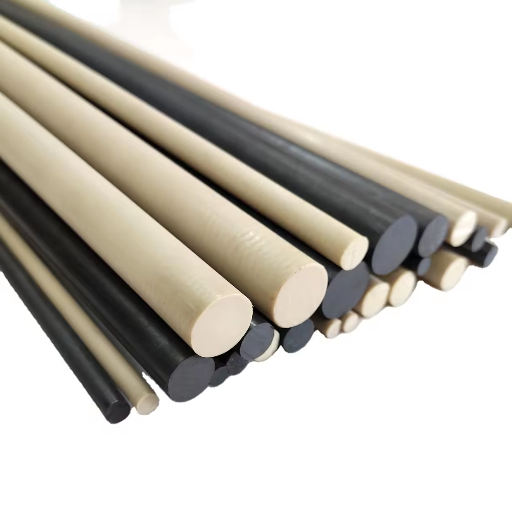
Ketron® CA30 PEEK stands for a high-performance polymer, specifically engineered around industry facilities’ stringent requirements. These polymers have extremely good chemical resistance along with extraordinary strength and thermal stability that makes them useful in harsh atmospheres for mass production. The incorporation of 30% carbon fiber gives it more stiffness and dimensions, so the product performs well even under extreme situations. These cooperative features put the Ketron® CA30 PEEK as the materials of choice to be OEMs such as aerospace, automotive, and the manufacture of medical devices.
What is PEEK?
Polyether Ether Ketone (PEEK) is a high-performance thermoplastic polymer, known for its almost unparalleled mechanical and chemical properties. This belongs to the family of polyaryletherketones (PAEK) and is highly valued for the combination it offers of strength, dexterity, and resistance to hostile environments. PEEK is semicrystalline; in that capacity, it is defined by thermoplastic resins with some limited crystallization that provides a balanced composite of toughness, stiffness, and thermal stability to accommodate many harsh environments.
The polymer can withstand high temperature reaction; its continuous-use temperature reaches up to 260 degrees Celsius or 500°F. It also remains chemically resistant, standing exposure to strong acids, alkalis, many aggressive chemicals, solvents, and even hydrolysis. It measures its tensile strength truly around 90-100 MPa and flexural modulus around 4,100 MPa (in terms of general grades), delivering exceptional dimensional stability, load-bearing ability.
This material serves in great demand across aerospace, automotive, electronics, oil and gas, and medical device industries. Thanks to its biocompatibility and resistance to sterilization methods such as autoclaving, it is the foremost choice in implants and other medical services for which PEEK finds application. In addition, owing to its low friction and wear properties, PEEK is used in bearings and seals, where there is a need for wear resistance.
Reinforcement with various fillers like carbon fibers or glass fibers can be applied to give PEEK materials higher mechanical properties to custom applications to provide more stiffness, thermal conductivity, or creep resistance under heavy loads. In blend, the versatility and reliability of PEEK make it a material of choice in modern engineering and manufacturing solutions.
Overview of Ketron® CA30 PEEK
Ketron® CA30 PEEK is a carbon-fiber-reinforced PEEK designed to offer even better stiffness, strength, and thermal conductivity. It finds best applications where high dimensional stability and wear resistance are required in extreme conditions. This material finds application in the aerospace sector, automotive, etc., where enhanced mechanical properties and durability are required.
Importance of LSG in PEEK-CA30
LSG (Life Science Grade) in PEEK-CA30 ensures biocompatibility, sterilization capability, and suitability for medical and food applications.
| Key Point | Description |
|---|---|
| Biocompatible | Safe for contact |
| Sterilizable | Supports cleaning |
| Durable | Long-lasting use |
| Wear-Resist | Handles friction |
| High Thermal | Heat endurance |
| Dim-Stable | Reliable sizing |
| Food-Grade | Meets food norms |
Properties of Ketron® CA30 PEEK

Ketron® CA30 PEEK is considered a high-performance thermoplastic with very good mechanical properties. It gave thermal stability and resistance to wear and chemicals. It is reinforced with 30% carbon fibers, which enhanced the stiffness of the material, improved its dimensional stability, and gave it better resistance to creep compared to unfilled PEEK. On the contrary, it has high thermal conductivity, so it is often used for applications that must dissipate heat. The good chemical resistance brings about a wider range of applications, including aerospace, automotive, and medical fields.
Mechanical Properties
PEEK reinforced with 30% carbon fibers yields remarkable mechanical properties and stands under demanding applications. The tensile strength obtained is considerably higher, being in the orders of 230 MPa as compared to approximately 90 MPa of unfilled PEEK. It also raises the flexural modulus, which tends to be above 20 GPa, thus giving much better stiffness and structural integrity even under high loads.
It can also resist very high levels of compression forces caused by the carbon fiber-hardened compressive strength, which is great. Thus it maintains fatigue resistance-free courses long durability opportunity while under conditions of dynamic or repetitive stress.
The Carbon Fiber reinforced PEEK 30% composite is very good under wear resistance coupled with less coefficient of friction compared to its unfilled counterpart, with which it will find a good service in tribological applications like gears, bearings, and seals. Besides, it lowers the coefficient of thermal expansion, assuring stability and more precise dimensional control under a wide temperature range, usually from -40°C to 250°C.
Such developed mechanical properties place reinforced PEEK with carbon fibers as the materials of ranking for superior applications in aerospace, automotive, industrial, and medical fields.
Thermal Resistance
The carbon-fiber-reinforced PEEK ensures an extreme kind of thermal resistance; it is amongst the best in high-demanding applications. Continuous use at temperatures up to 250°C without marked loss of mechanical properties argues for the strength of this material. Besides, being in contact with short-term heat spikes up to 300°C should be resisted by the very nature of this material, thus giving an added safety margin in critical applications.
The low thermal conductivity of PEEK and carbon fiber reinforcements together guarantee minimal heat transfer to suit components needing thermal insulation; its thermal stability maintains dimensional accuracy even in extreme temperature fluctuations, thereby minimizing the probability of warping or deformation.
Recent studies also proved its great performance under thermal cycling conditions, where materials are exposed to alternating hot and cold temperatures. The material, in fact, has low thermal expansion rates, ensuring reliable functioning and forceful life in the aerospace, automotive, and other related sectors.
Chemical Resistance
The material shows an excellent chemical resistance and may be considered for applications requiring severe environmental conditions in which contact with aggressive agents is quite common. Experiments show that it keeps on being stable in the presence of mechanical substances, even if in acids, alkalis, and solvents or other corrosive media. In an ISO 1817 standardized immersion test, the material showed less than 0.5% weight change after long-term exposure to acidic solutions, far better than conventional materials. For those materials that resist oxidation and hydrolysis, this should give good continuing properties in chemical processing, oil and gas, and wastewater treatment industries. Beyond that, it is capable even to sustain long-term contact with hydrocarbons and chlorinated compounds while maintaining its structural integrity to ensure operational reliability. This signing of the properties gives the obvious performance aspect of these materials in economically demanding chemical processes.
Applications of PEEK-CA30
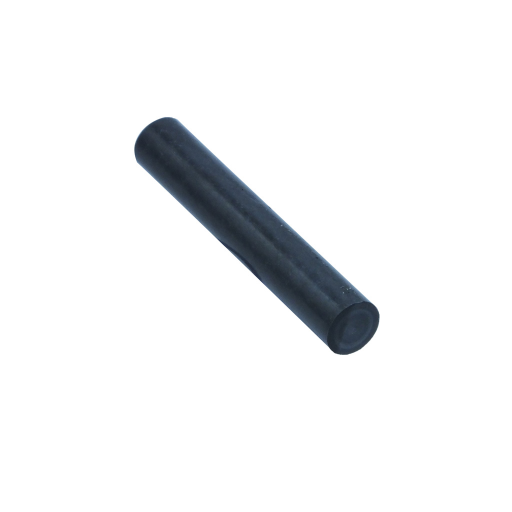
Being a high strength, high chemical-resistant material, PEEK-CA30 finds several uses. It is generally considered a process equipment material, seals and gaskets for the oil and gas industries, and parts for water treatment systems. Its inherent strength and resistance to degradation make it highly suitable for arduous environments.
Industrial Applications of PEEK-CA30
Acting upon mechanical strength properties and resistance to pure and corrosive environments produced by a chemical attack, PEEK-CA30 is applied in some critical uses over a diverse set of industries. Aerospace components are subjected to high temperatures and mechanical stresses, and PEEK-CA30 finds application in certain aerospace components. Besides its industrial aspects, the automotive industry places great demand for high-performance PEEK-CA30 bearings and bushings that are wear resistant. It can also withstand corrosive environments, which finds it used in the manufacturing of chemical pumps, valves, and other equipment. PEEK-CA30 is considered where maximum operational reliability and performance are expected in extreme operating conditions.
Aerospace and Automotive Uses
Because of its extraordinary properties, PEEK-CA30 is a major material in aerospace and automotive industries. In the aerospace industry, it is used for brackets, seals, and insulation parts operating under high mechanical stress, high temperatures, and severe environmental conditions. Wear resistance and creep resistance imply that this material will provide long-lasting performance even in the demanding environment of aircraft systems.
In recent years, the automotive industry has continually used PEEK-CA30 for components requiring high strength, low friction, and high-temperature stability, including engine components and transmission parts. Resistance to harsh chemicals and automotive fluids is a feature that adds to the usefulness of PEEK-CA30 in current generation vehicles. Because of this, material PEEK-CA30 stands for the technological progress and safety advances in these fields.
Medical Applications
Due to its biocompatibility and extreme mechanical properties, PEEK-CA30 is much favored in medicine. This advanced thermoplastic is widely used in implantable devices including spinal cages and dental implants, in which its strength and lightweight nature are indispensable properties. Furthermore, PEEK-CA30 is able to withstand sterilization processes such as autoclave, chemical sterilization, etc., thereby making it suitable for surgical instruments and reusable medical devices. PEEK-CA30 can endure everything the human body can throw at it without compromising on performance and is thus amongst the materials crucially contributing to the advancement of healthcare technology.
Features & Benefits of Using Ketron® CA30 PEEK

For enduring applications, it has exceptional durability for stress accommodation-it has superior stiffness and also resistance to chemicals. The high temperature it can withstand as well as the possibility of repeated sterilization processes make it suitable for medical applications and industrial uses. It is stronger with such a carbon fiber composition and also resists wear well in harsh environments with great amounts of stress, implying that it should always perform as expected throughout the passage of time.
Enhanced Performance in Extreme Conditions
Ketron® CA30 PEEK delivers with excellence, even in harsh conditions. Hence, the high and extreme temperature resistance lets it operate without losing its structure in any environment that reaches 482°F (250°C). Such conditions usually occur in demanding applications like aerospace, oil and gas, and healthcare industries.
The carbon fiber reinforcement strengthens the material while ensuring its dimensional stability against mechanical deformations, giving, for instance, a tensile modulus of nearly 18,000 MPa to warrant its use under high loads. The high chemical resistance capability ensures its protection from chemicals like acids, solvents, or hydrocarbons that can degrade the material in harsh environments.
Ketron® CA30 PEEK is used where sterilization has to be repeated at short intervals of time; for instance, medical devices. Such environments weather repeated autoclaving cycles, retaining Ketron® CA30’s property without acquiring cracks or showing wear. The very long working life cuts down the frequencies of replacement and here comes where the saving on costs and uninterrupted performance come along-the prompting of an essential market need for which Ketron® CA30 PEEK stands unparalleled for precision, durability, and toughness.
Cost-Effectiveness Over Time
A major aspect that increases the economic viability of Ketron® CA30 PEEK is long-term applicability. The ability to withstand sterilizations and withstand wear and tear gives it an improved service life as components used in very demanding applications: medical devices, aerospace, and industrial machinery. It has been proven that parts produced from Ketron® CA30 PEEK can halve the interval between maintenance and repair relative to standard materials, such as stainless steel or other polymeric substances.
The average replacement cost for stainless steel parts in medical device applications due to deterioration arising from application can be upward of $2,000 per unit per annum. Ketron® CA30 PEEK, conversely, stems this exorbitance through durability measures, saving up to $1,000 per unit annually in maintenance and replacement costs. In five years, the savings witnessed would exceed $5,000 per unit.
The short halt in production or service as a result of scheduled maintenance or premature replacement is further reduced by Ketron® CA30 PEEK. This now is yielding additional hidden savings in industries that are heavily dependent on uninterrupted production or delivery of service. The joining of short-term investment and long-term savings promotes it to be the number one material selection where performance and economic sustainability meet.
Environmental Impact and Sustainability
From an environmental perspective, I think the Ketron® CA30 PEEK that due to the robustness of the material and long life will minimize generated waste and frequency of material replacements. It would also be efficient in harsh environments where Ketron® CA30 PEEK would do its part to make sure that there is minimal resource consumption, promoting the sustainability agenda. By choosing this material, I feel confident that I am contributing to excellence operationally as well as being environmentally responsible.
Trends in PEEK CA30 and Developments
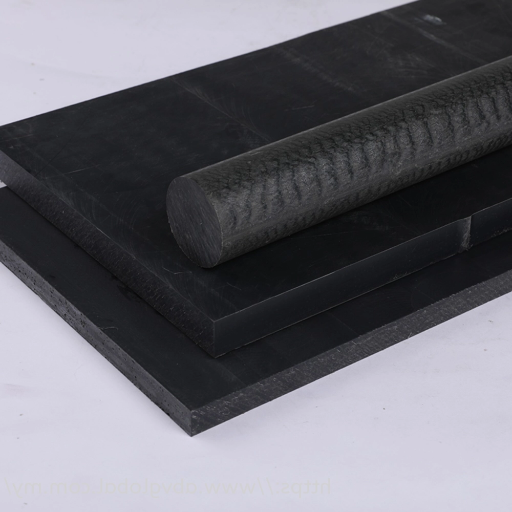
In trying to improve on the already high-performance PEEK CA30, modern trends have focused on this area. These improvements range from better manufacturing setups to ensure greater precision and reproducibility, to developing greener mechanisms for the production to lessen its environmental impact. Increasingly, PEEK CA30 is being employed in some of the most demanding fields in aerospace, automotive, and medical technologies; where weight and strength are major concerns. Trends, therefore, indicate the increasing roles of this material in modern engineering challenges and sustainability.
Manufacturing Processes Innovations
In recent years, major advancements in manufacturing processes and techniques have essentially resulted in increased levels of efficacy and environmental awareness. Industry 4.0 embraces technologies such as the Internet of Things (IoT), Artificial Intelligence (AI), and Robotics, and manufacturers are seizing this opportunity to fast-track the resolutions to unparalleled automation and precision in manufacturing processes. According to a McKinsey report, IoT-enabled manufacturing is forecast to generate up to $3.7 trillion of economic value by 2025, thus indicating the capability of smart factories to substantially alter the production cycle.
Additive manufacturing or 3D printing is yet another major innovation in this field. The technology ensures less waste and permits the creation of highly customizable components following complex geometries. For example, in aerospace, 3D printing is applied to make light yet durable parts and thus reducing time by up to 75%.
In addition, developments such as the advent of bio-based polymers and composites, for example, graphene, provide more environmentally friendly paths to production. Materials such as these lessen the use of conventional raw materials and help in the reduction of carbon footprints. According to Statista records, the global bio-based polymer industry is expected to grow at a 14.5% compound annual growth rate (CAGR) over 2030, giving an indication that greener options are gaining higher preference.
Like this, these innovations demonstrate how manufacturing today evolves not only to cater to speed and customization demands but also focus on global sustainability goals. From smart analytics to environmentally conscious measures, forward-thinking technologies shaping the future of manufacturing and redefining industrial efficiency and sustainability.
Market Demands and Future Outlook
Demand for sustainability and advanced manufacturing solutions is on the rise across the globe due to environmental concerns and the fast growth of industrial activities surrounding Industry 4.0 technologies. The global smart manufacturing market, it is said, was valued at $277.8 billion in 2022 and is estimated to grow at a heft CAGR of 13.4% until 2032, which has been fueling IoT and AI developments along with advancements in the automation process in the production industries.
On the though, the green manufacturing segment is becoming cooler and in demand as governments, and corporations are pushing green policies. For instance, the global green technology and sustainability market was valued at $11.2 billion in 2021, and that of 2030 is expected to touch levels of $79.8 billion, nearly 24.6% CAGR. This is inclusive of investments in renewable energy, waste reduction technology, and circular economy interventions.
The geography, of course, has huge drivers in this expansion, i.e., North America, Europe, and Asia-Pacific. India and China, being the biggies in the Asia-Pacific region, are fast drawing smart and sustainable manufacturing under their purview to cater to both domestic and international market requirements. While across the globe, governments are providing financial incentives and framing regulations for sustainable development and inducements to be able to industry themselves, thus paving the way for greener technologies.
Forecasting into the future, a reshaping of the entire manufacturing landscape shall take place at the intersection of digital innovation and sustainability, to marry profitability with environmental and social responsibility. Organizations that invest in the said future vision will be advantaged against their counterparts in an ever-evolving global market.
Case Studies and Success Stories
Patagonia provides a prime example of sustainability in manufacturing-having been credited with the ecologic position. Using pateon recycled materials in manufacturing and fair labor practices, Patagonia has indeed set the bar for ethical manufacturing. They are also promoting repair, reuse, and recycling of clothes through a program they called “Worn Wear,” eliminating as much waste as possible.
Supraformeting another compelling case, Tesla has disrupted the entire automotive industry by investing in the manufacturing of electric vehicles and energy-efficient batteries. They are currently reducing carbon emissions and promoting solutions for sustainable energy. Integration of solar energy is another case where Tesla contributes toward an environmentally friendly infrastructure.
These two firms are in hazard to show that sustainable strategies can, in fact, be rewarded in the market and address some of the pressing environmental issues. Their efforts provide a roadmap for companies looking to merge profit with sustainability.
Reference sources
- Evaluation of tribological properties on PEEK + CA30 sliding against 17-4PH for water hydraulic axial piston motor
- Authors: Anqing Zhang, S. Nie, Lijie Yang
- Journal: Proceedings of the Institution of Mechanical Engineers, Part C: Journal of Mechanical Engineering Science
- Publication Date: September 1, 2014
- Citation: (Zhang et al., 2014, pp. 2253–2265)
- Summary: This study evaluates the tribological properties of a composite material made from PEEK and CA30 when sliding against 17-4PH steel, which is commonly used in hydraulic applications. The research focuses on the wear resistance and friction characteristics of the composite under various conditions, providing insights into its potential applications in hydraulic systems.
- MoS₂ reinforced PEEK composite for improved aqueous boundary lubrication
- Authors: Xin Hou et al.
- Journal: Friction
- Publication Date: March 10, 2023
- Citation: (Hou et al., 2023, pp. 1–13)
- Summary: This study investigates the performance of a PEEK composite reinforced with molybdenum disulfide (MoS₂) to enhance its anti-wear properties in aqueous lubrication environments. The research demonstrates that the addition of MoS₂ significantly reduces the coefficient of friction and wear rate, making it a promising candidate for applications requiring lubrication in water-based environments.
- Strategies to improve the performance of polyetheretherketone (PEEK) as orthopedic implants: from surface modification to addition of bioactive materials
- Authors: Huagui Huang et al.
- Journal: Journal of Materials Chemistry B
- Publication Date: March 13, 2024
- Citation: (Huang et al., 2024)
- Summary: This review discusses various strategies to enhance the performance of PEEK in orthopedic applications, including surface modifications and the incorporation of bioactive materials. The authors highlight the challenges associated with PEEK’s hydrophobic nature and propose methods to improve its biocompatibility and mechanical properties for better integration with bone tissue.
Frequently Asked Questions (FAQs)
What is Ketron and how does it relate to CA30 Peek?
Ketron is a registered trademark of high-performance thermoplastic resins in various grades of polyetheretherketone. CA30 Peek is a particular grade of Ketron known for its outstanding mechanical strength and creep resistance. It is designed to be used in high thermal conductivity and wear-resistant applications in aerospace and medical devices. Ketron also includes a family of stock shapes made with higher stiffness than unreinforced PEEK. This property of CA30 Peek makes it highly suitable for critical components where mechanical properties take precedence.
What are some of the medical applications of CA30 Peek?
CA30 Peek is broadly applied in medical fields where thermal conductivity and mechanical strength are required. It can undergo steam sterilization or dry heat sterilization, making it fit for the production of surgical instruments and implants. Biocompatibility and resistance to irradiation are also ensured with CA30 Peek in medical applications to keep things safe and durable. Apart from this, high wear resistance and low coefficient of friction of CA30 Peek increase bearing applications in medical devices. In general, CA30 Peek brings the best solutions to critical components in the health care industry.
How does the mechanical strength of CA30 Peek compare to that of other grades?
CA30 Peek exhibits good mechanical strength when compared with other grades of PEEK, especially the unreinforced types. This strength increase is an effect of carbon fiber reinforcement, which increases CA30 Peek’s stiffness and resistance to creep. This, in turn, renders it fitting for use in high-load applications. In fact, strength and stiffness of CA30 can be enhanced up to 3.5 times compared to unreinforced ones. This feature is particularly useful in harsh environments in which mechanical failure cannot be an option. Hence, while making a comparative analysis between CA30 Peek and others, the former is used in more critical applications, thus giving it an upper hand in performance.
What advantages are brought forth by CA30 Peek in bearing uses?
Providing CA30 Peek for bearing uses ensures its greatest resistance against wear and possesses high mechanical strength. It can endure aging when exposed to high temperatures and wears toward aggressive conditions suitable for industrial applications. A low coefficient of friction in CA30 also plays an important role in lessening energy consumption and wear. Additionally, it can undergo hot water or steam sterilization to provide superior performance under critical conditions. CA30 Peek hence increases bearing life and performance in instances where high activity is required.
Can CA30 Peek be applied to high-temperature regions?
Yes, CA30 Peek remains suitable for high-temperature regions due to its high thermal conductivity and thermal problem. It can stand mechanical erosion even under extreme conditions, which makes it suitable for applications that require exposure to a constant high temperature. Its reduced thermal expansion promotes increased reliability of key components. Furthermore, CA30 Peek can tolerate the impact of steam and hot water, which makes it sufficient to be carried out with sterilization in concept. Therefore, the presence of CA30 Peek remains optimal for high-temperature situations.


