


Tetanus is a term that usually causes concerns and misunderstandings, especially in the case of rusty items. For most people, the risk of this severe bacterial infection immediately comes to mind when they see a corroded nail or a rusty tool. The question is: how much of our belief in the link between rust and tetanus is based on facts, and how much is just a result of widespread myths? The present paper thoroughly explores the science and misconceptions associated with rust and tetanus risk. By the time of conclusion, you will have a comprehensive comprehension of what actually triggers tetanus, the role of rust (if any), and the preventive measures you can apply to guard yourself.
What is Tetanus?

Tetanus is a severe infection caused by the bacterium Clostridium tetani. The bacterium produces a toxin that affects the nervous system and leads to stiffness and muscle spasms. Tetanus is referred to as “lockjaw” because it very often causes the inability to open the mouth. The bacteria usually gain access to the body through wounds or cuts, especially if they are deep and dirty. It is worth noting that tetanus is not transmissible and cannot be propagated between humans. The most effective means of preventing tetanus is vaccination, together with proper wound treatment to lower the chances of infection.
Causes of Tetanus Infections
Tetanus infections are the result of the presence of the bacterium Clostridium tetani, which is a natural component of soil, dust, and animal faeces. The bacterium is notorious for its ability to form spores – an extremely durable and hardy form that can endure extreme conditions for a long time. These spores usually enter the human body through skin breaks such as puncture wounds, cuts, burns, or very light scratches. The risk is higher if these wounds come into contact with contaminated surfaces or objects. Tetanus can be caused by bacteria that thrive in deep wounds with little oxygen and produce toxins. Activities such as planting, construction, or using specific outdoor tools can put one at risk of exposure if done in areas where spores are scattered in large numbers.
Clostridium tetani and Its Role
Clostridium tetani is a bacterium that causes tetanus, a severe and painful condition with symptoms such as severe muscle spasms and rigidity, among others. The bacterium is usually found in soil, dust, and animal stool. Its spores have a high resistance to extreme conditions, allowing them to survive for long periods. Suppose Clostridium tetani gains access to the human body through cuts, wounds, or similar ways. In that case, it starts to produce tetanospasmin, a potent neurotoxin that interferes with the action of the nervous system. The toxin acts by blocking signals that allow muscle relaxation; thus, the muscles remain in a state of contraction, a condition referred to as “lockjaw” in the case of the muscles of the jaw. Tetanus, if not handled quickly with antitoxins and wound care, can lead to death. The vaccine remains the best preventive measure against this deadly disease, significantly reducing the risks associated with exposure to the bacterium.
⚠️ What to Do If Injured by a Rusty Object
In case, you get hurt by a rusty object, it is essential to respond immediately so that the chances of infection and difficulties are kept minimal. Begin the wound treatment by using clean water and mild soap for a thorough wash to remove any dirt or debris. In case of bleeding, gently press the spot with a clean cloth to stop the bleeding. After the wound has been cleaned and bleeding has been controlled, apply antiseptic to disinfect the area and cover it with a sterile dressing that will prevent it from getting contaminated again.
It is essential to check if your tetanus vaccination is up to date. If you have any doubts about, or if you have not had a tetanus booster within the last 5-10 years, do not hesitate and get medical help. A doctor could give you a tetanus booster shot or tetanus immunoglobulin treatment depending on the injury’s magnitude and your vaccination history. Besides, oversee the wound for signs of infection like redness, swelling, pain that is getting worse, or pus and if, in any case, these symptoms appear, consult a doctor right away. Following these measures can be very helpful in reducing the likelihood of serious complications from rust-related injuries.
Common Myths about Rust and Tetanus

A very popular misconception is that rust is the main reason for tetanus. This is indeed in a way true as the agent causing tetanus is a bacterium named Clostridium tetani, which is not rust. Rusty items are generally linked to tetanus because they are associated with places where this bacterium lives, such as soil and dust. Another fallacy is that only deep cuts from rusty objects can lead to tetanus. Although such accidents may twice the danger, it is still true that any cut, clean or dirty, can become a point of entry for the germs. Disinfecting wounds properly and keeping up with your tetanus shots are the only sure ways to prevent disease.
Does Rusty Metal Cause Tetanus?
Rusty metal is not a direct cause of tetanus infection, yet it may be a risk factor if it creates a wound that allows the bacteria to enter the body. Tetanus is produced by the Clostridium tetani germ which can be present in the soil, dust, and animal droppings. The presence of rust is not an indicator of this germ’s existence. Nevertheless, any injury, including those caused by rusty items, can become a potential entry for tetanus if not appropriately treated. The most effective method of tetanus prevention is to keep the vaccination up-to-date and to clean wounds properly.
Understanding Rust and Its Harmfulness
Rust, the resulting corrosion of iron or its alloys from exposure to oxygen and moisture, is not by itself harmful to mankind. Though contact with or handling of rust is mostly safe, it can, however, bring about minor skin irritation for people with allergies. The most significant risk arises when rusty objects lead to cuts or scratches, as these injuries can allow germs, like Clostridium tetani, to enter your body, potentially resulting in tetanus. Therefore, it is advisable to be careful when dealing with rusty items, to sanitize all cuts and abrasions properly, and to ensure tetanus shots are current.
Myths vs. Facts: Rusty Objects and Infections
Rusty objects do not inherently cause infections, but they pose a risk if injuries lead to bacterial exposure, such as tetanus, due to Clostridium tetani.
How Do You Get Tetanus?

Tetanus results from the Clostridium tetani bacterium, which is usually present in soil, dust, and feces of animals. Infection occurs when bacteria enter the body, typically through skin openings like cuts, wounds, or burns, especially in unclean environments. Rusty objects are not responsible for tetanus, but they may cause injuries that allow germs to enter. Treatment of the wound, and vaccination are the main ways of preventing this disease.
Injury and Wound Types
Injuries and wounds can be classified mainly according to their source and look. A few common examples are:
- Abrasions: These are shallow cuts that occur due to the skin being scraped, they are primarily the result of falling or rubbing the skin against rough surfaces.
- Lacerations: These are irregularly shaped cuts or tears in the flesh usually made by sharp or jagged objects.
- Punctures: These are deep wounds with very narrow openings made by sharp objects such as nails or needles.
- Incisions: These are straight cuts made by sharp tools like knives or surgical scissors, and they are spotless.
- Contusions: These are also referred to as bruises and are the result of blunt-force trauma, which leads to skin discoloration.
- Burns: These are injuries to the skin resulting from fire, heat, chemicals, or electric power, and they can range from mild to deep tissue damage.
Knowing what kind of wound it is, is very important for proper treatment and avoiding complications like infection.
Rusty Nails and Other Rusty Objects
Rusty nails and other rusty stuff are among the leading causes of injuries, with bloody wounds being the most common type. One of the top worries regarding such items is the risk of tetanus, which is a disease caused by the bacteria Clostridium tetani. These germs are commonly found in soil, dust, and rusty objects, and they can enter a person’s body through cuts and scrapes. Tetanus infections can cause terrible symptoms such as muscle stiffness, convulsions, and breathlessness if the disease is not treated.
Thus, it is imperative to clean the injury with soap and fresh water right away to avoid getting complications. The application of an antiseptic and bandaging the cut can help prevent infection. People should also make sure that their tetanus shots are current as this is the most reliable method of prevention.
Environmental Factors Contributing to Infection
- •Soil or dirt in the injury may suggest a risk of tetanus infection since the soil is the primary habitat for the tetanus germs.
- •Animal excrements sometimes contain tetanus germs that can infect humans through direct contact.
- •Injury types such as puncture wounds or deep cuts with rusty or dirty objects are more likely to become tetanus infections.
- •Poor hygiene, where wounds are not adequately cleaned and treated immediately, favors tetanus.
- •Tetanus germs grow best in warm and moist places, thus making the environment very favorable for them.
Signs and Symptoms of Tetanus

- Muscle tightness, mainly in the jaw (often called “lockjaw”).
- Uncomfortable contractions of muscles that may involve the neck, the abdomen, and the extremities.
- In dire situations, the person may have trouble swallowing or breathing.
- Fever, sweating, and increased heart rate.
- Pain in head and overall uneasiness.
It is imperative to call a doctor immediately if these signs are observed after an accident.
Early Symptoms to Watch For
- Jaw muscle stiffness, commonly referred to as “lockjaw.”
- Minor muscle twitches in the area of the injury.
- A sensation of being restless or irritable.
- Initial indications of swallowing problems.
Immediate medical help should be obtained if these symptoms appear after an injury to prevent the condition from deteriorating.
Progression of Tetanus Symptoms
As the disease progresses, tetanus symptoms become more intense and spread through the body, with main muscle groups often involved.
- Severe muscle spasms are one of the main signs and they can occur all over the body and even be very painful and intense contractions at times.
- Breathing difficulty is caused when the stiffness of the muscles in the chest and diaphragm impacts the breathing process.
- Rigor-like rigidity is the state of the muscles being constantly tense and not relaxed at all.
- The patient has sweating and fever which signals the body that it is fighting an infection and the disease is spreading.
- Blood pressure and heart rate increase in such cases because the sympathetic nervous system is increasingly affected.
If not treated, a severe case of tetanus might cause complications like fractures, suffering from extreme spasms, death, or even worse. Early diagnosis and treatment with medical therapies such as tetanus immunoglobulin and supportive care can luck to better patient outcomes right away and make the management of the symptoms easier.
Lockjaw and Its Implications
Lockjaw, known in the medical world as trismus, is among the most notorious symptoms of tetanus. It is a condition that causes the jaw and neck muscles to become extremely stiff and go through spasms to such an extent that speaking, eating, and even breathing are tremendously complex. The inability to relax muscles is a direct consequence of the tetanus toxin’s action on the motor neurons. Concomitant with the discomfort and functional impairment, lockjaw can cause malnutrition or aspiration pneumonia, for instance, if the condition is not treated. Among the steps in treating the condition are muscle relaxers and antitoxin, which help alleviate symptoms and prevent severe consequences.
Prevention of Tetanus
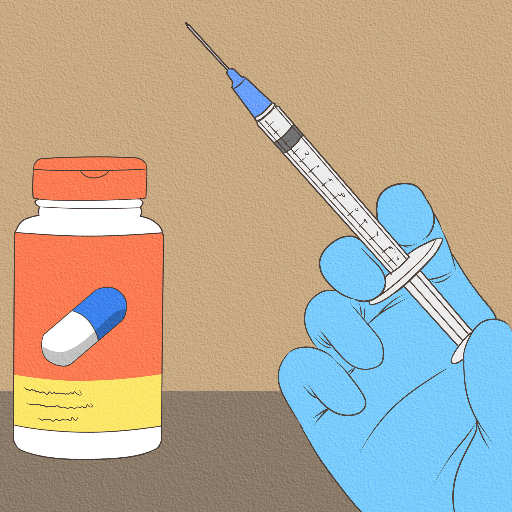
Tetanus prevention centers on vaccination and proper treatment of wounds. The best course of action is to get the tetanus vaccine regularly, which is done by the DTaP or Tdap vaccines that are part of the routine vaccinations. Besides that, it is very important to take care of the wounds properly and very quickly to reduce the chances of getting infected. In case of serious injuries, one might have to consult a doctor regarding the possibility of getting a booster or receiving tetanus immunoglobulin.
Importance of Tetanus Shots
Tetanus vaccinations are essential because they protect people from one of the most dangerous infections caused by a germ that is often found in soil, dust, and animal droppings. This germ can get into humans through deep scratches, cuts, or even small holes made by sharp instruments. The administration of tetanus vaccinations prepares the body to fight the bacteria, thus preventing severe symptoms such as muscle stiffness and spasms. As time passes among the unvaccinated, immunity to the disease wanes, so the situation calls for a renewed vaccination every 10 years to maintain protection.
When to Get a Tetanus Booster
I always ensure I receive a tetanus booster every ten years to maintain my immunity at a high level. In case I get a deep or dirty wound and five years have passed since my last shot, I will get a booster anyway as a preventive measure. Being current with tetanus vaccinations is crucial for my health and safety.
Wound Care and Safety Tips
To take care of wounds correctly, I first wash my hands to avoid any infection. Next, I very gently clean the wound with soap and water, removing dirt and debris. After the area is clean, I put antibiotic ointment on it and a sterile dressing covers it so that it is not disturbed during the healing process. I am cautious about changing the dressing every day or as soon as it gets wet or soiled. In case the wound exhibits symptoms of infection like redness, swelling, or pus, I get medical help immediately. By being constantly aware of wound care, I ensure quick and safe healing.
Reference Sources
- Columbia University’s Go Ask Alice – Discusses the misconception about rust and tetanus.
- Illinois State University’s Environmental Health and Safety – Explains that tetanus is caused by bacteria, not rust.
- University of Texas Medical Branch – Vaccine Smarts – Highlights the bacterial cause of tetanus and debunks the rust myth.
- PubMed Central – Risk of Clostridium tetani infection – Provides academic insights into how Clostridium tetani infects through wounds.
- Centers for Disease Control and Prevention (CDC) – Offers authoritative information about tetanus and its causes.
Frequently Asked Questions (FAQs)
Is it possible to get tetanus by stepping on a rusty nail?
Stepping on a rusty nail might lead to tetanus, but it’s not the rusty nail that is the direct cause of tetanus infection. Tetanus infection occurs when someone gets infected by a specific bacteria called Clostridium tetani, which can be found in soil, dust, and animal waste. In this case, if the nail causes a cut or puncture wound, it can be very easy for these bacteria to enter and cause an infection.
Is it the rust that brings the harmful bacteria causing tetanus?
Rust has no infection-causing attributes, and it does not even contain germs responsible for causing tetanus. The primary concern is that rust is found in regions where bacteria exist, and the conditions are anaerobic, such as in deep wounds, where tetanus bacteria can easily grow. The cleanliness and the protection of the wound from infection are paramount.
What are the early signs and late symptoms of tetanus?
Tetanus is characterized by a variety of symptoms that are usually mild at first and include stiffness of the jaw and neck. Gradually, these mild symptoms evolve into more severe ones like muscle spasms, difficulty swallowing, and overall muscle rigidity. If symptoms appear after a possible exposure, medical help should be sought immediately.
How can I protect myself against tetanus after a wound made by rusty metal?
The tetanus prevention procedure after a rusty object wound includes cleaning the wound and consulting a medical professional. If your tetanus vaccination or booster shot was done more than 10 years ago, your doctor will likely advise you to get a tetanus shot to make sure you have immunity against the disease.
Are people advised to take a tetanus booster shot if they get cuts from rusty nails?
In case of a cut or puncture wound from a rusty nail, it is advisable to know when your last tetanus shot was. If the shot was given more than ten years ago or five years for a dirty wound, you might need a tetanus booster shot, which will protect you from the infection.
Is it true that I can catch tetanus from rust on metal objects?
One cannot catch tetanus from rust, but if an object with rust causes a puncture wound, there is a chance of getting tetanus infection if bacteria are present. Regular vaccination against tetanus is a simple way to keep the risk to almost zero.


