


Rust is a constant problem, slowly eating away at metal and making tools, machines, and household items look unattractive and less efficient. Among all solutions, WD-40 is the most popular and often the first choice for its versatility. But is the rust-fighting ability of this well-known product practical? This comprehensive article examines WD-40’s role in rust prevention and removal, its mechanism of action, limitations, and the situations in which it provides the best support. Whether you have a rusty bolt, a rusted bicycle chain, or are looking for ways to prevent your belongings from rusting, this guide offers valuable insights. Join us as we share facts about WD-40 and rust removal to help you decide whether it is the right solution for your needs.
Introduction to WD-40
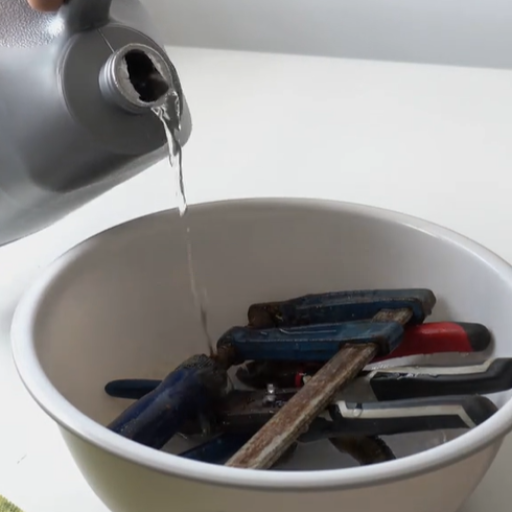
WD-40 is a versatile product commonly used for a variety of purposes, such as protecting metal from rust and corrosion, penetrating stuck parts, displacing moisture, and lubricating moving parts. Its formulation dates back to 1953 for the aeronautical industry and has since become a household item recognized for its multi-use capabilities. WD-40’s special mix is formulated to form a protective barrier on metal surfaces, helping prevent rust and facilitating the loosening of rusted parts when applied directly. However, the product is not a permanent rust-removal solution and may require reapplication to achieve long-lasting results.
What is WD-40?
WD-40 is a universal product that has become very popular due to its wide range of applications. It is a lubricant, a corrosion inhibitor, and a water-displacing spray all in one. The acronym WD-40 stands for “Water Displacement, 40th formula,” indicating that the formula was perfected in the 40th experiment. WD-40 is commonly found in households, garages, and factories, making it an excellent choice for loosening rusted or stuck mechanical parts, protecting metal surfaces from rust and corrosion, and removing heel or grease marks.
💡 Interesting Fact
Some people have discovered very different ways to use the product, such as removing crayon marks, reducing squeaky doors, or preventing snow from sticking to shovels. While it is highly versatile, it is always good practice to use it for its intended purpose and to follow the manufacturer’s instructions for safe, practical application.
Common Uses of WD-40
🔧 Lubricating Stuck Parts
WD-40 helps loosen rusted or stuck bolts, screws, and other mechanical parts.
🚪 Silencing Squeaky Hinges
A single quick spray can eliminate squeaks from doors, cabinets, and other hinges.
🏷️ Removing Adhesives
WD-40 is effective at removing stubborn adhesive residue from labels, tape, and stickers.
🛡️ Protecting Metal Surfaces
Forms a protective layer that fights against rust and corrosion on metal tools and equipment.
🧼 Cleaning Grease Stains
WD-40 can dissolve and remove even the most stubborn grease stains on various surfaces, making cleanup easier.
Is WD-40 Effective for Rust Removal?

Certainly, WD-40 does not disappoint when it comes to rust removal. The product is effective due to its outstanding ingredient mix. The chemical compounds loosen rust by penetrating through rust layers. After this, the main work is to remove rust from parts or prepare the surface for easier scrubbing. For rust removal with WD-40, spray the area, wait a few minutes, and then gently brush or wipe with a brush or cloth. For severe rust or large-scale restoration, you may need to use materials specifically designed for rust removal. Always observe safety precautions provided when using any chemical product.
How WD-40 Works on Rust
WD-40 can remove rust by penetrating the affected areas and breaking the bond between rust and the underlying metal. It has a unique chemical composition that removes water, removes rust, and forms a protective layer that prevents further rust. This is why it is suitable for removing light to moderate rust and preparing surfaces for cleaning or restoration. Always use the product exactly as directed to achieve the best results.
Chemical Properties of WD-40
🔬 Key Chemical Characteristics
- Hydrocarbon Base: Mixture of oils that can lubricate, prevent corrosion, and provide versatile effectiveness
- Penetration Ability: Enables effective penetration, guarding, and lubrication of surfaces.
- Non-Conductive: Does not conduct electricity, making it safe for application on electrical parts
- Water-Repellent: Helps displace moisture, preventing rust formation
Together, these features make WD-40 the go-to product for a variety of maintenance and repair jobs.
Water-Displacing Lubricant Functionality
WD-40 is an excellent water-displacing lubricant that can repel moisture. Applying it to a surface forms a barrier that prevents water from adhering, reducing the risk of rust and corrosion. It is well-suited for metal parts, tools, and machines in wet or humid environments, as its application blocks moisture and retains lubricity. Additionally, the friction-cutting characteristic makes moving parts operate more smoothly, thereby improving maintenance and repair efficiency.
Limitations as a Rust Remover
⚠️ Important Limitations
WD-40, though a very versatile product, still has some notable limitations when it comes to rust removal:
- Does not dissolve rust like dedicated rust eliminators which use chemicals
- Mainly prevents rust and displaces water rather than removing it
- Can loosen surface rust and stop further corrosion but is ineffective for deep or heavy rust
- May require several applications and scrubbing, which could be time-consuming
- Less effective compared to using professional rust removal products
Thus, a dedicated rust remover or converter would be a more sensible option for addressing heavily rusted items.
Effectiveness of WD-40 for Rust Removal

WD-40 might work to some extent in getting rid of light rust as it can reach down and loosen rust that is only on the surface. However, it does not provide a complete remedy for heavy or deep-seated rust. For heavy rust, purpose-built rust removers or converters are more effective and faster.
Performance on Light Surface Rust
✨ Effective for Light Rust
WD-40 is a good choice for light surface rust removal because it loosens the rust and makes it easier to remove. The product’s penetrating nature allows it to reach hard-to-access areas and remove surface rust without damaging the base material.
For optimal effect, treat the rusted part with WD-40, let it work for a few minutes, then very lightly scrub with a soft-bristled brush or cloth. This treatment is simple and effective for minor rust, but it is not intended to remove more severe rust.
Comparison with Heavy Rust and Corrosion
The approach to heavy rust and corrosion is entirely different from that used for minor rust. Surface rust is less of a concern than severe rust, which is already deep and, in most cases, has destroyed the material’s structural integrity.
As for products, WD-40 is great for light rust but heavy rust needs more specialized treatment like rust converters, sandblasting, or even electrolysis. For severely rusted areas, professional-grade solvents or industrial tools may be required.
💡 Household Alternatives
Household products are frequently asked whether they can handle heavy rust. Vinegar and lemon juice are standard DIY methods, but they typically only work on the surface and may not eliminate deeper corrosion. Moreover, statistics indicate the need for preventive measures such as regular cleaning and the application of protective coatings to control the rate of rust and corrosion.
Alternative Rust Removal Methods
For more serious rust stains, there are methods ranging from chemical solutions to mechanical removal that are more effective than household products:
🧪 Chemical Rust Removers
Brand-name rust remover chemical solutions that dissolve rust efficiently. These products are widely available and simple to use—most of the time requiring only light scrubbing.
🔨 Mechanical Removal
Involves sanding or wire brushing to remove surface rust—a powerful method for visible rust layers.
⚡ Electrolysis
A good choice for fine arts or delicate substances, but it comes with the requirements of special apparatus and precautionary measures.
Each of these approaches has different ranges of prices and efforts but they can give superb results for rust of all degrees. Product instructions and safety guidelines must be strictly followed when using any rust-removal process.
Step-by-Step Guide to Using WD-40

📋 Complete Application Process
Step 1: Prepare the Workspace
Pick a place with good air circulation to do your work. Place protective material, such as newspapers or a tarp, to capture any overspray and keep the area clean.
Step 2: Clean the Surface
Use a clean cloth to wipe the rusty part, removing any debris, dirt, or grease that could impede effective operation.
Step 3: Shake the Can
Shake the WD-40 can vigorously for a couple of seconds to ensure the formula is adequately mixed for the strongest application.
Step 4: Apply WD-40
Spray WD-40 on the rusted areas to ensure even coverage across all affected surfaces. Allow 5-10 minutes for soaking and rust loosening.
Step 5: Scrub the Rust
Using a wire brush, abrasive pad, or sandpaper, rub the faulty metal part. Apply the same force consistently to obliterate rust.
Step 6: Wipe the Surface
After scrubbing, use a fresh cloth to remove any loose rust and any remaining WD-40 from the surface.
Step 7: Repeat if Necessary
If rust is stubborn, continue applying and scrubbing until it is completely removed.
Step 8: Finish and Protect
After rust removal, wipe the surface with a dry cloth and consider applying a rust inhibitor or protective coating to prevent future rust.
Preparing Surfaces for Treatment
For treatments to be effective and their results to last, proper surface preparation is a must. Surface cleanup to the fullest extent is the first step in the treatment process to remove all dirt, grease, and loose material. A mild detergent and water, or a cleaner suitable for the surface type, should be used for cleaning. After cleaning, ensure the area is dry to prevent the treatment from being affected. Light sanding may be performed if the surface is not already smooth and even to improve the adhesion of coatings or treatments. Always check the surface for any remaining contaminants or imperfections before proceeding to the next step.
Application Method for Light Rust
🎯 Detailed Application Process
- Shake the can vigorously to get an even blend of ingredients inside
- Spray a good amount of WD-40 Multi-Use Product directly onto the rusted area, covering the whole area
- Let the product stay for 5-10 minutes to penetrate and loosen the rust
- Lightly scrub the area in circular motions using a soft-bristle brush or fine steel wool
- For minor spots or hard-to-reach places, use a small applicator such as a toothbrush
- Take a clean, dry cloth and wipe the area to remove any remaining residue
- If stubborn spots remain, repeat the steps and apply again
Not only does WD-40 eliminate rust, but it also adds a layer of protection against cracking and corrosion. Be sure to complete this procedure in a well-ventilated area and wear gloves as required.
Post-Application Cleaning and Care
Once you have applied WD-40 and cleaned the area, wipe all surfaces thoroughly with a clean, dry cloth to remove any excess product. This will help avoid buildup and keep the surface clean. If desired, wash the area with mild soap and water to remove any residue, then dry it thoroughly to prevent moisture-related issues. Check the surface regularly to maintain good condition, and apply WD-40 as needed for continued protection.
Tips for Future Rust Prevention
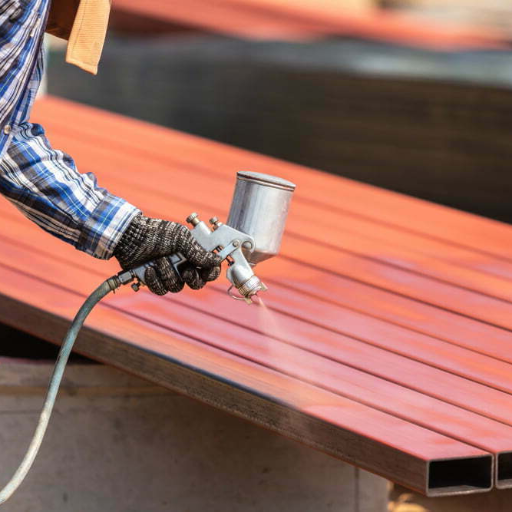
🛡️ Prevention Best Practices
💧 Control Moisture
Moisture is the main culprit of rust formation. Keep surfaces clean and dry to reduce humidity exposure to surfaces.
🛡️ Apply Protective Coatings
A layer of protective coating, like WD-40 or specialized rust inhibitors, will give metal ultimate safeguard against air and moisture.
🏠 Optimize Storage Conditions
Cool, dry areas are best for metal storage. Use dehumidifiers in basements or other areas susceptible to high humidity.
🔍 Regular Inspections
Frequent and planned inspection of metal surfaces should be done for rust detection, treating quickly to prevent corrosion.
☔ Proper Coverage
When not in use, items should be adequately covered or stored to prevent prolonged exposure to rain or water.
Proper Storage Techniques
Proper storage techniques are crucial for preventing damage and preserving items over the long term. Always keep items in a clean, dry place so moisture does not accumulate and cause rust or mold. For items that are very sensitive to humidity or temperature changes, use airtight containers or vacuum-sealed bags. For tools and metal objects, consider placing silica packets or desiccant packs to absorb moisture. Ensure storage areas are well ventilated and organized so items are easy to access and nothing is lost or damaged. If possible, place items above floor level to avoid flooding or dampness.
Regular Maintenance Practices
✅ Maintenance Checklist
- Inspect stored belongings periodically for signs of damage, moisture, or insects
- Clean and dry items before putting them into storage to stop mold or corrosion
- Apply a thin layer of oil on tools and metal objects to prevent rusting
- Rearrange the space every few months to ensure everything is accessible
- Lift items off the floor if necessary to prevent moisture contact
- Maintain good ventilation with adequate air circulation in storage areas
- Use silica packets in containers to control humidity effectively
These practices, when done repeatedly, allow stored items to have longevity and remain in safe condition.
Using Protective Coatings
Protective coatings create a barrier against other impacts, protecting surfaces while preventing damage from water, sunlight, and rust. Usual alternatives include paint, varnish, or specialized sealants, depending on the material being treated.
🎨 Coating Application Process
- Make the surface clean and dry
- Apply the coating evenly with a brush, roller, or spray
- Follow manufacturers’ instructions for drying time
- Conduct continuous checking and redo when required
This will help ensure the coating remains effective and prolong the item’s life.
Reference Sources
-
WD-40 Specialist Rust Remover Soak
- A technical data sheet detailing the effectiveness of WD-40 Specialist Rust Remover Soak for rust removal without damaging surrounding materials.
-
WD-40 | Corrosion and Toxicity
- Discusses WD-40’s properties, including its role in rust prevention and removal, as well as its broader applications.
-
Method for Removing Rust from a Surface
- A patent document discussing methods for rust removal, which can provide comparative insights into WD-40’s effectiveness.
- Online CNC Machining Services
Frequently Asked Questions (FAQs)
❓ Can I use WD-40 to take off surface rust on tools and other hardware?
Certainly, WD-40 (or wd40/wd-40) can remove surface rust from tools, nuts, bolts, and other hardware. It works as a light-penetrating oil and cleaner, thereby loosening rust and lifting rust spots from surfaces. The recommended procedure includes spraying, waiting for penetration for up to a few minutes, scrubbing with a wire brush or abrasive pad, then wiping off or rinsing and drying. Take note that this is mainly a short-term solution and may not be effective for deep pitting or heavily corroded areas.
❓ Will WD-40 eliminate rust spots on chrome and stainless steel?
WD-40 can help remove less severe rust spots on chrome and stainless steel surfaces by loosening the rust’s attachment to the metal. To avoid scratching chrome or delicate stainless steel surfaces, use WD-40 with a gentle pad or fine steel wool. Once treatment is complete, rinse and dry the surface thoroughly, and consider applying a corrosion-prevention or lubrication layer to reduce the risk of recurrence.
❓ Is WD-40 a rust remover or only a rust cleaner and protector?
WD-40 is first and foremost a cleaner, penetrant, and anti-corrosive spray that removes surface rust and provides short-term protection to metal. WD-40 does not chemically convert rust spots into metal nor does it provide lasting protection on corroded metal surfaces. It does remove rust spots and grime, leaving a light protective film. For deep rust, consider mechanical removal, dedicated rust converters, or long-term coatings.
❓ Can I use WD-40 on stainless steel surfaces to remove rust and still rinse it?
Yes, you may use WD-40 on stainless steel to remove rust; however, after cleaning, it is advisable to rinse and wipe the area dry to remove residues, especially if the application will be in contact with food or in high-humidity areas. WD-40 also provides stainless steel cleaner or polish, plus light lubrication or anti-corrosive treatment, for longer-lasting protection.
❓ Will WD-40 take care of rust on painted surfaces without ruining the paint?
WD-40 can help remove some rust and minor surface rust spots on painted surfaces, however, it is good practice to test it on an inconspicuous area first because aggressive scrubbing or soaking for prolonged periods may cause paint to lose adhesion and come off. Apply sparingly, wipe off any loosened rust, rinse if necessary, and touch up where needed. For optimum results, use products specifically made for painted metal when available.
❓ Is using WD-40 providing long-term rust protection or is it just short-term?
WD-40 provides short-term protection by forming a thin, anti-corrosive film and lubricating surfaces, preventing immediate rust formation. For longer-term protection, apply specialized rust inhibitors, paints, or coatings afterward. Regular maintenance and reapplication of protective coatings will help prevent rust on exposed metals.
🎯 Conclusion
WD-40 is a versatile, effective solution for removing light surface rust and preventing further corrosion on metal surfaces. While it excels at loosening rust, penetrating rusted parts, and providing short-term protection, it’s essential to understand its limitations when dealing with heavy or deep-seated rust. For optimal results, use WD-40 as part of a comprehensive rust management strategy that includes proper surface preparation, appropriate application techniques, and follow-up protective measures. When facing severe rust, consider specialized rust removers or converters designed for heavy-duty applications. By combining WD-40’s versatile capabilities with proper maintenance practices, protective coatings, and optimal storage conditions, you can effectively combat rust and extend the life of your tools, equipment, and metal possessions. Remember that prevention is always better than cure—regular inspections, moisture control, and timely applications of protective products will save you time, money, and effort in the long run.


