


Density of Copper: A Comprehensive Guide to Conductivity and Thermal Conductivity
Exploring the Extraordinary Properties of Copper Through Its Density and Applications
Copper is indeed a fantastic element for its excellent electrical conductivity range, and its use spans the gamut from wiring to intricate thermal management systems. To achieve the optimal performance in its electrical conductivity and thermal applications, a deeper understanding of copper, including its internal properties, especially density, is necessary. This comprehensive guide aims to provide an in-depth knowledge of copper density and its significance in energy transfer across various industries.
Introduction to Density
What is Density?
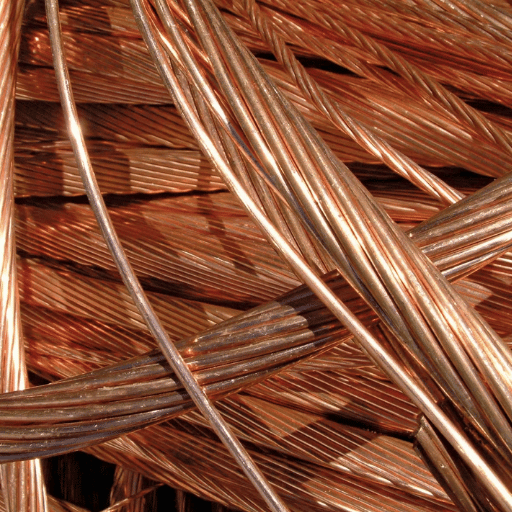
Density, concretely, is the amount of mass contained per unit volume of some given material, usually expressed as g/cm³ or kg/m³. By definition, it describes the basic property of matter, which indicates how compact or dense the substance is for its given size.
This property crucially affects the choice of material for the work; high-density materials, such as copper, will be preferred when high electrical and thermal conductivity are required.
Importance of Density in Industrial Applications
Density serves as a significant parameter across various industries, influencing material selection, design considerations, and functionality requirements:
- Construction: Materials qualify for specific applications based on density considerations of strength and weight
- Engineering: Product design optimization to meet performance criteria, especially in aerospace applications
- Oil & Gas: Density calculations help analyze fluids for extraction and refining processes
- Manufacturing: Resource optimization to achieve desired outcomes
Understanding the Density of Copper
Key Facts
Standard density at room temperature (20°C)
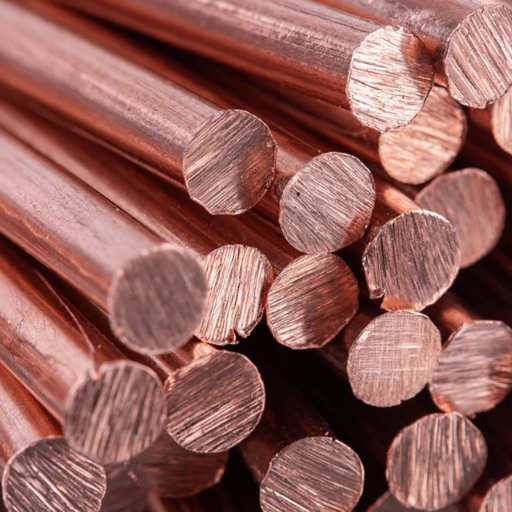
With that huge density, copper ranks as one of those heavier non-precious metals and is, therefore, well-suited for any usage requiring strength, dimensional stability, and conductivity.
Measurement Methods
- Standard Formula: Density = Mass / Volume
- Displacement Method: Immersion in a calibrated cylinder
- Precision Tools: Pycnometers or densitometers
- Temperature Control: Measurements under controlled conditions
Copper Density Compared to Common Metals
Copper’s Atomic Structure and Density
Atomic Weight: 63.55 u
Crystal Structure: Face-centered cubic (FCC)
Molar Volume: ~7.1 cm³/mol
Atomic Radius: ~128 pm
Copper Alloys and Their Density
Impact of Density Changes in Copper Alloys
Lightweight Applications
- Aerospace components
- Automotive parts
- Fuel economy considerations
- Efficiency optimization
Heavy-Duty Applications
- Industrial machinery
- Construction equipment
- Vibration damping
- Structural durability
Applications of Copper in Industry

Electrical Applications
- High-voltage power lines
- Electrical wiring systems
- Electronic components
- Transformer windings
- Electrical connectors
Thermal Applications
- Heat exchangers
- Radiators
- HVAC systems
- Cooling systems
- Industrial machinery
Structural Applications
- Plumbing systems
- Marine hardware
- Architectural elements
- Musical instruments
- Industrial components
Scientific Principles Related to Density

Density-Conductivity Relationship
Copper density is closely related to electrical conductivity. The close-packed atomic lattice, with a density of 8.96 g/cm³, offers very slight resistance to the flow of electrons, thereby allowing high conductivity of approximately 5.96 × 10⁷ S/m at room temperature.
It is the perfect ratio of density to electrical conductivity that places copper above all other metals for high-grade electrical applications, such as electromagnets, transformer windings, and premium circuitry.
Key Specifications
Resistivity: 1.68 × 10⁻⁸ Ωm
Atomic Packing: ~74%
FCC Structure: Face-centered cubic
Atomic Radius: ~128 pm
Frequently Asked Questions
Key Takeaways
Density Specifications
A density value of 8.96 g/cm³ for copper makes it an ideal material for all applications that require a balance of conductivity and structural integrity.
Industrial Versatility
From electrical wiring to thermals, the density recapitulates superior performance in various industrial applications.
Alloy Optimization
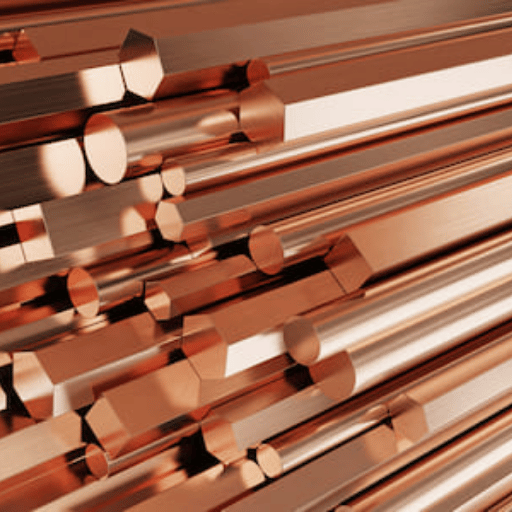
Considering the change in the density of copper alloys, one can make an engineer-led selection of the best materials for a given performance requirement.


