


Acrylic plastic has become in massive demand in various industries, from electronics to automotive, all for its durability, transparency, and versatility. However, precise machining-to-custom acrylic works require special machining techniques apt to the demands of ever-expansive competitive markets. At this very time, CNC acrylic machining comes into the spotlight, allowing the manufacture of any component with the most fantastic accuracy while providing ultimate design flexibility. This post will discuss some unique practices CNC machining can bring to acrylic plastic and describe some cutting-edge production methods for making high-grade custom parts. Whether you’re a manufacturer requiring complex components or a designer looking for aesthetic realization, this will offer insight into the processes and possibilities of CNC acrylic machining.
Acrylic and Its Properties
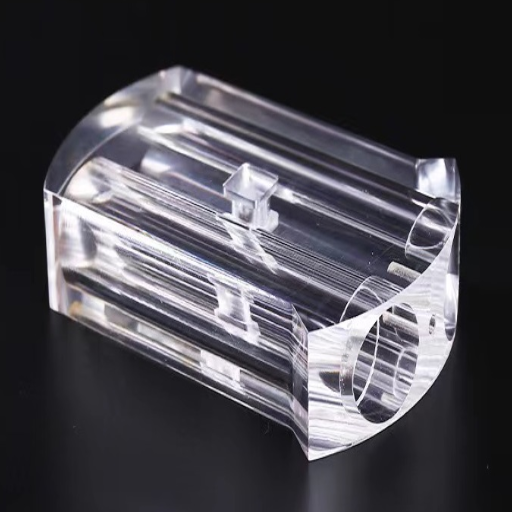
Known as polymethyl methacrylate or PMMA for short, acrylic plastic is incredibly flexible, exhibiting some traits such as clarity, durability, and lightweight. It is highly transparent and transmits almost 92% of the visible light; hence, it is widely used in applications where it can roughly substitute for glass. It is resistant to weathering, UV radiation, and impact, yielding superior performance when used inside or outside. Although it can be welded using several techniques, it is also advantageous in fabrication since it can be precisely cut, drilled, or shaped, making it practical for various industries ranging from signage to medical devices. In addition to these properties, acrylic can be colored with dyes or provided with finishes, thus rewarding creativity on both functional and aesthetic fronts.
What is Acrylic?
This acrylic substance is a transparent thermoplastic and is generally considered one of the best lightweight and shatter-resistant alternatives to glass. The polymerization of methyl methacrylate monomers generates it. They appreciate acrylic’s optical clarity, strength, and versatility, making it useful for anything from automotive parts and aquariums to windows and display cabinets. The recent improvements have enhanced acrylic’s impact resistance and protection from UV rays, thus making it common in every modern industrial use. Being recycled and converted into another product is one powerful reason for the steadily increasing demand for acrylics in eco-friendly manufacturing.
Properties of Acrylic and PMMA
Acrylic, with chemical nomenclature polymethyl methacrylate (PMMA), endows an incredible array of characteristics that place it in the limelight in many industries. The principal properties concern its optical clarity, which allows almost up to 92% of light transmission, making it a suitable substitute for glass. Further, acrylic is lightweight, weighing nearly half as much as glass, while technically being 10 times stronger regarding impact resistance. PMMA also exhibits superior resistance against weathering, remaining fully clear and intact over prolonged exposure to UV radiation and harsh environmental conditions.
Above all, another significant property of this polymer is the ease of fabrication and versatility. It may be molded, cut, drilled, or bonded into complex shapes and designs without losing its integrity in terms of structural strength. Another noteworthy fact is that acrylic is a thermoplastic. This characteristic means that it may be softened when heated; one might then reshape it and reuse it- a practice that goes well with sustainable manufacturing. Therefore, a unique blend of properties makes acrylic and PMMA essential materials in automotive, construction, healthcare, and retail industries.
Applications of Acrylic in Various Industries
- Automotive Industry
Acrylic is used in the automotive industry for light covers, instrument panels, and windshield applications. Its high clarity, coupled with reasonable impact strength, makes these materials highly attractive for tough and aesthetic automotive parts.
- Construction Industry
Acrylic is extensively used in the construction of windows, skylights, and partitions. Lightweight, strong, and resistant to UV rays, it is an alternative to glass in homes and commercial buildings alike.
- Healthcare Industry
Acrylic is used in the health sector for many purposes, including medical and dental instruments and protective barriers in hospitals. It is non-toxic, easily sterilized, and transparent, which makes it acceptable to pharmaceutical standards.
- Retail Industry
Acrylic is probably more suitable for retail displays, signage, and shelving units because its high optical clarity offers a new perspective on products. Its versatility also allows for complex designs that enhance the sleaze of the retail ambiance.
- Aerospace Industry
Acrylic is used in aerospace applications such as aircraft windows, canopies, and interior components. Lightweight and shatter-resistant, these acrylics are best in a high-performance environment where weight and safety considerations are paramount.
CNC Acrylic Machining Services
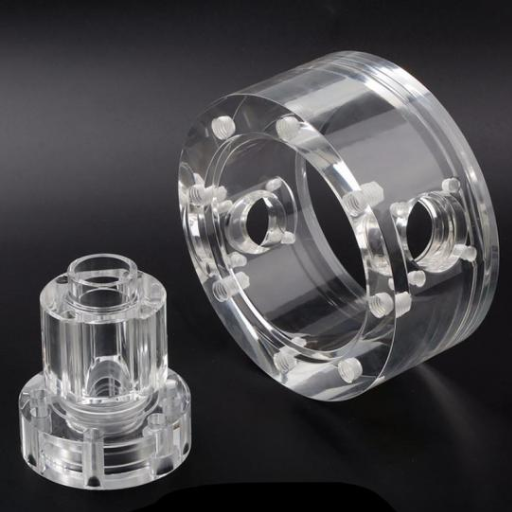
These services for machining acrylic materials craft the product with utmost precision and reliability in maintaining the standards set for various acrylic items. The computer-controlled machinery ensures the cutting, shaping, and finishing of acrylic materials with extreme accuracy. It is most commonly employed to make custom parts in industries such as retail displays, automotive, aerospace, and medical devices. CNC machining assures consistency from one piece to another, along with smooth edges and fine finish, suitable for highly technical designs with intricate requirements.
Overview of CNC Machining Service
In CNC (Computer Numerical Control) machining, pre-programmed computer software controls the movement of tools and machinery. A digital design file coded through CAD (Computer-Aided Design) software is introduced. The file is converted into a series of instructions, which are then followed by the CNC machine to perform the cutting, shaping, and finishing of the raw material in exact detail. Putting into operation the versatility of CNC methods for a broad variety of materials such as metals, plastics, wood, and composites is equally beneficial for prototyping and full production.
Benefits of CNC Acrylic Machining
- High Precision
High-accuracy CNC machining ensures that complicated acrylic components can be manufactured with tight tolerances. Industries like electronics, automobiles, and medical devices genuinely require precision in their specifications.
- Great Surface Finish
CNC machinery can obtain smooth edges, well-polished on acrylic materials, sometimes eliminating the need for further post-processing. Such a finish is apt for products requiring a clear look, like displays or luxury items.
- Flexibility in Design
The CNC machining process can handle complex designs and shapes, making it suitable for manufacturing custom acrylic products. It also allows great freedom for use in both prototyping and production, making it an attractive option for designers and engineers.
- Repeatable Production
CNC acrylic machining produces a result that is not dependent on the number produced. Once the code is written, the mechanics can produce highly intricate designs with excellent replicability. Hence, it can be used for small batch and large batch production.
- Wastage Minimization
CNC machines are very precise, optimizing material utilization while minimizing wastage and thereby cutting costs. This is especially good when dealing with expensive acrylic sheets and contributes to sustainable manufacturing.
Comparison with Traditional Machining Methods
CNC machining offers more precision, automation, and efficiency, while traditional machining involves manual control; thus, it suits small-scale or simple tasks better.
|
Key Point |
CNC Machining |
Traditional |
|---|---|---|
|
Precision |
High |
Moderate |
|
Automation |
Fully automated |
Manual |
|
Speed |
Faster |
Slower |
|
Complexity |
Handles intricate |
Limited |
|
Cost |
High upfront |
Low upfront |
|
Volume |
High-volume |
Small-scale |
|
Skill |
Programming needed |
Operator skill |
|
Consistency |
High |
Variable |
Machining Acrylic Parts
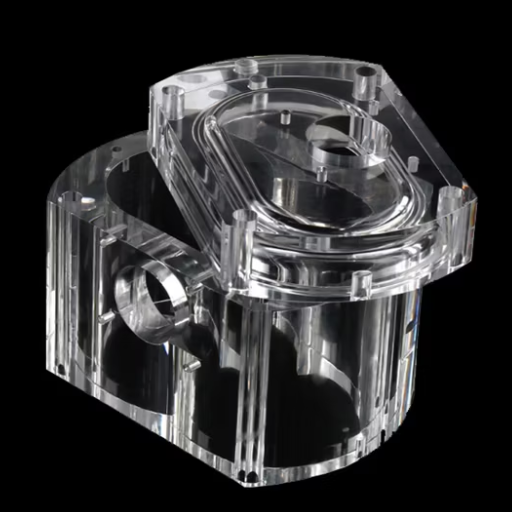
In machining acrylic parts, precision and quality are the necessities that must be ensured. Acrylic is one of the fine materials that can be cut, drilled, or shaped into different forms. Successful acrylic machining depends mostly on sharp tools and the best feed rates so the material does not crack or chip. Rather than cutting oil, air streams may be employed to cool the material, so it is free from distortion caused by heat during machining. Because acrylic is versatile and has a varied setup, it can be machined to a smooth, clean finish ready for engineering-type applications or more decorative uses.
Types of Machined Acrylic Parts
Examples of machined acrylic parts include medical devices, automotive components, lenses, and architectural elements.
|
Key Point |
Examples |
|---|---|
|
Displays |
Signs, showcases |
|
Lenses |
Optical, lighting |
|
Medical |
Incubators, shields |
|
Automotive |
Panels, windshields |
|
Architecture |
Windows, panels |
|
Electronics |
Covers, casings |
|
Custom |
Prototypes, models |
CNC Machined Acrylic Techniques
Machining acrylic by CNC implies highly accurate finishing techniques, giving superior clarity and accuracy to the parts incorporated into the machine. Based on design considerations, milling, turning, and engraving methods are included in the CNC machining of acrylic. Milling involves high-speed cutters that shape complex surfaces, whereas turning may manufacture cylindrical parts with smooth finishes. The acrylic machining companies employ polished cutters and top-class software for precise machining to obtain excellent surface finishes. At times, secondary machining procedures such as flame polishing or buffing will further maximize the material’s transparency and beauty.
Custom Acrylic Fabrication Services
Custom acrylic fabrication services offer made-to-order solutions for practically any application, combining the latest technology with quality materials. These services range from retail and signage to medical and architectural design. This precision CNC router cutting service fabricates precise components, conforming to the specifications unique to a project. From display cases to protective barriers to elaborate decorative elements, custom acrylic fabrication is geared toward maintaining durability, clarity, and workmanship. Thus, Such services are one answer for businesses willing to pursue creativity with dependable solutions.
Common Plastic Materials in Machining

- Acrylic- Used mainly for its clarity and strength, acrylic is perfectly suitable for display cases and signs.
- Polycarbonate- Being tough and impact-resistant, it is a window and barrier protector.
- Nylon- Considered durable and wear-resistant, nylon is usually selected for mechanical parts like gears and bushings.
- PTFE (Teflon)-Has high resistance to heat and a low coefficient of friction, and is best used in seals, gaskets, and bearing applications.
- HDPE (High-Density Polyethylene)-Lightweight and resistant to moisture, HDPE is extensively used for cutting boards, piping, and containers.
Overview of Plastic Materials Used
After achieving versatility, strength, and cost, plastic products have become necessary in industry. Together with polycarbonate, nylon, PTFE, and HDPE, the materials above have multiple uses. For example, polycarbonate is used for safety barriers because it is hard and clear, while systems that require clarity and impact resistance can use optical polycarbonate. In the same way, nylon’s excellent wear resistance ensures that it is used where mechanical components, such as bushings and gears, require durability. Because of its heat resistance and low friction, PTFE is crucial for high-precision seals and bearings. HDPE, on the heavier side, is lighter and cannot tolerate moisture for making pipelines, storage tanks, and food-grade services like cutting boards. These materials show how plastic continues to spearhead innovation, catering to the demands of industries, and building modern-day industries.
Choosing the Right Material for Your Project
Selecting an ideal material for a project involves considering the material’s properties, cost, and adequacy for a particular application. In 2022, the global plastic market was valued at around US$593 billion, with materials such as polyethylene (PE), polypropylene (PP), and polytetrafluoroethylene (PTFE) truly topping the charts in demand in varied sectors.
Evaluate critical factors in choosing, such as durability, thermal resistance, or environmental impact. PTFE might be necessary for an application’s non-stick and high-temperature requirements, such as aerospace or automotive engineering, where precision and reliability are critical. Polypropylene, on the other hand, is widely used in consumer products and packaging industries because it offers moisture resistance and is cost-efficient.
Sustainability-dependent decision-making is currently another factor influencing material selection. Manufacturers are increasingly using recycled plastics or bioplastics to promote environmental consciousness. A 2023 report also says the recycled plastics market is expected to grow with a CAGR of 8.5%, further emphasizing its prominence in finishes manufacturing today.
A sound-check under real-world conditions is a good idea when deciding whether to select a particular material by simulation with material experts. Using tools such as material selection software based on mechanical properties, cost efficiency, and environmental performance might indeed prove helpful in deciding which one is best for your project.
Reference Sources
- Title: FLAW DEFECTION ANALYSE OF THE SURFACE OF ACRYLIC BASE PLASTICS
Authors: V.O. Kurylo, D.M. Korol, M.M. Maliuchenko, A.M. Ramus
Publication Date: June 26, 2024
Summary: This study examines the quality assessment of removable orthopedic devices made from acrylic base plastics by measuring surface smoothness and detecting microscopic defects. The methodology involves comparing standard samples with intentionally defective samples using defectoscopy techniques.
Methodology: Twenty samples of acrylic plastic were selected, half perfectly machined and half intentionally scratched. The samples were analyzed using macrophotography and Image J software to measure surface quality, focusing on defect metrics quantitatively. - Title: To Explore the Effect of Injection Molding Processing Parameters on Crazing in Acrylic Polymers
Authors: Rafiq Ahmed Rafiq, Asim Mushtaq, Saud Hashmi, Sindhia Abbasi
Publication Date: 2022
Summary: This research investigates the impact of various injection molding parameters on the occurrence of crazing in acrylic polymers, explicitly focusing on optimizing conditions to minimize defects in products like motorbike headlight lenses.
Methodology: The study varied holding and injection pressures while keeping other parameters constant. The optimized conditions were tested, and the resulting products were evaluated for crazing and other quality metrics. - Title: Influence of process variables on mechanical properties and material weight of acrylic butadiene styrene parts produced by fused filament fabrication
Authors: S. Dev, R. Srivastava
Publication Date: July 1, 2022
Summary: This paper explores how different process variables affect the mechanical properties and weight of acrylic butadiene styrene (ABS) parts produced through fused filament fabrication (FFF).
Methodology: The authors conducted experiments varying parameters such as temperature, print speed, and layer height. Mechanical testing was performed to evaluate the impact of these variables on the printed parts’ strength and weight. - Top Acrylic Machining Parts Manufacturer And Supplier In China
Frequently Asked Questions (FAQs)
Q: What are acrylic CNC machining services and what are their benefits?
A: Acrylic CNC machining services involve computer-controlled machines to create precise acrylic parts from sheets of acrylic material. These services are highly beneficial for producing complex geometries with tight tolerances. Acrylic, commonly known as PMMA, is an excellent alternative to glass due to its impact resistance and lightweight properties. The precision acrylic CNC machining ensures clean edges and polished parts, making them ideal for display products or light fixtures. Furthermore, these services offer cost-effective solutions for various industrial applications.
Q: How are CNC acrylic parts created, and what materials are used?
A: CNC acrylic parts are created using machining equipment that cuts and shapes acrylic sheets into desired forms based on a CAD file. The material used is often extruded acrylic, known for its excellent machinability and dimensional stability. During the machining process, cutting tools are employed to ensure high precision and minimal tool marks. Acrylic is typically chosen for its optical clarity and ability to transmit light effectively, making it a popular choice in applications requiring visual appeal. The result is a wide range of customized plastic parts that meet specific design requirements.
Q: What are the typical applications for machined acrylic parts?
A: Machined acrylic parts find a variety of applications across different industries. Due to their clarity and aesthetic appeal, they are commonly used in producing enclosures, display products, and light fixtures. Additionally, these parts are often utilized in industrial applications where chemical resistance and durability are crucial. Acrylic’s versatility allows for its use in rods and tubes and in creating intricate designs that enhance appearance and functionality. Overall, CNC-machined acrylic parts are favored for their ability to meet diverse plastic machining needs.
Q: What design tips should I consider when creating CNC-machined parts?
A: When designing CNC machined parts, it’s essential to consider factors such as geometry, material thickness, and the part’s intended use. Utilizing acrylic as a material allows for intricate designs, but it’s essential to account for the machining process to avoid tool marks and maintain clean edges. Incorporating features like rounded corners or fillets can improve strength and aesthetics. Additionally, understanding the capabilities of the CNC machining equipment can help design functional and visually appealing parts. Remember, the right design can significantly enhance the performance and longevity of the final product.
Q: Why is acrylic considered a cost-effective substitute for glass?
A: Acrylic is often regarded as a cost-effective substitute for glass due to several advantageous properties. It is lighter, making it easier to transport and install, while also being impact resistant, which reduces the likelihood of breakage. Furthermore, acrylic has excellent optical clarity, allowing for a transmission of up to 92% of light, similar to glass. The machining of acrylic also tends to be more economical than glass, as it typically requires less finishing work and can be produced in a broader range of colors. These factors combined make acrylic a popular choice in various applications where glass might be traditionally used.


