


Acrylic machining is a craft that requires moderate precision, knowledge, and the right way to get good results. Whether making clear, polished pieces for a professional job or placing experimental designs just for their satisfaction, knowing the correct feeds and speeds is very much required. These factors go a long way in determining the quality of your finished product and minimizing the chances of chipping, cracking, or clouding of the material. This article goes on to discuss some of the basics about acrylic machining feeds and speeds along with some valuable suggestions and expert opinions that will allow you to work smarter and less hard. By the end of the article, your view into the entire process will be much clearer when it comes to finding refinement for smooth cutting, adding efficiency, and rewarding results.
What Are Feeds and Speeds in Acrylic Machining?
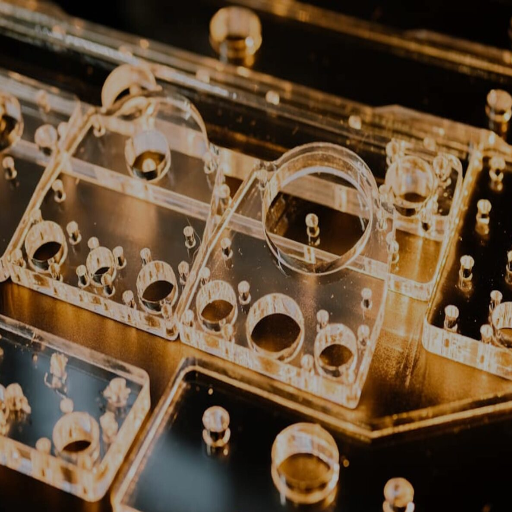
Feeds and speeds in acrylic machining set the rate at which the cutting tool is taken into or through the material (feed rate) and the rotational speed of the cutting tool (spindle speed). Working together, these two factors bestow upon you the sublime art of a smooth, crisp, and clean-cut finish. The very nature of feeds and speeds ensures that the chips are pulled correctly, keeping the germs of heat down, and working against the surface defects such as melting or cracking. One needs to know and hence vary each of these parameters as per the tool used, the thickness of their material, and the finish they intend to obtain.
Definition of feeds
Feed rate refers to the speed at which a cutting tool advances into the machining material. It is usually denoted in inches per minute (IPM) or millimeters per minute (mm/min). The feed rate ensures the machining process’s productivity, surface finish, and tool life. It is always balanced with efficiency and precision, such that the tool removes material effectively without excessive wear or compromising the workpiece’s surface finish. With the help of powerful tools and data, machinists can determine a share rate based on the materials and machining environments to get the best results.
Explanation of speeds
Spindle speed is the rate of rotation of the cutting tool or workpiece, generally expressed in revolutions per minute (RPM). It significantly affects cutting since it influences parameters such as surface finish, thermal generation, and tool performance. Selection of spindle speed is of utmost importance because of its dual effect: A high spindle speed generates too much heat and wears out the tool, while a low spindle speed will fail to cut effectively or may give a poor surface finish. Based on recent data and advanced computational tools, machinists can compute optimal spindle speeds to suit particular materials, cutting tools, and machining operations, thereby attaining precision and efficiency in their production workflows.
How feeds and speeds impact machining performance
Feeds and speeds largely dictate the success of a machining process: feed rate, the distance that the tool travels per revolution or minute of spindle speed; speed, the rotation speed of the cutting tool. They influence surface finish, tool life, and material removal rate. Feeds and speeds will, if good, reduce any occurrences of breakage, overheating, or deformation of the tool or material, while guaranteeing results that maintain a consistent quality. Employing knowledge with current data and guides and advanced computational tools, operators can fine-tune in response to maximize productivity, maintain cost efficiency, and ensure safety throughout machining.
Why Are Feeds and Speeds Important for Acrylic?
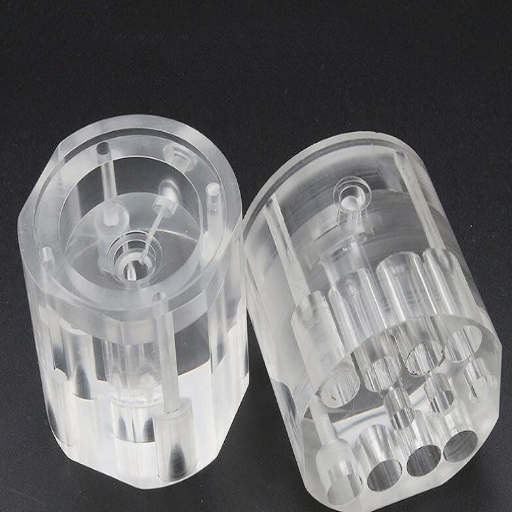
The breakfast of feeds and speeds in machining acrylic ensures smooth, precise finishes and generally preserves the material. The acrylic tends to crack, chip, or melt due to an excessively high feed rate or cutting speed that accounts for the heat buildup during machining. Hence, feeds and speeds determine the edge quality, induce tool wear minimization, and prevent deformation. By working in the right parameter window, operators achieve clean cuts with the least waste and ensure uniformity in the machining phase.
Influence on surface finish quality
An acrylic machining process’s finish quality results from multiple parameters including tool selection, cutting parameters, and surrounding ambiance. The sharpness and geometry of the cutting tool are of great importance. Cutting-edge polishing produces a finished surface with very minimal micro-scratches. It was, for instance, concluded that using a single-flute carbide tool with a cutting speed of 10,000 rpm and a feed rate of 1,500 mm/min will render an extraordinary surface roughness of nearly 0.4 microns Ra.
The other point to consider is the correct choice of spindle speed and feed rate. Unduly high spindle speeds generate heat, which thermally deforms and melts the edges of the acrylic. Maintaining spindle speeds between 8000 and 12,000 RPM and optimizing the feed rates retains surfaces free from such defects and gives a fairly polished finish.
Dust extraction systems combined with high-pressure air assist reduce debris settlement during machining, further enhancing surface quality. Control of environmental factors such as constant temperature and humidity levels will stop the acrylic from warping or distorting during machining.
When given enough thought, balancing these factors with their parameter recommendations backed up by data charts will provide operators with the best surface finish while minimizing defects and ensuring speedy production.
Avoiding thermal damage or material cracking
Thermal damage and cracking have always been the norm when machining acrylic, both stemming from heat produced. Prevention of these issues, therefore, can progressively be upheld by using sharp cutting tools and ensuring the spindle speed and feed rates are adjusted to material thickness and types. For example, maintaining spindle speeds of approximately 18,000 to 24,000 RPM with corresponding feed rates between 0.02 and 0.1 inches per tooth will lessen the heat buildup; this approach is backed up by recent research on polymer machining.
Cooling systems must be efficiently utilized; air or mist cooling systems are suggested for heat dissipation in machining. Maintaining temperatures below the glass transition temperature of acrylic (~160°F or ~71°C) prevents softening, interfering with edge chipping and crack formation.
Besides this, clamping must be done correctly so that stress concentrations will not arise and worsen cracking during cutting. By ensuring that clamping pressure is evenly distributed, internal tensions in the acrylic sheet will also be reduced, thereby decreasing the probability of fractures.
Recently, industry sources confirmed that modern CNC machines can be installed with advanced thermal-monitoring features to detect overheating at an early stage. Then, machining parameters could be changed accordingly during the machining process. This forward-looking approach is necessary to produce good results while ensuring the integrity of the material is maintained.
Maximizing tool lifespan and efficiency
Machining tools can be optimized for life and efficiency through maintenance schemes, compatibility, and usage considerations. Studies also suggest frequent inspection and the appropriate use of cutting fluids can increase tool life by nearly 30%. In addition, cutting fluids reduce heat generation and carry away debris, which would otherwise cause wear on the tool’s cutting edge.
Using the right tool material and appropriate coatings is another critical aspect. For example, carbide tools with TiAlN coating perform better and can last nearly 50% longer in intense cutting environments than similar uncoated tools. Appropriate cutting speeds and feed rates should also be used with these tools. Industry data shows that friction and wear reduction translate to tool life improvement if the cutting speed maintains a specific optimal range. In other words, a cutting speed roughly 10-15% less than the uppermost value recommended for a particular material can significantly enhance tool life with wear over time.
Equipped with real-time monitoring, CNC machine technology is yet another area where significant advances are made in tool preservation. The monitoring software tracks tool wear and signals operators when adjustment or replacement is necessary. Studies show that predictive maintenance with such technologies can reduce unscheduled downtime by 20-40%, and as a consequence, these savings ensure both company performance and cost-effectiveness.
Utilizing these recommendations, manufacturers will optimize tool efficiency and achieve more orderly machining with fewer operational expenses.
Ensuring precision in machining projects
A workpiece with tight tolerance demands highly advanced technology supported by technically skilled operators and high-quality control standards. The modern machining processes are capable of greater accuracy and consistency with CNC machines and real-time monitoring systems. Operators require immense training in reading blueprints, understanding tolerances, and maintaining equipment to ensure the quality of work produced. Inspection of products must also be carried out thoroughly before release, including using devices such as coordinate measuring machines (CMM) to ensure that the products meet the exact specifications. Through such means, the manufacturers can produce products of outstanding quality under tight tolerances and design parameters.
Key Factors Affecting Feeds and Speeds for Acrylic
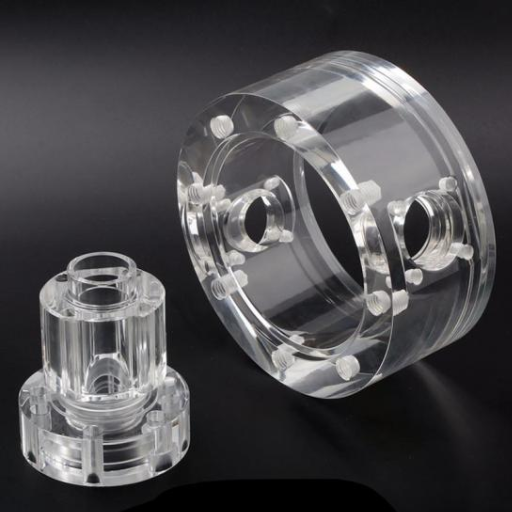
- Material Characteristics: Acrylic, a softer material, melts if undue heat is generated. Proper feeds and speeds avoid heating and retain a smooth finish.
- Tooling: Chipping and inaccurate cuts can be minimized using sharp, quality tools, especially those meant for cutting plastics.
- Cutting Speed: Generally, the higher, the better, but cutting speeds must be balanced against the melting of the acrylic or damaging the surface.
- Feed Rate: Tools should not be overheated, and materials should not be distorted for clean cutting, preferably at a constant and moderate feed rate.
- Cooling Methods: Using air or mist coolants during cutting prevents heat buildup and material degradation.
Optimizing these factors will generate the best recommendations and high-quality acrylic work.
Material properties of acrylic
Acrylic is often known as polymethyl methacrylate (PMMA), a kind of thermoplastic renowned for being lightweight and durable, with excellent optical clarity for the transmission of almost 92% of visible light, which is why it’s such a great alternative to glass. It is relatively weather-resistant and can generally resist prolonged exposure to sunlight without significant yellowing or degradation. This creates a highly versatile plastic that is easy to mold and machine, and its light strength significantly reduces the risk of injury during handling. Its thermal properties allow it to melt at around 320°F (160°C) while providing a good level of heat insulation. These attributes have made acrylic highly favored for use in construction, automotive, and consumer products.
Tool type, size, and coating
Acrylic routing tools consist of single-fluted, double-fluted, and O-flute end mills. Hard materials such as carbide and diamond coatings are used in machining to enter deep pockets.
|
Key Point |
Details |
|---|---|
|
Tool Type |
End mills, drills |
|
Flute Count |
Single, double |
|
Material |
Carbide, diamond |
|
Coating |
PCD, uncoated |
|
Angle |
5° rake, 2° clear |
|
Bit Type |
O-flute, upcut |
|
Feed Rate |
High |
|
Speed (RPM) |
10k-18k |
|
Coolant |
Air, mist |
Machine capabilities and limitations
When applied to potentialities, these machines bring about ultimate precision, very high efficiency, and variations in scale in a particular industry. CNC machines can probably give the highest level of precision in cutting, drilling, and shaping materials, such as acrylic, metals, or composites. Due to the integration of CAD/CAM in them, these machines are very versatile and can handle very complex designs. Moreover, automated features eliminate human errors and enhance production in large-scale manufacturing.
Yet, specific limitations exist even after all these improvements. Generally, machine tools are constrained within their capacity for working with materials since some materials may be too brittle for a machine tool to work on or be susceptible to heat. Maintenance costs can be high, as can operational expenses; thus, one would also need knowledgeable technicians to roll up their sleeves and be involved when something goes wrong. Another limitation is that if the instrument is not calibrated correctly, a slight variation can affect the output quality; these factors should always be pondered when choosing and operating the machinery for a particular work.
Best Practices for Setting Feeds and Speeds
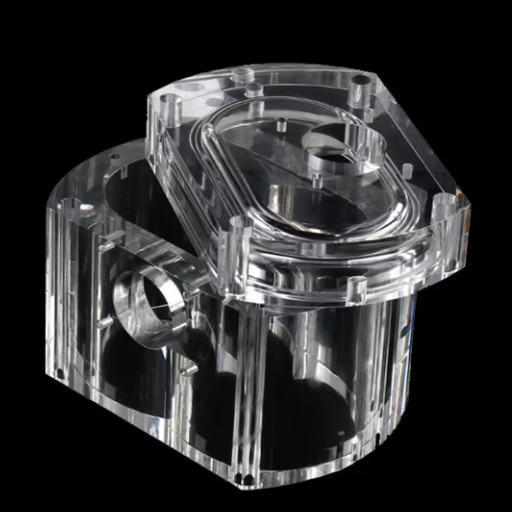
- Understand Material Properties
Always consider the material being machined. Various materials, including metals, plastics, or composites, demand particular feed rates and speed settings for precise work and to avoid damage.
- Refer to the manufacturer’s Recommendations.
Check what the machine and tool manufacturers suggest as product feeds and speeds. The highest feed and speed must guarantee maximum performance and longevity for them.
- Use Conservative Settings Initially
Using lower feeds and speeds to begin with and gradually increasing them afterward is very helpful in reducing the rate of wear on the tool and preventing defects.
- Keep Track of Tool Wear
Keep checking tools for wear or damage. If they are excessively worn, feeds and speeds might have to be adjusted.
- Adjust to Prevent Excessive Heating and Vibration
Excessive heating and vibration during operation indicate that these settings could be further fine-tuned. Help optimize these settings to increase both workpiece integrity and tool life.
- Perform Test Runs
Test passes could always be done on scrap when a new tool or unfamiliar setting is involved, so as not to produce errors.
If these are adopted, tools and machinery can achieve greater efficiency, accuracy, and lifespan.
Starting with the recommended values for acrylic
With acrylics, the perfect parameter settings depend on the equipment used and the thickness and type of material (cast or extruded). Below are some general starting points:
- Laser Cutting
Power Settings: 60-80% of total laser power for cuts; subject to modification depending on the thickness of the material.
Speed: 10-20 mm/s for thicker sheets, and this can be raised for thinner sheets.
Focus: The laser should be perfectly focused. When beams focus properly on the surface, one gets a cleaner edge with minimum melting.
- CNC Routing
Spindle Speed: 18,000 rpm is a good starting point and may vary with the diameter of the tool.
Feed Rate: 800-1,500 mm/min is a good range; slower rates can be used for detailed work.
Tool option: The Best options are single-flute or double-flute cutters explicitly designed for plastics.
- Engraving
Power Settings: 15-30% of laser power should be used to avoid excessive melting or warping.
Speed: The most commonly used speeds for engraving are on the higher side, 200-300 mm/s.
Focus: Fine-tune the focus, especially for the intricate designs.
Using these recommended values, adapted by other adjustments based on equipment specifics and through material testing, gives professional-level results in cutting and engraving acrylic. A good tip is to refer to your machine’s user manual for precision parameters based on its capabilities.
Testing and tweaking for optimal results
When aiming to test and make final adjustments suitable for the best acrylic cut and engraving, one has to take a structured approach to fine-tune settings. Start with more minor test cuts or engravings on a sample piece of the same material. Adjust power, speed, and focus one step at a time and record the results. These steps will lead to the determination of the best working parameters for the specific project at hand. Also, consider what data and techniques have been suggested by well-known experts or within forums, including search engines like Google, to find several new perspectives or avenues for precision and output quality. Keep your machine maintained and calibrated regularly for consistent professional results.
Using coolant or air to reduce heat buildup
Heat buildup can adversely affect equipment performance and service life, especially during machining or high-speed operations. Employing coolant or air for heat management is common across industries. The coolants, usually liquids, absorb and dissipate heat rapidly when applied on the tool or workpiece. For example, some studies indicate that the cooling capacity of certain water-based coolants can reduce tool temperature by as much as 60%, therefore enhancing tool life and cutting accuracy.
Compressed air would give a cleaner alternative if cleanliness and green working conditions are desired. Since air-cooling does an even slightly poor job of heat dissipation compared to liquid coolants, it tends to be used wherever it is essential to maintain dry machining conditions, or where any residue from a liquid might interfere with the product. Therefore, the new developments in the CNC machining realm have tested the misting systems. A fine mist of coolant and air is directed on the cutting zone to achieve better cooling with minimum wastage.
Cooling effectiveness, therefore, depends on the specific machining material and the type of tool used. Continually researching the latest advances in cooling techniques and coolant formulas will keep you abreast of industry changes. Search engines like Google will provide you access to the newest news from authorities, research, and comparative studies of various cooling techniques to help you best because of heat buildup.
Reference Sources
- Title: Impact of Heat Treatment on HSS Cutting Tool (ASTM A600) and Its Behaviour during Machining Of Mild Steel(ASTM A36)
Authors: S. Afolalu, O. P. Abioye, E. Salawu, I. Okokpujie, A. Abioye, O. Omotosho, O. Ajayi
Publication Date: April 19, 2018
Summary: This study focuses on the performance of high-speed steel (HSS) cutting tools during machining operations, discussing the effects of machining parameters, including feeds and speeds, on tool behavior.
Methodology: The authors conducted experiments to evaluate the performance of HSS tools under various machining conditions, including different feed rates and cutting speeds. They analyzed the results to determine the optimal conditions for machining mild steel, which can be extrapolated to acrylic machining. - Title: Mechanical and Thermal Characterization of Nano-Al₂O₃ Fiber-Reinforced Polymer Composites: Fracture Analysis and Performance Evaluation
Authors: Mrs. Aripaka Jyothi
Publication Date: April 12, 2025
Summary: This study investigates the fabrication and characterization of nano-Al₂O₃ fiber-reinforced polymer composites, including their mechanical properties such as hardness, which is relevant for understanding machining parameters.
Methodology: The composites were fabricated using a hand lay-up technique, and mechanical properties were evaluated according to ASTM D638 (tensile), ASTM D790 (flexural), and ASTM D785 (hardness) standards. The study highlights the influence of nano-Al₂O₃ reinforcement on enhancing mechanical performance. -
Top Acrylic Machining Parts Manufacturer And Supplier In China
Frequently Asked Questions (FAQs)
Q: What is the best way to cut acrylic using a CNC router?
A: To cut acrylic using a CNC router effectively, choosing the right router bit and setting appropriate feeds and speeds is essential. A straight flute bit is commonly recommended for cutting acrylic, as it provides clean edges and reduces melting. The cutting depth should be adjusted based on the thickness of the acrylic, with shallower depths for thicker acrylic sheets to avoid excessive heat buildup. Additionally, using a vacuum table can help secure the acrylic piece during cutting, ensuring precision and quality. Always test cuts to achieve optimal results using your specific CNC setup.
Q: How does the thickness of the acrylic affect machining results?
A: The thickness of the acrylic plays a significant role in the machining results achieved during the cutting process. Thicker acrylic sheets may require a slower feed rate and shallower cutting depths to prevent burning and ensure a clean finish. Conversely, cutting thin acrylic sheets may allow for higher speeds but still necessitate careful control to avoid chipping. Understanding the specific acrylic you are working with, whether it is cast acrylic or extruded acrylic, will help in determining the best approach. Properly adjusting the router bit diameter and speed settings can lead to better clarity in acrylic and overall cut quality.
Q: What are the advantages of using a CNC router for cutting acrylic?
A: Using a CNC router for cutting acrylic offers numerous advantages, including precision, repeatability, and the ability to create intricate acrylic designs. CNC technology allows for automated control of the cutting process, which minimizes human error and results in highly accurate acrylic components. Additionally, CNC routers are versatile and can handle various acrylic types, including clear acrylic and colored acrylic. With the ability to optimize feeds and speeds, CNC routers can achieve superior cut quality compared to manual methods. This makes them ideal for producing high-quality acrylic parts for various applications.
Q: How can I achieve optimal results when machining acrylic?
A: Achieving optimal results when machining acrylic involves several key factors, including selecting the right tools and settings. The choice of router bit is crucial; using sharp bits designed for acrylic can significantly impact the finish. It’s also important to set the appropriate feeds and speeds based on the acrylic type and thickness. Maintaining a low cutting temperature and avoiding excessive cutting and chip buildup can help prevent damage to the acrylic. Lastly, ensuring that the acrylic piece is securely held in place, such as with a phenolic vacuum table, will contribute to improved accuracy and cut quality.
Q: What is the difference between cast acrylic and extruded acrylic in CNC machining?
A: Cast acrylic and extruded acrylic differ in their properties and suitability for CNC machining. Cast acrylic is known for its superior clarity and impact resistance, making it ideal for applications requiring high visual quality, such as display cases and signage. It typically machines better, resulting in smoother edges and fewer issues with chipping. On the other hand, extruded acrylic is generally less expensive and easier to work with, but it may not provide the same level of clarity and cut quality. When beginning cutting projects, choosing the right type of acrylic will influence the machining results and overall success of your acrylic projects.


