


Once preferred for almost every industrial purpose, from aerospace to construction, because of its excellent strength-to-weight ratio, corrosion resistance, and versatility, aluminum alloys demand attention among the more common types: 6061 aluminum is among the most highly coveted and perhaps usefully versatile. But what sets 6061 aluminum apart? The article will explore the properties, applications, and specifications associated with this alloy and, in doing so, provide a thorough understanding of why it is so widely used in the industry. This guide will give you vital information to help you in the decision-making process, whether you are a manufacturer trying to determine a material for your next project, an engineer looking for insight into its performance, or someone wanting to learn more about advanced materials. So let us help you understand how 6061 aluminum presents the delicate balance of strength, ability to withstand efforts, and workability for many practical applications.
What is 6061 Aluminum and Its Properties?

6061 aluminum occurs as an all-rounder and is mainly a widely used aluminum alloy in the industry because of various technical properties, primarily corrosion resistance. 6061 aluminum and alloy are composed mostly of aluminum, magnesium, and silicon, which provide strength, weldability, and durability. This alloy is characterized by a good strength-to-weight ratio, which makes it suitable for applications where lightness and structural qualities are essential. The characteristic of heat treatment also improves strength and performance under stress. Thus, it is considered a very adaptive and reliable aluminum alloy mainly used in aerospace, automobile, construction, and marine fields.
What are the mechanical properties of 6061 Aluminium?
6061 aluminum is well known in engineering circles due to its versatility and excellent mechanical properties. Its tensile strength ranges from 35,000 to 45,000 psi, or 240-310 MPa, depending on the temper, while the yield strength is usually between 21,000 and 40,000 psi, or 145-275 MPa. The material can also be rated to have a fatigue strength of around 14,000 psi, or 96 MPa. The Brinell hardness of 6061 aluminum reaches 95 HB, and the shear strength is close to 31,000 psi, or 215 MPa. The elongation at break ranges between 10 and 12 percent for thick sections, which gives it enough ductility required for shaping or bending. The few noteworthy features it combines with are corrosion resistance and thermal conductivity, which make 6061 aluminum fit for purposes in almost all industries.
How does 6061 aluminum alloy compare to other alloys?
No other alloy bestows a balanced suite of properties concerning strength, corrosion resistance, machinability, weldability, and applications. The 6061 aluminum alloy is considered to be among the few that have it.
|
Parameter |
6061 |
7075 |
5052 |
2024 |
|---|---|---|---|---|
|
Strength |
Moderate |
High |
Moderate |
High |
|
Corrosion Resist. |
Good |
Moderate |
Excellent |
Low |
|
Machinability |
Excellent |
Moderate |
Moderate |
Moderate |
|
Weldability |
Excellent |
Poor |
Good |
Poor |
|
Applications |
Versatile |
Aerospace |
Marine |
Aerospace |
|
Cost |
Moderate |
High |
Low |
High |
What is the corrosion resistance of 6061 aluminum?
Good corrosion resistance is afforded by 6061 aluminum, particularly when exposed to atmospheric and marine conditions. This is mainly due to the formation of a hard oxide film on its surface, which prevents further oxidation. The alloy is resistant to corrosion in most environmental conditions, including fresh water, salt water, and mild chemical exposure; it may, however, be subjected to galvanic attack in corrosive environments when in contact with dissimilar metals. Further treatment for improved corrosion resistance includes anodizing, which enhances durability and extends its service life in aggressive applications.**
What are the Applications of 6061 Aluminum?
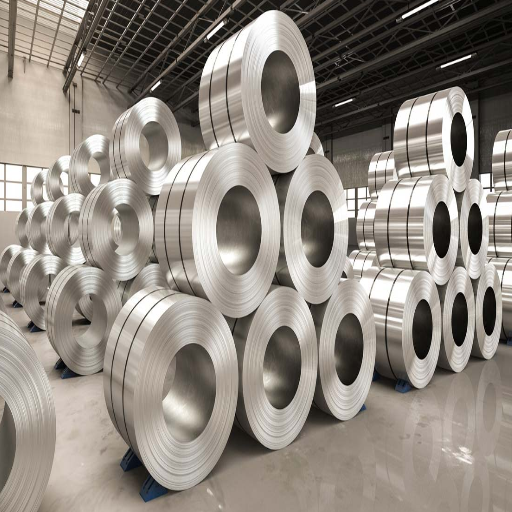
Versatility, strength, and corrosion resistance make 6061 aluminum an inseparable element in almost every industry. Some areas of end use include:
- Aerospace: Lightweight and durable applications in airplane parts, such as wings, fuselages, and other structural members.
- Automobile: Vehicle structures, wheels, and engine parts due to their strength and machinability qualities.
- Construction: For use in structural beams, piping, and roof repairs, as a consideration for a harsh environment.
- Marine: Used for boat hulls, docks, and other watercraft parts against saltwater corrosion.
- Consumer Goods: Used in bicycle frames, sporting equipment, and household articles requiring strength and lightweight features.
- Industrial Applications: Equipment, machinery, and CNC machining for suitability in machining and durability.
These attributes have made 6061 aluminum famous for all the high-performance and everyday applications.
In which industries is 6061 aluminum commonly used?
6061 aluminum is popularly employed in almost every industry based on its one-of-a-kind balance of strength, superior corrosion-resistance, and high versatility. The major industries are:
- Aerospace Industry: Due to its lightweight nature and optimized strength versus weight considerations, 6061 aluminum makes aircraft components, including wings, fuselages, and other structural parts.
- Automobile Industry: 6061 aluminum is used in chassis, wheels, and other structural applications to make cars lighter without compromising durability.
- Construction Industry: Steel is usually an ideal choice, but aluminum is often considered, especially for structural and architectural applications, as it is strong and resistant to environmental changes.
- Marine Field: Its corrosion resistance makes it suitable for boat hulls, masts, and various marine applications exposed to adverse salt nautical environments.
- Electronics Industry: Manufacture of computer hardware, housings, and components that require both durability and heat dissipation.
- Medical Industry: Medical equipment and devices where light-strength combinations are essential.
6061 aluminum’s ability to adapt ensures that it will always be demanded in industries where its properties make it an indispensable material.
What are the typical applications of 6061 aluminum sheet?
The superior 6061 aluminum sheet finds application in many areas because of its high strength-to-weight ratio, corrosion resistance, and machinability. Here are some of its major applications:
- Aerospace Industry: The 6061 is a very common aluminum alloy used to make aircraft wings, fuselages, and structural parts, wherever its low weight and sufficient strength are of primary consideration.
- Automotive Industry: Making car-body sheet panel materials, chassis components, and other parts that need the best possible strength-to-weight ratios to improve performance and fuel consumption.
- Construction Projects: Frequently employed in architectural structures, bridges, and building facades, thanks to its durability and resistance to environmental elements.
- Marine Industry: This alloy’s excellent corrosion-resistant characteristics make it ideal for shipbuilding, boatbuilding, and marine fittings, especially in saltwater scenarios.
- Consumer Goods Industry: Found in products such as bicycle frames, sports equipment, and household items where a balance between strength and weight is essential.
- Electrical Enclosures: Its usage also includes the manufacturing of protective housing and electronic casings since it remains stable in a wide range of temperature ranges.
With its versatility, 6061 aluminum sheet continues to be a material of choice of industries requiring a reliable and high-performance solution.
How is 6061 aluminum plate utilized in automotive parts?
6061 aluminum sheet is found heavily in the car-making business, where the best combination of strength, corrosion resistance, and light weight is required. It is usually applied in structural components such as chassis frames, suspension parts, and engine mounts, wherein weight reduction on the whole vehicle is needed to enhance fuel efficiency and performance. It is also favored for its easy machining and welding properties, so modern cars with complex designs can be produced. Following the growing demand for Electric Vehicles (EVs), this aluminum grade is highly preferred for battery housings and other critical components, which must withstand life while maintaining less weight. These are presently the foundation for the newest activities in automotive manufacturing, where performance and sustainability are equally demanded.
What are the Different Temper Grades of 6061 Aluminum?

6061 aluminum has varying temper grades, which are defined to fulfill specific requirements concerning mechanical properties:
- T6: One of the more common tempers, it involves raising the strength of the material considerably while giving it better corrosion resistance. It is obtained by solution heat treatment followed by artificial aging.
- T651: It is basically the same as T6, but with a slight stress relief to reduce internal stresses; therefore, it is more suitable for precision-machined parts.
- O (Annealed): Fully soft, this temper ensures maximum ductility and workability but lower strength.
- T4: Solution heat-treated, naturally aged; it balances moderate strength and good formability.
- T5: Artificially aged and medium strength, this temper is often applied in extrusions.
Each temper grade shifts the balance of strength against flexibility and workability, enabling applications with varying requirements.
What is the difference between 6061-T6 and 6061-T4?
The tempering process is the fundamental difference between 6061-T4 and 6061-T6: T6 is an artificial solution heat-treated to maximize strength, while T4 is naturally aged and offers better formability but less strength.
|
Parameter |
6061-T6 |
6061-T4 |
|---|---|---|
|
Strength |
High |
Moderate |
|
Formability |
Low |
High |
|
Aging Process |
Artificial |
Natural |
|
Yield Strength |
~276 MPa |
~145 MPa |
|
Tensile Strength |
~310 MPa |
~241 MPa |
|
Hardness |
High |
Moderate |
|
Corrosion Res. |
Excellent |
Good |
|
Applications |
Structural, Marine |
Formed Parts |
What are the features of 6061-T651 temper?
The 6061-T651 temper possesses unique properties, making it suitable for different applications. These properties include:
- High strength-to-weight ratio
The temper possesses strength properties, yet it is a lightweight metal. This makes it preferable in aerospace, automotive, and structural applications.
- Good Resistance to Corrosion
6061-T651 is highly resistant to corrosion, mainly in atmospheric and marine environments, hence aging well within those environments.
- Excellent Machinability
It is among the most machinable aluminum alloys, allowing for a precise and smooth manufacturing process.
- Improved Dimensional Stability
T651 temper lowers residual stresses, giving parts that require close tolerances during machining higher stability.
- Good Weldability
It can be welded by conventional methods without affecting its strength and integrity, providing versatility in the fabrication process.
How does temperature affect the properties of 6061 aluminium?
The temper of 6061 aluminum significantly affects its mechanical properties, such as strength, hardness, and machinability. For instance, the T651 temper improves tensile strength and deformation resistance using a heat treatment and stress relief process, making it an optimum candidate for precise engineering. Other types of tempering, such as T6, pursue a balance of high strength and resistance to corrosion so that the material can be used for structural parts in aerospace and automotive industries. On the other hand, grainier tempers, such as O or F, give more importance to workability or formability. This can be useful in fabricating highly specific or custom designs. Hence, the choice of temper is vital for obtaining the best fit for a 6061 aluminum in a given application.
What are the Specifications and Composition of 6061 Aluminum?
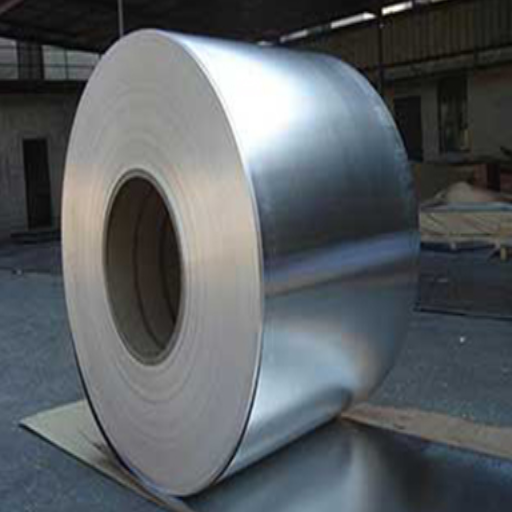
Constituting an extremely versatile alloy possessing excellent mechanical properties and corrosion resistance, aluminum 6061 has the following chemical composition:
- Aluminum (Al): Roughly 97.9% as the base metal
Magnesium (Mg): 0.8 to 1.2%
Silicon (Si): 0.4 to 0.8%
Copper (Cu): 0.15 to 0.40%
Chromium (Cr): 0.04 to 0.35%
Iron (Fe): 0.7% max.
Zinc (Zn): 0.25% max.
Titanium (Ti): 0.15% max.
Other Elements: 0.15% max. - Specification Summary:
Tensile Strength: Approximately 45,000 psi (for T6 temper)
Yield Strength: Around 40,000 psi (for T6 temper)
Elongation at break: About 8-10%
Density: 2.7 g/cm³
Hardness: 95 Brinell hardness (T6 temper)
Given these qualities, it is a popular selection for aerospace, automotive, construction, and marine-related activities that require a trade-off between strength and lightness due to machine strength and durability.
What is the typical composition of 6061 aluminum alloy?
6061 aluminum alloy is predominantly composed of aluminum, with several other elements added to enhance mechanical properties and corrosion resistance. Its usual chemical composition is as follows:
- Aluminum (Al): 95.85% to 98.56%
Magnesium (Mg): 0.8% to 1.2%
Silicon (Si): 0.4% to 0.8%
Iron (Fe): Up to 0.7%
Copper (Cu): 0.15% to 0.4%
Chromium (Cr): 0.04% to 0.35%
Zinc (Zn): Up to 0.25%
Titanium (Ti): Up to 0.15%
Manganese (Mn): Up to 0.15%
The above elements give 6061 aluminum its superb properties with a good balance of strength, corrosion resistance against the atmosphere, and forming properties, making 6061 aluminum one of the most common aluminum alloys used in engineering and industrial applications.**
What specifications should be considered for 6061 aluminum sheet?
Usually, one must consider several parameters and how they relate to the office requirements to ensure optimal performance of the 6061 aluminum sheet:
- Thickness and Dimensions: The sheet’s thickness determines the material’s strength, weight, and appropriateness for specific applications. Standard thicknesses range from the thin foil-like sheets to thick plates.
- Temper Designation: Depending on the mechanical properties required, 6061 aluminum may have to be in different tempers, such as T6 or T651; for instance, the T6 temper can be used for applications requiring less corrosion and high strength, such as structural uses.
- Surface Finish: A certain surface finish may be required for a given purpose; smooth finishes are generally preferred for looks, whereas rough finishes may be acceptable for industrial purposes.
- Alloy Properties: Consider the interaction of strength, corrosion resistance, machinability, and weldability depending on the environment and conditions in which the sheet will be used.
- Certifications and Standards: Look for materials that comply with recognized industry standards, such as ASTM B209 or ISO for aluminum products, as a yardstick for quality and reliability.
- Cost and Availability: The material’s pricing and availability in specific sizes or tempers may sometimes limit its practicality for the project.
In essence, selecting 6061 aluminum sheet specifications requires considering these values against your design or engineering requirements.
Reference Sources
- Authors: Wenshen Tang, Xinqi Yang, C. Tian
- Published: April 13, 2023
- Journal: The International Journal of Advanced Manufacturing Technology
- Key Findings:
- The study investigates how rotation speed affects the interfacial bonding and mechanical properties of Aluminum 6061 produced through friction-based additive manufacturing.
- It was found that optimal rotation speeds enhance bonding quality and mechanical performance.
- Methodology:
- The authors conducted experiments varying rotation speeds and analyzed the resulting mechanical properties and bonding mechanisms.
2. TOPSIS – GRA Approach to Optimize Friction Stir Welded Aluminum 6061 Pipes Parameters
- Authors: Ibrahim Raad S. Sabry, D. Thekkuden, A. Mourad
- Published: February 21, 2022
- Journal: 2022 Advances in Science and Engineering Technology International Conferences (ASET)
- Key Findings:
- This paper presents a hybrid approach combining Grey Relational Analysis (GRA) and Technique for Order of Preference by Similarity to Ideal Solution (TOPSIS) to optimize welding parameters for Aluminum 6061 pipes.
- The optimal parameters identified were a rotational speed of 1800 rpm, a pin diameter of 5 mm, and a travel speed of 20 mm/min.
- Methodology:
- The study utilized Taguchi’s L27 orthogonal array for experimental design and evaluated responses such as tensile strength and hardness.
3. Top Aluminum CNC Machining Parts Manufacturer And Supplier In China
Frequently Asked Questions (FAQs)
Q: What is 6061 aluminum, and what are its key characteristics?
A: 6061 aluminum is a versatile alloy known for its higher strength, good mechanical properties, and excellent weldability. It is commonly used in industrial applications and was developed in 1935. The alloy is available in various forms, including aluminum sheet and plate, and can be cut to size for specific projects.
Q: How does the chemical composition of aluminum 6061 affect its performance?
A: The chemical composition of aluminum 6061 contributes to its strength and durability. It contains silicon and magnesium, which enhance its mechanical properties and make it suitable for general-purpose use in structural applications.
Q: What is the difference between 6061 and 6063 aluminum alloys?
A: While 6061 and 6063 aluminum alloys are popular in industrial applications, 6061 is known for its higher strength and is often used where strength is vital. In contrast, 6063 is typically used for architectural applications due to its superior finishing qualities.
Q: Can 6061 aluminum be customized into specific shapes?
A: Yes, 6061 aluminum can be fabricated into custom shapes through processes such as forging and machining. Many suppliers offer options to create specific profiles according to customer requirements.
Q: What is a 6061 aluminum data sheet, and what information does it provide?
A: A 6061 aluminum data sheet is a technical document that provides essential information about the alloy, including its chemical composition, mechanical properties, heat treatment conditions, and typical applications. This data is crucial for engineers and designers in aluminum design.
Q: How is 6061 aluminum available for purchase, and can it be ordered cut to size?
A: 6061 aluminum can be purchased in various forms, such as sheets and plates, and many suppliers offer the option to order cut to size. This service allows customers to receive materials tailored to their specific project needs.
Q: What is the significance of the T4 temper in 6061 aluminum?
A: The T4 temper indicates that 6061 aluminum has been solution heat-treated and naturally aged to a stable condition. This treatment enhances its strength and makes it suitable for applications requiring good mechanical properties.
Q: Does 6061 aluminum require any special coatings for protection?
A: While 6061 aluminum exhibits good weldability and corrosion resistance, coating can enhance its durability and aesthetic appeal. Standard coatings include anodizing, which increases resistance to corrosion and wear.
Q: What industries commonly use 6061 aluminum sheet and plate?
A: 6061 aluminum sheet and plate are widely used in various industries, including aerospace, automotive, construction, and marine applications. Its good mechanical properties make it a preferred choice for structural components and fabrication projects.


