


Copper alloys have been greatly valued across centuries for their versatility, durability, and workability in a very wide array of industries. Among these, the C210 brass has earned a certain uniqueness and value among engineers, machinists, and manufacturers alike. This guide looks into the deep world of C210 brass, its composition, properties, and uses in CNC machining, of which it is considered to be one of the best. If you are either an experienced professional or interested in knowing what capabilities this distinguished alloy has, this article will aim to give you every insight that will allow you to understand its qualities, applications, and why it is superlatively dependable.
What is C210 Brass and Why Does It Matter?
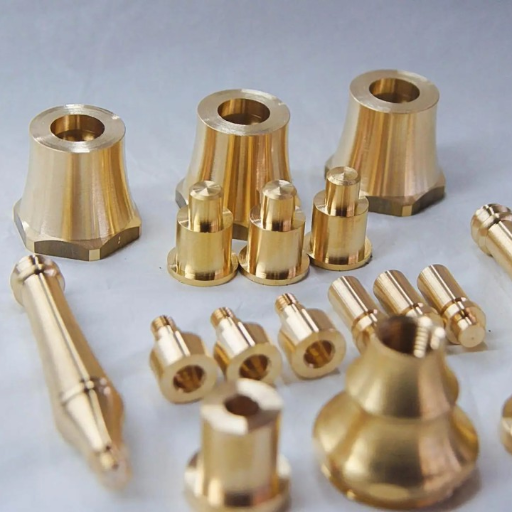
C210 brass, widely known as gilding metal, is a copper-zinc alloy, with copper making up about 90% and zinc taking up the remaining 10%. The higher copper percentage level gives it great corrosion resistance, ductility, and an attractive reddish golden color. This profile of properties lends important industrial uses in fields like decorative hardware, ammunition casings, and intricate machine parts. Its versatility and dependability have earned it the reputation of a classic material for both-working and decorative purposes.
Understanding the Composition of C21000 Alloy
C21000, or gilding metal, is one type of brass with copper and zinc as the main metals sharing their composition, with 89.0% to 91.0% copper, and the balance made by zinc. The high copper content brings with it the belligerent reddish golden-red color and mechanical properties. The alloy can have some traces of lead, iron, or other elements, but these impurities will hardly exceed 0.05%.
The composition of C21000 is so well controlled as to confer maximum corrosion resistance and excellent ductility to the alloy, making it easy to machine and form intricate shapes. Its ductility is combined with excellent thermal and electrical conductivity, making C21000 attractive for electrical connectors, jewelry, and decorative finishes. From tensile strength, this ranges from approximately 220 MPa to 310 MPa, while total elongation would typically be anywhere from 40% to 55%, depending on the means of processing.
On the other hand, considering their behavior at given conditions, C21000 basically maintains its mechanical properties in moderately aggressive environments, acting as a practically resistant coating against wear and tarnishing. Hence, its indisputable combination of the industrial application of appearance and practically C21000.
Some Distinctive Features of the C210: Copper and Zinc Blend
Being a common name given to gilding metal, the C21000 is largely made of copper and zinc. This material is appreciated for super corrosion resistance, medium strength, and good-looking golden color. That durability combined with aesthetic value lets it fit decorative applications, architectural components, and the like. Moreover, C21000 is quite soft, which provides for easy fabrication and forming.
Applications of C210 Brass in Different Industries
C210 brass, also known as Gilding metal, finds some kind of use across many different industries due to its special combination of properties. These are:
- Decorations and Architecture: Its golden hue gives C210 brass the preferred choice for decorations such as jewelry, sculptures, and ornamentals. Corrosion resistance further guarantees durability in outdoor architectural elements like facades, trims, and fittings.
- Manufacture of Ammunition: C210 is widely applied by virtue of its malleability and strength for bullet jacket manufacture. In this regard, the metal provides a cheap material option while retaining sufficient mechanical strength during application.
- Electronics: C210 Brass can be employed with confidence for electrical connectors and terminals due to its good conductivity, while protection against corrosion guarantees an extended service life for components exposed to environmental stresses.
- Automotive Applications: C210 is put to use in automotive interior trims and decorations for aesthetics and function. C210 resists wear and is used in these applications.
- Music: Manufactures high-grade music instruments like cymbals, bells, and brass wind instruments. This also contributes to some of the best acoustic properties for C210 brass.
- Industrial: The C210, being malleable and moderately strong, is used to make a variety of industrial components such as fasteners, washers, and mechanisms that involve repeated forming or shaping.
The recent global market analysis showed a forecast suggested at a CAGR of approximately 4% of brass materials, including C210, from 2023 to 2030, due to increased use in construction, electronics, and consumer goods industries. The versatility and sustainability of C210 brass make it the chosen material in both traditional and cutting-edge applications.
Research into the Mechanical Properties of C210 Brass

The C210 brass presents superior mechanical properties, rendering it useful for a number of applications. Its tensile strength varies from 290 to 540 MPa depending on the temper condition, and it must bear loads smoothly until failure. It also has a reasonable ductility that tends to make forming and shaping easy without breaking, as well as moderately hard and good wear resistance that serves in aging strength in demanding applications.
Moderate Strength and Good Ductility
C210 brass has made a name for itself as a material possessing a medium level of strength with good ductility and the possibilities are quite many for its use in manufacturing. It has tensile strengths of roughly 290 to 540 MPa and yield strengths varying from 110 to 430 MPa, rendering it sufficiently durable and able to withstand various structural and mechanical stresses. The elongations can range from 15% up to 65%, dependent on temper and reflect from the high level of ductility, whereby significant deformation can take place before breaking occurs. Such a combination of strength and flexibility assists in forming, bending, and drawing processes, especially in the automobile, electrical, and architectural industries. Also, these characteristics allow C210 brass to maintain structural integrity without compromising adaptability to intricate designs or custom applications.
Corrosion Resistance: What Makes C210 Unique
The corrosion resistance stands out as one of the greatest characteristics of C210 brass; hence, the material is preferred for application in all sorts of adverse environments. The copper content in C210 is close to 90%, thus giving it a high corrosion resistance capacity to water, humidity, and mild atmospheric conditions. That way, even if C210 is subjected to very harsh environments for extended periods, it will maintain its aesthetic and structural integrity of the alloy.
Recent studies have found C210 to have marvelous corrosion resistance towards dezincification, a form of corrosion where zinc is selectively leached from the alloy, leaving a porous and weakened structure behind. The fairly consistent composition of the alloy together with the microstructure prevents the alloy from being severely affected by this type of corrosion, thereby ensuring extended service life of the alloy in plumbing, marine hardware, and decorative applications.
Furthermore, the laboratory results confirm that tarnishing and discoloration resistance offered by the alloy surpass many other copper alloys. This makes it ideally suited for architectural uses where vital functions and appearance need to be preserved over time. Rust is one of the three main drawbacks of the common steels, whereas C210 brass cannot rust no matter how long it has been exposed to moisture. Therefore, the alloy is an efficient, reliable, and low-maintenance engineering solution that spans across various industries.
Forming and Fabrication in Industrial Practice
C210 brass is famous for excellent formability and ease of fabrication, making it a favored material in different industrial applications. The exceptional ductility of the alloy ensures manufacturers can make complicated shapes without cracking. Such competency is an asset to industries requiring precision components, such as the electronic, automotive, and plumbing systems.
Research shows that C210 brass can be cold-worked satisfactorily by bending, roll-forming, deep drawing, etc., and retains its mechanical strength after deformation. It also has a fairly good machinability rating of about 70 (100 being assigned to a free-cutting brass), which means it can be drilled, milled, and turned effectively.
When heated to high temperatures, C210 brass also responds best to annealing heat treatment and other temperature treatment processes so that manufacturers can tailor its mechanical properties and fit the material to high-performance applications. Coupled with its outstanding wear and corrosion resistance, C210 brass makes for a highly economical alternative for both custom and mass production applications.
Using the formability and fabrication features of C210 brass, industries can be ensured of making reliable, durable, and aesthetically pleasing products, thus making it a truly versatile and all-round material.
How Does One Use C210 Brass in CNC Machining?

C210 brass is a good CNC machining material because it has very good machinability and can be machined to precise specifications, often efficiently. It is machined into such precise items as electrical connectors, ornamental articles, and fittings. Because of its reasonable strength, corrosion resistance, and beauty, it is a material of choice used by the electronics, automotive, and architectural industries.
Advantages of C210 in Precision Machining
C210 Brass has an abundance of merits when it comes to precision machining, making it the top material choice among manufacturers. With high machinability aptitude of utmost 80-90 percent when compared with free-cutting brass, the material gets easily processed, at lesser tool wear and tear. Being advantageous to big production runs helps save time and cuts down on operating costs.
Another big ploy is dimensional stability: C210 guarantees the produced components to meet design specifications that are normally tight in aerospace and medical apparatuses. Also, the C210 can resist corrosion well in harsh environments, which makes the maintenance cost for a machined component lower-disposable as well as replacement.
Data from recent years put the conductivity at around 28% of IACS, which makes C210 brass ideally fit for electrical applications; whereas tensile strength between 44,000 PSI to 58,000 PSI allows this brass to hold for mechanical parts needing strength. Moreover, ease of polishing and plating ensures that these parts perform well and look good all at once. All this makes C210 brass an essential family member in the precision machining in many disciplines.
Setting Suitable Environments for CNC Operations
Operations under CNC fare best in environments that fall under precision, stable, and clean categories. Temperature-controlled facilities are most pertinent to dimensional stability because if an error is detected, it would be attributed to a temperature fluctuation, which causes the materials to first either expand or contract during machining. The choice is best between 68°F and 77°F (20°C to 25°C) when obtaining interface precision.
Beyond this consideration, it is dependent on vibration control. CNC machines must have a level foundation that can guarantee accuracy in high-speed movements. In the act of allowing vibrations, it will sway product alignments and counterfeit quality.
There are other environmental requirements: air quality. Dust particles and other particles in the air would be sticky to some active sensors of the machine or possibly go into their opened air gaps at adults, hindering machines or equipment in the long run of operations. Advanced plants generally put in air cleaners to ensure a clean environment.
Uninterrupted power supply is another consideration of CNC machine running. A power outage ruins production; also, the outage has the potential to damage the machinery or the workpiece. For that reason, many plants would set up some backup power such as UPS to ensure the continued operation.
With this combination of controlled environments and modern systems, CNC operations guarantee to solve optimization problems respecting accuracy, efficiency, and reliability demanded by industries such as aerospace, automotive, and medical manufacturing.
Challenges and Solutions in Machining C210 Brass
Machining of C210 brass, a copper-zinc alloy also called gilding metal, presents certain challenges due to the inherent nature of the alloy and its uses. This includes one problem or another: burr formation during high-speed machining operations. Such situations entail deburring processes and increase production time. Moreover, because C210 brass is soft, if incorrect tooling or machining parameters are employed, it can cause damage or deformation to the tooling. A further challenge is posed by thermal expansion, whereby the high thermal conductivity of the alloy can result in uneven heat dissipation and thus affect dimensional accuracy.
Combating the previously mentioned issues requires the use of proper machining techniques. Cutting tools that resist wear well are those of choice to reduce wear rate, such as carbide and coated tools. High-speed cutting on one hand, along with adequately applied coolant or lubricant on the other, will serve to prevent burrs and dissipate heat. It has been shown that optimized feed rates and cutting speeds when machining C210 brass can reduce tool wear by as much as 30% compared with more conventional cutting methods, thus enhancing tool life and surface finish. Automated deburring can then be implemented, thereby eliminating much of the time used for secondary operations.
By accommodating these challenges with specific solutions, manufacturers would be able to capitalize on the beneficial traits of C210 brass, such as great corrosion resistance and beautiful appearance, to manufacture high-quality items used for anything from decorative pieces to electronic connectors.
Comparison of C210 and Other Brass Alloys
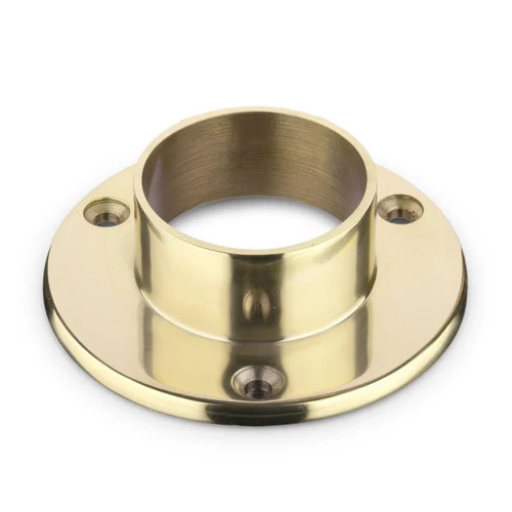
C210 brass, also known as gilding metal, has a copper content of usually 90%, which makes it highly corrosion-resistant and gives it a warm reddish gold tint. It is more workable than some other alloys like C260 (cartridge brass) but has a slightly lower strength. It has lower machinability than C360 (free machining brass), yet C210 is often required in applications where appearance and malleability hold the key, such as in jewelry or decorative items. Each alloy stands apart with some virtues; hence the choice is very much application-specific.
C210 vs. C26000: Which One Should You Choose?
Choosing between C210 (gilding metal) and C26000 (cartridge brass) must be driven by the peculiarities of the application at hand since each alloy offers unique properties suited to different needs.
With a somewhat lower zinc content (~5%), C210 is known to have high ductility, corrosion resistance, and suitability for applications where intricate shapes or deep drawing are involved. The softer composition makes it easier to form; thus, it is commonly used in jewelry, decorative pieces, and even in coinage. C210 tensile strength is generally between 290 and 380 MPa, with elongation values usually greater than 40%, making it an excellent workability specification.
C26000 having about 70% copper and 30% zinc stands out for its comparatively high strength and machinability compared to C210. This makes it better fit for structural and industrial uses where durability is of concern, such as in ammunition casings, automotive parts, and electrical connectors. Tensile strength for C26000 can be said to be within 310 to 515 MPa with elongation averaging 20-30 percent, thus providing a balance between strength and some form of. The increased zinc content also somewhat makes it hard, admiring to the hardness level.
Ultimately, your choice between C210 and C26000 depends on your project requirement. If the consideration is corrosion resistance and the ease of creating complex shapes, then C210 takes the crown. For applications calling for higher strength and bearing capacity, C26000 comes to the fore. Proper understanding of these alloys- mechanical and compositional distinctions should enable manufacturers to improve on performance, cost of production, and on-functionality in the market.
Similarities and Differences with C272 and C464
C272 and C464 differ mainly in composition, corrosion resistance, and mechanical properties but share similarities in industrial applications and workability.
| Parameter | C272 | C464 |
|---|---|---|
| Alloy Type | Brass | Naval Brass |
| Composition | Cu-Zn | Cu-Zn-Sn |
| Corrosion Res. | Moderate | High |
| Strength | Moderate | High |
| Ductility | High | Moderate |
| Applications | General | Marine |
| Cost | Lower | Higher |
When to Use C210 in Preference to Other Copper Alloys
I like to think of using C210 or Gilding Metal when there is some combination of excellent ductility, corrosion resistance, and finish appeal. Its very high ductility gives it an ideal use for designing and forming intricate designs. In addition, its tarnish resistance makes it useful where an appearance is important, including jewelry, decoration, and architectural accents. Furthermore, C210 can be used as a cheaper alternative for applications where high strength or other properties, as in C464, are not required.
Where to Source C210 Brass for Your Needs?
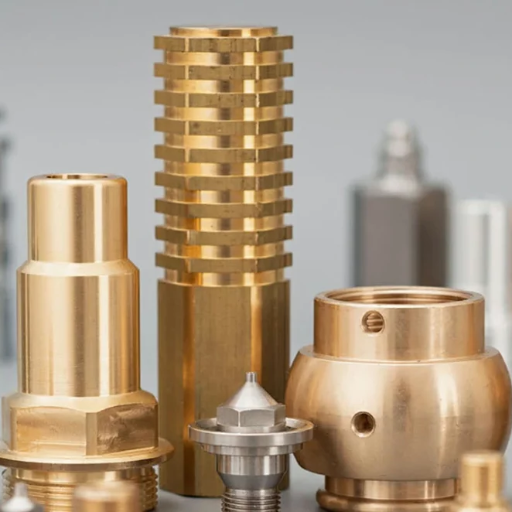
Look toward bona fide metal suppliers or distributors that focus on high-quality alloys for C210 brass. Choose companies possessing a fair track record or those transparent with their pricing. Customer satisfaction is paramount in selecting a supplier. You may want to ask for material certification to deter counterfeit alloys and poor-quality imports. Many producers or suppliers have a web portal, making ordering easy, with timely delivery. Local distributors might also suit you well for smaller quantities or special requirements.
Finding Reliable Suppliers of C21000 Alloy
Reliable suppliers must be sought by means of the C21000 alloy (the trade name of C210 brass) using all means allowed by online resources and verified industry references. Begin with searching on Thomasnet, a well-known internet-based industrial suppliers’ directory, listing numerous verified companies offering the C21000 alloy with detailed profiles and customer reviews. Sites like MatWeb and Metal Supermarkets are good as well because they list information on the properties of the alloy and link the user to potential suppliers.
Reputable suppliers such as Copper Development Association (CDA) affiliates and established companies like Wieland Metal Services or KME Group often maintain a diverse inventory of the C21000 alloy and guarantee its quality by providing certifications to ASTM B36/B36M standards or complying with EN 1653, which certifies the standardized property of the material.
In other words, for some special application, bulk quantities, and custom sizes may be sourced from suppliers willing to provide bespoke solutions for such requests. Large distributors usually have an online configurator where you can state what dimensions and tolerances you are interested in. According to recent statistics, working with local suppliers can cut down lead times by 40% on small orders, whereas worldly distributors are great in catering for great needs with their extended inventory and logistical ability.
While at it, you can also take advantage of online reviews and supplier forums to increase your knowledge of how trustworthy suppliers really are and whether they’re likely to be transparent about pricing, delivery dates, and the support services they provide. Always opt for suppliers who’ve got a proven track record of delivering accurately to orders and exemplary aftersales service so as to smooth out the entire procurement process.
Quality assurance and standards in the production of brass
Quality standards must be considered in brass production to obtain an enduring and satisfactory end product. Their application starts with the acquisition of good quality raw materials, including copper and zinc, which constitute the parent components in a brass alloy. Brass producers work to design the processes to set standards according to international norms, such as ASTM (American Society for Testing and Materials) and ISO 9001, which set stringent standards on composition, mechanical properties, and tolerances.
The processes for manufacture include casting, extrusion, machining, etc., and at each stage, they are monitored, controlled, and optimized by the application of modern technology, such as by automated quality control systems and NDT (Non-Destructive Testing) methods. According to recent research, with the use of AI-oriented inspection systems derived for the brass production lines, defects on the material can be reduced by up to 30% thus improving line efficiency.
Environmental aspects are also considered when quality assurance is considered. Sustainable processes will include recycling scrap metal into another new alloy, a concept that is becoming more accepted among leading brass manufacturers. It is stated that recycling brass saves some 80% of the energy that is required in producing new brass from raw materials and hence goes a long way toward saving on costs as well as ensuring environmental conservation.
Robust quality management systems, regular testing of materials, and processes, as well as compliance with stated industry standards, are some of the vital processes that ensure the production of brass components able to meet the requirements of various applications such as plumbing, electrical apparatus, and automotive parts. This makes certain that all brass products perform well over time and meet consistency and customer requirements.
Pricing and Purchasing Considerations
In assessing the purchase of brass components, it is pertinent to learn about the price dynamics and related considerations. The price for brass is governed by such factors as the unstable prices of the requisite metals-Copper and Zinc-on the world market. In recent market data, Copper averaged about 8000 USD per metric ton, while that of Zinc is almost 2500 USD per metric ton. Any fluctuations in these prices directly affect the price of brass products.
Other than costs associated with making, buyers have to consider costs arising from processing, such as alloying, casting, machining, etc., which depend on the nature and intricacy of the product. Also, purchases made in bulk often attract discounts, which any hefty project can take advantage of.
The other notable consideration with regard to price arises on the quality basis of the item and occasionally with certification standards. Suppliers who work with ISO certified or ASTM certified standards of products will charge more for their items, which basically means their items should produce in the long run with respect to reliability. Buyers can shop around for various prices and compare them so they can find products for their budget and actually fit the quality best for their immediate requirements. For the long haul, contract agreements for supply are able to secure fairly stable prices, which also help for the convenience of continuous supplies.
Other considerations include shipping and logistics-related expenses that could substantially mark up shipping costs for offshore buyers. It is often wise for buyers also to consider delivery cut times and physical means to minimize cost without jeopardizing the delivery of materials.
Reference sources
- Anticorrosion Study for Brass Alloys in Heat Exchangers during Acid Cleaning Using Novel Gemini Surfactants Based on Benzalkonium Tetrafluoroborate
- Authors: A. Ashmawy et al.
- Published: May 20, 2022
- Journal: ACS Omega
- Key Findings:
- The study investigates the corrosion behavior of brass alloys during acid cleaning processes.
- Two novel gemini surfactants were synthesized and tested for their effectiveness in inhibiting corrosion in 1 M HCl.
- The maximum inhibition efficiency reached 96.42% at an inhibitor concentration of 100 ppm.
- Methodology:
- The research employed electrochemical techniques, including potentiodynamic polarization, electrochemical impedance spectroscopy, and electrochemical frequency modulation, to assess the corrosion inhibition performance of the surfactants(Ashmawy et al., 2022, pp. 17849–17860).
- Investigation of tensile properties of PLA–brass composite using FDM
- Authors: S. K. Selvamani et al.
- Published: February 12, 2022
- Journal: Progress in Additive Manufacturing
- Key Findings:
- This study explores the tensile properties of polylactic acid (PLA) composites reinforced with brass.
- The results indicate that the addition of brass improves the mechanical properties of the PLA composite.
- Methodology:
- The research utilized Fused Deposition Modeling (FDM) for the fabrication of the composites and conducted tensile tests to evaluate their mechanical performance(Selvamani et al., 2022, pp. 839–851).
- On the function of lead (Pb) in machining brass alloys
- Authors: J. Johansson et al.
- Published: February 16, 2022
- Journal: The International Journal of Advanced Manufacturing Technology
- Key Findings:
- The study investigates the role of lead in enhancing the machinability of brass alloys.
- It was found that lead promotes discontinuous chip formation, which reduces cutting forces and friction during machining.
- Methodology:
- The research involved various experimental techniques, including infrared temperature measurement, electron microscopy, and secondary ion mass spectroscopy, to analyze the effects of lead on machining characteristics(Johansson et al., 2022, pp. 7263–7275).
- Top Brass CNC Machining Parts Manufacturer and Supplier in China
Frequently Asked Questions (FAQs)
Q: What constitutes C210 Brass?
A: C210 Brass, a copper-zinc alloy, is Loskey due to its excellent metallic properties and consists of copper and zinc as its major constituents.
Q: Why is C210 Brass called red brass?
A: Being cherished for its handsome reddish color, this particular alloy is commonly known as red brass, which is conferred by its high copper content.
Q: What are the applications of C210 Brass?
A: Applications of this brass require plumbing fixtures, electrical components, valves, and radiators since it resists corrosion to some extent while being workable.
Q: Is C210 Brass good to be used in harsh conditions?
A: C210 Brass exhibits superb corrosion resistance under harsh conditions, like exposure to moisture, making it an ideal choice for such working conditions.
Q: Is C210 Brass good for machining?
A: Yes. C210 Brass is well known for its very fine machinability; therefore, it can be used for machining and free-machining work.
Q: Why are automotive and industrial uses prime fields of application for C210 Brass?
A: Automotive and industrial uses are prime fields of application for C210 Brass because of excellent hot forging properties and resistance to friction.
Q: How is C210 Brass different from other alloys such as C377 or C385?
A: C210 Brass belongs to a class of copper-zinc alloys that include C377, C385, and others, which are well known for their corrosion resistance and machinability. While the latter colors are generally brassy golden-yellow and hence are commercially designated as commercial brass, however, C210 is more valuable for its red color and particular uses.
Q: Can brass C210 be used in medals?
A: Yes, it can be used for medals, which are C210 Brass due to its good appearance and durability.
Q: Is C210 Brass used for fixture?
A: The answer is yes- it can be used for fixtures, and applications where corrosion resistance is required, and the materials of which are expected to be harsh.
Q: What are the advantages of C210 Brass in plumbing?
A: Advantages of C210 Brass in plumbing, inter alia, include corrosion resistance, good durability, machinability, and suitability for plumbing fixtures.


