


The manufacture industries witnessed a major overhaul when CNC milling machines came into existence, offering the greatest degree of preciseness and efficiency. Among these machines, the 3-axis CNC milling machine stands ahead in importance primarily because of its versatility that fits essentially any job that may arise from Colin varying from simple cuts to complex designs. So, what exactly makes these machines so essential in the present-day industries? This blog investigates the capabilities, advantages, and challenges of 3-axis CNC milling machines and describes their primary features and how they can improve production workflows. For the manufacturing professional or merely technology-interested, this article will uncover the potential of 3-axis CNC milling and provide key information concerning their place in the present era of innovation.
What Is a 3-Axis CNC Machine, and How Does It Work?
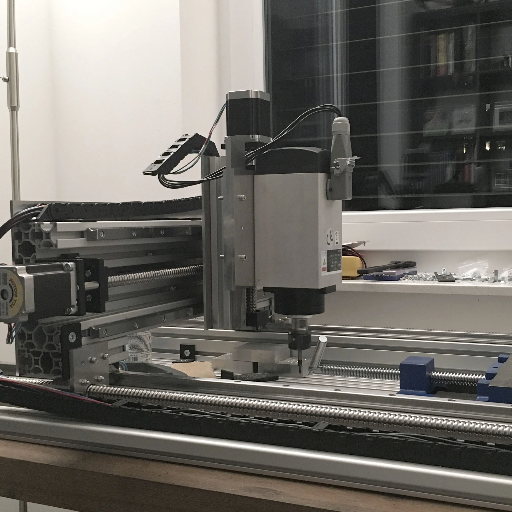
A 3-axis CNC machine is basically a computer-aided machine-tool operating along three main axes—X (horizontal), Y (vertical) and Z (depth). With such axes, the machine may accurately cut, drill, or shape materials such as metals, plastics, or woods. The CNC machine reads the pre-programmed design or instructions that guide the motion of the cutting tool across the respective axes. This simple and unembellished arrangement is useful for parts that are flat or relatively simple, thus the machine remains one of the most versatile machines in many manufacturing applications.
CNC Milling Machine Operations
CNC milling machines operate through a series of highly precise processes involving the coordination between the hardware, software, and programs prepared by the experts. These machines start by interpreting the CAD-CAM file, which is convertible to a CNC format called G-code. The G-code then becomes the instructions for the CNC, commanding that the tools follow a path, the cutting speed, feed rate, and depth of cuts so as to actualize the product dimensions expected.
One of the operations of CNC Milling is using several tools of varied cutting actions for drilling, slotting, contouring, or finishing. The tools can rotate at very high speeds, some machines having even been recorded to reach speeds of about 50,000 RPM, thus precise cutting of materials such as titanium or plastic is a reality. By far more complex design is possible using multi-axis CNC milling machines, for example, 4- or 5-axis CNC milling machines, allowing the tool to approach the material from different angles.
The efficiency and accuracy of CNC milling machines are often measured in terms of tolerances and repeatability. Most modern CNC machines today have tolerances to plus or minus 0.001 inches, or even better, which is consistent enough despite being in huge production quantity. These machines’ ability to auto-change tools while executing operations has resulted in improved productivity as instrument change-time is utterly reduced.
In-line with current market trends, CNC milling sees a rise in prominence of automated monitoring systems and the integration of the Internet of Things. The sensors help in keeping track of machine performance and tool wear, in addition to environmental parameters, including vibration or temperature, to offer real-time optimization and predictive maintenance. This kind of evolution has transformed CNC milling operations into something even faster, smarter, and more efficient, responding to the demands of today’s manufacturing industries.”
The Spindle and it’s Function in a 3-Axis CNC Machine
In any 3-axis CNC machine, the spindle would act as the most vital unit and the prime mover behind the cutting or machining process. It is in the holding of the cutting tool and rotating it at high speed for the removal of material in a controlled manner. The precision, speed, and quality of the operation depend in large measure on the characteristics of the spindle; hence it holds paramount importance in CNC milling.
Modern spindles found in 3-axis CNCs embrace further developments along variable speed control, high torque output, and thermal stability. Depending on the job and materials processed, spindle speeds range from 5,000 RPM to well over 30,000 RPM. A typical example would be that high speeds are used for aluminium and plastics, whereas lower speeds and higher torque are applied for hard materials like steel and titanium.
The current development in which spindles fitted with real-time monitoring sensors have gained application is very popular. The sensors monitor vibrations, temperature, and rotary instability, warning the operator when an anomaly is occurring that could damage either the machine or the workpiece. Statistical data indicate that such spindle monitoring enables predictive maintainability that reduces downtime by 25 % and increases spindle life by 15 %.
Increasing reliability of the spindle is also ensured by some advanced cooling techniques such as liquid cooling, which keeps the temperature constant even during lengthy machining operations. This enables continuous precision, which is highly demanded in an environment characterized by enormous production.
The spindle is the heart of machining in a 3-axis CNC, consequently providing power, precision, and flexibility-interpolating across different industries-from aerospace to automobile. Thanks to the advancement in spindle technology, manufacturers prefer greater throughput, reduced wastages, and better machining output.
Dispatching movement and precision via the controller
The controller in a 3-axis CNC machine holds the key in synchronizing movements and providing position maintainability during the machining process. Acting as the machine’s brain, it translates G-code programming to describe the movement of the X, Y, and Z axes, the speed of the spindle and tooling path. It works with unfailing precision in controlling this movement in order to execute designs almost exactly as described.
Modern CNC controllers use various algorithms and feedback systems along with high-resolution encoders to achieve micrometer accuracy. For example, in closed-loop systems, feedback from position sensors is used to correct any deviation in the machining process instantly contributing to better precision and error reduction. Studies have shown that some of the most modern CNC controllers can achieve a positioning accuracy of about ±0.001 mm, which makes them extremely useful for industries requiring ultra-fine tolerance calibrations, such as aerospace engineering and medical device manufacturing.
Besides that, the motion control mechanisms of the controller utilize acceleration/deceleration profiles and jerk-limited trajectories, which reduce the forces that may compromise machining stability. There is also a provision for the dynamic monitoring of toolpaths and automatic adjustment of feed rates to optimize cutting conditions jointly, ensuring that maximum efficiency is reached while making compromises in speed and precision. The recent generations of controllers are AI and machine learning-based, which predicted maintenance and optimization of parameters of the machining process.
By combining sophisticated software and hardware capabilities, CNC controllers allow manufacturers to realize complex designs to a fine quality level, giving rise to breakthroughs in many areas.
How does a 3-axis cnc milling compare to other machines?

Being one of the most common types of CNC machines, the 3-axis CNC milling center is ideal for simple to moderately complex jobs. It travels in three directions (X, Y, and Z), basically moving in a linear direction to cut and shape materials. The 3-axis machines are less expensive and easier to run compared with the more advanced designs, like 4-axis or 5-axis, but it has its limitations when it comes to dealing with complex designs or parts that require rotation or angling. That way, a 3-axis CNC milling machine is good at drilling, milling, and basic sculpting; thus, it is suitable for many standard manufacturing applications.
Differences between 3-axis and 5-axis cnc milling
3-axis and 5-axis CNC milling differ in terms of axis movement, complexity, precision, efficiency, versatility, and the ability to manufacture intricate parts.
| Key Point | 3-Axis | 5-Axis |
|---|---|---|
| Axis Movement | X, Y, Z | X, Y, Z + 2 Rotational |
| Complexity | Basic | Advanced |
| Precision | Moderate | High |
| Efficiency | Slower | Faster |
| Versatility | Limited | High |
| Intricate Parts | No | Yes |
| Cost | Lower | Higher |
Advantages of using a 3-axis machine over traditional methods
- Improved Accuracy: A 3-axis machine offers a more or less consistent cutting operation, and this makes manual machining methods better. For the product to be outstanding in its finish, the process has to be carried out with a lot of accuracy.
- Faster Production: Most machining operations can be carried out using very fast movements of the machine tools and this reduces production time significantly under a manufacturing environment.
- Cost-Effectiveness: Operational costs are kept minimal as it requires little manual working compared to the conventional method, thus minimizing expense on the cost of manual labor while wasting less materials.
- Ease of Use: The simpler set up and operation for the 3-axis CNC machining center makes it readily accepted for most standard applications.
- Versatile for General Tasks: It can meet the requirements of all sorts of general manufacturing needs, making it a trusted solution toward less-complex parts.
Exploring the Axis-Z and its Importance with respect to Milling
The z-axis is definitely important to milling because it defines the vertical movement of the cutting tool so that operations such as drilling, pocketing, and contouring can be undertaken. While the x and y axes are responsible for horizontal positioning of the cutting tool perpendicular to the work surface, the z-axis gives height and depth of cuts, giving another dimension for making complex and detailed designs. The correct control of the z-axis ensures proper material removal without overcutting or damage to the tool. The advancement and development of CNC machining have helped increase the ability of z-axis machining; thus, multi-depth machining and machining of complex 3-D patterns have become possible and are widely used in manufacturing process. Therefore, a good understanding of z-axis motion and its optimization is most important for the achievement of better-quality outputs in the milling industry.
What Are the Key Components of a 3-Axis CNC Machine?
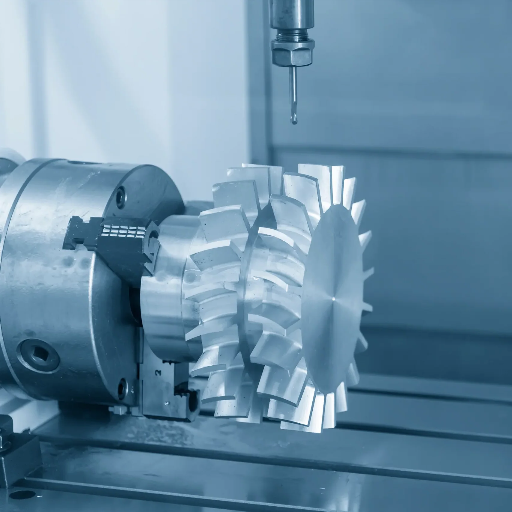
- X, Y, and Z Axes: Three movements are performed by the machine. The X-axis moves horizontally from left to right, the Y-axis covers front-to-back movement, and the Z-axis performs vertical up-and-down movement.
- Spindle: The spindle holds the cutting tool and rotates it during the machining process.
Control System: The software and hardware used to program, control, and monitor the operations of a machining process. - Work Table: The platform where an item is clamped down tightly during the process.
Drive System: The motors and mechanisms that allow the machine to move accurately along the X, Y, and Z axes.
The Importance of XYZ Axes in Machining
In machining, the XYZ axes are imperative as they control the tool movements necessary for CNC machining. These axes are the foundation of CNC systems, imparting very high accuracy and repeatability in making intricate designs.
- X-Axis (Horizontal Movement): This axis controls the horizontal side-to-side movement of the cutting tool, or occasionally the workpiece itself. The X-axis is vital for facing and contouring operations. Modern CNC machines control the X-axis movement with sub-micron accuracy, thus providing great care to detail in production.
- Y-Axis (Front-to-Back Movement): The Y-axis allows front-and-back movement and often performs in conjunction with the X-axis. This makes it possible to shape the workpiece multi-dimensionally, tolerance generally being within ±0.002 inches, depending on the machine and the materials in question.
- Z-Axis (Vertical Movement): The Z-axis considers the up and down movement of the cutting tool that is indispensable for boring, drilling, and milling operations. Advanced systems have feedback-based intelligent control to keep the tool depth within a deviation of just a few microns.
Hence, the integration of all three axes covers the full range of movement, allowing the manufacture of simple as well as complex geometry. Recent reports suggest modern 3-axis CNC machines can perform machinations up to 20,000 RPM, varying with the combination of materials and tooling. Furthermore, the modern multi-axis machines (like 5-axis CNC machines) exist on top of these three principal axes to provide rotational dynamics for the more demanding processes.
Using these axes in modern machining yields better results when it comes to production efficiency, surface finishing, and reduction of material wastages. This has made the use of precise axes critically important to aerospace, automotive, and medical device industries, where specifications require tight tolerances up to ±0.0005 inch. Continuous CNC advancement aims at enhancing the reliability and productivity of machining systems, and hence, modern machinery places massive significance on the three XYZ axes.
The Importance of the Cutting Tool in Achieving Precision
The cutting tool is central to achieving the degree of precision demanded of modern manufacturing. High-performance cutting tools are designed to deliver dimensional accuracy, surface finishes, and tool life that directly impact the final product. In recent times, industries utilizing advanced cutting tool materials such as polycrystalline diamond (PCD) or ceramic tools have recorded a 30% improvement in machining accuracy compared to conventional high-speed steel (HSS) tools.
Tool geometry is another important factor in precision. Features such as rake angle, clearance angle, and cutting edge design are optimized to reduce vibration and maintain consistent engagement with the workpiece, thus minimizing variations in part dimensions. In addition, developments of coated cutting tools, like those that use titanium aluminum nitride (TiAlN) coatings to improve heat resistance by 50%, have facilitated high-speed machining without compromising precision.
In recent years, sensor-enabled tools have taken precision machining up another notch by tracking temperature, wear, and interaction with the surface in real-time, applying adjustments that stop errors from happening. Manufacturers who have adopted such innovations have experienced a 20-25% drop in defective parts, showing great promise for cutting tools to work alongside advanced machining systems.
Ultimately, the selection, maintenance, and application of cutting tools are just as important as the axes and the machinery. With ongoing research and new technologies, cutting tools are evolving into sophisticated enablers of precision, enhancing efficiency and outcomes across industries.
Maintaining Proper Torque for Optimal Performance
Maintaining torque for optimum performance is vital in machining and industrial processes, as the major parameter directly influencing the precise performance, effectiveness, and longevity of cutting tools and machines. Incorrect torque specifications jeopardize the safety of machines and persons operating them. They may cause poor force on clamping, decrease tool life, and, even worse, can lead to accidents and equipment damage.
Studies have shown that about 30% of tool failure cases originated due to poor torque application. Since then, manufacturers have moved to the adoption of more sophisticated torque wrenches in monitoring systems with digital displays to provide real-time feedback. These tools guarantee that the torque will be adjusted properly even when different conditions are applied with assurance.
For enhanced accuracy, regular tightening calibration ought to be enforced, following industry standards such as ISO 6789, which states the calibration of torque tools for consistent results. For instance, the implementation of proper torque management standards gave 15% tool life increase and 10% reduction in machine downtime in production sites.
Best practice includes the following: operators adhere to manufacturers’ torque specifications; use of calibrated tools; periodic inspections of the machinery for signs of wear affecting torque performance. Prioritizing the proper settings of torque will ensure that industries will increase their production rates, at less cost, and even safer.
How can the 3-axis machining milling system improve manufacturing processes?
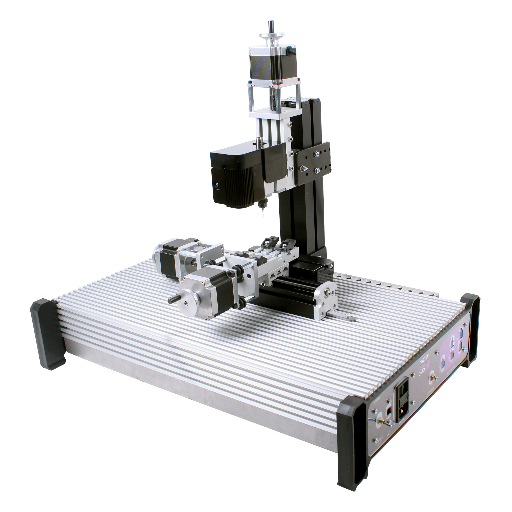
The 3-axis machining milling system improves manufacturing processes by accurate and speedy removal of the material to make complex geometries with high precision. The 3-axis machining milling improves productivity by automating production lines, which reduce manual operations and produce consistent results. The method also holds conjointly with different materials allowing it to be adaptive in different fields. Thus processing can be streamlined with a 3-axis milling system, while maintaining quality and reliability.
Manufacturing Processes Are Streamlined with Automation
Automation has now dominated manufacturing processes by joining advanced technologies to decrease human interventions while increasing efficiency and scale. According to recent market research, the global industrial automation market is anticipated to reach $306.2 billion by the end of 2027, at a CAGR of 9.2% during 2020-2027. The surge is buoyed by the enhancements in the fields of robotics, AI, and machine learning to bring precision and convenience to production workflows.
Robotic Process Automation speeds up the assembly, quality check, and packaging work, which is quite repetitive, with an unparallel level of speed and accuracy. Cobots, for example, can collaborate and work alongside human operators under regard to safety while making themselves adaptable to complex manufacturing needs. Moreover, IIoT-enabled devices help collect and analyze data in real-time for predictive maintenance and reduction of downtime. Predictive maintenance powered by automation can cut equipment downtime by 50 percent and also by 10-40 percent in maintenance costs.
In turn, this has helped companies save a colossal amount of money while simultaneously reducing errors. Automated systems deliver consistent results of high quality while speeding up production. For example, automation in additive manufacturing has improved the 3D printing processes to increasingly fast prototyping and production on-demand at a much lower cost. Therefore, automation is definitely providing manufacturers with an ability to innovate, make a name for themselves in productivity, and hence stay afloat in a highly complex market landscape.
Improving Tolerance Levels in Complex Geometry
The assessment from advanced automation technologies in manufacturing has always improvised the tolerance levels when dealing with complex geometry. Precision and accuracy are fundamental in producing intricately designed components as demanded by industries like aerospace, automotive, and medical devices. Traditional means of manufacture struggle with tight tolerances that would otherwise work into expensive errors and wastage of material. Yet with the new frontier in CNC machining, robotics, and additive manufacturing in place, it is now possible.
For example, 3D printing technologies such as DMLS and EBM can maintain tolerances as tight as ±0.1mm for metallic parts, leaving little room for error. Research from the industry also suggests that automated milling machines controlled by AI algorithms can now achieve surface finishes at 0.4 microns, thus ensuring smoothness and impeccability. Integrated inspection systems such as CMMs are also playing a critical role by mapping production parameters to design specifications in real time through feedback loops.
With these improvements, the quality of parts with complex geographies will be elevated while simultaneously incurring lower maintenance costs and yielding products that have longer life lifespans and better performances in end-user applications. Automation-assisted manufacturing is now enabling the breakthrough from traditional limitations in tolerances toward a more efficient and cost-responsive alternative.
Incorporating CNC Machining Centers for High-Efficiency
From my experience, having CNC machining centers incorporated into the production process has proved to be highly valuable for achieving high levels of efficiency. These machines automate precision operations, thereby eliminating chances of errors and reducing manual intervention. This streamlining not only reduces production time but also guarantees consistency in the manufacture of intricate parts, making it vital in modern-day high-demand environments.
Challenges and Solutions in the 3-Axis Milling Operation
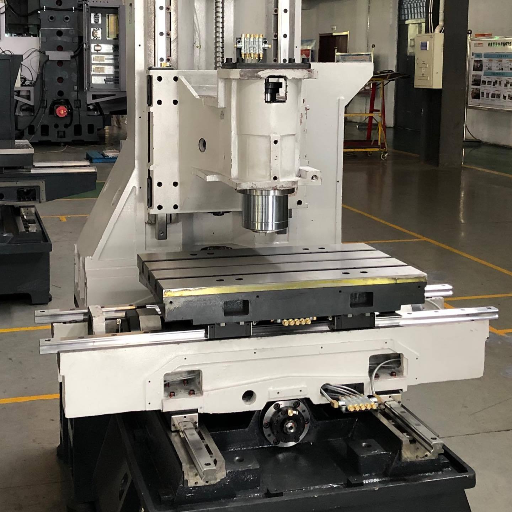
Challenges:
- Tool Deflection: Longer tools and heavier cuts cause bending of the tool, giving rise to errors.
- Material Hardness: Hard materials tend to wear down tools faster, which means finishing operations are short-lived.
- Limited Access to Geometry: Mild undercuts or deep pocketing cannot be done with 3-axis machines without difficulty.
- Surface Finish Quality: Surface finishing has to be done further for a better finish.
Solutions:
- Use short tools with an effective strategy of toolpaths to avoid deflection.
- Choose a right tool and coating for dealing with harder materials.
- Re-design the component with 3-axis machining in mind, or use other machining strategies.
- Change feed rate, cutting speed, and coolant flow if necessary to obtain a better finish.
Workshop of Tool Wear and Tear
In the matters of tool wear and tear, the overall machining efficiency and quality of the finished part are severely compromised. To minimize this, one can employ solutions such as:
- Inspect and Maintain Tools Regularly: Always check tools frequently for signs of wear and tear to ensure replacement before deterioration affects performance.
- Use Quality Tools: Buy tools made of hard coatings and materials that resist environments bearing heavy stress during cutting.
- Optimize Cutting Parameters: Slow down your cutting speeds and feed rates if wear and tear are too severe and generate heat that actually worsens faster wear rates.
- Ensure Proper Use of Coolants: Make certain that a sufficient amount of coolant is applied so as to minimize friction and heat buildup in order to maximize tool life.
Improving the Machine Uptime
Maximizing the uptime of a machine forms the bedrock of productivity and keeps operational efficiency in any manufacturing or machining environment. The measures that aid in achieving this goal include:
- Set up a Program for Predictive Maintenance: Take advantage of real-time data and condition monitoring technologies to predict when equipment is about to breakdown. According to a report by Deloitte in 2023, predictive maintenance can reduce the frequency of breakage by 70% and cut down maintenance costs by 25%. Activities such as vibration analysis and thermal imaging provide valuable insights to avoid unexpected downtime.
- Implement Automation and IoT Systems: Smart sensors and Internet of Things (IoT) are now becoming the front-line defenders for machine monitoring and early warnings of downtimes before they become critical. After all, bringing IoT platforms together with machine learning allows automated control to dynamically adjust operational parameters for consistent performance, thereby diminishing unplanned outages.
- Provide Consistent and Structured Training to Operators: Avoiding mishaps that lead to equipment breakdown is the only way well-trained operators can help. As indicated in a study by the Manufacturing Institute, about 23% of downtime is actually due to operator errors. Hence, money spent in training ensures they are well versed in machine operations, their troubleshooting, and latest safety practices.
- Operate Within Rated Limits: In consideration of leading to wear and tear, a machine should operate within its specifications. Overloading and running in critical modes would really shorten the working life of important items. Always check with the manufacturer’s guidelines on the optimum operating parameters.
- Proactive Warranty Parts Management: Maintain an inventory of critical spare parts that can be replaced fast to limit downtime during maintenance. According to a survey by Plant Engineering, 46% of manufacturing companies have faced delays in repairing machines due to unavailability of spare parts, highlighting the importance of well-thought-out inventory procedures.
By combining the use of hi-tech equipment, a well-trained workforce, and consistent maintenance practices, businesses can guarantee enhanced machine uptime that leads to higher productivity and profitability.
Machining Process Optimization for Better Results
Machining process optimization is a requirement for an improvement in efficiency, reduction in wastage, and quality guarantee of production outputs. Introduction of newer technologies like CNC machining into manufacturing has transformed the face of industries, all with precise and consistent operations. Recent market analysis done by Mordor Intelligence reveals that the CNC market is forecasted to grow at a CAGR of 7.2% between 2023 and 2028, an encouraging indicator of industries’ adoption of CNC.
Automation holds the key to optimization of processes. For instance, use robotic technologies for material handling and/or assembly operations to reduce human error and increase production time at a great deal. In addition, using predictive analytics and IoT sensors provide real-time machine performance monitoring, allowing for timely intervention to prevent breakdowns. McKinsey & Company suggests that IoT-enabled processes can reduce unplanned downtime by up to 50%, beyond doubt meaning substantial cost savings and great operational efficiency.
Material efficiency works hand in hand with optimization. With the use of advance cutting tools designed for durability and high performance, one can increase the reduction of material wastage and consistent production results. The CAD/CAM system also serves as the software solution that allows a better design as well as the simulation of the production process, thus ensuring optimization of production processes before they enter the physical stage.
Preparation for the best results would ask any organization to train its workforce deeply. The idea that advanced machinery management at its best output comes from a skilled workforce operating also ensures operational safety. Combining modern technology and operator training will minimize machining operations and keep businesses competitive in the fast-paced economy.
Reference sources
- Simulation and Optimization of 3 Axis CNC Milling Machine Structure
- Authors: Ramcy Saah Stubblefield, Xiaodong Zhang
- Published In: International Journal of Engineering and Science Invention
- Publication Date: September 1, 2024
- Citation: (Stubblefield & Zhang, 2024)
- Summary:
- This paper presents a comprehensive design and modeling of a 3-axis Numerical Control (NC) machine tool using SolidWorks, a well-known CAD program.
- Key Findings:
- The study emphasizes the importance of machine rigidity and natural frequency in reducing vibrations during machining, which can lead to better surface finishes and longer tool life.
- It highlights the integration of mechanical and electronic components to ensure effective coordination between movements and control inputs.
- Methodology:
- 3D modeling of machine components was performed using SolidWorks.
- Finite Element Analysis (FEA) was conducted using Abaqus to assess structural integrity and stiffness under machining forces.
- Design and Fabrication of 3-axis CNC Milling Machine Using Additive Manufacturing
- Authors: J. Kumar et al.
- Published In: Materials Today: Proceedings
- Publication Date: September 1, 2022
- Citation: (Kumar et al., 2022)
- Summary:
- This study focuses on the design and fabrication of a 3-axis CNC milling machine utilizing additive manufacturing techniques.
- Key Findings:
- The paper discusses the advantages of using additive manufacturing for creating complex geometries in CNC machine components.
- It also addresses the potential for reducing material waste and improving production efficiency.
- Methodology:
- The design process involved CAD modeling and simulation to optimize the machine’s structure for performance and manufacturability.
- Point-by-point Prediction of Cutting Force in 3-axis CNC Milling Machines Through Voxel Framework in Digital Manufacturing
- Authors: O. Yousefian et al.
- Published In: Journal of Intelligent Manufacturing
- Publication Date: August 27, 2018
- Citation: (Yousefian et al., 2018, pp. 215–226)
- Summary:
- This paper presents a digital approach to predict cutting forces during machining operations in 3-axis CNC milling.
- Key Findings:
- The study demonstrates that the voxel framework can accurately predict cutting forces, which is crucial for optimizing machining parameters and improving tool life.
- Methodology:
- The authors developed a voxel-based model to simulate the cutting process and validate predictions against experimental data.
Frequently Asked Questions (FAQs)
Q: What is a 3-axis CNC milling machine?
A: A 3-axis CNC milling machine is any computer-controlled tool for cutting and shaping material with extraordinary precision. It has movements on three axes, X, Y, and Z, corresponding to a direction in three-dimensional space, so many materials can be machined on it.
Q: How does a 3-axis CNC router differ from a 5-axis CNC machine?
A: Mostly, the difference lies in the number of axes upon which a machine operates. A 3-axis machine traverses three axes: X, Y, and Z, and a 5-axis machine has two more axes to offer more complex and flexible machining operations, such as rotating the part or the tool on the A-axis and C-axis.
Q: What are the advantages of using a 3-axis CNC machining center?
A: Some advantages of a 3-axis CNC machining center include material versatility; simplicity is a benefit for 2D and 2?D operations; and cheaper for less complicated jobs. It works well for most drilling, engraving, and milling operations.
Q: Can a 3-axis CNC machine engrave materials?
A: Yes, a 3-axis CNC machine can engrave materials. They are frequently used for 3-axis CNC engraving jobs where precision and detail are paramount.
Q: What is the role of Z-axis in 3-axis CNC milling?
A: The Z-axis controls the vertical movement of the cutter in 3-axis CNC milling. It can drive the cutter down into the material to drill or cut, or up and down to control the depth of the machining process.
Q: How does the stepper motor work in the CNC 3-axis machine?
A: Stepper motors in a 3-axis CNC machine control the movement of the axes by converting electrical pulses into mechanical movements that are precisely measured. It ensures the precise positioning of the cutter during machining operations.
Q: What is a benchtop CNC machine? How does it compare with bigger machines?
A: A benchtop CNC machine is a smaller, compact, and portable version of a CNC milling machine. It’s perfect for small projects and enthusiasts. It offers the same capabilities but is limited in material handling due to its size.
Q: What material(s) are workable on a 3-axis CNC milling machine?
A: A 3-axis CNC milling machine can work on huge varieties of materials ranging from metals, such as aluminum and steel, down to plastics, wood, and composites. It depends on the cutter and the abilities of the machine with regard to the material chosen.
Q: What is 4-axis CNC machining, and how does it help with machining?
A: In four-axis CNC machining, an additional axis of rotation (A-axis) is added to a standard 3-axis setup. This allows working with more complex geometries and can boost machining capabilities by enabling features to be machined on multiple sides of a part without repositioning.
Q: How does the rotation axis improve the functionality of CNC machines?
A: The rotation axis, or fourth axis, rotates the parts during machining and provides access to different angles and finishes on the parts without viewing and manually repositioning them. This creates greater efficiency and the reduction of cycle time on complex machining.


