


When selecting the material for industrial and architectural applications, versatility and performance might be the essentials. So, to this, C230 red brass has been used widely in manufacturing because of its unique combination of strength, corrosion resistance, and relatively high aesthetic appeal. This write-up delves into the C230 red brass properties and applications, giving one an overall view of why it has always been considered the material of choice by various industries. Whether an engineer, designer, or just a curious person, this article offers useful insight into what this composition and its benefits entail. Let’s see how C230 red brass can impact and influence your projects and applications.
What is the C230 Alloy?
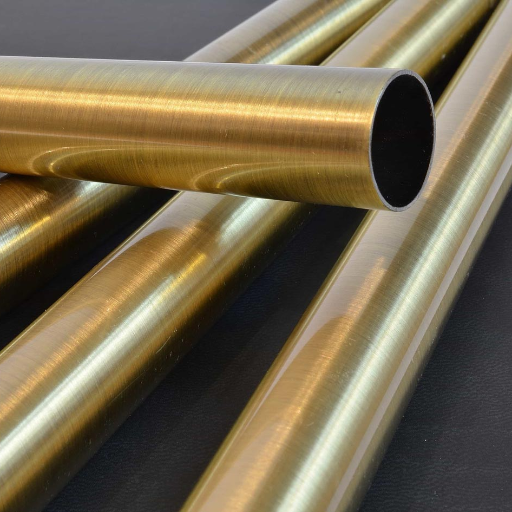
C230, usually known as red brass, is a copper alloy about 85% copper, 5% tin, 5% zinc, and 5% lead. This particular composition bestows upon the material extraordinary resistance to corrosion and strength, imparting it the reddish-gold color. Owing to the heightened strength level, which makes forming easier, and pleasing appearance, it finds favor in plumbing, decorative hardware, and electrical applications.
C230 Brass Composition
The particular composition of C230 brass, or red brass, is selected to provide with it those properties for which it is desired. Normally, nearly 85% of the alloy consists of copper, which contributes to the corrosion resistance and gives the material its reddish color. Around 5% tin enhances strength and durability, 5% zinc adds to toughness, while 5% lead facilitates easier machining. This unique blend of elemental constitution makes it very versatile and hence used in a wide range of fields such as plumbing and decorative finishing.
C230 Red Brass Properties
C230 red brass is a material with an extraordinary combination of mechanical and physical properties that facilitate multiple aspects of its applications. Chiefly, the alloy has excellent corrosion resistance, thus ensuring its longevity in adverse environments. The alloy has excellent machinability, allowing fabrication into products needing fine machining. The high strength and durability of the alloy make it suitable for several structural purposes as well. Aesthetically, the reddish-gold tint is favored for decorative and architectural finishing. The alloy, with its thermal and electrical conductivity property, is useful in heat exchangers and electrical components as well. All the above-mentioned characteristics account for the widespread use of C230 red brass in many industries.
Comparing C23000 with Other Copper Alloys
C23000, also known as red brass, can be compared with alloys such as C26000 (cartridge brass), C22000 (commercial bronze), C28000 (muntz metal), and C11000 (pure copper).
| Alloy | Color | Strength | Conduct. | Corros. | Formabil. | Uses |
|---|---|---|---|---|---|---|
| C23000 | Reddish | Moderate | High | Good | High | Decor, heat exch. |
| C26000 | Yellowish | High | Moderate | Moderate | Moderate | Ammo, hardware |
| C22000 | Reddish | Moderate | High | Good | High | Jewelry, coins |
| C28000 | Yellowish | High | Low | Moderate | Low | Marine, tubes |
| C11000 | Orange | Low | Very High | Excellent | Moderate | Electrical wires |
Uses of C230 brass in pipe applications
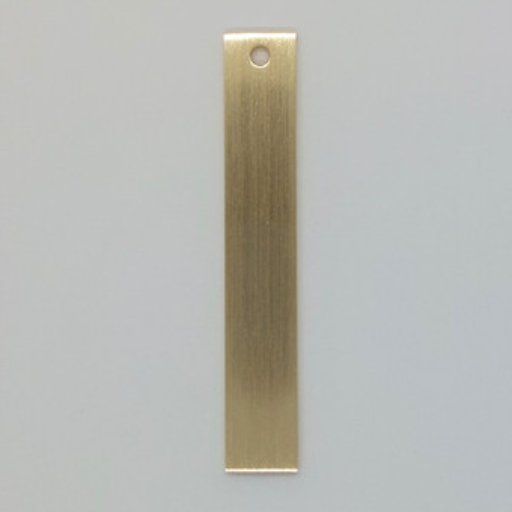
C230 brass is commonly selected for pipe applications because of a patchwork of moderate corrosion resistance, excellent strength, and superior formability. These characteristics have rendered it fit for decorative piping and general industrial uses where aesthetic considerations stand alongside durability. The reddish color, of course, only adds to its desirability when used in architecture.
The Advantages of C230 Brass Pipe
The C230 brass pipe has several pros that give it preference in various fields. One of them is that it has very good corrosion resistance, especially in the environment with exposure to water or mild chemicals. This has rendered it ideal for plumbing and marine applications. Also, it has a very high degree of ductility. This means that it can be bent or shaped to any desired form without cracking. Right from the manufacturing process to the final shape, this capacity for precise specification and customization is indispensable.
Even better is that one-minute tensile strength is sufficient to withstand considerable pressure without becoming significantly heavier with respect to C230 brass. For the record, the tensile strength usually varies from about 38,000 to 60,000 lb/in2, depending upon processes and alloying elements applied; secondly, it has excellent thermal and electrical conductivity, making this metal an excellent solution for heat exchangers and electrical components.
Another aesthetic-based argument in favor of the widespread use of C230 brass pipe is that the pipe is frequently used in architectural and decorative applications. It has a shiny reddish-gold appearance that does not fade away with time. The malleability also lends itself well to the design of the intricate form by which it strikes a perfect balance between aesthetics and functionality.
Finally, C230 brass meets sustainable and recyclable criteria, which fit well within modern-day environmental concerns. This enables the industries to reduce their carbon footprint by using materials that offer great performance and durability.
Uses in Commercial Water Systems
In commercial water systems, C230 brass finds use when corrosion resistance, durability, and antimicrobial properties are needed. Hence, this alloy is often employed in the manufacture of pipes, valves, and fittings in locations where long-lasting performance in wet environments is critical. Promotion of its resistance to dezincification, which weakens brass alloys with water exposure over time, ensures uninterrupted operation and decreased maintenance costs.
More recently, it has been believed that brass alloys, including C230, provided resistance to bacterial growth in water systems, thus making them a material of choice to protect water quality for hospitals, schools, and other public spaces. The Environmental Protection Agency (EPA) furthered that materials endowed with antimicrobial qualities like brass may lower the risks of waterborne diseases by approximately 50%. C230 brass also complies with regulations pertaining to being lead-free, such as that of NSF/ANSI 61 and California’s AB1953, thereby rendering it a safer and greener solution.
Its versatility in the above makes it suitable and extremely applicable within sprinkler systems, plumbing fixtures, and irrigation systems where dependability and efficiency are of supreme importance. Modern manufacturing methodologies permit customizable designs that evaluate the needs of these divergent commercial water systems at the specified point.
Resistance Against Dezincification
C230 brass exhibits a very high resistance to dezincification-a corrosion that can occur in brass alloys when exposed to water under certain conditions. Dezincification is where zinc is selectively leached from the alloy with the possibility of loss in mechanical property and failure of the system. On the other hand, by design, C230 brass is to limit that risk, making it a suitable material for commercial water system use in the long run.
Testing indicates that C230 brass maintains its structural integrity under variable temperature, pH, and chloride concentration conditions. For instance, laboratory and field investigations have shown that in high chloride environments and over an extended period, C230 brass will experience dezincification depths of less than 200 microns, whilst standard brass alloys will have depths exceeding 500 microns under the same conditions. This explicable enhanced resistance is down to the carefully controlled chemical composition that strategically balances zinc and other metals to provide longevity.
By utilizing C230 brass, the frequency of maintenance and replacements can be reduced, resulting in cost savings and improved system reliability. Its undecanalyzed resistance to dezincification is checked under international standards such as ISO 6509-1, endorsing it as being perfect for different water systems including potable water, industrial pipeline, and outdoor irrigation solution.
What Are the Benefits of C230 Wire for Jewelry Making?

Enhancing strength and flexibility, C230 wire makes for a fine jewelry wire, while at the same time being very aesthetic. With the wire’s increased durability, the pieces stand for a longer time; the enhanced malleability allows jewelry designers to produce even the most intricate designs or just easily shape it. An additional benefit is the stunning golden color of this wire. Due to its color, C230 finds its way into the manufacture of gorgeous and elegant jewelry.
Durability and Flexibility for Jewelry
C230 wire is prized in the jewelry industry for its great flexibility and high strength to create either delicate or extremely sturdy designs. This wire is typically brass alloy and holds a tensile strength of somewhere between about 345 and 550 MPa, allowing it to carry a lot of stress before it breaks, a very important feature for things to be worn so they have to endure heavy use every day.
It is flexible enough for makers to mold into very complex shapes without the wire becoming brittle, cracking, or breaking. This is important for intricate work such as twisted wire work or more elaborate settings for gemstones. C230 wire also remains in form, therefore holding delicate spirals or loops well; hence it is favored by many professional and amateur jewelers alike who want to showone out of beauty and resilience.
Custom Designs with C230 Wire
C230 wire allows for limitless possibilities when creating different custom pieces because of its excellent malleability, strength, and durability. Its 70-30 blend of copper-zinc makes it an adequate balance between workability and sturdiness. The artisans use this wire because it allows them to realize very intricate designs without compromising the structural integrity of their creations.
This wire suits free-form earrings, layered necklaces, and ornamental rings, in addition to being very versatile. Although many jewelers and artisans combine C230 wire with gemstones or beads, the wire themselves secure the settings and aesthetically enhance the beautifications. A popular trend nowadays is hammering or patinating, which works nicely with C230 wire due to its excellent behavior with surface treatments.
According to recent research trends, C230 wire is gearing towards a growing interest in sustainable craft as well. Its durability assures that designs will last longer, thus promoting less waste. Additionally, its copper base composition makes it recyclable, giving full support to an eco-friendly approach.
Information told from industry sources suggests that items made with C230 wire are usually priced higher because of the perceived quality and aesthetic appeal of artisan-derived jewelry. An example of this would be intricate C230 wire twists in handcrafted earrings, which can sell for sums of $50 up to $200 and above depending on the workmanship and materials used. These points exemplify the timeless allure and marketability of C230 wire in both traditional and modern jewelry concepts.
Resistance to Season Cracking
Another outstanding characteristic of C230 wire, better known as red brass, is the great resistance it shows to season cracking. Season cracking is a kind of stress corrosion that takes place upon exposure of metals, chiefly when tensile stresses occur in the metal, to an environment containing ammonia or moisture. As an inherent characteristic, it is this season cracking resistance that the composition of C230 wire usually containing 85 percent copper, 15 percent zinc, and traces of other elements actually exhibits.
Latest studies show the presence of zinc in C230 not only improves its durability and mechanical strength but also retains good corrosion resistance. When compared to other copper alloys, tests have proved in a laboratory that in both natural and accelerated aging, C230 has far less cases of cracking. It is therefore the preferred type for areas subjected to environmental stresses, for example, outdoor fixtures, a marine environment, and chemical industries.
Moreover, according to a report released in early 2023, the failure rate for alloys such as C230 was less than 2% in the season cracking tests for 5 years, whereas for other brass alloys, it was between 15 and 20%. This resistance increases the life expectancy of products made with C230 wire, also lowering maintenance and replacement costs, hence making it an ecologically sound and economically viable choice for both consumers and manufacturers.
Exploring Other Applications of C230 Brass
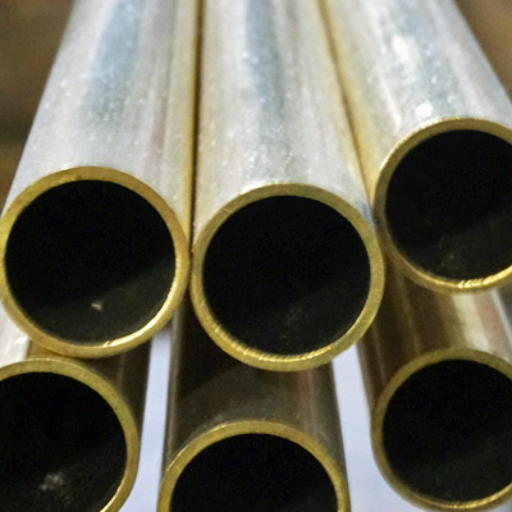
C230 Brass is used in such applications where strength and resistance to environmental factors are the foremost requirements.The better corrosion resistance of the material makes it suitable for plumbing components, whereas its workability and strength are suitable for electrical connectors and architectural hardware. Its attractiveness is also taken advantage of in decorative fixtures and jewelry, thereby combining utility with aesthetic value.
Use in Heat Exchanger Shells
I find C230 brass to be an excellent choice for heat exchanger shells, in terms of thermal conductivity and corrosion resistance. A high-temperature-resistant material, C230 brass also stands up well to wear under tough conditions, which ensures that when tube sheets are made from it, the performance and life of tube sheets in heat exchanger are assured.
C230 in Architecture and Design
C230 would be an excellent choice in architecture and design, given its malleability, strength, and beauty. The bright golden shine of C230 will bestow on structures and decorative fittings a traditional and classy look. In the contemporary era, finds reveal that C230 is used extensively within facades and balconies, as well as in interior accents such as lighting, furniture, among other things. Its ability to resist tarnishing and corrosion makes it suitable for use both indoors and outdoors, where minimal maintenance would be required throughout its lifetime.
Data state C230 brass has about 85% copper content, which gives it the durability properties and coloration discussed herein. Its mechanical properties are further enhanced by the zinc content, mostly around 15%, where aluminum is the zinc metallurgy,” so it is very strong yet flexible to work on intricate designs. Designers and architects are drawn to it as much for its properties as its environmental aspects, having the advantage of being 100% recyclable; making it a granite choice towards sustainable trends in modern architectural practices, with which C230 brass is again among the ones to be best considered for slender and enduring design works.
How to Request a Quote for C230 Brass?

To request a price quotation for C230 brass, one must first look for a trusted supplier or manufacturer of brass materials. Include the quantity, dimension, and any other requests that pertain to your project. Make sure to include contact information along with any deadlines that might affect the other’s time to respond accurately and promptly. Many suppliers will accept quote requests through their websites or simply emails sent from clients.
Factors Determining the Price of C230 Brass
- Raw Material Costs: Prices of market-grade copper and zinc directly impact the price of brass.
- Quantity Ordered: Large quantities typically receive better per-unit prices due to economies of scale.
- Processing Requirements: Treatments and specifications that demand unique dimensions or finishes will increase the price.
- Supplier and Location: The price varies according to the seller and the shipping distance.
Making sure that your C230 alloy is appropriate for your needs
There are several key areas to consider when selecting the C230 alloy in order to optimize performance and save costs on the project design:
- Application Requirements: What will the alloy be used for? This alloy generally finds an application wherever good corrosion resistance and high ductility are required for things such as architectural hardware, automotive parts, and decorative items.
- Mechanical Properties: What mechanical properties such as tensile strength and elongation are required? This alloy tends to be balanced with regard to C230 alloy tensile strength and elongation sufficient for types of working that involve forming and bending.
- Environmental Conditions: What kind of environment will the material be used in? Brass of the C230 variety will perform well under conditions of moderate exposure to moisture or air; otherwise, specially applied coatings may be necessary.
- Dimensions and Specifications: What are the dimensions, tolerances, and finishes required for the application? Providing suppliers with exact details will enable them to provide best-fit material with minimum wastage.
- Compliance Standards: Does the alloy satisfy any industry standard or certification such as regulatory requirements applicable to your project or industry?
Consulting a reliable supplier that specializes in brass will prove helpful in selecting the right alloy and having it customized to your exact requirements. Be sure to specify your requirements when you want the best results.
Reference sources
- Anticorrosion Study for Brass Alloys in Heat Exchangers during Acid Cleaning Using Novel Gemini Surfactants Based on Benzalkonium Tetrafluoroborate (Ashmawy et al., 2022, pp. 17849–17860)
- Key Findings:
- Two novel gemini surfactants (GSs), N1,N3-dibenzyl-N1,N1,N3,N3-tetramethylpropane-1,3-diaminium tetrafluoroborate (I H) and N1,N1,N3,N3-tetramethyl-N1,N3-bis (4-methyl benzyl) propane-1,3-diaminium tetrafluoroborate (I Me), were synthesized and characterized.
- The inhibition performance of the GSs against corrosion of brass alloys in 1 M HCl was studied using electrochemical techniques.
- The maximum level of inhibition efficiency was achieved at an inhibitor concentration of 100 ppm, reaching 96.42%.
- The mechanisms of adsorption of the two GSs on the surface of copper was found to be physisorption and chemisorption adsorption.
- Methodology:
- Electrochemical techniques including potentiodynamic polarization, electrochemical impedance spectroscopy, and electrochemical frequency modulation were used to study the inhibition performance.
- X-ray photoelectron spectroscopy and scanning electron microscopy were used to analyze the surface of the brass.
- Key Findings:
- Investigation of tensile properties of PLA–brass composite using FDM (Selvamani et al., 2022, pp. 839–851)
- Key Findings:
- A biomaterial was created for hard tissue implanted scaffolds using low brass as a filler to eliminate the gas vacancy issue in existing biomaterials containing titanium dioxide filler.
- The low brass filler biomaterial had a higher surface membrane strength and rather homogeneous dispersed pore structures, which were suitable for articular cartilage cells.
- Methodology:
- Field Emission Scanning Electron Microscopy was used to investigate the structural characterizations of the low brass filler biomaterial.
- Key Findings:
- Machinable Leaded and Eco-Friendly Brass Alloys for High Performance Manufacturing Processes: A Critical Review (Stavroulakis et al., 2022)
- Key Findings:
- The review analyzed the processing, structure, and machinability aspects of leaded brasses and highlighted the major guidelines and research methodologies required to overcome the technical challenge of eliminating lead and further improve the mechanical properties and machinability of lead-free brass alloys.
- Various alloying and processing strategies were reviewed together with the most important failure types, as they were extracted from the existing industrial and technological experience, covering more than 20 years of research in this field.
- Methodology:
- This was a critical review paper that analyzed the existing literature on leaded and lead-free brass alloys.
- Key Findings:
- Top Brass CNC Machining Parts Manufacturer and Supplier in China
Frequently Asked Questions (FAQs)
Q: What is C230 brass?
A: The C230 brass, also called 23000 red brass, is a copper alloy that has proved to be highly resistant to dezincification and season cracking. With an 85% content of copper, it is much famed for various applications because of its strength and flexibility.
Q: What are some of the main uses of 230 brass?
A: 230 brass is used for commercial water pipe applications, fire extinguishers, radiator cores, flexible metal hoses, pump cylinder liners, and pickling crates. Its resistance makes it ideal for outdoor and underground applications.
Q: Why is C230 brass specified for underground service lines?
A: C230 brass is specified for underground service lines because of its excellent pre- dezincification resistance to extremely harsh environmental conditions to be installed in the line.
Q: How does C230 brass compare to other metals for commercial water pipe applications?
A: C230 brass is considered the most durable of all metals used in commercial water pipe applications, with its very high copper content, its flexibility, and pre- dezincification resistance combining to make it an extremely good pick among other metals.
Q: Is C230 brass suitable for use in flexible metal hoses?
A: Yes, C230 brass is the best flexible metal hose material, and its durability can resist pressure and movement without cracking or degradation.
Q: What makes C230 brass so much in demand as an outdoor metal?
A: Since C230 brass is highly resistant to atmospheric corrosion, it is widely used in outdoor applications where the atmospheric corrosion could pose a problem.
Q: Can C230 brass be considered an equivalent to other copper alloys?
A: While C230 brass has unique properties, it can be sometimes equated with other copper alloys like copper alloy 230, particularly in applications where resistance to dezincification and flexibility are paramount considerations.
Q: What does “dead soft” mean in relation to C230 brass?
A: Dead soft relates to ambers-inch, or a state where the metal was at its most flexible and malleable, so therefore much easier to form or shape into the application intended.
Q: How does C230 brass perform in terms of resistance to season cracking?
A: C230 brass offers a good resistance against season cracking, a stress corrosion condition in some brasses, thus rendering it reliability where such resistance is desired.
Q: What are the benefits of using C230 brass in radiator cores?
A: The C230 brass would be beneficial in radiator cores because it has excellent thermal conductivity and corrosion resistance and can withstand the typical pressures and temperatures of the radiator system.


