


POM (Polyoxymethylene) plastic is recognized for its contour precision in engineering. There are not many other materials possible in use with its contour precision, and the mechanical properties facilitate this more precisely than with POM. This is why POM is ubiquitous in the automotive, electronics, and medical fields. However, when one considers CNC machining of POM, execution does require a strategic action to ensure it provides the best results. This article is focused on the challenges of using POM material, with valuable tips and guidelines on the precision machining of this material. The expert turning-machine operator and those who are only about to learn the specifics of work with POM will find relevant data concerning the highest efficiency of this material.
Understanding POM Plastic
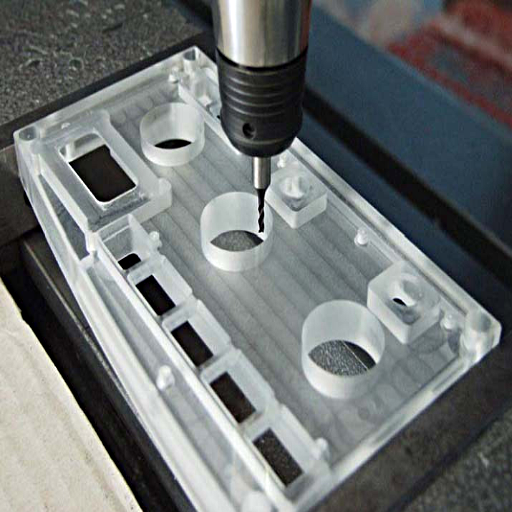
POM, a high-strength engineering thermoplastic called Polyoxymethylene, is well understood and utilizes its mechanical and chemical history. The polymer is extensively applied in various end uses involving high mechanical properties with good wear resistance and precision ability. Typical properties of POM include good resistance to moisture, chemicals, and high temperatures. Hence, it is well utilized in manufacturing gears, bearings, and other small mechanical installations. Moreover, being a plastic that is easy to machine, many industries consider it for CNC machining to fabricate intricate mechanical parts with high accuracy.
What is POM Plastic?
POM plastic, Pmk or polyoxymethylene, also known as acetal, is another high-performance engineering thermoplastic employed in applications that focus on strong, stiff, rigid materials. It is mainly engaged in automotive, aerospace, consumer goods, and medical devices. It is used to fabricate, among others, fine-toothed gears, sleeves, conveyors, and printed circuit board components like IC holders. Another reason why POM thermal applications cost more is that materials can function over a wide temperate range and can withstand attack from other materials, even very moist ones. These properties, with their processability, make POM suitable for manufacturers that need durable, sustainable materials and that can also suit the rigors of harsh industrial environments.
Properties of POM Plastic
In its most basic form, the Polyoxymethylene (POM) plastic is a very suitable plastic for industrial and engineering applications, like the breakdown of properties that it is one of the few that combines all the required properties. Herein are some of the POM characteristics and detailed consultation and discussion data.
The tensile and flexural properties of POM are very high. Here, the force of the load may be such that a tensile specimen may experience enhanced elongated tendencies when loaded, yet such properties are perfect, and with deformation, they remain at the initial level. Typically, the tensile strength falls within the 60-70 MPa range, depending on the formulation, while its tensile modulus lies within 2.5-3.0 GPa. Thus, it finds application in the manufacture of precision components.
- POM is characterized by its low friction and high wear resistance.
One of the excellent characteristics of POM is that it has a low coefficient of friction between 0.1 and 0.3, which is highly resistant to wear, making it suitable for use in gears, bearings, and other moving parts. In addition, its self-lubricating properties and operability in dry conditions without any liquids to prevent friction are also excellent.
- Chemical and Moisture Resistance
POM is resistant to chemicals, fuel, oil, solvents, weak acids (HF, HCL), and alkaline solutions, ensuring that it performs even in harsh conditions. Unlike most other plastics, POM doesn’t allow proper moisture absorption. The water absorption rate can be as low as 0.2%, so it can still maintain its properties in a moist environment.
- Broad Temperature Range
POM resumes effectiveness even after withstanding extremely drastic temperatures between -40°C and 120°C. Its elasticity properties are retained in the form of mechanical properties, both in extreme heat and cold, for these temperatures (the glass reinforced grades of POM have been able to exceed temperatures even higher than 140°C).
- Increased Flexibility and Resistance to Tearing
There is almost no concern about POM’s resistance. Even at low temperatures, it can withhold repeated impact without being deformed for durable performance. Typically around 7-10 kJ/m², this goes down with grade and additives such as glass fiber reinforcement.
- Outstanding Machining Characteristics
The plastic can be easily and will be made into complicated shapes whilst retaining an excellent surface finish. Therefore, it is most suitable for precision engineering applications. It is common in CNC machining and other machining operations.
- Other properties include:
POM has excellent dielectric and electrical suppression properties that make it suitable for use on electronic equipment. Its dielectric strength is around 20-25 MV/m, variably affected by thickness.
POM is an ideal material for application by professionals and technologists working with composites and exotic materials in their structures. Therefore, remarkable advances illustrate the usage in automotive, industrial, and consumer applications where advanced and reliable materials are demanded.
Applications of POM in Manufacturing
- Automotive Parts Association
POM is one of the most famous materials being successfully used in automotive manufacturing. This can be explained easily—the machinability of POM combined with the wear resistance and the mechanical properties, especially the bonding capacity of POM, make it indispensable in the manufacture and production of automotive parts such as fuel system parts, gearwheels/cog wheels, door locks, and other parts, as the case may be. Its low coefficient of friction and dimensional stability arise from the material’s excellent ability to be applied in these cases.
- National Standards Organization of the Congo (SN / ACS)
The DRC (SN / ACS) association is seeking to standardize Computers and high technology with rubber and a type of polyacetal resin called reinforced POM in Zaire. In line with this objective, it has consulted an expert who has assessed the situation in the industry and designed the corresponding work program.
- Industrial Crime
Electrical and Electronic Crime is committed when one uses a computer, a mobile phone, or any other means to commit a criminal act. The crime may take the form of hacking, computer virus attack, transmitting child pornographic images, fraudulent electronic funds transfer, money laundering, loan fraud, or harmful waste.
CNC Machining Process for POM
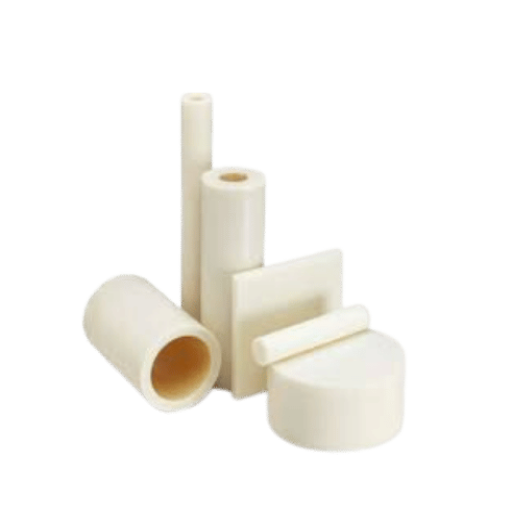
POM being CNC machined typically implements processes that involve the accurate cutting, shaping, and finishing to model intricate products out of this adaptable material. This method employs tools calibrated to particular parameters, allowing for the required exactness and uniformity in the final product. To achieve the goal, the following processes are implemented:
- Choice and Pre-Process Stages: Start with a good quality POM plate or section of rod, and be sure this material is free of any impurities.
- Mounting the Tools: Use very sharp-edge carbide cutters to cut all the cutting parts without too much deformation or heat.
- Cutting Operations: These involve processes like milling, boring, and cutting, but they are done at slow speeds and with controlled cutting limits to prevent the destruction of the workpiece.
- Use Of A Cooling liquid: Cooling is used in cutting, most especially on water, which decreases the heat embedded during the cutting and ensures that this process will not affect the cutting tools or the work pieces.
- Upholstery: Upholstery may also be performed post-processing for the considered work item through sandblasting and polishing the cutting surfaces.
Favored by machine operators, POM is a machinable material that is suitable for many industries, as its components are accurate and strong.
Overview of CNC Machining
CNC (short for Computer Numerical Control) machining is a mechanical process of pre-programmed control at the input devices. The code of this program is then sent to a computer, which translates the code to corresponding electrical and hydraulic signals to drive the machine’s mechanical components. This way, one can attain a high degree of parts with dimensional accuracy related to those designed in a virtual CAD model. CNC Machining is thus beneficial in many manufacturing industries such as aerospace, automotive, and medicine due to its high accuracy, good repeatability, and efficiency.
This rewriting outset involved defining the sterile agar plate and ensuring that it proceeded in a more structured way. This was the basis for the experiment in preparing the nozzles, where the results will be discussed later. This required adding data from eggs outside the nozzle orifice and within the bore. Such tests are essential because products manufactured from sufficiently hard and resistant materials may withstand high impact loads and temperature conditions, but such effects do not apply to their efficiency.
CNC Milling Techniques for POM
Polyoxymethylene, also known as Delrin or acetal, is a common form of durable engineering plastic with other functional characteristics such as high strength, rigidity, low friction, and high stability. Additionally, producing an object from this type of thermoplastic often needs several cnc milling strategies, which involve critical contemplation of the characteristics of the material, the tool used, and the machining conditions. It is favorably characteristic as an organic polymer bearing no Tg transition that possesses no recycling problems, and due to this, the fibers can be safely incinerated after use. An in-depth step-by-step procedure, checklist, a nd information to utilize the POM for cnc milling are explained in this chapter.
- How to Select Tooling
Generally, this is done when the most effective use of SolidWorks software is to enable reverse engineering. The selection of cutting tools is crucial since the tooling can sometimes control the quality of the final product. They have become like an additional edible film. Carbide end mills are the most popular tool for mounting mill operations in the classroom since they are durable and fatigue-resistant. Also, other cutters, like single or twin fluted, are good due to the high chip evacuation and hence acid buildup. The tool covers an area of 270×70 mm, so this is the final step to make this project.
- Cutting parameters
Spindle Speed: The turning spindle speeds necessary for POM are in the range of 8000 – 20000 rpm, depending on the tool diameter and geometry. Larger tools require lower rpm to avoid premature wear.
Feed Rate: The preferred machining feed rate ranges from 100 to 400 mm/min, increasing precision while maintaining productivity.
Depth of Cut: As a general principle, the depth of cut should be between 0.5 and 3 mm, depending on the cutter chosen and the surface quality intended. Very high-rate cuts are preferred in POM machining because they avoid most of the heat that would cause plastic deformation.
- Coolant or Lubrication
Due to its dip point, cncing POM does not require after-machining cooling in cryogenic or freezing methods because the chip draws much heat away from the tool. It uses very high precision pressure-fed liquid lubricants without injecting coolant liquids. On the contrary, using light mist or compressed air can enhance the sanded area’s cleanliness and even help prevent damage in terms of dimensional inaccuracy.
- Clamping and Workholding
Sufficient clamping force is necessary when POM is machined. The work is generally clamped on a vacuum table or using a mechanical clamp to eliminate any workpiece movement. It is important to note that too much tension on the workpiece material would lead to deformation.
- Common Issues and Solutions
Chip Buildup: Chips could be accumulated during the machining process due to POM’s higher strength level and toughness. It takes care of sharp tools and effective chip collection.
Surface Finish: Dull tools or excessive cutting speeds can cause less-than-satisfactory surface finishes. Regular repair of the cutting tools and better control of running speeds/feed combinations enhance results.
Thermal Expansion: Should overheating occur, a deformity will be registered. To prevent this, try shallower cuts and other methods, such as cooling.
- Applications and Efficiency
Precision components such as gears, bearings, medical or chemical pieces, and automotive components are usually populated using POM through CNC machining. Many sectors significantly utilize it due to low coefficients of friction and high dimensional accuracies in the manufacture of components. Contemporary CNC systems and supporting applications address such limitation,s enhancing precision and avoiding excess costs in producing these parts.
Utilization of these effective CNC milling practices for polyoxymethylene will help promote the effective manufacturing of high-quality, dimensionally consistent, and well-finished parts in the application of structural materials, especially in components for civil engineering.
Advantages of CNC Machining POM
Regarding structural properties, as compression stress acts upon POM material, the material does not change significantly, and hence, it can be utilized in the making of precision components. The CTE of the material is very low, even when applied in the most severe environments, and the POM retains all its mechanical properties and does not undergo any form of degradation.
- Conqueror of Erosion and Consuming Force
Directions to be marked on the high wear resistance and friction coefficients of the material allow it to win the most difficult. Operations include creating gear wheels, axles, and any other mechanical parts. Components that require both free movement of the parts and high durability would require using POM material.
- Improved Mechanical Performance Capabilities
The POM material has been designed to provide adequate strength to ensure it will not break or deform under the stress of forces applied in its environment, such as in the case of load transfer structures or heavy-duty joints.
- Highly Impenetrable against Chemical Aggression
The POM material is consumed by almost all acids and alkalis, all known acids, and even some gases. Most importantly, the POM material does not fall apart in water.
Machining POM Plastic Parts
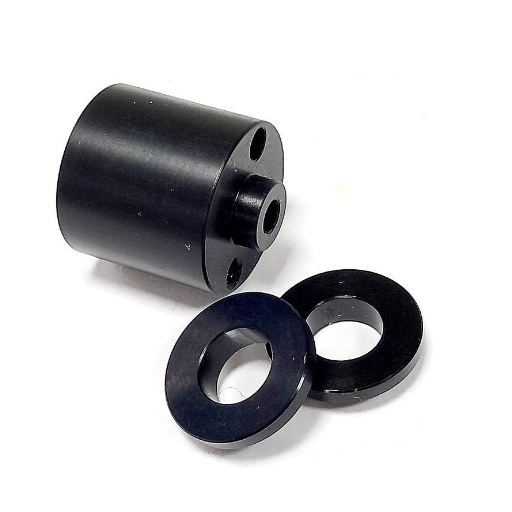
In machining processes, the mechanical shaping of the POM plastic requires some existing tools and techniques to be used very carefully. Here are some of the key points to be aware of:
- Cutting Tools
Use sharp cutting tools that have been well-maintained to prevent damage to their particular structure and give clean cuts. Choose carbide tools, if possible, because they have withstood the test of time using carbide cutters in such an operation.
- Cutting Speeds and Feeds
When machining, adopt a low cut-off frequency and cutting gear feed to avoid high heating of the heat-affected zone, which might lead to distortion, which is common with Metals or thermal expansion.
- Cooling and Lubrication
Help stress reduction by the coolant, lube, or both, as this abates the heat, thus constraining the size and shape of the workpiece and surface defects.
- Clamping and Fixturing
Fasten the workpiece securely as it is secured to prevent focal shifts and the like during machining.
- Chip Removal
The dish evacuative action is an essential aspiration so that POM would not produce long pins that could obstruct if not removed immediately.
If these rules are followed, the machining of POM plastic parts can be effectively utilized with guaranteed repeatability and the best quality.
Design Considerations for POM Parts
Thinking about POM when creating specific components requires one to consider the characteristics of the material in terms of how suitable it is for the purpose, while remaining practical enough for the design to be considered for manufacture, with examples of things such as POM. There are five main points to take into account when designing parts in POM:
1. Wall Thickness.
Try to keep the wall thickness uniform as much as possible for uniform cooling of the part during molding and to prevent problems such as warp or internal stresses.
2. Draft Angles.
On the vertical walls, at least draft angles of 1-2 inches (5 � 10) should be included for simple removal of the components from the molds and to prevent damage to the part.
3. Fillets and radii.
Add fillets and radii to internal corners to improve these parts’ structural integrity and reduce stress concentrations.
4. Dimensional Tolerances.
Ideally, POM allows more tolerance because its dimensional stability is superb. Thus, when designing parts that will be used with tight tolerances, ensure that those dimensions are within the limits of the machining or molding operations.
5. Ribs and Bosses.
Incorporate ribs and bosses for reinforcement, but avoid excessive thickness, leading to sink marks and air traps.
By addressing this specific criterion during the design, parts of POM will perform well and be easy to produce while limiting potential problems.
High Precision in Machined POM Parts
The production of POM parts necessitates high levels of precision. The material machined here is Polycarbonate. The production process requires skill and attention due to material properties, control parameters for machining, and identification of suitable machining tools. POM is a type of thermoplastic generally known for its not easily lost dimensions, relatively low friction, and elastic toughness. These properties make it a preferred material for generating components with close fits such as gears, Robert bearings, and enclosures for which dimensional breakpoints are very discouraging.
Tight tolerances of ±0.005 inches (±0.127 mm) are achievable during POM processing with precise tooling and well-controlled machining cycles. Carbide or diamond-coated tools are the most desirable for achieving this, as they minimize the formation of wear marks and enhance smooth surfaces. Ideally, knowing the variables such as tool geometry, machine grade, and others, the cutting speeds may operate within a range of 3000 – 7000 rpm, which works well without excessive heat or distortion in POM machines. Further, it is virtually impossible to cause thermal expansion while maintaining the surface integrity simultaneously when the coolant is used less.
There’s also the concern of the distribution of machined pass sections to reduce inner stresses because this would be done where no passages were found for an internal coolant system. As a result, POM typically absorbs low amounts of moisture, approximately 0.2%, for resistance to any wood invasion, which would be a significant concern during extreme precision. Moreover, using CMMs to evaluate the accuracy of machined parts’ size and shape enhances final product quality.
By employing cutting-edge machining technologies and attaining an in-depth knowledge of POM’s mechanical reaction, industries such as automotive, medical, and electronic equipment can produce extremely reliable and highly accurate components.
Choosing the Right CNC Machine for POM
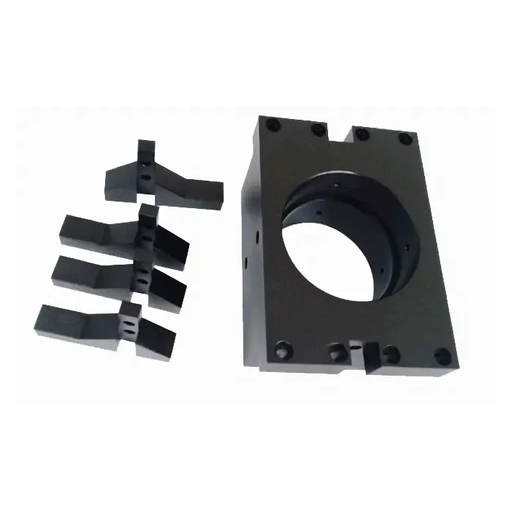
Consider all of these factors to decide which cnc machines are perfect performers in pom materials.
- First of all, to ensure that the processed POM has the needed surface finish without any defects, one has to choose a machine whose spindle operates at high speed. Besides, a machine with high power should also be considered because it enhances workability by ensuring that the material does not deform.
- Ease of keying of tools: One should go for a cnc machine that can house tools with sharp and high-quality edges, suitable for plastics, clear-cutting edges with minimal finishing procedures.
- Cooling and chip evacuation: Any kind of fabrication involves heating or removing excess material. Any machine used for cutting POM must provide an effective, functional cooling and chipping system so that the workpiece does not get overheated, especially during long durations of cutting, and does not accumulate pools of waste, which can even make further cutting difficult.
- Precision and stability in motion: It is advisable to select a static machine with very low frequencies and movements to enhance the accuracy and consistency in machining POM materials and parts.
It is also one of the aspects in which one of the POM machining performance and output quality values will be maximal during operations with POM.
Types of CNC Machines for POM Machining
CNC lathes generally measure 2 to 12 feet in length, 40 inches in width, and 40 inches in height.
|
Key Point |
Details |
|---|---|
|
Machine Type |
Milling, Lathe, Router, Multi-axis |
|
Tool Type |
HSS, Carbide |
|
Speed |
Moderate |
|
Cooling |
Essential |
|
Precision |
High |
|
Material |
POM, Modified POM |
|
Tolerance |
Tight |
|
Chip Removal |
Critical |
|
Heat Control |
Vital |
|
Clamping |
Stable |
Specifications to Look for in a CNC Machine
In the context of POM machining, which is best done with CNC technology, it is necessary to pay extra attention to specific parameters for effective and accurate results. These are the ones:
Spindle Rotor Speed: Most good CNC tools have high spindle speeds, often in the range of 10,000 to 24,000 or even higher RPM. This is either for good finishing or at slower rates to ensure no defects are created on the surface of the polyoxymethylene material.
Tool usability: A machine can often cut some materials well but not handle others. Even so, the POM material shall be cuttable if the machine uses either a carbide or diamond-coated cutting tool.
These are standard specifications expected from any CNC Machine. You also need to have an effective and adequate installation on a machine. ‘Flood’ coolant or mist lubrication when a management system is in place is necessary, as heat will not cause the workpiece to melt inside or distort the other machined POM parts.
Key features should also accommodate the axis’s travel and space usage, as expressed in the previous section. Ensure that the machine can also handle the intended POM parts in terms of size and complexity relative to the axis’s travel and work area.
Integrated Chip Management: Chip management is included in some machine models. These machines are equipped with conveyors and airflow systems, such as air blowers, that help maintain the work area’s cleanliness and the machining quality.
Such attributes should guide the choice of a CNC machine designed for machining POM and always providing the same level of quality.
Recommendations for CNC Machining Services
When searching for CNC machining specialists, the client must consider several factors: the vendor’s experience and skills, the technical base, particularly the machinery in use, and the understanding of the quality system maintained. The following suggestions have been prepared to assist in this direction.
- Applicability concerning materials
Ensure that the fabrication firm has worked with the material of your concern, such as POM or any other type of engineering plastic. Expert guidance is necessary to meet exact specifications and reduce excessive material waste.
- Computer Numerical Control (CNC) Machines that are More Advanced
It is best to choose companies capable of using updated CNC machines with advanced features, such as multi-axis machines and tight tolerance machining, that are good enough for the parts of your project without any problems or confusion.
- Quality Assurance Procedures
Ensure the facility complies with applicable quality assurance procedures, such as ISO registration or up-to-date industry requirements. This makes it easier for all production outputs to be of high standards and for good quality from every batch.
- Special Requirements for one-offs and Prototyping
Ensure that the vendor provides customization and prototyping, primarily to adjust the pieces before they are produced in bulk. This will save time, expenses, and the necessity of correcting something after bearing additional costs.
- Delivery Timelines
Assess the service’s production and delivery timeframes. Service providers with streamlined processes and effective communication will effectively manage them without sacrificing overall quality.
Of course, these factors, together with local searching and social proof, will assist in finding a solution for selecting a CNS machining service where they are essential.
Reference Sources
- Study the effect of CNC milling parameter on surface roughness of POM material
- Authors: N. Arifin et al.
- Journal: ARPN Journal of Engineering and Applied Sciences
- Publication Date: January 5, 2016
- Citation Token: (Arifin et al., 2016, pp. 6611–6614)
- Summary: This study investigates the impact of various CNC milling parameters on the surface roughness of POM material. The authors conducted experiments to evaluate how different feed rates, cutting speeds, and cut depths affect POM’s surface finish. The findings indicate that lower feed rates and optimal cutting speeds significantly improve surface quality, achieving a surface roughness below 2 microns. The study emphasizes the importance of selecting appropriate machining parameters to enhance the quality of POM components.
- Experimental Investigation and Optimization of Coaxiality Error Analysis with CNC Turning Process on Delrin for Assembly Fit
- Authors: Dr. T. Rajesh Kannah et al.
- Journal: International Journal of Advanced Research in Science, Communication and Technology
- Publication Date: May 8, 2024
- Citation Token: (Kannah et al., 2024)
- Summary: This paper focuses on the CNC turning process of Delrin, a type of POM, analyzing coaxiality errors and their impact on assembly fit. The authors employed various turning parameters to optimize the machining process, aiming to minimize surface roughness and improve dimensional accuracy. The results demonstrate that specific combinations of speed, feed rate, and tool geometry can significantly reduce coaxiality errors, enhancing the overall quality of machined POM parts.
- Parametric optimization of CNC turning on glass-fibre-reinforced plastic (GFRP) pipes: A grey-fuzzy logic approach
- Authors: V. Pradhan, P. Das
- Journal: IOP Conference Series: Materials Science and Engineering
- Publication Date: June 1, 2018
- Citation Token: (Pradhan & Das, 2018)
- Summary: While this study primarily focuses on GFRP, it provides insights into optimizing CNC turning processes that can be applied to POM. The authors utilized grey-fuzzy logic to optimize cutting parameters, including speed and feed rate, to improve surface finish and reduce tool wear. The methodology involved experimental validation and statistical analysis, which can benefit similar studies on POM machining.
- Top POM CNC Machining Parts Manufacturer and Supplier in China
Frequently Asked Questions(FAQ)
What is CNC Machining of POM Plastic?
CNC machining of POM plastic involves using computer numerical control technology to cut and shape POM plastic into desired components precisely.
What are the Properties of POM Plastic?
POM plastic, also known as acetal, is ideal for precision applications because of its excellent machinability, high strength, and low friction properties.
What are the Advantages of CNC Machining POM?
CNC machining offers high precision, repeatability, and efficiency in producing machined POM parts, reducing waste and improving production speed.
What are the Challenges in CNC Machining POM?
Some challenges include managing the material’s tendency to deform under heat and ensuring proper tool selection for effective cutting.
What CNC Machining Methods are Used for POM?
Common machining methods for POM include CNC milling, turning, and drilling. Depending on the part design, each offers unique advantages.
How to Machine POM Plastic Effectively?
To machine POM plastic effectively, sharp tools, appropriate speeds and feeds, and optimal cooling during the process are important.
What Applications are There for POM Machined Parts?
Due to their durability and performance characteristics, POM machined parts are widely used in automotive, consumer goods, and industrial applications.


