


The advancement of manufacturing technology is currently invested in aluminum die casting, which is the day to provide exactness, endurance, and high performance for all kinds of industries. Whether your primary concern is the creation of intricate automobile pieces, materials for aircraft with shallow weight, or complex items intended for the end consumer, understand that getting accurate and pointed-out aluminum die casting print usages will enhance the project’s results. This handbook is designed to help engineers, designers, and enterprise users unlock the full potential offered by this well-rounded production. We have started with the basics and the various principles and concluded with the different advanced tricks. By the time the reading ends, you will possess some suggestions and implement them externally and internally to expand the developments meant for the so-called products and cut down on the expenses involved in producing them. So, switch the channel and realize how using aluminum die casting will tend to enrich your works, or rather, how it will change everything altogether.
What Are the Key Design Considerations for Aluminum Die Castings?
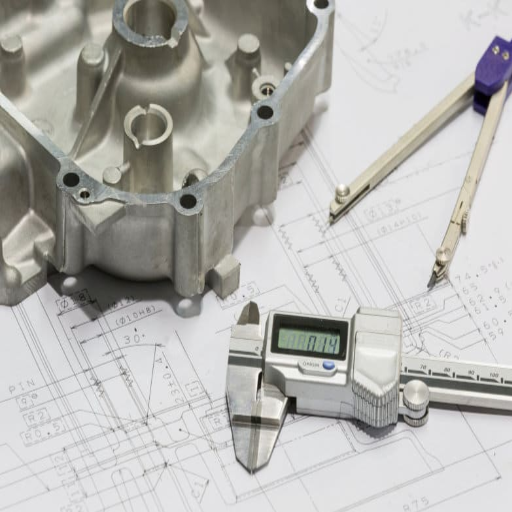
- The quality and manufacturability of aluminum die castings are heavily dependent on design variables. Several key aspects need to be taken into account while designing die castings to ensure good performance of the cast part and easy manufacture of the die.
- Wall Thickness: Apart from functioning issues, do not thicken walls whenever practicable, especially where welding is not allowed or thinning may cause warping. This will also help reduce material waste and the time taken for cooling.
- Draft Angles: Incorporating the correct draft angles, commonly in a range of 1 to 3 degrees, in the design helps to release the plastic from the mould components easily.
- Fillets and Radii: Casting parts with filleted corners and smooth round surfaces will reduce stress concentration and, in turn, enhance die metal flow.
- Ribs and Supports: The design should have support ribs to prevent further strength losses and other structures to maintain strength properties while cutting down on bulk material.
- Limitation and Accuracy: Design components to realistic tolerances that leave room for casting defects, such as shrinkages.
- Ejection Pins: Construct the product cutter compatible with the necessary ordinary cuts by incorporating flat surfaces or features where ejection pins can also be used without harming the products.
- Maternal Selection: Choose a type of aluminum alloy that best suits the material’s task, whether it be strength, weight, wear, or corrosion resistance.
Properly addressing such considerations at the onset of product development will streamline the casting process, lower manufacturing expenses, and produce more durable and accurate products.
Factors Influencing Part Design
It is challenging to design parts intended for aluminum casting, considering numerous factors necessary for achieving optimal functioning, efficiency, and manufacturability. Bearing this in mind, here are the literature’s top five most significant factors that uniquely affect part design;
- Wall Thickness
One major aspect that helps control the internal stress within the walls of the casting is walls of uniform thickness, which is dependent on the rate at which they cool. If there are continual changes in thickness, stresses can occur, such as slumping or blisters. There must be a suitable thickness that suits the aluminum type and how the part is made.
- Draft Angles
Draft angles are a key guideline for enhancing the ejection of the part that has been formed from the mould. 1-3 degrees of draft angle is generally not recommended in most cases but is recommended in other cases, depending on the method of casting and the type of part.
- Fillets and Radii
When designing castings with sharp corners, stress tends to focus on these locations, initiating cracks. Fillets and rounded corners in the design improve the strength of the respective parts and ensure good flowability during casting.
- Tolerances
Defining the proper dimensions of a product by considering the principles and considerations associated with casting is a must. Excessively restrictive tolerances make expensive secondary processing necessary, and unreasonably big tolerances negatively affect the final product.
Surface Finish Requirements
The kind of surface finish required depends on the component’s end use. Certain forming methods, such as die casting, give a better quality surface finish than sand casting. Finish requirements need to be kept in mind during material and process selection.
Using these restrictions during the product’s development process will ensure fast manufacturing, cost minimization, and high-quality standards in the components.
Importance of Wall Thickness in Aluminum Casting
The significance of the wall thickness is paramount to both the quality of the cast and the cast component, and its producibility. It refers to the thickness of the walls and is particularly important because, in contrast to the unfilled steel mold, the filled mold includes a solid mass which dictates the duration of solidification. This ensures a uniform cooling throughout the casting, reducing risks of internal strains, distortion, or failures such as sub-surface shrinkage and all dimensional accuracies, among others. Proper wall thickness is also critical because it allows the part not to fail under mechanical loads.
In particular, numerous developments in computer simulation and big data analytics indicate that maintaining a minimum wall thickness, if any, and a specific type of metal and mold enhance production efficiency. When using thinner walls, the cooling and pouring process, as well as the complete filling, becomes of pertinent importance. In this scenario, the function and malleability of the material are compromised since very thick walls not only mean increased material consumption, but also warrant a longer cooling time and result in hot issues.
When the wall thickness must be controlled at the design stage, affordable, long-living, and contemporary aluminum castings adjusted to the characteristics of today’s world may be produced, and the casting may also be submitted to in-depth calculations.
How to Select the Right Tooling and Casting Techniques?
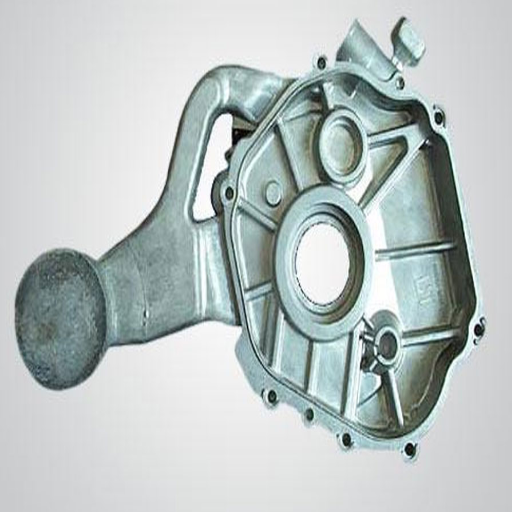
- Documentation Control
In classical mechanized structural design, four degrees of elemental definition can determine the effectiveness of document control methods: pictorial (description of the structure in 2D), three-dimensional (description of the structure in 3D), coordinate systems, and databases containing all data necessary for developing and assembling the detailed design.
- System of Identification Numbering and Nomenclature
Identification is achieved by the automatic choice of a code, which is influenced by a set of attributes. Maintenance and other processes inside the components can be achieved through a recommended range of dimensional tolerances, though they are generally schematic.
- Configuration Management Process.
In a perfect sense, a project within configuration management is just a set of items or data relating to people and processes. Gradient of turbulence among the items is a scheme chiefly aimed at explaining the items’ distribution in a system.
- Item Descriptions and Drawings Control
Preparing the documents for design work is also part of the configuration management process, and a lot of data is accumulated in the design process. This includes the material used, the forming process, the finish in terms of the paint, the dimension of the plate so built in designs, and many other things.
Key Components of Die Construction
Die plates, guide pins, punches, buttons, springs, retainers, stripper plates, and pressure pads are the most common components used to construct a die.
|
Key Point |
Details |
|---|---|
|
Die Plates |
Foundation for mounting components |
|
Guide Pins |
Align upper and lower die plates |
|
Punches |
Shape or cut the material |
|
Buttons |
Counterpart to punches for cutting |
|
Springs |
Provide force for holding or stripping |
|
Retainers |
Secure punches and components |
|
Stripper |
Ejects material post-cutting |
|
Pads |
Hold or control the material during forming |
Choosing Suitable Tooling for Aluminum Die Casting
When modeling tools for aluminum die casting, the optimal balance of technical and economic considerations should be sought to achieve effective manufacturing. Several updates in the said subject highlight several essential aspects:
- Material Selection
During the construction, one should utilize high-quality steel or special alloy materials capable of repeatedly withstanding the thermal and mechanical stresses inherent in the casting process. In this case, tools made from these materials will undergo many cycles without going out of order or degrading accuracy.
So many questions arise watching Macra welding take the U-shape of sealing saw lines of different materials. Plates, plane or curved, can be welded using the lap joint welding formation.
A manufacturing CAD camera(Traditional CAD) and molecular aluminum forming software can be utilized to analyze how aluminum will fill the mold, cool, and solidify. Simply put, these solutions can eliminate most defects and cut down the cycle time while maintaining the same part quality.
- Capacity of Production
In the case of large product quantities, steel dies are the best choice owing to their hard advantage over wear, although where few pieces are concerned, temporary tooling is employed to lower production costs.
- Allocated cooling systems
Cooling machine functions that are usually fitted within the product parts play a very important role as they help prevent excessive heating during the molding process. It is through economic manipulation and improvements of the furnace’s temperature that component defects such as erodes are also eliminated, extending the life of the component.
- Environmental Preparation
Remelting aluminum and redesigning instruments to generate the least amount of waste are both sensible alternatives as they contribute to the process’s effective work while still trying to maintain equilibrium.
When determining such factors, companies that find it challenging to choose the tools that provide the widest possible scope of capabilities require the least operating expenses and are proven reliable in the long term.
How to Ensure Manufacturability in Aluminum Die Casting Projects?
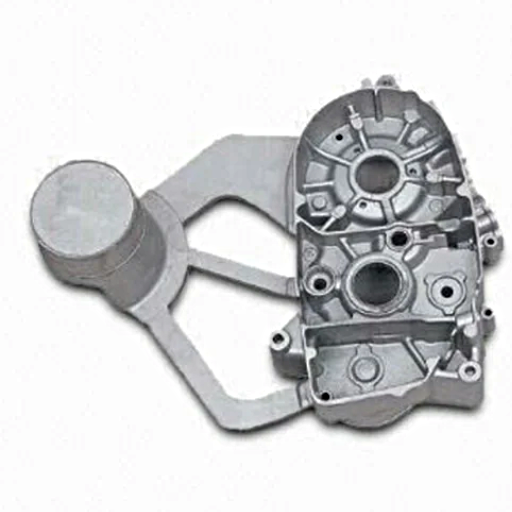
Below are the significant steps undertaken in aluminum die casting to make it manufacturable:
- Improve the Design of the Casting Operations
This will involve simplifying the designs to minimize complexity, lower the likelihood of flaws, and improve the mould’s performance. Also, try to keep a uniform wall thickness to aid in the easy flow of the materials.
- Selection of the Aluminum Alloy.
Ensure the selection of an alloy is based on the strength and the thermal properties necessary to resist the application in question. Avoid assessing the alloys devoid of mechanical needs. Avoid excessively inert materials by all means.
- Get Help From People Who Know Better.
Contact an Engineering company or a Mold manufacturer and use their experience to devise solutions to overcome any possible problems during the creation process.
- Establish Quality Assurance Procedure
Devices for controlling dimensions, treatment procedures, and other processes should be based on normative methods and applied to every quality control method, which helps maintain dimensional stability, appearance defects, and mechanical characteristics during production.
- Check the Usage of Molds
Enhance molding capacity and minimize operational interruptions through quality mold designs, construction, and maintenance.
Companies can practice the above, and it renders manufacturing aluminum die casting parts more efficient and successful than if the directions were not observed.
Design for Manufacturability Tips
- Refined Structure Development
Function – focus on less complicated forms, rather – ‘less is sometimes more’, rather than more complex solutions. This approach minimizes fabrication time and saves cost, while offering high-quality components.
- Uniform Thickness Strategy
Use as little wall thickness as possible to avoid problems like shrinking, warping, or improper die filling when the system is cast.
- Introduction of Draft Angles in the Design
It is always advisable to design appropriate draft angles in any component to allow easy removal from a die, reduce the tool’s brittleness, and improve production efficiency.
- Incorporate Tolerances and Machining Requirements
Ensure that the tolerances can be controlled during the production process. Thus ruled based restrictions help to keep tolerance induced machining costs and issues under control.
- Design of the Gate and Runner Systems
Effectively create the gate and runner systems of the mold for a good material flow level or a reduced number of defects, such as air bubbles and tears, in the finished part of the item.
Choosing the Right Aluminum Alloy
For the most cost-effective, sustainable solution, it is essential to correctly choose the appropriate grade of aluminum. This will primarily depend on factors such as the minimum mechanical characteristics, the ability to form, the resistance to operational influences, and many others. For instance, 6061 aluminum is a multipurpose material that offers moderate strength, elevated corrosion resistance, and machining ability. Because of these strengths, it is helpful in industries where quality and strength are added to the part for support and engineering purposes, as is the case with its use in aircraft and other aerospace products. Also, 7075 aluminum is such a bulky material that it is even difficult to tell what the weight of a given volume of this alloy is. Considering such extra cost of the raw material vis-à-vis the entire piece, this is another situation where the marginal cost of the compound increases, rather than being constant. The realization that an HSS generally incorporates the hardened part to improve wear resistance of a crankshaft illustrates the significant progress in the design and manufacture of the machine part.
Critical Design Features for Die-Cast Parts
When it comes to designing parts made from injection molding, focusing on the details is very important because this is essential if you are to produce high quality castings, as well as practical and enduring. Outlined below are the five most fundamental design considerations:
- Wall Thickness
Allowing for variation even when making allowance in the allowable wall thickness bearing no actual strength avoids deformation tendencies, particularly during cooling of the part; because of this, it is fundamental to make sure that the wall thickness is of uniform dimension. Parts are typically produced with a wall thickness of 0.040 to 0.200 inches, depending on the size of the particular geometry.
- Draft Angles
Incorporating angles greatly helps to effortlessly expel the worked object from the mold. Commonly, for flat surfaces, only 1-3 degrees per side are advised, yet as the surface roughness increases, more draft angles are advised.
- Radii and Fillets
Using radii and fillets on corners and edges decreases the intensity of stresses and helps the liquid metal flow easily in the mold. For the component’s durability, a minimum radius of 0.5 times the thickness of the wall is suitable.
- Bosses and Ribs
Prepare the bosses and ribs so that they reinforce the part without adding unnecessary weight to it. Do not make the distance between the ribs and the adjacent walls more than 60% to prevent molding defects.
- Tolerances
Restrict the clearances of critical dimensions so that no unwanted interference occurs in the assembly of parts. In addition, for components manufactured by Die casting, the range of linear tolerances allowed usually lies between ±0.015 and ±0.005 inches, proportional to the size and complexity of the component.
Applying these design considerations leads to greater efficiency in producing the die castings, giving the user an optimal performance facility.
What Role Do Draft Angles Play in Aluminum Die Casting?

Draft angle in aluminium die casting is needed so the parts can be removed easily without causing any damage. It is always better to introduce a draft angle to minimize wall casting width, which will lead to less surface deformation, etc. Usually, in such cases, the draft angle is recommended for use on surfaces and walls perpendicular to the mold’s parting line. This allows them to be filled appropriately and extends the mold’s service life. Properly adjusted draft angles of parts and components make the production process more efficient and ensure that the final components’ qualities remain unchanged.
Defining Draft Angles in Die Casting
Draft angles are vital while engaging in the process of die casting as they aid in easily removing the components from the molds, thus ensuring that the dimensions and, most importantly, the surface quality do not have any defects. When draft angles that facilitate the demolding of the components properly are not considered, it becomes a chore to remove the parts, and it is even possible to destroy the part and the mold. The number of draft angles will largely depend on the given materials, the structure of the part, and the use of the part. For the most part, when we talk about the d in the image, the angles are limited to 1 to 3 degrees draft, but again, this can vary depending on the depth of the cavity or the open spaces within the geometry. Applying draft angles to the correct places at an early stage of the component’s design results in less waste, ultimately reduces the manufacturing cost, and ensures the lifespan of those mold tools.
How Draft Angles Affect Part Ejection
Draft angles are crucial for the successful functionality of fixed parts provision from a cavity in a mould. This is because plastic parts usually exhibit a small degree of contraction while the molten plastic cools down. The contraction causes the plastic to stick to the walls of the mould. The push-pull can be uneven and becomes more difficult to eject. This exacerbates the deterioration of the part, making it unable to carry the tool. Therefore, a design for the draft angle that is correct is essential for the ejection or upward stroke of the part without increasing shear force. A mechanical draft angle is an inclination presented laterally on both sides across the long axis of a part, so the part is referred to as inclined. This insufficient or lacking draft angle will make the tooling last longer, but damage the parts, such as the jib, will cause accidents. Minimal improvements in draft angle design will help to reduce the frequency of the parts which are out of specification, improve cycle times, and make the mandrels last longer. The well-considered and proper application of draft angle is fundamental to the production quality and efficiency of molded parts.
Reference Sources
- “A New Recycled Al–Si–Mg Alloy for Sustainable Structural Die Casting Applications” (Cinkilic et al., 2022, pp. 2861–2873) (2022): This paper introduces a new recycled aluminum alloy suitable for structural die casting, focusing on sustainability and material properties. The methodology involves alloy development and testing of mechanical properties. Key findings highlight the potential of recycled materials in die casting.
- “Effects of magnesium and copper additions on tensile properties of Al-Si-Cr die casting alloy under as-cast and T5 conditions” (Zhan et al., 2022, pp. 12–22) (2022): This study investigates the impact of magnesium and copper additions on the tensile properties of an Al-Si-Cr die casting alloy, both in as-cast and T5-treated states. The methodology involves experimental alloying, testing, and analysis of microstructure. Key findings provide data on how alloying elements affect mechanical properties.
- “Microstructures and mechanical properties of 4 wt%TiB2/Al-Si-Cu-Zn (T6) composite thin-walled shell housing fabricated by high pressure die casting” (Xi et al., 2021) (2021): This research explores the microstructures and mechanical properties of a TiB2-reinforced aluminum alloy die casting. The methodology combines material characterization techniques (XRD, SEM, TEM) with tensile testing. Key findings demonstrate the improvement in mechanical properties achieved through reinforcement.
- Top Aluminum CNC Machining Parts Manufacturer And Supplier In China
Frequently Asked Questions (FAQs)
Q: What is the aluminum die casting design guide?
A: The aluminum die casting design guide is a comprehensive resource that provides essential tips and best practices for designing aluminum die-cast parts. It focuses on various aspects of the die casting process, including design for manufacturing, part strength, and optimal material use.
Q: What are some tips for producing better aluminum die-cast parts?
A: Some tips for producing better aluminum die-cast parts include using proper fillet radii to reduce stress concentrations, ensuring adequate thickness to maintain part strength, and designing features that facilitate the casting’s ejection from the die. Additionally, adhering to design-for-manufacturing principles can streamline the process.
Q: How does the design phase influence the success of a die casting project?
A: The design phase is crucial for a successful die casting project, setting the foundation for all subsequent manufacturing processes. Careful design choices, such as selecting the right die components and optimizing the aluminum cast part’s geometry, can significantly improve the efficiency and cost-effectiveness of production.
Q: What role do ejector pins play in the die casting process?
A: Ejector pins are essential components in the die casting process. They help eject the cast aluminum part from the die once it has cooled and solidified. Their placement and design must be carefully considered to avoid damage to the part and ensure smooth operation.
Q: Why is part strength necessary in aluminum die casting design?
A: Part strength is vital in aluminum die casting design because it determines the durability and performance of the finished product. Properly designing for strength involves considering wall thickness, fillet design, and the overall geometry of the die-cast part to withstand operational stresses.
Q: How does the choice of aluminum alloy affect the die casting process?
A: The choice of aluminum alloy significantly affects the die casting process, as different alloys have varying properties, such as strength, fluidity, and thermal characteristics. Depending on the alloy selected, adjustments in design parameters may be necessary to achieve optimal results in the casting process.
Q: What are the standard design parameters for aluminum die casting?
A: Common design parameters to consider for aluminum die casting include wall thickness, draft angles, fillet radii, and the overall complexity of the die. These factors influence the part’s manufacturability and can impact both the cost and quality of the final product.
Q: What is the importance of designing for manufacturing in die casting?
A: Designing for manufacturing is crucial in die casting as it ensures that the aluminum die-cast part can be produced efficiently and cost-effectively. This involves creating designs that minimize complexity, reduce the potential for defects, and facilitate the die casting process, ultimately leading to a successful die casting project.
Q: How can the complexity of the die affect production costs?
A: The complexity of the die can significantly increase production costs due to the need for more intricate machining, longer setup times, and potential for increased scrap rates. Simplifying the design where possible can help to lower costs while still producing a high-quality aluminum cast part.
Q: What are the benefits of using thin wall designs in aluminum die casting?
A: Thin wall designs in aluminum die casting offer several benefits, including reduced weight of the final product, lower material usage, and potential cost savings during manufacturing. However, careful consideration must be given to ensure that part strength is maintained and the design remains suitable for the die casting process.


