


Regarding working and agricultural machinery, durability and efficiency are factors. Stainless steel air seeder parts have become the hallmark of modern planting techniques by presenting unprecedented resistance to corrosion, wear from abrasion, and environmental hazards. This guide will paint an elaborate picture of the nature of stainless steel components inside air seeders, explaining their criticality in farm activities and their influence on achieving planting precision and productivity. Suppose your quest is to improve your equipment or simply to understand it better. In that case, this article will provide sufficient information to make sound judgments and maintain equipment of long-lasting performance in the field.
Why Choose Stainless Steel for Your Air Seeder Parts?
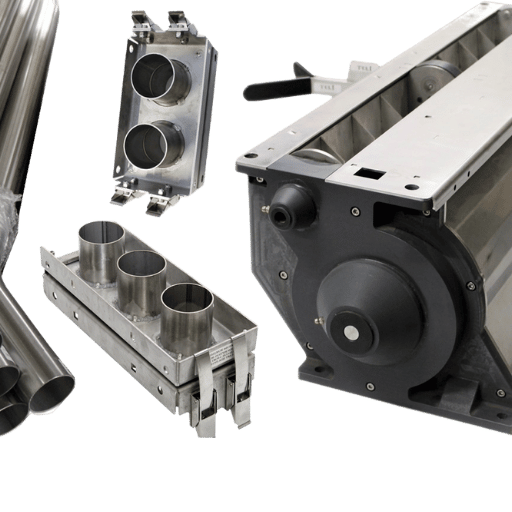
Stainless steel is preferred for air seeder parts because durability, corrosion resistance, and challenging agricultural conditions can put them through their paces. Unlike other materials, stainless steel does not deteriorate or lose its finish when exposed to moisture, fertilizers, or varying temperatures, thus extending its service life. This reliability reduces the need for replacement or repair, mitigating downtime and maintenance costs. Furthermore, stainless steel parts provide precision and strength to meet plant accuracy consistently and thus help in field productivity.
The Benefits of Stainless Steel Air Seeder Parts
- Corrosion Resistance: Stainless steel’s innate ability to resist rust and corrosion assures that it performs well in harsh agricultural environments where moisture and chemicals are involved.
- Durability and Longevity: Unlike other materials, stainless steel is durable. Hence, it is significantly wear-resistant, translating into an extended service life and fewer chances of replacements.
- Low Maintenance Requirements: Because stainless steel cannot corrode or degrade easily, it requires minimal maintenance, eventually lowering labor and material costs.
- Improved Planting Precision: Stainless steel ensures that parts do not bend or lose shape, providing constant and accurate seed placement.
- Cost Efficiency: In terms of cost efficiency, stainless steel materials might be more costly at first, but in the long run, they save on the costs of much maintenance and replacement and higher productivity.
How Stainless Steel Enhances Quality and Efficiency
Stainless steel is highly preferred for enhancing operational quality and efficiency across many industries. The excellent corrosion resistance of stainless steel means less downtime due to equipment wear and tear; hence, operations may proceed smoothly and reliably. It has been determined that stainless steel parts are known to have an average life span that is much longer than other materials, up to 20 years in hostile environments. Less frequent replacement means lower operating costs as time passes.
On the other hand, stainless steel’s high strength-to-weight ratio allows lightweight but equally sturdy systems, especially in automotive and aerospace industries, including air carts. For example, stainless steel alloys can cut the weight by about 30% compared to conventional steels and still meet the strength and safety requirements. This, in turn, takes a toll on energy consumption and is advantageous to the environment. Also, the fact that the material can be recycled almost 100% enhances its sustainable appeal, aligning with the worldwide initiatives toward minimizing waste in production cycles.
Lastly, stainless steel’s non-porous nature benefits hygiene standards; hence, the food and beverage, healthcare, and pharmaceutical industries must utilize stainless steel. It can prevent bacterial growth by implementing stringent safety standards, improving product quality and consumer health. All such things speak for stainless steel, the most practical and strategic investment toward operational excellence.
Comparing Stainless Steel with Other Materials
|
Parameter |
Stainless Steel |
Aluminum |
Plastic |
|---|---|---|---|
|
Durability |
High |
Medium |
Low |
|
Corrosion |
Resistant |
Prone |
Resistant |
|
Longevity |
Lifetime |
Short-term |
Short-term |
|
Cost |
Higher upfront |
Moderate |
Low |
|
Maintenance |
Low |
High |
High |
|
Air Pressure |
Maintains |
Loss |
Maintains |
|
Hardware |
Non-corrosive |
Corrosive |
Non-corrosive |
|
Agitators |
Durable |
Moderate |
Fragile |
Exploring Different Types of Air Seeder Parts
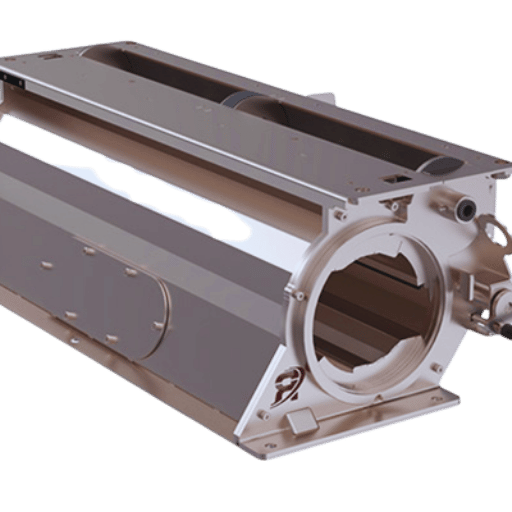
An Overview of Stainless Steel Meter and Meter Housing
The stainless steel meters and meter housings are engineered for superior performance and durability in the agricultural industry. Corrosion resistance is their chief benefit, making them suited for an environment prone to moisture and harsh conditions. Thanks to their sturdy nature, these provide reliable service and need fewer replacements or repairs. They also keep the air pressure accurate and ensure the system operates smoothly for a long time. They may be expensive in terms of initial costs compared with other materials, but their durability and maintenance-free nature will surely make them the best bargain in the long run.
The Role of Boss 2.0 Stainless Steel Meter in Seeding
A stainless steel meter is the Boss 2.0, indispensable equipment for guaranteeing the accuracy and efficiency of modern seeding operations. The conditions for uniform seed dispersion are crucial for crop yield maximization and wastage minimization. Precision seeding is all-important in agriculture because slight inconsistencies can cause uneven germination, lower crop quality, or underutilization of farmland. Being stainless steel in nature, the meter becomes the epitome of durability and corrosion resistance, even in adverse environmental conditions such as moisture, soil particulates, and fertilizers.
Furthermore, the Boss 2.0 features metering mechanisms for precise seeding rate control and flexibility for a range of seed types and seed sizes. Research studies have, over time, stated that accurate seeding can boost crop emergence by as much as 20% and, therefore, emphasize the economic and environmental importance of using high-performance meters like the Boss 2.0. The meter’s low maintenance requirements and long lifespan save downtime and costs on repairs and replacements, hence furnishing farmers with a dependable tool in striving for better agricultural productivity.
Understanding the Function of the Manifold and Conveyor
The manifold and conveyor systems are key components in delivering and distributing seeds efficiently through present-day agricultural machinery. Acting as a central hub, the manifold receives the seeds, splitting them evenly and directing them into individual rows or planting units. Such a level of seeding precision greatly minimizes overlap or deficit of seeding, which is critical for uniform crop growth.
Similarly, the conveyor system moves the seeds from the storage or hopper to the manifold, further down to the planting units. An advanced conveyor uses materials that resist abrasion to minimize seed damage during transfer, thus maintaining germination. Modern conveyor systems also control seed flow through variable speed settings and sensors, ensuring adequate operation of seed delivery even under fluctuating field conditions.
For example, leading conveyors have 1,200 pounds per hour seed handling capacities with less than 1 percent variation in seed flow accuracy. When augmented by high-precision manifolds, these systems guarantee higher efficiencies in planting and reductions in seed wastage, thus ultimately translating into larger crop yields. This level of innovation thereby demonstrates how slight machine improvements can contribute extensively towards improved agricultural productivity and sustainability.
How to Maintain and Replace Air Seeder Parts
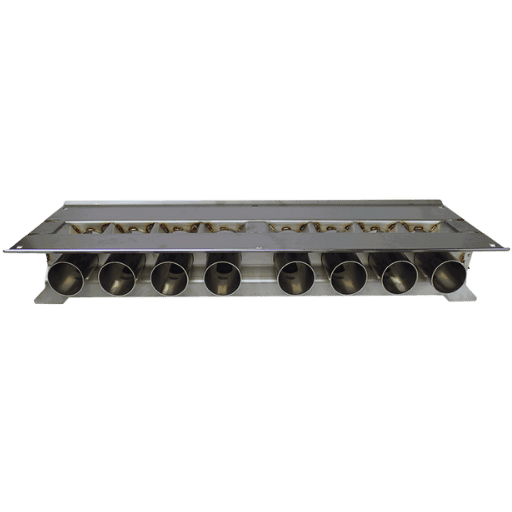
Maintenance Tips for Stainless Steel Air Seeder Parts
- Clean Regularly: After use, stainless steel components should be washed with water and mild detergent to remove dirt, debris, and chemicals that might damage the surface over time.
- Inspect for Wear: Look for corrosion, cracks, or abrasion signs. Detecting a worn surface early can prevent major mechanical problems and part failure.
- Use Proper Lubrication: After ensuring the lubricant is compatible, apply it to reduce friction and protect moving parts during operation.
- Avoid Harsh Chemicals: Abrasive cleaning agents and harsh chemicals should never be used, as they may compromise stainless steel’s protective layers. Instead, use products meant for stainless steel.
- Store Properly: Store the parts in a dry and clean environment to minimize moisture exposure and rust. During storage, ensure the components are secured from extreme temperatures and impacts.
When and How to Replace Air Seeder Parts
Effective maintenance and timely replacement of working parts in an air seeder optimize performance and reduce downtime. Replacement timing is often determined by wear patterns, working conditions, and manufacturer instructions.
- Monitor Wear and Tear: Inspect vital components, including seals, boots, discs, and hoses, for signs of wear. Worn seed boots can lead to uneven seed placement and unequal crop yields.
- Follow Replacement Intervals: Follow the manufacturer’s recommended intervals. Normally, opener discs are replaced when their diameter has worn down by 20-25% of the original. Keeping tabs on operation hours or acres covered will help determine when items should be replaced.
- Check for Leaks or Blockages: Always check air delivery systems, including seals and hoses, for leaks, cracks, or blockages. Even minor inconsistencies in air pressure can affect seed flow and distribution, so a faulty component should be replaced without delay.
- Upgrade Worn Parts: While replacing worn components, exploring options for better materials or designs to improve air seeder durability and efficiency would be wise. For example, tungsten carbide could be used for parts subject to extreme wear to maximize their working life.
- Seasonal Maintenance: Carry out thorough inspections after every planting season. See what has worn or become damaged throughout the operation and replace parts as needed to prepare for fewer troubles the next planting season.
With timely replacements, the equipment will work efficiently for as long as possible before any costly shutdowns during crucial planting windows. Proactively maintaining and replacing air seeder parts guarantees consistent performance and better agricultural results.
Choosing the Right Replacement Parts for Air Seeders
Remember that parts fit manufacturers and models when selecting replacement parts for air seeders. Review an equipment manufacturer’s specifications to verify if the parts under consideration satisfy the standards required for performance and durability. Affordable prices must accompany good performance, and seeders are far too important to risk the benefits of some compromise. Other things to look at in parts might be the materials’ strength, wear resistance, and ease of putting on. The proper replacements will lessen downtime and keep the planting results consistent.
Featured Product Lines for Air Seeder Parts

Discover the Range of Romafa Stainless Steel Solutions
Romafa manufactures stainless steel parts for air seeders to provide a long lifespan, the utmost precision in workmanship, and high performance in agricultural activities. These parts are fabricated using high-quality stainless steel, which provides excellent resistance to rust, corrosion, and other toxic environmental factors. Such resistant properties make these parts a good pick for increasing the lifespan of your air seeder system and the frequency of its replacement.
Among the most essential items in the Romafa product line are stainless steel seed boots, manifolds, and brackets. Seed boots ensure the seed is dropped precisely to provide the best chance for germination and maximum output with equipment like the John Deere 1900. Manifolds uphold uniform airflow and distribution during the seeding processes, preventing blockages from occurring. Finally, the brackets are designed to provide strong, secure connections to accommodate various equipment configurations, including those on air carts.
Higher productivity and operational efficiency are guaranteed when Romafa products are used because stainless steel minimizes the chances of part failure, especially under high moisture or abrasive soil conditions. Combined with ease of installation and excellent compatibility with various major air seeder brands, these components irresistibly render a practical and cost-efficient solution for the modern farmer.
The Advantages of the Complete Romafa Stainless Steel Kit
- Durability: Stainless steel construction guarantees performance with lasting strength under rough agricultural situations, thus minimizing frequent change-outs.
- Corrosion Resistance: The stainless steel materials resist rust and corrosion, especially in a high-moisture atmosphere, so much so that their reliable services can extend through many planting seasons.
- Improved Efficiency: Due to precision engineering, these designs limit downtime by fewer part failures, hence permitting smooth farming operations.
- Compatibility: The kit is designed to integrate seamlessly with the foremost brands of air seeders, making it a versatile option for various equipment configurations.
- Cost-Effectiveness: Since the stainless steel kit requires little maintenance and increases the life of the components, it is an ideal long-term cost option for farmers using drill systems such as the Morris.
Where to Buy and What to Look for in New Products
When purchasing supplies for stainless steel kits for air seeders, reputable agricultural equipment retailers offer the option of shopping in-store or online. Trusted suppliers such as John Deere, Case IH, and others in the highest bracket of brands offer certified parts for quality and proper fitment, especially for the 1910 air carts. Online store options could be specialized farming equipment websites that provide detailed specifications, customer reviews, and competitive pricing so buyers can make informed decisions.
Materials and build quality take precedence when evaluating newer products. Stainless steel parts must possess a high corrosion resistance rating, demonstrating strength in heavy use. Check for product certification and warranties to help ensure long-lasting performance. Kits that provide detailed installation procedures and customer support to simplify the installation process should also be considered. A comparison of alternatives based on life cycle cost analysis, including maintenance and replacement intervals, can help further ensure the maximum return on investment.
Understanding the Installation of Stainless Steel Seeding Parts
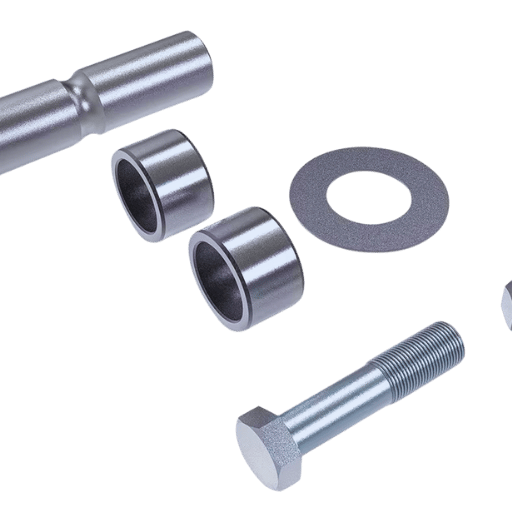
Step-by-Step Guide to Installing Stainless Steel Meter Housing
- Inspect the Components: Inspect all stainless steel meter housing components for defects or irregularities. Ensure all parts are present as listed in the final checklist for the installation kit.
- Prepare the Installation Site: Clean the mounting surface where the meter housing will be installed. Remove any dirt, debris, or obstruction for proper fit and attachment.
- Align the Housing: Position the stainless steel meter housing, aligning it with the designated mounting points. Because this can cause operational problems, alignment between mounting points must be checked with a level.
- Secure the Housing: Screw or bolt the housing in place using the hardware provided. Ensure all fasteners are tightened evenly because uneven tightening can distort the structure, keeping all connections tight and secure.
- Connect Required Components: Fasten any other components to the housing, such as meter cables or seals, as per the manufacturer’s recommendations. Check that all connections are secure and functional.
- Perform the Final Testing: Ensure the stainless steel meter housing is correctly installed with no interference. Functional testing is done to verify proper incorporation into the system and check for seal leaks or misalignment.
How to Fit a Stainless Steel Conveyor and Tower
- Prepare the Site: The Installation site should be clean, level, and free of obstructions so as not to hinder the functioning of the equipment, like John Deere 1910. Ensure the site adheres to any structural or environmental requirements stipulated by the manufacturer.
- Inspect Components: Before assembly, conveyor and tower components should be inspected for damage and defects. Confirm that all parts are according to the dimensions and specifications cited in the installation guide.
- Install the Tower: Using bolts or clamps, constrain the tower securely to the foundation. It should be given a level check so that alignment and stability are not compromised. All procedures should then follow this.
- Attach the Conveyor: Place the conveyor onto the tower and tighten it through the attached mounting points. Follow all manufacturer procedures for mounting and connecting the conveyor.
- Connect Power and Controls: Includes electrical wiring and controls. Connect and test for safety, proper functioning, or conformity with regulations.
- Conduct Final Checks: Check the entire installation for stability and correct alignment for operational readiness. Do a trial run to confirm that the system is running smoothly without hiccups.
Installation Tips for Improving Durability and Efficiency
- Use High-Quality Materials: Select durable components and materials that resist wear, corrosion, and environmental influence. Top-grade materials thus lessen the risk of premature failure.
- Follow Manufacturer Guidelines: Ensure installation follows the manufacturer’s instructions and recommendations strictly for best performance and longer life.
- Proper Alignment and Calibration: Align all parts correctly during installation and perform any necessary calibrations. Components that are not properly aligned will wear faster and lose energy.
- Implement Protective Measures: Consider applying protective coatings, sealing, or insulation where moisture, heat, or other external factors might pose a threat.
- Schedule Regular Maintenance: Schedule periodic inspections and maintenance once the installation is complete. Regular maintenance helps maintain efficiency and allows potential problems to be spotted before they worsen.
- Ensure Adequate Ventilation: When suitable, ensure the system has enough ventilation to avoid overheating and ensure efficient operation.
Frequently Asked Questions (FAQs)
Q: What are the benefits of using 2.0 stainless steel meter housing in air seeders?
A: The 2.0 stainless steel meter housing provides durability and resistance to rust, which is ideal for air seeder operation. The strong design also provides hardware that will resist wear and tear so that the machinery operates well over time.
Q: How should I maintain my air seeder tubes to perform best?
A: Ensuring tubes are well-maintained is critical for air carts and other equipment, so you need to check and clean them. There should be no blockages or rust, which will yield even seed distribution.
Q: What are the hardware requirements for air seeder replacement parts?
A: Hardware requirements for air seeder replacement parts include the meter, drive coupler kits, handle assemblies, and mounting plates. Such components facilitate smooth and efficient machinery operations.
Q: What are some tips for efficiently managing the handle mechanism in an air seeder?
A: It should be inspected regularly for any wear or damage. Lubricate all moving parts and ensure the handle is tightly attached to prevent any inhibition during seeding.
Q: What is the purpose of the hydraulic system on an air seeder?
A: A hydraulic system operates various functions of the air seeder, such as seeding depth adjustment and slide gate plate control. Proper maintenance of the system will prevent leaks and ensure efficient operation.
Q: What spring setup does the slide gate plate provide for the air seeder?
A: The slide gate plate regulates the seed flow from the hopper to the distributor. Adjusting it helps regulate seeding rates and maintains a clear seed passage to prevent clogging.
Q: How does a drive coupler kit improve the functions of an air seeder?
A: The drive coupler kit maintains the connection between the motor and various components inside the air seeder, ensuring smooth operation of the finished product. It transfers the power efficiently, making seeding operations continue without a hitch.
Q: What should I look for in replacement air seeder parts?
A: While looking for air seeder replacement parts, consider compatibility with your equipment, quality, and durability of the materials. Brands similar to Romafa Metal offer stainless steel parts resistant to rust and wear.
Q: Why should stainless steel be used to make air seeder parts?
A: Stainless steel has corrosion resistance properties that are suitable for applications under the severe conditions presented by agriculture. It acts as a sturdy solution to the need for materials whose wear states are kept to the barest minimum under the frequency of use and exposure to the elements.
Q: Where can I acquire reliable air seeder parts for brands such as John Deere and Bourgault?
A: Reliable air seeder parts can be found at authorized dealers and maybe at specialized agricultural suppliers for brands such as John Deere and Bourgault. Reputable shops in Brandon, Manitoba, and Saskatoon, Saskatchewan, carry a good selection of compatible parts.
Reference Sources
No-Till Cropping Systems in Oklahoma – An overview of air seeder openers and their role in no-till cropping systems.
Leading Stainless Steel CNC Machining Services Provider in China


