


The melting points of different solder alloys must be understood to make strong, reliable bonds and maintain project integrity. Whether you’re a DIYer, an electronic technician, or an industrial engineer, the possibility of solder type and melt temperature information may change the way you work and your outcome. This guide will discuss the key solder alloy types, their properties, and the corresponding temperature ranges for melting. After reading this article, you’ll learn valuable information that will lead you to precision and success when picking the right solder for any job.
Understanding Solder and Its Melting Point

The melting point of a solder is the temperature at which it transitions from a solid to a liquid state. This property is vital because it defines the behavior of the solder during the joining operation. For example, standard alloys of tin-lead solder have a pretty much fixed melting temperature range, such as 183°C for truly pure tin-lead solder. Lead-free solders are frequently tin with some other metal, mostly silver or copper. In contrast, the melting temperature of these solders is usually somewhat higher than that of tin-lead solder, ranging from approximately 217°C to 227°C. If we have an understanding of these temperatures, then controlling the joining process improves. Hence, components will join securely without overheating or damage to materials.
What is Solder?
Solder is a fusible metal alloy used to create a strong electrical or mechanical bond between two surfaces, generally metal components. It melts at a temperature lower than that of the material being joined, thus granting precise and efficient assembly on various applications. It is mainly used as a connector in electronics, plumbing, or metalwork by forming a conductive path or a seal. In recent years, some solder materials have evolved to include those without lead, claiming to be safe for the environment and health while still being durable and reliable. Solder compositions are commonly tailored to meet the desired parameters of a project, thereby ensuring solder performance across the broadest range of industries.
The Importance of Melting Point in Soldering
Solder-type melting point is of paramount importance in determining its applicability and service life in a particular field. It is usually defined as a temperature range in which the solder passes down or up to make a join between the two pieces with the exertion of sufficient force to make that join strong and reliable. Solder with the desired melting point should be selected based on the nature of the materials to be joined, operating conditions, and the usefulness of that joint.
For standard tin-lead soldering, eutectic solder (63% tin, 37% lead) is expected to melt at approximately 183°C (361°F) for optimal results. Tin-silver-copper (SAC) alloys, however, are almost worldwide standards for lead-free solder systems due to the increased demand for such products on health and environmental grounds. For instance, SAC305 melts slightly higher, from 217°C to 220°C (423°F to 428°F), thus requiring adjustments to soldering iron settings or reflow oven profiles.
Another aspect to consider would be the thermal sensitivity of components and substrates. Applications requiring very high operating temperatures often utilize high-melting-point solders, such as those based on gold and silver alloys, in aerospace and medical devices, respectively. Whereas low melting point solders such as bismuth-containing alloys melting at approximately 138°C (280°F) are used in the kind of kitchen electronics where being thermally stressed would create damage.
Understanding and utilizing computer-aided advancements in solder materials to adjust processes according to modern technology requirements will help companies enhance efficiency and compliance with global RoHS (Restriction of Hazardous Substances) standards. Apart from maintaining strict temperature selection and material property parameters, this also significantly assists industries in maintaining precision and quality.
Factors Affecting Solder Melting Temperature
Several factors influence the melting temperature of solder. Each of them, thus, plays a crucial role in deciding the applicability of solder for a specific use. Among these factors are:
- Alloy Composition
The melting point of a solder primarily depends on its alloy composition. For example, conventional tin-lead solder melts within the range of 183°C to 188°C, while lead-free types, such as tin-silver-copper SAC alloys, melt at a higher temperature, mainly within the range of 217°C to 221°C.
- Impurities in the Alloy
Any impurities will drastically affect the melting temperature of the solder. Similarly, oxides or extraneous metals will act as contaminants, interfering with consistent melting behavior and potentially leading to defects in the solder joints.
- Environmental Conditions
Atmospheric pressure and humidity are examples of factors that could modify the melting temperature during the soldering operation. Oxidation would occur more rapidly in higher humidity, whereas lower pressure would reduce the effectiveness of heat transfer.
- Soldering Method
Another factor is the soldering method, as wave soldering, reflow soldering, or hand soldering may influence heat generation and distribution, and thus potentially impact the observable melting behavior of the solder.
- Substrate Material
The type of base material has some effect on the conduction of heat and the retention of temperature. Hence, a material with good thermal conductivity, such as copper, requires a significantly higher heat input for the solder to melt and form a bond.
Hence, by understanding all these factors, a manufacturer can adjust soldering processes to ensure that electronic assemblies perform well and are of high reliability.
Solder Alloy Types and Their Properties

- Tin-Lead Solder
The tin-lead solder is a widely used traditional alloy in electronics due to its low melting temperature and ease of use. Typically, 60% of tin and 40% of lead are used to provide the best electrically safe and mechanically strong bonding. Due to environmental and health hazard concerns, its use has now been restricted under specific regulations, e.g., RoHS (Restriction of Hazardous Substances).
- Lead-Free Alternatives
Lead-free alternatives such as tin-silver-copper (SAC) alloys have become increasingly popular in modern electronics. These SAC alloys typically contain 96.5% tin, 3% silver, and 0.5% copper, resulting in mechanical properties similar to those of tin-lead solder and thermal properties. Although lead-free alloys generally have higher melting points, they are environmentally friendly and comply with global standards.
- Bismuth-Containing Alloys
Alloys containing bismuth, such as tin-bismuth (Sn-Bi), find applications primarily in low-temperature processes. These alloys have their melting points substantially lowered, resulting in energy-efficient operations. However, bismuth-based solders often perform a bit worse in terms of mechanical strength compared to other specific options.
- Silver-Containing Alloys
Silver in solder alloys enhances thermal and electrical conductivities. These alloys are used for high-reliability applications in aerospace or medical devices, among others. Silver also helps reduce the tin whisker technical issue.
Knowledge of the properties of these solder alloys enables manufacturers to select and optimize soldering methods for specific applications, thereby ensuring durability, compliance, and functionality in electronic assemblies.
Common Solder Alloys
Solder alloys vary in composition to serve particular application needs. Among the more popular alloys are:
- Tin-Lead (Sn-Pb) Solders: Considered the classical alloys, they offer better wettability and mechanical strength. 63/37 (tin/lead) is a standard composition, characterized by a low melting point with an almost abrupt transition from the solid to the liquid state. However, environmental and health concerns have led to a reduction in the use of leaded solders.
- Lead-Free Solders: Due to restrictions such as the RoHS, lead-free alternatives have gained acceptance in numerous industries. Examples include alloys such as SAC (Tin-Silver-Copper) and Sn-Ag-Bi (Tin-Silver-Bismuth), which offer good mechanical properties and thermal behavior favorable for modern electronics.
- Silver-Alloyed Solder: Alloys containing silver, such as Sn62Pb36Ag2, offer higher levels of thermal and electrical conductivity, making them well-suited for demanding environments, including aerospace, medical devices, and power electronics.
- Bismuth-based alloys are typically used in low-temperature soldering processes, which is a significant contribution to reducing the environmental footprint of conventional solders. The distinct feature of bismuth allows for the melting temperature to be lowered while maintaining suitable performance.
- High-Temperature Solders: Common applications for temperature-resistant solders are in the automotive or industrial sectors, signaling a preference for high-melting-point alloys such as Tin-Antimony (Sn-Sb) or Gold-Based variants.
Correct alloy selection depends on factors such as the operating environment, thermal cycling demands, and regulatory requirements. According to the latest data on sustainability, the shift toward lead-free options continues unabated, with manufacturers trying to strike a balance between sustainability and performance.
Lead-Free Solder Options
An increasingly broad range of lead-free solders has emerged from the search for environmentally friendly solutions that must also meet performance and regulatory standards. Chiefly, the Sn-Ag-Cu-type compositions are highly regarded as solders due to their excellent thermal and mechanical reliability, making them suitable for various electronic applications. A more traditional approach would be a Tin-Copper composition, considered inexpensive and sufficiently effective for wave and reflow soldering in less stringent environments. In other words, these combinations are gaining popularity owing to their manufacturing benefits: low melting points and low warping potential.
Being recent, the data indicate the development of more advanced and aggressive alloys to circumvent the unwanted effects of thermal fatigue and voiding. Techniques for enhancing wetting to reduce joint failures are under constant development, thereby increasing the reliability of lead-free solders in demanding applications such as automotive electronics and renewable energy. Properly selected and process-optimized modern lead-free soldering materials can prove that they entirely compete in performance with traditional leaded ones while also providing environmental sustainability.
Comparison of Sn-Bi and Other Alloys
To compare Sn-Bi alloys with Sn-Pb, Sn-Ag-Cu (SAC), and Sn-Zn alloys, the melting points, mechanical strength, reliability, and environmental considerations have been carefully reviewed.
|
Parameter |
Sn-Bi |
Sn-Pb |
SAC |
Sn-Zn |
|---|---|---|---|---|
|
Melting Point |
138°C |
183°C |
217-220°C |
198°C |
|
Strength |
Moderate |
High |
High |
Moderate |
|
Reliability |
Moderate |
High |
High |
Low |
|
Environment |
Eco |
Toxic |
Eco |
Eco |
Low Temperature Soldering Techniques

Low-temperature soldering methods are developed to minimize thermal stress on components and ensure a reliable connection. These techniques typically involve the use of alloys that melt at low temperatures, such as Sn-Bi-based ones, to prevent damage to heat-sensitive materials. Main approaches include defining reflow profiles that permit complete wetting but do not exceed critical temperature limits, and selecting fluxes compatible with low-temperature alloys to maximize joint quality. These methods are beneficial for applications such as flexible electronics assemblies or thermally sensitive ones that require the conservation of structure and function throughout processing.
Advantages of Low-Melting-Point Solder
- Reduced Energy Consumption
The low-melting solder melts at low temperatures; thus, less energy is consumed during the soldering process. This means that not only is there a reduction in operational costs, but it also advocates greener manufacturing processes.
- Reduced Thermal Stress on Components
Lowering the processing temperature greatly minimizes the chances that heat-sensitive components or materials will be damaged, thereby improving the reliability and performance of electronic assemblies.
- Shorter Production Cycle Time
The Low-temperature reflow process enables the production cycle to be fine-tuned for a faster turnaround time, resulting in higher efficiency for high-volume manufacturing processes.
- Better Compatibility with Flexible Substrates
Sensitive substrates, such as flexible printed circuit boards (PCBs) or thin-film electronics, benefit from low-melting-point solder to prevent warping during assembly and preserve their structural integrity.
- Better Joint with Special Fluxes
Typically, the low-melting solder is well suited by the advanced flux formulation specially made to enhance wetting and adhesion, providing strong and reliable solder joints even at low temperatures.
Applications of Low-Temperature Solder
Low-temperature solder, technically due to reduced working temperatures, has important applications across several fields. The following are those five applications:
- Consumer Electronics
Low-melting solder has significant applications in shipping delicate parts for consumer electronic items, such as mobile phones, tablets, and even wearables. The solder has a lower melting temperature, which provides less heat to the soldered components, thereby increasing the product’s longevity margin.
- LED Lighting Assemblies
The production process for LED modules utilizes low-melting solder to ensure a precise soldering operation with minimal damage to the components, resulting in an energy-efficient lighting system with a high guarantee of functionality and durability.
- Medical Devices
Some medical instruments involve intricate assemblies, such as those found in sensors and diagnostic tools. In these devices, low-temperature soldering ensures that contacts are made accurately and prevents thermal shock damage, which is crucial for meeting their high-performance requirements.
- Automotive Electronics
Low-temperature soldering is used in automotive electronics, from infotainment to sensors and safety modules, to work with sensitive and compact circuit elements to produce tough and heat-sensitive electronic solutions.
- Flexible and Wearable Electronics
Due to its ability to maintain structural integrity while providing dependable connectivity in a flexible format, low-temperature soldering is particularly desirable for thin, flexible electronics, such as fitness trackers or e-textiles.
Choosing the Right Low-Temperature Solder
Selecting the correct low-temperature solder requires careful consideration of several factors to achieve superior performance and reliability. The melting temperature range, alloy composition, and strength, as well as compatibility with substrates and the components on hand, are key features to consider. For instance, among bismuth-based solder alloys, Sn42/Bi58 is preferred due to its low melting temperature and minimal thermal stresses on delicate electronic assemblies. However, it is essential to verify oxidation resistance and electrical conductivity.
Current data indicate an increasing trend among industries towards eco-friendly solder solutions, thereby prioritizing lead-free compositions to meet global sustainability standards. Furthermore, understanding the general working condition, including vibration, thermal cycling, or moisture, would contribute towards concocting the solution. By laying these into consideration along with the application requirement, an engineer can choose a solder material that ensures durability, efficiency, and a step against the norms in modern manufacturing.
Solder Melting Temperature and Circuit Board Applications
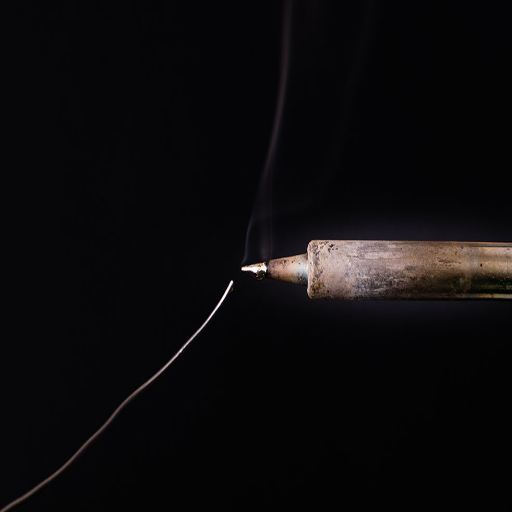
The solder’s melting temperature is crucial in circuit applications, as it determines the amount of heat generated during the soldering process. Common lead-free solders (mostly tin-silver-copper (SAC) alloys) usually melt between 217°C and 227°C, whereas the tin-lead solder conventionally melts at around 183°C. The circuit boards are designed to withstand soldering temperatures without compromising their structure; therefore, the selection of solder depends on the thermal capacity of the board. Proper soldering thus results in strong and reliable joints while eliminating the chance of damage during assembly.
Understanding Solder Reflow in Circuit Boards
A solder reflow oven is critical to circuit board assembly, and successful component attachment depends on having the right temperature profile. During reflow, solder paste is heated just enough to melt and accomplish a good joint between the surface mount components and the PCB. The key influencing factors for solder reflow are the solder alloy, the thickness of the PCB, and the thermal sensitivity of the components.
In the modern era, combined with knowledge from the Google search engine, lead-free solder alloys such as SAC meet the increasing demand for environmental regulations, including RoHS (Restriction of Hazardous Substances). Additionally, the control of temperature zones within the reflow oven, including preheat, soak, reflow, and cooling, must be maintained to prevent solder bridging, tombstoning, or damage to components during assembly. Profiling achieves optimal heating for each layer of the circuit board, thereby retaining structural stability while minimizing defects.
Impact of Melting Point on Circuit Integrity
The melting point of a solder is crucial to the orderly completion of circuits. If the melting point of a solder is too low, thermal stresses may degrade the connections, potentially disturbing its construction or leading to complete failure over time. On the other hand, if the melting point of a solder is too high, then the heat necessary to carry out the assembly process would damage the sensitive components being assembled. Presently, lead-free solder alloys assure a slightly higher melting point than their lead-based counterparts. As such, the high melting point improves their reliability in high-temperature scenarios but puts severe demands on thermal control at reflow. From the data obtained in technological research, there is some synergy in ensuring that a careful choice is made for the solder materials to their melting points; these would then also adhere to regulations such as RoHS and afterward demonstrate outstanding performance in long-term circuit applications, especially where automotive and aerospace applications place heavy emphasis on thermal resilience.
Best Practices for Soldering Circuit Boards
- Choose the Right Solder Material
Selecting the right solder is a crucial step in the process. Lead-free solder is promoted to save the environment and comply with RoHS regulations. In applications requiring high thermal endurance, such as those in the automotive and aerospace industries, select high-temperature solder alloys to ensure reliability.
- Optimize Thermal Profiles
Consider thermal profiles carefully during the soldering process to prevent damage to components. Prepare and control reflow profiles precisely, monitor temperature gradients, and ensure that components are not overheated, allowing the solder to flow completely.
- Cleanliness
A clean surface is essential. Oxidation, dirt, contaminants, and residues must all be removed from both the PCB and the tools. Flux is then used to remove any remaining oxidation and promote wetting between the components and solder.
- Use Wrong Soldering Tools
The soldering iron or reflow oven used must be suitable for the job at hand, with temperature settings that accommodate the type of solder being used. Additionally, the correct size and shape of the tip must be considered to produce clean and neat solder joints.
- Inspect and Test Solder Joints
After soldering, inspect all joints under magnification to ensure they are glossy and free of voids or cracks. Conduct quality testing, such as X-ray inspection, to detect hidden defects, particularly in high-reliability applications.
Reference Sources
- Authors: TianPeng Zhang et al.
- Publication Date: 2023-01-01
- Journal: Transactions of Nonferrous Metals Society of China
2. Effect of Si3N4 nanowires doping on microstructure and properties of Sn58Bi solder for Cu bonding
- Authors: Chen Chen et al.
- Publication Date: 2023-09-22
- Journal: Soldering & Surface Mount Technology
- Authors: Min Jeong Ha et al.
- Publication Date: 2023-09-01
- Journal: Journal of Materials Science: Materials in Electronics
Frequently Asked Questions (FAQs)
What is the melting point of solder?
The melting point of solder varies depending on the type of solder used. For traditional lead-based solder, the melting point is typically around 183°C. Lead-free solders, such as those made from tin and bismuth (Sn-Bi solder), may have different melting points, often ranging from 217°C to 230°C.
How does the solder melting point affect circuit board assembly?
The solder melting point is crucial for circuit board assembly as it determines the temperatures needed for solder reflow processes. If the temperature is too high, it can damage sensitive electronic components. Therefore, understanding the optimal melting point helps in achieving reliable solder joint formation without compromising the integrity of the circuit board.
What is solder flux, and how does it relate to the melting point?
Solder flux is a chemical cleaning agent used during the soldering process to remove oxidation from the metal surfaces, ensuring better adhesion. The flux can also influence the melting point of solder by improving the flow of the liquid solder and reducing the required temperature for adequate solder wetting.
What are the differences between lead-based and lead-free solder melting points?
Lead-based solder, such as eutectic Sn-Pb solder, typically has a lower melting point than many lead-free solders. This makes lead-based solder easier to work with; however, due to health and environmental concerns, lead-free alternatives are becoming increasingly popular, despite their higher melting temperatures.
What is the melting range of solder alloys?
The melting range of solder alloys refers to the temperature span over which the solder transitions from a solid to a liquid state. Eutectic alloys, such as certain Sn-Pb solder, have a narrow melting range. In contrast, non-eutectic solders may have a broader melting range, which can affect their application in different soldering scenarios.
Can the melting point of solder be modified?
The melting point of solder can be modified by altering the composition of the solder alloy. For example, adding metals like indium can lower the melting point of solder, making it easier to work with in specific applications. Selecting the right solder candidates based on their melting points is essential for achieving optimal performance.
What happens to solder as it reaches its melting point?
As solder approaches its melting point, it undergoes a transition from a solid to a liquid state. This change occurs at a specific temperature, known as the liquidus temperature. Once solder is fully melted, it can flow freely to create strong solder joints, which are essential for reliable electrical connections in circuit boards.
What is the importance of temperature control during soldering?
Temperature control is vital during soldering to ensure that the solder reaches its melting point without exceeding it. High temperatures can lead to solder balls or damage to components. Maintaining a constant temperature enables the formation of proper solder joints, ensuring strong and reliable connections.


