


The best material for making the stairs look both stylish and have a purpose is stainless steel stair parts. They are the most popular in the industry because of their known exponents of high strength, and they can serve many uses at will, and have trendy finishes. They are also one of the most aesthetically pleasing materials and are less prone to wear and tear. These lovingly stainless-steel stair parts available in the market will be detailed in this post, as well as their advantages, and how to choose the best size for the staircase. Whether you are renovating your home or property to make a hotel out of it, the good news is that stainless steel is the only and everlasting material for building stairs.
What Are the Benefits of Using Stainless Steel Stair Parts?

Stainless steel is an interesting and unique alloy that is not heavy compared to other metals. Artists have long used this advantage of stainless steel to create incredibly stylish and appealing furniture. However, they should always ensure that they do it safely and securely.
Durability of Stainless Steel Stair Railings
Highly durable stainless steel stair rails almost always surpass theoretical harsh conditions. The simple fact is that the material does not corrode, rust, or stain and thereby ensures low maintenance benefits, especially amidst the harsh outdoor and indoor environments, thus eliminating the need for a reappraisal of the expenses. It helps in the establishment in the industry also that the steel of higher quality and the lines that contain more chromium form a thin oxide layer on the outer surface, which offers extensive protection by preventing the tendency to be submerged in water, air, and the corrosive nature of water with salt or acidic contamination. It is rated for such a climate, let us say coastlines or industrial zones, which have the potential to be attacked.
There have been a lot of studies by experts that demonstrate how stainless steel can resist very high or low temperatures and extremes in the overall thermal environment, which can be recommended as safe, even in the case of fire. Stair railings are kept in place for a very long time without worrying about their security and strength because they are inherently strong, with tensile strength being at least 515 MPa (some grades may have tensile strength even more than 1000 MPa).
Visual Appeal of Stainless Steel Stair Components
Aluminum rail stair parts are known for their elegance and stylish appearance, which matches many building designs. This is because it has a nice consistency, mostly polished, and combined with any architectural design, it can make a good impression, whether modern or classical. Notably, the last two points indicate that as beautiful as it is, stainless steel can be finished in mirror, brushed, or satin and designed to a particular railing blueprint due to the owner’s manual.
On the other hand, other examinations showed that the number of stainless steel stair components has proliferated over the years, with most home and office owners going for this material as it is elastic and qualitative. In the past, these kinds of alloys were commonly used in rural areas since the trends have been shifting over the years, they are now more preferred in the oceanic metropolises demanding that the said material will grow globally at the rate compound annual growth rate (CAGR) 5.4% within the nine coming years, between 2023 to 2030.
Unlike other materials, stainless steel, besides stairs, works in concert with different materials such as glass or wood to lead to creative designs. An instance involves putting up stainless steel and glass designs that usually open up the space and keep it well lit. This also includes enhanced elements like stairs supported by the stair sides and a broad range of other settings, particularly those that feature several steps.
Luxury and practical value are some of the reasons that many people choose to use stainless steel handrails in different sectors. They can perform almost all the functionality of those railings with the ‘correct’ design.
Maintenance and Longevity of Stainless Steel Stair Parts
Despite their stainless steel make, stair components need proper maintenance to function for the long term. Scrubbing with soft materials after dousing in mild, soapy solutions ensures that dust is cleared off and other contaminants are not left to stick, thus preserving the surfaces. Unsightly blemishes on the steel, resulting from stains or even fingerprints, could also be removed with specific cleaners that don’t leave scratches. Retaining the seamless, even look of the stainless steel and preventing staining and odors caused by finger marks’ formations implies first scrutinizing it for any structural deficiencies in the form of damages or even the early appearance of corrosion when keeping them in a corrosive or wet environment. Such steps of cleaning and maintenance slow down the degradation tendencies of the stainless steel stair parts, thus making them serve their purpose and adopt a reasonable appearance.
How to Choose the Right Stainless Steel Stair Railing System?
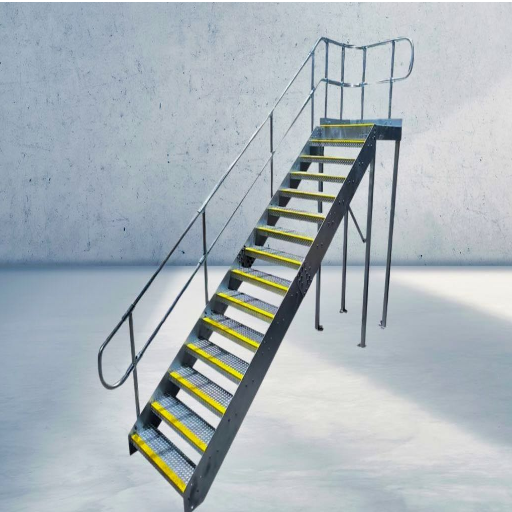
Here are some of the considerations to be made before selecting a stainless steel stair railing and handrail:
- Grade of Material —The appropriate stainless steel grade, relevant to the surroundings within which it shall be installed, must be employed. Indoor settings and a 304 grade will ensure a quality finish, whereas outdoors or in places that are corrosive or prone to rusting, one is encouraged to employ a 316 grade.
- Safety and Style—Select a design that will fit in and that is in line with the interior of the house. Modern designs and older, contemporary designs coexist.
- Safety and Building Regulations—Ensure that the railing is in full compliance with the laws and the correct building standards. It is important to remember the correct height, position, and strength of the structure to keep people using it safe.
- Strength and Care-support such systems that will not easily wear off and that maintaining them is minimal. By designing stainless steel rails with non-abrasive finishes like brushing or polishing, there would be less tearing of such materials and therefore easier cleaning.
- Method of Assembly-Keep in mind how the process of assembling the system has been created. Pre-rebuilding options or colorless system designs will cover the organization faster, and inhabitants will spend less on wages.
Upon reviewing these aspects, the decision to select and support the use of a stainless steel stair railing system will not only satisfy the requirements but also bring the benefits of both functionality and visual enhancement.
Types of Stainless Steel Stair Railings Available
There are many different types of stainless steel stair railings, including brushed, polished, cable, glass, rod, and mixed-material railings.
|
Type |
Finish |
Material |
Style |
Use |
Feature |
|---|---|---|---|---|---|
|
Brushed |
Satin |
Stainless |
Minimalist |
Indoor/Outdoor |
Scratch-resistant |
|
Polished |
Glossy |
Stainless |
Elegant |
Indoor/Outdoor |
Mirror-like shine |
|
Cable |
Matte |
Stainless |
Modern |
Decks/Stairs |
Unobstructed view |
|
Glass |
Transparent |
Stainless |
Sleek |
Balconies |
Open feel |
|
Rod |
Matte |
Stainless |
Contemporary |
Stairs |
Horizontal/Vertical |
|
Mixed-Material |
Varies |
Stainless/Wood/Glass |
Customizable |
Any |
|
Factors to Consider When Selecting Stair Parts
- Material Durability As regards the durability of the parts used for the staircase, it is essential that chemicals ensure high durability at high temperatures. Stainless steel, for instance, is resistant to rust, corrosion, and wear. This self-resistance has made it quite popular, serving its purpose for a long time.
- Aesthetic Appeal When buying stair parts, focus on the particular aesthetic of the room you are working on. Whether you choose modern, sleek, and simple designs or more artistic and intricate traditional-themed components, every single part makes a huge difference to the look of the staircase.
- Safety Features. However, safety comes first, so aim to achieve maximum equipment protection. Find the elements which cause no slip, are provided with ergonomically located handrails and clamp it up properly in order to reduce damage due to possible falls.
- Compatibility with Existing Structure Parts should be carefully selected to be precisely the same size so as to fit together with the staircase without padding or trimming. Correct tendon sizes and plane fit are very important for the secure installation of parts on the structure.
Ease of Maintenance: Purchase those materials that can be cleaned and do not wear out easily. Often, parts made of such finishes that do not easily collect prints and resist other dirt can be beneficial in reducing fatigue in maintenance.
Comparing Cable Rail and Traditional Stair Railings
Horizontal cable railings are notable for their sleek contemporary design, durability, and simple construction with zero maintenance intervals, while vertical bar railings enrich the architectural design but require more meticulous care.
|
Aspect |
Cable Rail |
Traditional Rail |
|---|---|---|
|
Design |
Minimalist |
Classic |
|
Durability |
High |
Moderate |
|
Maintenance |
Low |
High |
|
Cost |
Higher upfront |
Lower upfront |
|
Safety |
Code-compliant |
Code-compliant |
|
Aesthetic |
Modern |
Rustic/Classic |
Can Stainless Steel Stair Parts Be Used for Outdoor Installations?
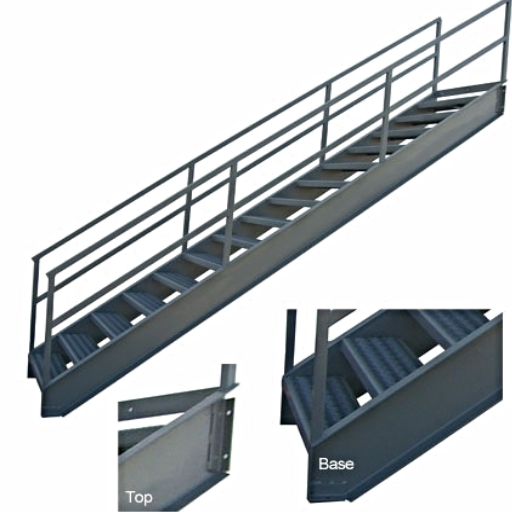
Yes, stainless railings or handrails can be mounted on porches and balconies. Stainless steel is strong and resistant to rust, making it one of the strongest materials for sites that are located outside. To extend service life and maintain efficiency, 316 steel is an optimal material for external applications as it can be used in weather conditions, including moisture and salt. In addition, these elements will need periodic cleaning and other maintenance activities to ensure the structure’s integrity.
Benefits of Outdoor Stainless Steel Stair Railings
- Innovation and other similar concepts
Steel is known for its resilience even when faced with harsh weather conditions such as rain, snow, and extreme heat. Thus, it is convenient for use as a material for outdoor stair railings and allows a higher level of wear in comparison with other materials.
- Safe and Eco-Friendly Stainless Steel Handrail Systems
Such stainless grades as 316 offer increased rust and corrosion resistance, meaning they are a good choice for superior hot and humid or high salt humidity areas such as oceanic regions. This is important as it prevents the railings from systematic decay and deformation over time.
- Ease of cleaning
Stainless steel outdoor stair railings are also low on maintenance levels as they only have to be washed when the owner wishes, for quality purposes. This low—maintenance property makes it more cost-effective in the long run.
- Introducing new economic models
Stainless steel handrails come in a good finish to enhance beauty, especially the ones used along outdoor walk areas. Railing designs can shift from simple to complex in any location where they are desired, creating an elegant environment for business clients and homeowners.
- Physical Safety
Stainless steel railings are well known for their ability to bear large forces and hold up well, which is why they are good for restraints. It is advisable to make them completely bolted and fixed, as stainless steel can carry high loads because of the mentioned materials.
Choosing the Right Stainless Steel Grade for Exterior Use
The grade of stainless steel specified for the outdoor installation, building, or any other purpose is the key parameter in the resistance to environmental impact. Generally, in outdoor applications, grades of stainless steel such as 316L and 304L are the most recommended. Stainless Steel Grade 316 is an austenitic, corrosion-resistant steel made of its composition, which includes the addition of the natural element molybdenum to increase its anti-corrosive properties, particularly in those conditions that are marine or salty with the presence of chemicals. Hence, it is more than perfect for operation at the seaside or under harsh weather.
Chapter Two of this paper explains explicitly why customers would always prefer stainless to rusting materials, the ever-outstanding corrosion-resistance factor of stainless steel. 304 grade stainless steel, meanwhile, though not as rugged as 316, is very popular for applications where the exposure to corrosion is much less. Railing and garden furniture are widespread external installations that have even been adapted to support the frame. Further, the person must appreciate the type of external setting and the state of its upkeep, as they will affect the selection of the most suitable material for the particular work.
Maintenance Tips for Outdoor Stainless Steel Components
- Regular Maintenance
You should regularly clean the stainless steel components using mild detergent or a special stainless steel cleaner mixed with warm water for wiping. This procedure contains the effects of tearing off the dirt and other debris, together with any potential corrosive particles, such as salinity or fumes.
- Stay Away from Rough Cleaners
Clean with a soft, damp cloth, plastic, or a soft-bristled brush. Forget about using steelwool and hard scrubbing pans, as they would make it easier to scratch or introduce iron particles that might cause the steel to rust.
- Clean Your Surfaces before Using Them Again
After you have cleaned, it is recommended that you rinse the area you washed with pure water. Moreover, leaving any soap or detergent residue on the cleaned surfaces will result in some dark spots or poorly defined yellow lines over time.
- Before Using the Kitchen or Another Area
After washing dishes and so forth, it is pertinent to make sure that the first thing to do, no matter which area you are in, is to dry the stainless steel completely. This will eliminate the presence of water patches that cause the steel to start to rust and prevent dampness that may compromise the integrity of the steel.
- Check for Cracks
Ensure that your components are in good condition and take measures to address scratches, dents, or rust. Tackling these problems as soon as they are indentified will hinder further deformations and extend the persistence of the metal material over time.
What Accessories Are Needed for a Complete Stainless Steel Stair Railing System?
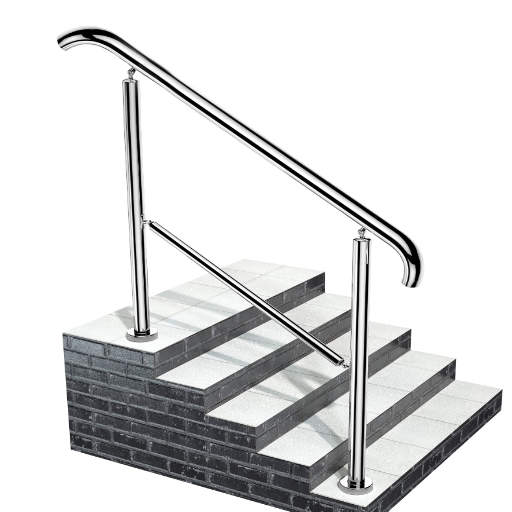
When designing a stainless steel staircase banister, you must prepare the following list of components:
- Railing
This is the most essential item of the railing system since it is needed for architectural purposes and support.
- Support or railing posts
In the same way, handrails and railing posts need to be placed vertically at the ends of the ladder so that the handrails can be inserted firmly.
- Balusters
They are the vertical elements separating the railing or the bottom rail and handrail of a stair guard
- Bracketing
Specifically used to support or affix balusters inside a stairway case.
- End covers
Used for finishing the start and end of a handrails, making it smooth
- Bolts and Screws
These fasteners are required to reliably combine the rail systems’ components and connect them to the designated place.
- Glass or Cable Panels
If the design calls for a glass or cable element, these will also add an appealing accent and enhance the overall safety of the layout.
Each of the abovementioned accessories is integral for the system’s smooth functioning and long service life.
Essential Hardware for a Secure Stair Railing Installation
These essentials guide the precise stair railing hardware during a stair installation. The vital components of the equipment are addressed, and recommendations are made that will facilitate the proper implementation of its different components.
- Rail Attachments
Rail brackets protect the handrail by connecting it to a wall or post. It is important that the bracket be made of quality materials, which are robust in structure and should not deteriorate over time. Brackets are usually fitted in intervals of 36” to 48″” as per the practices of most rules to increase the stability of the rail system.
- Expansion Bolts
Dual installation of the expansion bolts is proper when anchoring the posts, the gating system, and other components of the fencing system. Covering anchor bolts create a bond in concrete, and these covering anchor bolts are known for their ability to bear high tensile bars because, ordinarily speaking, they can accommodate more than 500 pounds, given proper installation.
- Mechanical Fasteners
These fasteners also need to be selected carefully based on the material of the railing system. Metal is a strong material, so self-tapping screws are the best for metallic components. Timber railing screws should be used on extensive timber railings. The use of resistant coatings on these screws prevents corrosion and enhances resistance to weather elements.
- Hardware for Glass and Cable Systems
For a layout with a glass partition or cables, tightness from tensioning hardware is crucial for maintaining structural rigidity. Tensioners and clamps meant for very high loads should be provided, especially for cable systems, so the cables have high tensions, generally around 300-350 pounds.
- Connection Plates Between Posts and the Stairs
Such connecting or post base plates are used to fix the vertical posts concerning the flight of the stairs. The base plates should be positioned correctly with the stairs’ material to guarantee adequate load bearing. Steel base plates of about ¼ inch are frequently used in buildings, be they industrial or residential.
Data Insights and Recommendations
- Obligatory Safety Measures
By the International Building Code (IBC), handrails must resist a uniform load of 50 lbs per running foot or a concentrated load of 200 kg in any direction. It is possible to meet these requirements by selecting the proper hardware.
- Choice of Materials Concerns
Enhanced maintenance is a significant factor in the growing appeal of weather-resistant materials such as powder-coated aluminum and stainless steel. A study conducted in 2023 demonstrates an increase in the use of such materials to 55% in the construction of railings at residential occupancy buildings.
- Budget Limits
The trivial prices for the stair handrail hardware can go from $10.00 to $50.00 for a specific bracket or fastener, and are dependent upon the material of construction and the level of sophistication. Such materials may mean an increase in capital outlay but reduce replacements and maintenance costs in the future.
Using expensive and specifically designed hardware and following installation standards assures that the railings will be secure, last long, and look good. Practical and safety measures enforced in building construction save lives.
Exploring Options for Glass Railings in Stair Design
Glass railings are gaining in popularity in contemporary staircase designs because of their stylish and modern look and their ability to make the spaces appear even larger, making them a popular choice in the industry. Glass railings are usually made of tempered or sometimes laminated glass for the purpose of increased safety, and thus are available in many options such as clear glass, frosted glass, colored glass, etc. Recent search trends have been seen with the glass, but on a different note, with panels like wire or wooden with glass elements.
Reference Sources
- Proposal of design rules for improving the accuracy of selective laser melting (SLM) manufacturing using benchmark parts
- Authors: S. Giganto et al.
- Published in: Rapid Prototyping Journal
- Publication Date: January 31, 2022
- Key Findings:
- The study focuses on designing and manufacturing benchmark artefacts to evaluate the accuracy of the SLM process, particularly for 17-4PH stainless steel.
- It provides design recommendations, such as avoiding surfaces with negative slopes greater than 45° and compensating for material shrinkage by resizing features in the X and Y directions.
- Methodology:
- Artefacts were created with various geometric features and measured using optical methods to assess their dimensional accuracy(Giganto et al., 2022).
- Analysis of the causes determining dimensional and geometrical errors in 316L and 17-4PH stainless steel parts fabricated by metal binder jetting
- Authors: M. Zago et al.
- Published in: The International Journal of Advanced Manufacturing Technology
- Publication Date: March 16, 2024
- Key Findings:
- The research investigates dimensional and geometrical accuracy issues in 316L and 17-4PH stainless steel parts, highlighting anisotropic shrinkage and the impact of build position on dimensional changes.
- It identifies that higher shrinkage occurs along the building direction and provides insights into the effects of layer shifting and inhomogeneous density during printing.
- Methodology:
- Parallelepiped samples were produced and measured using a coordinate measuring machine to determine dimensional changes at different stages (green and sintered states)(Zago et al., 2024).
- Influence of aging treatments on 17–4 PH stainless steel parts realized using material extrusion additive manufacturing technologies
- Authors: A. Pellegrini et al.
- Published in: The International Journal of Advanced Manufacturing Technology
- Publication Date: February 23, 2023
- Key Findings:
- The study examines the effects of aging treatments on the mechanical properties of 17-4 PH stainless steel parts produced via material extrusion.
- It finds that aging significantly influences hardness and porosity, with different treatments yielding varying results in mechanical properties.
- Methodology:
- Parts were produced using three different extrusion-based processes, and mechanical tests were conducted to compare the effects of aging treatments(Pellegrini et al., 2023, pp. 163–178).
- Top custom stainless steel parts Manufacturer and Supplier in China
Frequently Asked Questions (FAQs)
Q: What are the benefits of using round stainless steel for stair railings?
A: Round stainless steel provides a modern touch while being durable and resistant to corrosion, making it an excellent choice for indoor and outdoor staircase handrails.
Q: Can I use iron balusters with a stainless steel cable railing?
A: You can combine iron balusters with a stainless steel cable railing system for a stylish and sturdy design. This combination allows for unique aesthetics while maintaining safety and stability.
Q: What materials are in a typical stainless steel stair rail kit?
A: A typical stainless steel stair rail kit includes components like handrails, balusters, fittings, and sometimes an installation kit to assist with setup.
Q: How do I install a cable railing system on my staircase?
A: Installing a cable railing system on your staircase typically involves securing the posts, attaching the cable, and adjusting the tension. To ensure proper installation, it’s advisable to follow the specific instructions provided with your kit.
Q: What is the difference between wrought iron and plain bar balusters?
A: Wrought iron balusters are typically more ornate and decorative, while plain bar balusters offer a minimalist, contemporary look. Your choice will depend on the style you want for your staircase.
Q: Are stainless steel steps suitable for both indoor and outdoor use?
A: Yes, stainless steel steps are suitable for indoor and outdoor use due to their corrosion resistance and durability, making them versatile for various environments.
Q: What are the advantages of using stainless steel banister rails over wooden ones?
A: Stainless steel banister rails are more durable, require less maintenance, and are resistant to weather and pests compared to wooden rails. They also provide a sleek, modern aesthetic.
Q: Can I customize the height of my stainless steel handrails?
A: Many stainless steel handrail kits allow for customization in height to accommodate different staircase designs and user preferences, ensuring safety and comfort.
Q: What types of building materials are compatible with stainless steel stair rail systems?
A: Stainless steel stair rail systems can be combined with various building materials, including wood, concrete, and glass. This compatibility allows for creative and functional designs in residential and commercial spaces.


