


One needs to know how the costs that come with CNC machining work. This can be utilized by people with small businesses, product designers, and large-scale industries. Since expenses are critical, it can help you make decisions and improve your production budgets. This article discusses why CNC machining services have high costs, such as the cost of material and machine time, the cost of a design, and additional finishing operations. In the last few paragraphs, you could identify the primary influencers of CNC machining prices, enabling you to forecast better and implement economical strategies in optimal manufacturing.
What Factors Affect the Cost of CNC Machining?
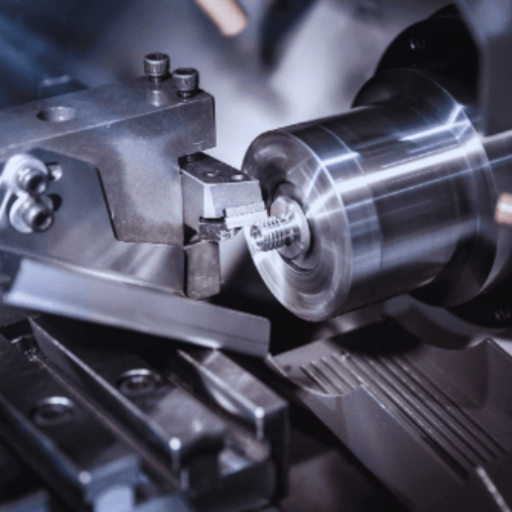
Countless parameters alter CNC manufacturing expenditure.
- Material Choice: The material used on the project significantly affects the money spent. Common metals, such as aluminum or steel, are more likely than a pricier option such as titanium. Design complexity: Very complicated and detailed designs normally require more tools and steps to achieve, which increases the cost of the project.
- Another crucial point to consider is how long it will take to process a given mechanism: very complex and detailed structures can take two hours or more. In this case, the machine time used is a significant cost determinant.
- Design Complexity: Advanced tooling and the incorporation of further steps are extremely plentiful in highly detailed or complex designs, inflating the cost.
- Finishing Processes: During or after the main machining steps, specific additional tasks such as buffing, painting, and coating also take time and hence increase the cost incurred.
Such actions enable one to optimally synthesize production expenses without compromising product quality.
Material Costs in CNC Machining
In terms of CNC machining projects, it should be clear that the materials that a final part will be composed of will directly affect the total cost of the project. Material selection affects not only the cost but also the processing of the part. Aluminum and plastics tend to be less expensive and easier to work with compared to metals such as titanium and stainless steel, which are heavier and harder, hence more expensive.
Furthermore, there must be an allowance for the loss factor, especially in the case of CNC machining, since a component involves the sculpting its parts. Indentation and programming are some methods of minimizing costs for raw materials. Above all, material selection involves effectively managing material costs, namely, the most appropriate material for the job, the practical function of the agency, and the price.
Labor Costs and Their Impact on CNC Machine Cost
One of the principal issues in CNC manufacturing concerns the expendability of labor. Although it helps reduce the time required to complete a particular job, the use of this technology comes with the requisite increase in the number of people who need to be qualified to carry out its functions. Some professionals buy a program, make programs, and run them as operators. Also, skilled ones are required to ensure programs are accurate, run proper processes, and so on, in the machining environment.
How Machine Time Influences Overall CNC Expenses
Machine time is one of the most significant contributors to the overall cost of CNC machining. It refers to the duration a CNC machine is actively operating to complete a part. The longer the machine runs, the higher the costs due to energy consumption, tool wear, and maintenance needs. Reducing machine time can lead to substantial savings without compromising product quality.
Recent advancements in CNC technology, such as high-efficiency cutting tools and optimized machining paths developed through CAM software, help minimize machine time. Complex geometries that previously required hours of machining can now be completed more efficiently by utilizing multi-axis capabilities and automated setups. Additionally, improving material selection and machining strategies can reduce the need for excessive finishing or rework, further cutting down machine runtime.
Ultimately, precise scheduling and leveraging advanced technologies allow manufacturers to streamline operations, control machine time, and lower expenses, making CNC machining more cost-effective and efficient.
Is CNC Milling Expensive Compared to Other Machining Processes?
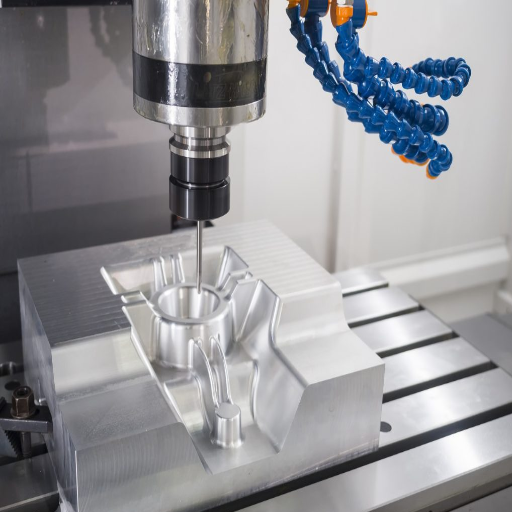
CNC milling can be quite more expensive initially when compared to other machining techniques due to the costlier and more involved machinery and setup. On the contrary, cost effectiveness generally sidelines the price issue, which CNC milling machines will repay in the long run, necessitating an increased efficiency, shorter lead time, and lower wastage. On the other hand, even though manual machining seems to cost less initially, the productivity of CNC milling often overrules manual machining, hence becoming the cheaper alternative for complex or larger-scale components. The decision about the cost can be comfortably established by considering economic factors such as project complexity, the type and strength of material being used, and the quantity of the outputs being produced.
Comparing CNC Milling with CNC Turning
CNC milling refers to a process where a cutting tool rotates while cutting on a stationary workpiece. In contrast, CNC turning refers to a process where the workpiece rotates against a stationary cutting tool.
|
Key Point |
Details |
|---|---|
|
Tool Motion |
Milling: Rotates; Turning: Stationary |
|
Workpiece |
Milling: Fixed; Turning: Rotates |
|
Shapes |
Milling: Complex; Turning: Cylindrical |
|
Tools |
Milling: Multi-point; Turning: Single-point |
|
Materials |
Milling: Metals, Plastics; Turning: Broad range |
|
Applications |
Milling: Frames, Panels; Turning: Shafts, Cylinders |
|
Precision |
Both offer high accuracy |
|
Efficiency |
Milling: Versatile; Turning: Faster for cylinders |
Cost Analysis: 3-Axis vs. 5-Axis CNC Machines
3-axis CNC machines are cheaper and easier to operate, but 5-axis machines have a higher price that is justified due to their capabilities to process 3D shapes.
|
Key Point |
Details |
|---|---|
|
Axes |
3 vs. 5 (rotational) |
|
Cost/Hour |
$40–$70 (3-axis); $100–$200 (5-axis) |
|
Setup |
Simple (3-axis); Complex (5-axis) |
|
Precision |
Moderate (3-axis); High (5-axis) |
|
Applications |
Basic parts (3-axis); Complex shapes (5-axis) |
|
Industries |
General (3-axis); Aerospace, Medical (5-axis) |
|
Efficiency |
Lower (3-axis); Higher (5-axis) |
|
Skill Need |
Basic (3-axis); Advanced (5-axis) |
Precision Machining Costs and Benefits
High-level, multi-axis cutting machines are also practical and utterly essential, where fine details and strict performance fit are required, such as in aerospace, medical, and automobile industries. Precision machining regarding strategic equipment and labor costs may be expensive, but the advantages gained can often warrant such expenses. The implementation of safety designs also increases the life span of the products and significantly lessens the possibility of errors, which are a waste of resources. Most designs are therefore ‘over-engineered’ to avoid any chance of failure, which costs the manufacturer or service provider. Properly balanced production work flow r strategies and prevention control of defects, facilitate reduction in the total costs in each activity level of the production process. Technologies, such as multi-axis CNC machining, provide a higher productivity output. Additionally, it introduces a new way of creating complex geometries, which is complicated without the application of the metalworking industry. In the last analysis, the decision to undertake precision machining involves comparing the cost incurred to that saved in the long run.
How Much Does CNC Machining Cost Per Hour?
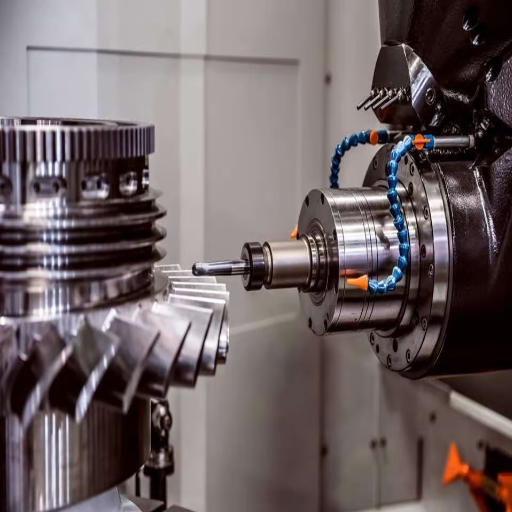
While slight differences might be noticed due to the changes in different machined parts and structures of your work, with an average of $50 to $150 for an hour of CNC machining operation, the rates for both types of machining will not differ much. For example, basic machined parts primarily associated with down-placed machining and operation may have low costs. At the same time, complex structures that require high-level machining operations may have high machining costs. The same should apply to CNC machined parts, because the rates will be higher as they have to consider long production processes.
What is the Average Cost per Hour for CNC Milling?
Pressing the costs of the materials on a lower scale will also interfere with the final costs of the product, as an overdose of features will require more labor to remove unnecessary parts. The range of wages and salaries an industry offers a designer to design a particular structure can go a long way in determining the cost of producing the structure.
Factors that Increase CNC Machining Cost Per Hour
- Factors that Affect the Cost of Machining
The material used to define the machining cost plays a vital role. Some of the harder materials—titanium or stainless steel—demand better tools and longer machining times, hence the high costs. Moreover, these rare materials are considered more costly, thus accruing higher rents.
- The Level of Sophistication
There are complicated designs with close tolerances, fine details, and a combination of many features, where lower speed and precision tools are necessary in the machining operation. This multifactorial approach leads to longer project periods and increased man-hour costs.
- Equipment suite and levels
Advanced computer numerical control (CNC) machines equipped with extra axes, like five-axis CNC machines, are more costly to use than traditional three-axis machines. Modern machines usually require individuals with the most technical skills and special programming, increasing the operation cost.
- Installation and amicable ambience
Single efforts or tasks of machines with their requirements mostly coordinated make such work very difficult and expensive hourly as they consume too much time. Model production in the preparation phase usually requires the use of several tools or making some corrections and modifications to the first phase of the production—more working “tools” lead to more extensive and hence costlier preparations.
- Amount and Annual Batch Size
It is possible that small-scale work increases the cost per portion of the product since regardless of the quantity produced, the effort of setting up, programming, and zeroing the machine will still be the same. Operations involving the manufacture of parts in great quantities usually gain economies of scale, which affects per-hour cost reduction.
What are the tips for Reducing CNC milling costs?
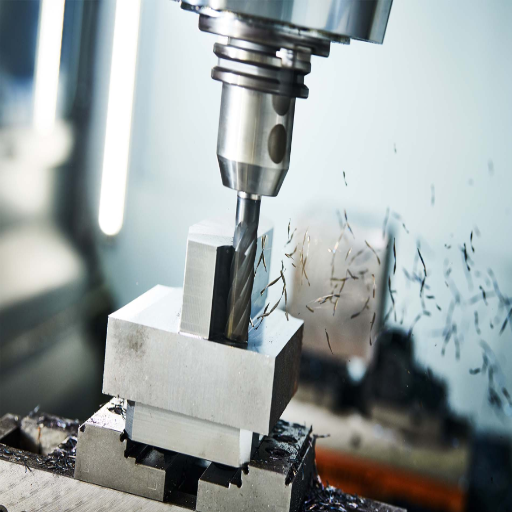
- Make More Efficient Designs While Keeping in Line with Manufacturing Restrictions
Less is more when it comes to design language. Focus on what matters and reduce the need for complicated features or tight tolerances. This amplifies raw material removal volumes and minimizes reliance on specialized knowledge and equipment.
- Assess the Convenience of Engineering the Item from Various Types of Utensils
Choosing the most economical materials that satisfy the exact application requirements is important. Sometimes, soft metals or non-metallic materials help to reduce machine and tool wear.
- Develop Larger Batches Where Appropriate
Make more products in every run possible to gain from the economies of scale. Running a high-production unit makes fixed costs spread thinner as they are shared among many pieces.
- Work within Your Existing Tools and Hardware
Design new methods of operation that use fewer tools during production. This minimises tool changes and machine idle time.
- Work with Highly Skilled Manufacturers
Form a partnership with companies familiar with the best practices in CNC milling. This will ensure effective production and the development of cost-cutting measures. In addition, such personnel may devise other effective methods of cost aesthetics.
Strategies to Lower Material Costs in CNC Projects
- Select Economic and Functional Materials
Opt for cheap, easy functionality. Compromise on expensive titanium applications, for example, and substitute aluminum instead. This can result in substantial cost savings without any adverse effects on functionality.
- Use fewer unused materials
Improve design parameters to reduce the material that remains after machining. To elaborate, minimizing excess thickness and simplifying elaborate geometries will result in less material usage and a smaller scrap percentage.
- Purchase Material in Bulk
An order placed for a considerable quantity of material is usually cheaper than an order of the same material but in smaller portions since producers bestow volume reduction rates. Plan the required quantities and get wholesale charges from the producer.
- Use Standard Size Sections
Design the components to match the dimensions of standard stock materials. This reduces the need for further processing, which interferes with precision and increases the amount of waste generated from jobs.
- Look Around for Other Potential Vendors
Identify Websites or make phone calls to different suppliers to determine which offer the most cost-effective materials. Find suppliers overseas or cross-regional to avoid paying too much for materials. Ensure they meet the required specs and are properly certified for the Project.
How to Optimize Machine Time for Cost Reduction
- Take care of Azmojanri Cyphis
Manufacturers should never forget about regular system visits, as they help in the initial determination of a fault, which only happens in the most unexpected breakdown of the equipment. As a result, preventive maintenance reduces the chances of malfunctions and spares consuming additional funds on repairs.
- Optimize Tooling Parameters and Cut
It’s possible to use empirical data from the same machine models or perform tests to define the most effective tooling and cutting conditions, such as cutting speeds, feeds, and cutting tool combinations. If optimized, these operations will increase speed, eventually lowering the cost of production and increasing the duration of the tooling’s usage.
- Implement Automation and ICT
Bring in automation systems such as robots and job planning software that includes automated operations scheduling. ICT intervention helps analyze right on time and finds out what differences there are in the expected cost, hence improving efficiency.
- Cut Down on Setup Time
Build systems that streamline the preparation of fixtures and tools and the setting of their respective calibration processes. Utilizing quick changeover systems can result in the machines’ operation being extended longer than previous systems because the time between operations is decreased.
- Use Simulation in the Actual Machining Process Design Process
Even before starting an assignment, it would be wise to think ‘imaginatively’ about the physical act and draw the manufacturing process in a simulation software. This will help identify areas where bottlenecks, inefficiencies, or potential mistakes can occur, prompting action to avoid such incidents before commissioning, which is a cost-effective tactic.
Through the application of these plans, organizations are in a position to introduce new techniques, reduce operating costs, and produce goods and services at a higher level of quality while ensuring that all available machines are working effectively.
Reference Sources
1. “Design and Fabrication of Low-Cost Wood Working Mini CNC Milling Machine for Students Skill Development” (Bhasin et al., 2020)
- Published in 2020
- This paper presents the design and fabrication of a low-cost 3-axis mini portable CNC milling machine using Arduino, stepper motors, and GRBL Shield.
- The goal was to minimize the overall cost of CNC machines while maintaining accuracy, to help budding entrepreneurs and woodworkers create intricate designs at a minimum investment compared to existing commercial CNC milling machines.
- The authors claim this low-cost machine can help strengthen manufacturing capabilities and enhance economic development, especially in rural areas.
2. “Design and Development of 3-Axis Benchtop CNC Milling Machine for Educational Purpose” (Rahman et al., 2023)
- Published in 2023
- This paper aims to design and develop a 3-axis CNC milling machine with a PC-based open architecture controller in a vertical position open frame structure.
- The goal is to replace the high cost of commercial CNC machines and make them accessible for use in higher education institutions offering technical courses.
- The authors state that the designed machine, made of inexpensive off-the-shelf components, can effectively replace commercial CNC machines while being used for academic programs requiring students to learn machining skills.
3. “Design and Fabrication of Mini CNC Milling Machine” (Bisane, 2021)
- Published in 2021
- This paper reports the design and fabrication of a small-scale 3-axis CNC milling machine capable of simultaneous interpolated operation.
- The goal was to design a low-cost and easy-to-use machine that can be incorporated into an educational curriculum. The machine would use a PC interface with an ATMEGA 328 microcontroller-based CNC system in an Arduino.
- The authors claim this prototype machine, with a workspace of 150mm x 150mm, can provide precision and speed comparable to commercial CNC machines at a much lower cost.
4. Top Aluminum CNC Machining Parts Manufacturer And Supplier In China
Frequently Asked Questions (FAQs)
Q: What factors impact the cost of a CNC machining project?
A: Several factors can impact the cost of a CNC machining project, including the complexity of the design, the type of CNC machine used (such as 3-axis or 5-axis CNC), the materials chosen, the machining time, and any additional costs like tooling or setup fees.
Q: How much does a 3-axis CNC machine typically cost?
A: The cost of a 3-axis CNC machine can vary widely based on its capabilities and specifications, but a basic unit price can range from $20,000 to $50,000. Advanced CNC machines will generally be more expensive.
Q: What is the cost of CNC milling services?
A: The cost of CNC milling services can depend on the complexity of the project and the materials used. Typically, the price per unit can range from $50 to several hundred dollars, depending on the specifications and machining technology employed.
Q: Are CNC lathes more expensive than CNC routers?
A: CNC lathes can generally be more expensive than CNC routers due to their specialized capabilities for turning operations. The initial cost of a CNC lathe is often higher, but the choice depends on a project’s specific machining needs.
Q: How can I reduce CNC machining costs?
A: To reduce CNC machining costs, consider optimizing the design for manufacturability, selecting cost-effective materials, using efficient CNC machine tools, and minimizing setup time. Additionally, working with experienced machining companies can help find ways to reduce the overall cost.
Q: What is the maintenance cost of CNC machines?
A: Maintenance of CNC machines can form a significant part of the total cost of machining. Regular maintenance is essential to avoid breakdowns and ensure efficient operation, leading to lower long-term costs and increased productivity.
Q: How do machining companies determine the cost of a CNC machine?
A: Machining companies determine the cost of a CNC machine based on various factors, including the machine’s capabilities, the brand, the technology used, and the market demand. They may also consider the set-up cost and the expected time and cost for operating the machine.
Q: Why is the cost of CNC machining often considered expensive?
A: The high cost of CNC machining is often attributed to the precision required, the advanced CNC machinery used, and the skilled labor needed to operate these machines. Additionally, the initial investment in CNC technology can be substantial.
Q: What is the average cost of CNC machining per hour?
A: The average cost of CNC machining per hour can range from $75 to $150, depending on the type of CNC machine used, the complexity of the machining process, and the specific services provided by the CNC machine shop.


