


Understanding the properties and their applications of various metals and their alloys finds its peculiar importance across sectors from manufacturing to construction. A favorite family of alloys is C27400 yellow brass, famed for its good blend of strength, corrosion, resistance to weathering, and often pure looks-this being very much desirable in many industry domains. But what is it about C27400 yellow brass that makes it unique? This article attempts to provide a deep dive into the composition, properties, and actual applications of this remarkable material to really offer some explanation for why it remains a solution-of-choice by several professionals. Whether you are an engineer, designer, or just fundamentally curious about the material world, you are bound to find some good insight here into one of the more common brass alloys.
Properties of C27400 Brass

Yellow brass is mostly used for its advantageous combination of strength, ductility, and corrosion resistance. It mostly comprises 63% copper and 37% zinc, giving it the characteristic properties and coloration. Amongst the simpler alloys to machine, this facilitates much easier working with the materials in manufacturing settings. Thereto, it boasts advantageous thermal and electrical conduction properties, thus broadening the landscape of the applications of brass. Its wear resistance and durability make it preferable for plumbing, automotive, and ornamental hardware industries.
Chemical Composition of C27400
The yellow brass C27400 is primarily composed of copper and zinc. Typical chemical compositions are about 62-65% copper and the residual is largely zinc, about 35-38%. Trace substances such as lead (maximum limit 0.09%) are sometimes added for improved machinability. It is by this particular mixture of copper and zinc that the C27400 acquires its golden color, excellent mechanical properties, and generic applications across industries.
Mechanical Properties
C27400 yellow brass is a superb combination of mechanical properties, making it an advantageous choice in diverse applications. Tensile strength mostly lies between 350 and 520 MPa (megapascals), varying with temper, which attributes good stress resistance to it while deformation begins under load. In constrained conditions, the yield strength of the brass comes in a wider range, 110-345 MPa, thus showing that the material can perform as a safe choice under medium-high stress.
With a typical elongation range of 15%-50%, this implies the capacity for C27400 yellow brass to be stretched and deformed before breaking, which is highly regarded in those applications requiring ductility or flexibility. The hardness values range between 80 and 150 HV (Vickers hardness), depending on the manufacturing and tempering condition, making it resistant to surface indentation and wear.
One of the best features of C27400 yellow brass is excellent machinability-90% rank on machinability index compared to free-cutting brass (C36000). Hence, this alloy is suitable for fabrication processes like turning, milling, and drilling. As it enjoys medium thermal and electrical conductivity and corrosion resistance, it is ideal in plumbing, decorative fixtures, and aerospace applications.
The strength, ductility, and machinability make this an ideal candidate for a multitude of engineering designs and the manufacturing realm.
Check Out the Thermal Characteristics of C27400
Being somewhat termined (C27400), heat transfer becomes of immense value in many areas of concern where this alloy finds applications. Its thermal conductivity is about 120 W/m·K at room temperature, which is less than that of pure copper but adequately serves a huge number of industrial purposes. This makes the alloy suitable for applications in heat exchanger manufacturing or in the production of radiator cores and plumbing fittings where its thermal performance is of consideration.
Also, depending upon definite specifications, it melts in the range of 900°C – 940°C, thereby retaining the structural integrity during stresses caused thermally moderate enough in occurrence. The usual value for the coefficient of thermal-expansion-factor is approximately 20.5 µm/m·K for C27400, which helps in maintaining dimensional stability in applications subjected to thermal cycling.
Such attributes, beset with machinability and corrosion resistance, cement C27400’s position as a suitable alternative for industries that demand thermal efficiency and durability.
How Does the C27400 Alloy Compare to Other Types of Brass?
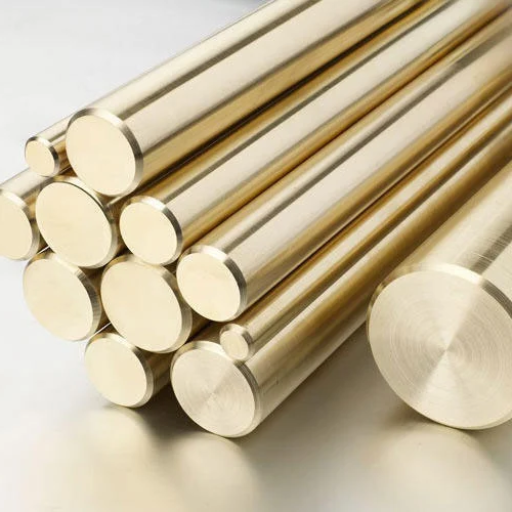
Among the different types of brass, C27400 alloy is known for having a balanced consideration between strength, corrosion resistance, and thermal stability. Though other brasses might perform best with enhanced corrosion resistance or top-notch ductility, C27400 more or less typifies commendable all-round performance for general use situations. Its moderate thermal expansion coupled with excellent machinability tends to pose a big advantage over other softer or more specialized brass alloys. This gives the alloy a clear edge when it comes to industries requiring both durability and cost-effectiveness.
Comparison with Other Copper Alloys
Copper alloys such as C11000 (pure copper), C26000 (cartridge brass), C36000 (free machining brass), C51000 (phosphor bronze), and C70600 (cupronickel) each offer distinct properties suited to various applications.
| Alloy | Composition | Strength | Conductivity | Corrosion | Machinability | Applications |
|---|---|---|---|---|---|---|
| C11000 | Pure Copper | Moderate | Excellent | Good | Poor | Electrical |
| C26000 | 70% Copper | Moderate | Good | Fair | Good | Hardware |
| C36000 | 60% Copper | High | Fair | Fair | Excellent | Fasteners |
| C51000 | Bronze | High | Fair | Excellent | Fair | Springs |
| C70600 | Cupronickel | Moderate | Moderate | Excellent | Poor | Marine |
With Brasses of Lower Zinc Content
As zinc content decreases, the brasses tend to show more ductility and corrosion resistance. Also, due to the low zinc content, copper’s inherent corrosion resistance has been retained while designating undesirable zinc as an alloying material. The limited zinc content renders them having higher thermal and electrical conductivities; therefore, they perform well with uses such as electrical connections or decorative finishes. On the downside, tensile strength and machinability of low zinc types may probably be a little less than some brasses with higher zinc content, which are more often considered structural or demanding higher strength use, such as fasteners or gear components. The choice depends on the trade-offs required for any particular application.
Performance in Industrial Application
Brass is applied in industrial areas for various functions and chiefly selected according to zinc content and alloy constituents. Low-zinc brasses are generally useful in situations where thermal and electrical conductivity is primary, for example, in electrical parts and heat exchangers. Data support that these grades of brass can yield the electrical conductivity close to 28% IACS (International Annealed Copper Standard), thus greatly contributing to power loss minimization in electrical applications.
On the other hand, higher-zinc brasses are preferred for higher mechanical strength and wear resistance, which finds their structural application for bushings, bearings, and gears. According to the latest material performance, data demonstrate that some brasses with zinc content greater than 30% would typically bear tensile strengths going from 350 MPa to 500 MPa, thus building suffice for the making of heavy-duty machinery and automotive applications.
Besides, when mixed with aluminum or nickel, brass alloys exhibit enhanced corrosion resistance, which renders them better suited for use in the marine or outdoor environment. Aluminum brass, in particular, is a common steel material for seawater pipelines as it resists saltwater corrosion while preserving structural integrity for long periods.
The determination of a brass formulation for industrial application is further dependent on the balance of conductivity, strength, corrosion resistance, and cost that come together for a particular demand.
What is the Alloy Composition of C27400 Yellow Brass?
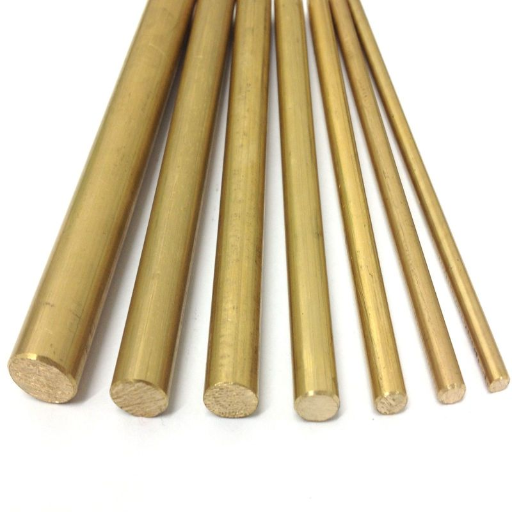
The absolute majority of the alloy consists of 62% copper and 37% zinc. Intentionally, traces of lead up to 0.5% could be introduced into the alloy to aid machinability.
Primary Elements in C27400
Copper and zinc are the two principal elements of C27400 yellow brass and make up most of its composition. Copper is about 62%, offering the alloy with good corrosion resistance and thermal conductivity. Zinc, on the other hand, is the next main component, setting at approximately 37%, providing a good balance between strength and hardness to the metal. If machined, lead is included in trace amounts, at around 0.5%, to improve the ease of the machining process. Together, these elements provide a balanced grouping of properties that afford diverse applications for industrial purposes.
Influence of Copper Content
Due to copper content, the alloy develops properties inherent to copper. With a copper content of usually 62%, it enters the alloy to form very good thermal and electrical conductivities that are required for heat transfer or electrical performances. Another important property granted by copper is corrosion resistance wherein the copper forms a corrosive layer of patina that serves to protect the alloy from environmental exposure, thus rendering it highly durable and suitable for use in adverse environments.
Further, studies have indicated that alloys with higher copper content exhibit antimicrobial behavior. For example, it is held that contaminated surfaces possessing over 60% copper can eliminate up to 99.9% of bacterial population in two hours, thus, making the alloys ideal for health and sanitary applications. Copper also contributes to the beauty of the alloy since it allows for clean finishes and is compatible with decorative coatings. This makes copper an essential element that increases the versatility, functionality, and sustainability of the alloy.
Importance of Zinc in the Alloy
Functionally, zinc improves the qualities of the alloys; mainly in the production of brass and zinc-related materials. Strength and working zinc aids in making corrosion resistant alloy, for it is great in the construction industries, automobile industries, or even marine application. Zinc, when exposed to air, protects the materials by creating a layer of zinc oxide acting as a barrier against further degradation due to environmental agents.
According to the most recent data, the content of zinc in brasses varies from 5 to above 40% depending on mechanical properties desired; e.g., with zinc content about 30%, some strength and malleability are considered balanced, and so are mostly used in precision machining and intricate design applications. Additionally, zinc increases thermal and electrical conductivity of some alloys, which allows them to be used in niche applications, such as heat exchangers and electrical connectors.
Apart from the technical performances, sustainable chemistry is also borne by zinc. About 30% of zinc used in the global manufacturing of alloys is from recycled sources, and many zinc-based alloys are 100% recyclable. This closely ties in with present sustainability initiatives aimed at developing materials with minimal adverse environmental impacts. Improvement in alloy functionality by the introduction of zinc leads to the fostering of greener practices within industries.
Applications of C27400 Brass Alloy

C27400 brass alloy finds its application wherever a combination of strength, corrosion resistance, and good machinability is required. Some of the common applications include plumbing fittings, valves, fasteners, and electrical connectors. The alloys are loud and cannot resist wear, suitable for both industrial and residential applications. Their alloys are also frequently used in decorative work because they offer an attractive finish.
Common Industrial Uses
C27400 brass alloy is extremely common in making plumbing components like valves and fittings due to its strength and corrosion resistance. Its exceptional machinability sees it widely applied in making fasteners and electrical connectors. Moreover, its durability and attractive finish open further doors for functional and decorative uses.
Utilization in Heavy-Duty Products
C27400 brass alloy is extensively used in making heavy-duty products because of its characteristics that support hard usage: high tensile strength, wear-resistant, and corrosion-resistant. These features make it an apt choice for components used in harsh environments. For example, the alloy is used in making industrial-grade gears, bushings, and bearings facing heavy stress and friction during service.
According to recent industry data, brass alloys like C27400 have observed an increasing demand in applications related to automotive and marine. Resistance to corrosion in fresh and saltwater environments makes them the ideal choice for marine propulsion systems and shipbuilding hardware. In the automotive sector, performance radiators and fuel system components of the brass combine durability with heat dissipation characteristics, for example, studies point out brass radiators could improve the thermal efficiency by nearly 20% compared to aluminum alternatives while still guaranteeing reliability on the extreme operating conditions.
In a broader sense, the versatility and ruggedness of brass C27400 make it a mainstay material in other heavy-duty industries; it, therefore, facilitates innovation and enhancement on the lifetime of equipment.
Specialized Applications in Corrosion-Resistant Environments
In my point of view, C27400 brass excels in corrosion-resistant environment for its exceptional resistant properties to harsh conditions. I have noticed its application in marine settings where resistance-to-saltwater corrosion properties prove extremely beneficial. Besides that, it has excellent properties for chemical processing, ensuring its long life and reliable performance when exposed to corrosive substances. This unusual ability of resistance coupled with functionality ensures its position as one of the popular options for all high-demanding applications.efore assure that C27400 brass remains a reliable and cost-effective material for long-term durability in challenging environments.
How is C27400 Brass Supplied and Specifications Managed?
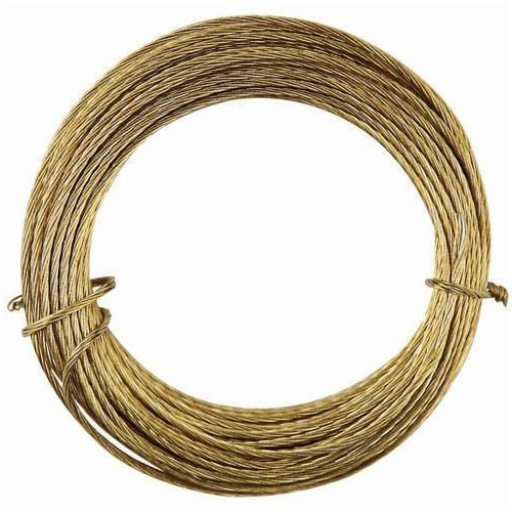
C27400 brass is most commonly supplied in rods or bars and occasionally in shapes, as the case may be, depending on what is needed in the application. In regard to its specifications, including dimensions, mechanical properties, and tolerances, it is subjected to commonly accepted industry standards like ASTM B16 or its equivalent. Material certification is usually issued by the manufacturers and suppliers as proof of adherence to the standards so recognized, hence guaranteeing uniformity and quality in industrial usage.
Standard ASTM Specifications for C27400 Brass
C27400 brass comes under ASTM B16, which specifies standards for free-cutting brass rod, bar, and shapes used in screws, bolts, rivets, and similar types of fastening components where chemical composition is limited, among other things, so that copper content is limited to between 60.0% and 63.0%; and of lead, iron, and zinc tolerances are likewise specified. Mechanical properties such as tensile strength, yield strength, and elongation are also specified for applications. Thus, complying with ASTM B16 is an assurance that C27400 brass meets the level of performance and safety needed for industrial applications.
Top Suppliers and Manufacturers
In order to source ASTM B16 compliant C27400 brass, one must distinguish reputable suppliers and manufacturers, well-known for quality and reliability. Top suppliers in the trade employ strict quality controls to make sure that their product conforms to the prescribed chemical and mechanical properties. Many manufacturers provide certificates and reports of analysis to bear out conformance. Moreover, they provide ancillary services such as custom fabrication, timely delivery, and technical consulting – all of which can be invaluable to industries that rely on high-performance brass components.
Understanding Grade and Form Variations
Brass is fabricated in plenty of grades and forms so that each meets some varying requirements in a multitude of applications. Brass variable compositions range depending on how much copper and zinc, and other additives like lead, aluminum, or tin, they carry. For instance, CZ108, also commonly called cartridge brass, is greatly admired for its cold-working capabilities and is therefore used in intricate manufacturing processes.
The common forms for brass include sheets, rods, tubes, and plates, which are utilized depending on industrial requirements. For example, brass rods are preferred for use in machining because of their strength and ease of fabrication; brass sheets, on the other hand, are frequently employed for decorative or architectural applications.
To depict the variations, let us consider some of the popular grades along with their properties and applications:
- C360 Lead-Free Brass: It has a machinability rating of 100%, and it is used for precision components such as fittings and fasteners. It contains about 61.5% copper, 35.5% zinc, and 3% lead.
- C260 Cartridge Brass: 70% copper and 30% zinc, it is very ductile, therefore good for ammunition casings and coinage.
- C280 Muntz Metal: Contains 60% copper and 40% zinc and is famous for high tensile strength, used mainly in marine and shipbuilding applications.
According to recent market analysis (2023), demand across all these industries-brass in automotive, plumbing, and electronics-is still smooth. Tensile strength can range anywhere from 40 MPa (soft annealed brass) to well over 500 MPa (high-performance brass alloys), depending on grade and processing. Knowing these differences and choosing the correct grade and form helps ensure the best performance and economical value in end-use applications.
Reference sources
- Anticorrosion Study for Brass Alloys in Heat Exchangers during Acid Cleaning Using Novel Gemini Surfactants Based on Benzalkonium Tetrafluoroborate
- Authors: A. Ashmawy et al.
- Journal: ACS Omega
- Publication Date: 2022-05-20
- Key Findings:
- The study investigates the corrosion resistance of brass alloys during acid cleaning processes.
- Two novel gemini surfactants were synthesized and tested for their effectiveness in inhibiting corrosion in 1 M HCl.
- The maximum inhibition efficiency reached 96.42% at an inhibitor concentration of 100 ppm.
- Methodology:
- Electrochemical techniques such as potentiodynamic polarization and electrochemical impedance spectroscopy were employed to evaluate the corrosion inhibition performance of the surfactants(Ashmawy et al., 2022, pp. 17849–17860).
- Investigation of tensile properties of PLA–brass composite using FDM
- Authors: S. K. Selvamani et al.
- Journal: Progress in Additive Manufacturing
- Publication Date: 2022-02-12
- Key Findings:
- This study explores the tensile properties of a composite material made from polylactic acid (PLA) and brass.
- The results indicate that the addition of brass significantly affects the mechanical properties of the composite.
- Methodology:
- The study utilized Fused Deposition Modeling (FDM) for the fabrication of the composite and conducted tensile tests to assess the mechanical performance(Selvamani et al., 2022, pp. 839–851).
- On the function of lead (Pb) in machining brass alloys
- Authors: J. Johansson et al.
- Journal: The International Journal of Advanced Manufacturing Technology
- Publication Date: 2022-02-16
- Key Findings:
- The research investigates the role of lead in enhancing the machinability of brass alloys.
- It was found that lead promotes discontinuous chip formation, which reduces cutting forces and friction during machining.
- Methodology:
- Various experimental techniques, including infrared temperature measurement and electron microscopy, were used to analyze the effects of lead on machining characteristics(Johansson et al., 2022, pp. 7263–7275).
- Top Brass CNC Machining Parts Manufacturer and Supplier in China
Frequently Asked Questions (FAQs)
Q: What is UNS C27400?
A: UNS C27400 is a brass alloy sometimes referred to as CuZn37, which is made up of approximately 63% copper and 37% zinc. It has good cold forming characteristics and finds applications in various industrial fields.
Q: Is there information about the electrical characteristics of UNS C27400?
A: The UNS C27400 possesses intermediate electrical conductivity, which is certainly much less than that of pure copper but still useful when working in cases where resistances to corrosion and strength are required.
Q: How does cold forming alter the material properties of UNS C27400?
A: Cold hardening will improve material properties in certain respects, such as raising the strength and hardness of UNS C27400 by work hardening, but it tends to cut down on its ductility, making it less capable of bending.
Q: What are other unclassified properties of UNS C27400?
A: Apart from all classified properties, other properties of UNS C27400 include the good looks of the metal, its excellent machinability, and corrosion resistance in a variety of environments, making it useful in decorative and functional applications.
Q: How is UNS C27400 used in the electrical industry?
A: In the Electrical Industry, UNS C27400 is used in connectors, terminals, and various other parts where electric conductivity and mechanical strength are required in combination. Such properties render the brass suitable for UNS-C27400 electrical applications.
Q: Can UNS C27400 be suitable for cold forming?
A: Yes, UNS C27400 is very much suitable for cold forming because of the excellent cold forming properties of this metal. It is employed wherever metal shaping takes place without the intervention of heat, such as in the production of intricate components and fittings.


