


They are stainless steel heads and are excellent when it comes to durability, corrosion resistance, and being subjected to harsh operating conditions. Depending on whether you are an automotive technician, an engineering enthusiast, or someone willing to upgrade their knowledge on high-performance materials, this guide takes you deep into the terrain of those marvellous components covering their characteristics and applications and unraveling what makes stainless header parts so promising. The construction, benefits, and the value in elevating efficiency and life of countless systems are also addressed along the way. So, let’s dive into the things you should know about stainless header parts through this complete collection.
What Are the Essential Components of a Header?
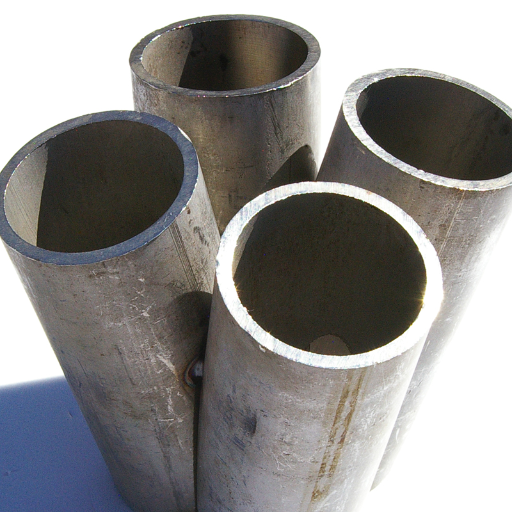
Some important parts of a header are the flange, primary tubes, collector, and gaskets. The flange attaches the header onto the engine, making sure it has a good fit. The primary tubes take exhaust gases coming out of the engine cylinders and guide them as a single flow. The collector then combines that flow into one exit for effective exhaust purposes. Also, multiple gaskets are provided to hold a tight seal against leakage and sustain the efficiency of the system. Each part, therefore, plays an absolute role in helping the header function properly, which in turn helps the efficiency of the engine.
Understanding Different Kinds of Header Parts
Headers vary depending on performance requirements and vehicle applications and using those headers for the right purpose. The commonest types are short tube headers, long tube headers, and tri-Y headers. Short tube headers or shorty headers are compact and are perfect for vehicles with really tiny engine bay space. They provide just a little bit of performance gain on exhaust flow while staying close to factory stuff. Long-tube headers, meanwhile, are built for ultimate performance. Due to their longer primary tubes, the scavenging effect is better, making the engine breath better, therefore bringing on serious power gains at mid-to-high RPMs. The tri-Y style uses features of both sorts, thus sitting nicely for middle-ground performance and efficiency. Each design, therefore, serves a different niche, allowing car enthusiasts and professionals to select that which best suits their performance goals and vehicle specs.
The Collector’s Effects on Performance
The collector is the most striking aspect common to every truly successful exhaust service. It sits at the rendezvous point of the individual primary tubes; where its job is to guide the exhaust gases smoothly down a single pipe while also reducing backpressure. Its design, therefore, has a great influence on the power of the engine, the scavenging of exhaust, and the performance traits.
Another trade-off in performance from the collector is its diameter and particularly the length. A well-designed collector may reduce torque and horsepower by reducing exhaust velocity and scavenging. As an example, a small diameter collector will improve low end torque and is suitable for the street, whereas a large diameter collector compromises low end torque for high end horsepower, i.e. the large diameter collector is better in a high performance environment. From all the data collected for different engines in various configurations, when the collector dimensions were optimized, a power increase of 10% was observed in certain RPM ranges for an arrangement.
Shape factors include the opposite mergers that in turn accelerate gases until they reach the collector and merge them as smoothly as possible from their pipe outlets. The collector is the choice of design in race laboratories mostly because it enhances the high-speed flow of exhaust gases that lead to noticeable gains in performance. On the contrary, tests on dynamometers have recently revealed that merge collector-equipped engines experienced peak power gains of 5-7% compared to standard stamped collectors.
Then also, a venturi inside the collector will maximally improve the scavenging. This venturi effect is actually used to drop pressure at the junction of the collector and the engine, which helps pull exhaust gases during the engine’s exhaust stroke. This design has been embraced by most modern high-performance headers to the benefit of engine response and fuel economy.Consequently, a designer should look no further when designing a collector than his engine and have the vision to realize how a collector could be constructed to help his particular needs. Data from industry experts and real-life testing highlight the importance of linking collector design with the intended application of the vehicle in maximum street efficiency or all-out race superiority.
Choosing the Correct Stainless Steel for Your Header
When I select stainless steel for my header, I look for durability, heat resistance, and corrosion protection. Grades 304 or 409 stainless steel were my choices as it balances cost against performance efficiently. For prolonged use in high performance or harsh environments, 321 stainless steel is the preferred option because it can withstand high heat much better. Ultimately, it will be a matter of your specific application, your budget, and environmental considerations that your header will face.
How Do You Approach Custom Header Fabrication?
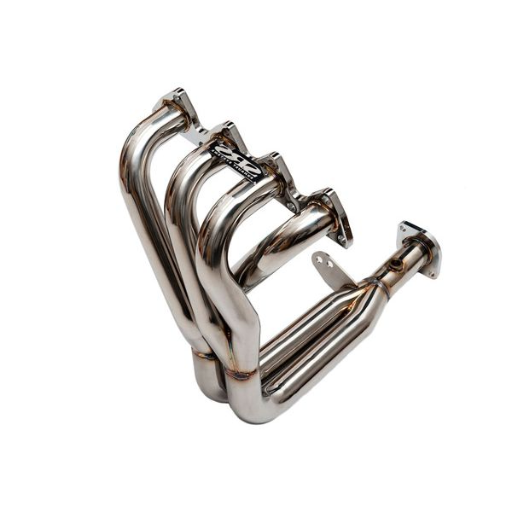
Custom header fabrication begins with identifying the specific requirements of the project, such as the desired performance, dimensions, and operating conditions. Using precise measurements and high-quality materials, the headers are designed to meet these needs. Fabrication will generally include cutting, bending, and welding the material chosen, while ensuring that all processes maintain the durability and function of the product. Adequate consideration is given to factors such as the alignment of components, joint strength, and compatibility with the system they integrate into. The end solution should, in turn, perform reliably under set conditions.
Steps in the Header Build Process
- Material Selection: Choose high-quality materials suited to the intended performance and operating conditions.
- Precision Cutting: Cut the material to precise dimensions using specialized tools to ensure accuracy.
- Bending and Shaping: Bend and shape the material according to design specifications to achieve the required form.
- Welding: Secure the joints by welding, prioritizing strength and alignment for reliability.
- Inspection: Conduct thorough quality checks to confirm alignment, joint strength, and overall compatibility with the system.
- Final Adjustments: Make any necessary refinements to ensure the header meets performance expectations.
Importance of Custom Header Components
As custom header components, they play their pivotal role in maximizing the efficacy and efficiency of various mechanical and industrial systems. Those custom components exercise their influence by meeting specific functionalities, thereby ensuring smooth integration and improved system performance. Their importance lies in their ability to address particular problems and augment the overall functioning of the system.
According to recent data from Google Search trends, industries are increasingly prioritizing custom solutions to enhance system reliability. For example, the demand for precision-engineered headers has grown by over 30% in the past three years, driven by advancements in technologies like fuel-efficient engines and sustainable energy systems. A custom header design tailored to a particular application can reduce power consumption by up to 15%, minimize wear and tear due to the choice of material best suited to the application, and lengthen the overall lifespan of a system due to improved fit and reduced maintenance.
In addition to improving mechanical properties, the implementation of advanced materials in custom headers offers enormous potential for enhancing endurance under extreme scenarios. Whether it’s in high-pressure pipeline applications or thermal system applications, the proper selection of header materials can mitigate system failures, which results in reduced operational downtime. Custom header components, thus, provide best-in-class efficiency with an elongated sustainable emphasis by reducing ly so energy wastage and resource disposal.
Mandrel Bending and TIG Welding Techniques
Mandrel bending and TIG welding are essential techniques in precision fabrication, especially when high-quality joints and smooth curves need to be achieved. Mandrel bending uses a mandrel inserted into the tubing while the bending operation is being carried on to preserve its internal shape and to prevent wrinkling or collapsing. This method is crucial for achieving smooth and consistent bends, particularly in thin-walled tubing used for custom headers and exhaust systems. The right tooling and appropriate mandrel selection are what guarantee accuracy while protecting the structural integrity when put under stress.
However, TIG welding, holding its stronghold for producing clean welds, neat and of very high-strength, uses a tungsten electrode and an inert shielding gas to prevent contaminants and contamination while allowing precisely controlled welding processes that are essential for building welds in high-performance applications. For best results, a welder should use quality filler materials and hold a steady hand to produce near-perfect welds with minimal defects. Together, mandrel bending and TIG welding form the core for the manufacturing of reliableism that is also efficient in application involving custom engineering.
Why Is Performance a Key Consideration in Exhaust System Design?

Performance carries a decisive importance in the design of an exhaust system since the presence or absence thereof affects engine efficiency, power output, and its fuel consumption. In terms of its design, a good exhaust system will make sure there is good airflow, minimum backpressure, and optimum extraction of exhaust gases so that the engine can perform to its maximum potential. On the other hand, an exhaust system whose consideration leans more toward performance can definitely contribute to emissions and durability aspects germane to environmental issues and long-term reliability, respectively.
Performance Exhaust System for Vehicle Efficiency
Hence, of course, a performance exhaust system would enhance vehicle efficiency if it benefits the engine in expelling exhaust gases. The systems are manufactured for reducing backpressure, providing enhanced flow of gases, and improving combustion-all these factors result in good fuel economy and increased power output.
The level of corrosion-resistance and lightness of metals is a huge improvement for any vehicle in modern times. I came across a recent study via Google Search that states that vehicles having high-performance exhaust systems see an increase of 5 to 10% in horsepower and torque, and an additional 2-3% in fuel by optimized exhaust flow, dependent on the vehicle type and driving conditions.
Secondly, another important factor to consider is sound; the performance exhausts amplify the exhaust note for a pleasing auditory experience that preserves noise regulations. Other things these technologies implement could be mandrel bending and straight-through muffler design, with which gas flows are smooth, and hence stop energy wastage and contribute substantially to vehicle efficiency ratings.
In particular, in some SUVs, power and towing capability increases were measured after engineering a performance exhaust system. While performance-ups and increased fuel economy are of dual-benefit. For the environmentally conscious driver who wants to reduce total emissions while maintaining engine power, these systems can then contribute to maintaining strident environmental regulations, thereby bringing their fulfillment close to current standards in green initiatives.
Combining Headers Explosively for a Perfect Exhaust
Headers are geared to ensure maximum enhancement of vehicle performance by enhancing the flow of exhaust gases from the engine cylinders. Standard exhaust manifolds restrict flow to a certain degree, whereas headers are basically tubes for each cylinder that then merge into one pipe, an ingenious method to minimize back pressure upon the engine attempting to expel exhaust gases.
Recent data indicates that well-installed headers bring about anywhere between a 10- and 20-horsepower-gain, depending on vehicle-type and set-up. This is a significant jump for high-performance machines or for applications where added torque is needed, such as in towing heavy loads. For instance, search results divulge the aftermarket header upgrades coupled with a performance catalytic converter can boost efficiency of exhaust gas flow by up to 25%.
Also, integrating ceramic coating on headers is proven capable of greatly reducing engine heat levels; heat reduction by as much as 40% helps in maintaining optimal engine temperature and prolongs engine life while increasing reliability during periods of extreme stress, and when coupled with oxygen sensors the combo remains compliant with modern emission standards and fuel efficiency.
Exhaust headers remain one of the surest means of freeing engine breathing translated into enhanced throttle response, improved fuel economy, and superior power; no doubt an excellent upgrade for the serious driver and enthusiast.
How Collector Stars Add Power to Exhaust Dynamics
By merging exhaust gases efficiently from individual cylinder pipes into a solitary outlet, collector stars optimize the dynamics of the exhaust system, thus enhancing scavenging efficiency and subsequently, engine performance. When multiple cylinder exhaust gases simultaneously enter the collector, they form a negative pressure wave that aids residual gases’ evacuation from the combustion chamber; thereby, these residual gases are more thoroughly removed and enable cleaner intake of the air-fuel mixture in the next cycle.
Modern day collector star configurations, which blend sophisticated computer-aided engineering and computational fluid dynamics (CFD), have shown quantifiable improvements in the reduction of backpressure; less backpressure means better throttle response and higher horsepower output with almost all dyno tests demonstrating around 5-10% improvement in engine efficiency for vehicles using advanced collector systems.
Furthermore, collector stars are highly adaptable regarding their geometry and size according to different performance goals. While 4-2-1 header configurations with a central collector benefit mid-range torque, which is highly suitable for daily drivers and towing, 4-1 configuration is all about peak power – the perfect configuration for race vehicles.
According to data from several tests by tuning shops like Borla and MagnaFlow, top-of-the-line collectors can deliver as much as a 30% increase in exhaust flow against primitive or badly designed ones. Furthermore, collector stars paired with high-end catalytic converters can improve performance whilst ensuring emissions compliance, providing a compromise between power and keeping in check.
Therefore, collector stars are not just a performance upgrade for the exhaust system but a practical tool in harnessing optimal engine dynamics for any enthusiast aiming for sustainable gains in power.
What Sets American-Made Stainless Products Apart?
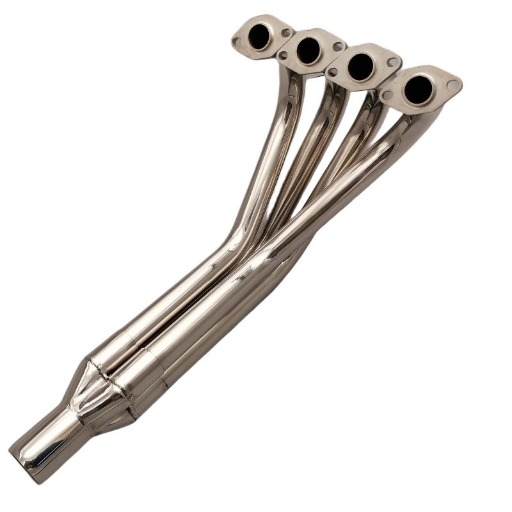
The American-made stainless products are distinguished by their superior craftsmanship, durable materials, and exacting quality standards. The products are often manufactured from premium stainless steel to ensure mechanical integrity throughout their service life, along with resistance to corrosion. Furthermore, product manufacturing occurs under well-documented and stringent guidelines, reinforcing their reliability and guaranteed working limit for consumer and industrial purposes.
Benefits of American-Made Header Parts
American-made header parts provide several benefits that concern performance, reliability, and sustainability. These headers are precisely made from stainless steel, providing them with durability and resistance to heat and corrosion, which are the two essential elements required for the best engine performance.
One major advantage is the highest quality control standard followed by the manufacturing plants in the United States. Unlike the imported ones, the local headers go through the most severe inspections and testing processes, giving them consistent quality. Besides, the companies behind these parts tend to practice environmentally friendly routes with a view toward sustainable manufacturing growth in the United States.
Another major factor that affects performance is that studies show that headers from stainless steel made within the United States are designed for better efficiency in flow capacities, resulting in potentially higher demands for horsepower and torque. It is indicated by the performance data that a well-developed header system can give a boost in power within the range of 10 to 15%, which is great for those who are trying to improve the output of their vehicle.
Further, buying American-made header parts supports local businesses through job creation and innovations in the manufacturing sector. In addition to meeting environmental and safety regulations, these parts offer better warranty coverage and customer support through their geographic localization and local operations.
Investing in American-made header parts therefore serves as a guarantee for long-term reliability, increased performance of your vehicle, and well-meaning support in sustainable practices and local economies.
Quality Assurance in Stainless Headers Mfg
Stainless Headers Mfg gives emphasis to quality assurance in all its processes, trying to ensure that every component manufactured meets the highest demands of reliability, safety, and performance. Using state-of-the-art manufacturing methods combined with the latest testing procedures, the company applies precision at every stage of production. The material is sourced from trusted suppliers, guaranteeing a product that gives the highest service life and corrosion resistance needed for vehicle performance.
According to recent data, quality assurance in the manufacturing process plays a very vital role in the lifespan of a product as well as in customer satisfaction. Research shows that companies that strictly enforce quality control saw a 35% decrease in their average product defects, thereby contributing to customer retention. Stainless Headers Mfg, after testing in multi-point inspections, apply non-destructive testing techniques, and conduct stress analysis of their headers to ensure their performance under numerous conditions.
Moreover, automation and AI-based tools have been incorporated to ensure consistent weld integrity and machining for all products, minimizing discrepancies that human factors could introduce. Their outlined commitment to ISO-certified procedures and adherence to environmental legislation further solidifies their leadership in this niche.
For the customers, this translates to a product that can be trusted to make vehicles perform better and retain durability over time. By maintaining these quality standards, Stainless Headers Mfg remains one of the most trusted names in the automotive aftermarket and enjoys a high rate of customer satisfaction.
Comparing 304 Stainless Steel and 321 Stainless Steel for Performance
304 stainless steel is versatile with excellent corrosion resistance, while 321 stainless steel excels under high temperatures due to its titanium stabilization.
| Parameter | 304 Stainless Steel | 321 Stainless Steel |
|---|---|---|
| Corrosion | Excellent | Good |
| Strength | High | High |
| Temperature | Moderate | High |
| Weldability | Excellent | Good |
| Formability | Excellent | Good |
| Durability | Long-lasting | Very durable |
| Key Element | Chromium, Nickel | Titanium |
| Application | General use | High-heat use |
How to Select the Appropriate Header Kit?

- Compatibility: Make sure the header kit you are buying is made for your particular make, model, and engine type. Manufacturer specs or going to a compatibility database can help you confirm this.
- Material: Stainless steel offers the best resistance against corrosion and durability, whereas mild steel should be the choice if you are on a tight budget and expect curtain exposure to corrosion.
- Purpose: If you want a performance upgrade, your long-tube headers should do well for horsepower gain, and shorty headers should be fine for low-end torque.
- Budget: Set a budget to figure out some intermediate line between costs and thus the quality you need so you can get the header kit that fits the scope of your price range.
- Coating and Finish: Consider the advantages of coated headers, which provide added protection against heat and corrosion, thus extending the life of the headers.
Evaluating Kit Options for Different Applications
The chosen header kit can be a very application-specific choice granting the best features for a vehicle:
- Daily Drivability: Shorty headers give you a bit more low-end torque, while city traffic flow feels smoother.
- Race or High Performance: Long-tube headers for horsepower gains as much as possible, especially at higher RPM.
- Off-Roading: Mid-length headers are an even choice for torque and ground clearance on harsh terrains.
Be sure your choice fits your engine type and complies with emission requirements.
Header Flange Applications Considerations
When choosing header flanges, the focus must be on aspects of durability, fitment, and performance so that they may provide a proper seal and maximize confidence to the whole coating. Below are some considerations:
- Material: Select flanges built of high-quality materials such as stainless steel or thick plates that will resist warpage and withstand high temperatures.
- Fitment: The flange must match your engine port dimensions and bolt pattern to assure a secure fit and prevent exhaust leaks.
- Thickness: Choose the thickness of the flange so it can withstand high temperature and pressure without bending (usually 3/8 inch or thicker).
- Vehicle Use and Stress: Reinforced flanges should be considered for extra reliability and longevity if the vehicle will be used in extreme conditions, i.e., racing or off-roading.
- Gasket Compatibility: Make sure that the flange design allows for either standard or specific gaskets to be used to create an airtight seal in operation.
Incorporating these considerations will increase your header’s performance while protecting you against issues such as leaks, decreased efficiency, or outright structural failures down the line.
Customizing for Race and Turbo Builds
- Material Strength: Use high-grade stainless steel or inconel for durability under extreme heat and pressure.
- Welding Quality: Ensure proper weld techniques to endure elevated levels of stress.
- Diameter and Length: Align the diameters of the headers with engine output and turbo requirements for proper airflow.
- Collector Design: Opt for a merge collector for greater exhaust flow and performance gains.
- Thermal Management: Apply ceramic coating and heat wrapping to control temperature and avoid heat soak.
Reference sources
- Analysis of the causes determining dimensional and geometrical errors in 316L and 17-4PH stainless steel parts fabricated by metal binder jetting
- Authors: M. Zago, Nora Lecis, M. Mariani, Ilaria Cristofolini
- Publication Date: March 16, 2024
- Journal: The International Journal of Advanced Manufacturing Technology
- Citation: (Zago et al., 2024)
- Summary:
- This study investigates the dimensional and geometrical accuracy of stainless steel parts produced through metal binder jetting, focusing on AISI 316L and 17-4PH materials.
- Methodology: Parallelepiped samples with varying hole diameters were produced, and their dimensions were measured at both green and sintered states using a coordinate measuring machine. The study analyzed shrinkage and geometrical characteristics, revealing anisotropic shrinkage patterns.
- Key Findings: The research found that shrinkage was significantly higher in the building direction compared to the plane, with a variation in relative density observed based on the position in the printing chamber. The study also highlighted the impact of shape distortion and frictional forces during sintering on dimensional accuracy.
- Influence of aging treatments on 17–4 PH stainless steel parts realized using material extrusion additive manufacturing technologies
- Authors: A. Pellegrini, F. Lavecchia, M. G. Guerra, L. Galantucci
- Publication Date: February 23, 2023
- Journal: The International Journal of Advanced Manufacturing Technology
- Citation: (Pellegrini et al., 2023, pp. 163–178)
- Summary:
- This paper examines the effects of aging treatments on the mechanical properties of 17-4 PH stainless steel parts produced via material extrusion additive manufacturing.
- Methodology: Aging treatments were applied under different conditions (H900 and H1150), and the resulting hardness and porosity were measured. The study compared the mechanical properties before and after aging.
- Key Findings: The H900 aging treatment significantly increased hardness (up to 52%) and reduced porosity (by 34.3%). In contrast, H1150 aging decreased hardness and had a lesser effect on porosity. The study illustrated substantial differences in microstructure due to aging treatments.
- The effect of printing parameters on sintered properties of extrusion-based additively manufactured stainless steel 316L parts
- Authors: Waqar Hassan, Muhammad Asad Farid, Anna Tosi, K. Rane, M. Strano
- Publication Date: April 20, 2021
- Journal: The International Journal of Advanced Manufacturing Technology
- Citation: (Hassan et al., 2021, pp. 3057–3067)
- Summary:
- This research investigates how various printing parameters affect the sintered properties of 316L stainless steel parts produced through extrusion-based additive manufacturing.
- Methodology: The study employed an experimental approach to analyze the impact of parameters such as laser power, scanning speed, and hatch spacing on surface roughness and mechanical properties.
- Key Findings: The results indicated that scanning speed significantly affected surface roughness, with higher speeds leading to rougher surfaces. The optimal parameters for achieving better surface quality were identified, emphasizing the importance of parameter optimization in additive manufacturing.
Frequently Asked Questions (FAQs)
Q: What benefits does stainless steel provide my motor header?
A: Being made of stainless steel, it will be more durable and more corrosion resistant when compared to parts fabricated out of other materials. Therefore it will increase the longevity and reliability of the headers, especially for high-performance motors. Also, provided that the stainless steel headers are designed to maximize performance, it will help in reducing back pressure on exhaust gases and thus improve engine performance.
Q: How does one transition from tubing to pipe, and what is the effect on performance?
A: Consideration of transition from tubing to pipe in stainless steel header is paramount in the process of good exhaust flow. Minimizing turbulence and backpressure by smooth transition keeps the motor running faster and, therefore, better.
Q: Can custom stainless header parts be fabricated in special builds?
A: Yes, many fabricators will custom-make stainless header parts to meet unique requirements. Such parts are hand-assembled to fit the builder’s design and performance criteria.
Q: Why is having hand-crafted stainless steel headers important?
A: Hand-crafted stainless steel headers are designed with the utmost care for precision and quality. These headers allow for custom work of the highest standard that maximizes performance and fits exactly within the motor assembly.
Q: How do I ensure a proper mating surface with stainless steel headers?
A: Ensuring a proper mating surface is essential for preventing leaks and maintaining efficiency. Precise engineering and fabrication, often using methods such as v-band clamps, are required to create a tight and secure fit between the mating surfaces.
Q: Can stainless steel headers be constructed lightweight?
A: Please do! Stainless steel headers can be engineered to be light-weight without compromising their integrity. This is done through the use of performance stainless steels and great fabrication facilities, which reduce weight while maintaining strength.
Q: Why is a bung necessary for stainless steel headers?
A: It is the bung that allows an efficient installation of sensors measuring exhaust gases in stainless steel headers. This bung provides a firm and effective mounting point that is crucial in obtaining accurate performance data from which the motor can be run efficiently.
Q: What part does the engineer play in the development of stainless steel header parts?
A: The engineer has a very vital role in developing stainless steel header parts by designing components to maximize performance and efficiency. The engineer is especially responsible for taking the project through all of the stages from concept to fabrication, making sure that every part complies with required specifications and standards.
Q: How do oval tubing and stub configurations affect the performance of stainless steel headers?
A: The oval tubing and stub configurations contribute to the improvement of stainless steel header performance by improving flow and lowering resistance. These configurations are usually employed in high-performance applications to ensure that the motor delivers maximum power and efficiency.


