


Generating the perfect harmony of speed and feed for machining stainless steel can mean so much to a process! It affects the form of the finish, wear factors on the tools, and overall efficiency resulting from all operations. Milling stainless steel becomes corroborated with challenges due to the hardness, heat resistance, and work-hardening properties in the metal. This treatise intends to perhaps get rid of such complexities surrounding speeds and feeds for milling in stainless steel and provide an understandable view for you to make the best evolutionary step in your machining operation. Whatever your level of expertise, this treatise will empower you to confidently undertake the task! Do read on for some very basic tips, expert insights, and all the key points for ensuring you are on the path to success.
How to Machine Stainless Steel Effectively?
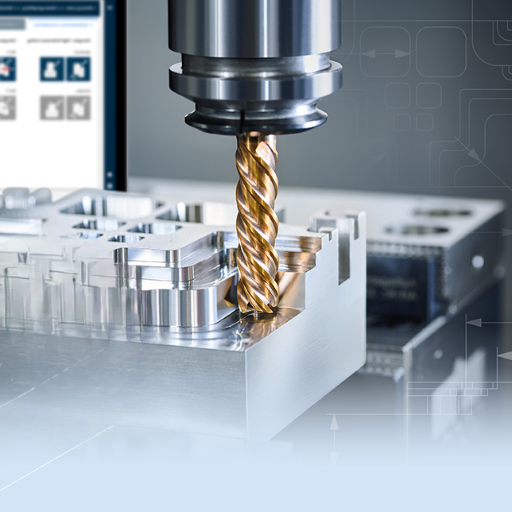
- Selecting an Appropriate Tool: Use cutting tools specific for stainless steel, such as carbide or HSS, which may have coatings to take high temperature and abrasion.
- Correct Adjustments of Speed and Feed: Use low cutting speeds so that excessive heat buildup doesn’t take place; use moderate feed rates for the smooth cut and to avoid tool overuse.
- Coolant of Good Quality: Make use of good coolants or cutting fluids to minimize heat and friction formation which in turn improves tool life and surface finish.
- Keep Tools Sharp: Regular examination of tools needs to be done, replace or resharpen worn or dulled tools, otherwise you create friction in the operation and poor-quality cuts.
- Hold the Workpiece Properly: Clamp the workpiece properly so that it stays in position minimizing movement or vibrations while machining thereby getting good accuracy and consistency.
Recommended Cutting Speed for Stainless Steel
The cutting speed of stainless steel depends on various factors, among which include the grade of the stainless steel; the machining process to be carried out, and the cutting tool material. Stainless steel is much tougher and more difficult to resist heat than other materials, hence the need to select an adequate cutting speed for efficient machining and tool life.
Cutting speed with HSS tools generally lies between 20 and 30 SFM (6-9 m/min). For carbide tooling, higher cutting speeds of 200-300 SFM (60-90 m/min) may be used as they offer better heat resistance. However, sometimes for the harder stainless steel grades such as 304 or 316, lower values are selected as the main consideration is to reduce tool wear.
Also extremely important when selecting a cutting speed is to simultaneously determine an ideal feed rate so as not to induce excessive heat resulting in tool damage and degradation. Always adhere to the recommendations of the tool manufacturer and you may also consider the use of high-performance coolants or cutting oils to further aid in heat dissipation and therefore extend tool life.
How Does Feed Rate Influence Machining?
Feed rate is crucial in machining since it impacts surface finish, tool life, and overall efficiency. Feed rate means the in-one-revolution feed distance the cutting instrument sweeps through. High feed rates lead to an increase in the material removal rate and generally make production faster, but they usually create rough surface finishes and augments wear on the cutting tool. On the contrary, low feed rates, in most cases, provide a smoother finish but take longer to process.
For instance, feed rates falling between 0.002 and 0.012 inches per revolution (IPR) are commonly recommended in machining stainless steel. Which feed rate to use depends on the material being worked on, the type of tool used in machining, and also what needs to be attained. Current statistics report a very considerable improvement on tool life should feed rates be reduced by even just 10 to 15%, particularly when dealing with materials that are very difficult to machine, like titanium and superalloys.
Furthermore, combining an optimized feed rate with the proper cutting speed aids chip evacuation and minimization of heat concentration. Importantly, studies show that machining operations can be made 30% more efficient while reducing waste and tool wear through the use of automated systems that calculate optimum feed rate and cutting parameters. This indicates the potential of balancing feed rate with cutting speed, machining material, and tool geometry on an indifferent basis for the best results.
What Tools are Best for Milling Stainless Steel?
Steel is milled against its tough, heat-resistant nature and work-hardening qualities; hence a suitable choice of tools must be placed under consideration. High-Performance Carbide End Mills are almost ideally suited for this purpose. They withstand the high temperatures generated during the machining operation and retain sharpness for considerable periods. For example, a coated carbide end mill with a titanium aluminum nitride (TiAlN) coating can improve heat resistance and minimize tool wear substantially.
Similarly, ceramic tools can be considered in a few operations at higher speeds to maximize productivity. The downside is that they are more brittle than carbide tools, which means that they often require stable machining conditions. An expert in the industry commented that PVD-coated tools yield fantastic results in stainless steel milling, while some reports estimate a 50% increase in tool life when compared to that of uncoated tools.
Equally important is the choice of tool geometry. Tools with positive rake angles and sharp cutting edges are preferred to minimize work hardening and provide smooth cutting operations. Also, tool holders that have chip breakers would help in easier evacuation of chips and avoid chip accumulation and heat build-up.
For automation and superior performance, CNC machines and adaptive toolpaths such as trochoidal milling are very capable. Recent studies revealed that adaptive machining strategies could raise material removal rates (MRR) in stainless steel milling by 25-35% while reducing cutting forces and machining time simultaneously.
Cooling is the last issue to deal with. A high-pressure coolant delivery system considerably extends tool life and aids in achieving an excellent surface finish. Research by experts in machining indicates that combining most potent tools with efficient coolant systems makes silverware about 20% faster during stainless machining.
By putting together the right tools, the right strategy, and correct machine settings, milling stainless steel becomes easier to handle and produce great results despite the tough properties it possesses.
What Are the Optimal Speed and Feed Parameters?

- Cutting Speed: Usually low to moderate; normally it falls somewhere between 100 and 350 SFM, depending much on the tool material (for instance, carbide tools can sustain higher speeds than do high-speed steel tools).
- Feed Rate: Should be constant around 0.002-0.006 IPT, as the working feed rate ought to be a compromise between the rate of removal of material and the longevity of the tool.
- Depth of Cut: Takes a small depth of cut, perhaps 0.03-0.10 inch, in order to prevent heating and excessive wear on the tool.
How Are Speeds and Feeds Calculated?
Once the speeds and feeds are the target quantities, an initial step is to calculate the spindle speed (RPM) from
Spindle Speed (RPM) = (Cutting Speed × 12) / (π × Tool Diameter)
Next, the feed rate (IPM) is calculated from the RPM:
Feed Rate (IPM) = RPM × Number of Teeth × Feed per Tooth (IPT)
Make sure to select cutting and feed per tooth values correct for the material and tool in use. Some adjustment could be needed in order to obtain better performance with less wear of the tool.
What Is the Interaction of Surface Speed with Milling?
Surface speed is a major consideration in milling operations as it determines machining efficiency, accuracy, and quality. It is the speed of movement of the cutting edge of the tool across the surface of the workpiece. It mainly exists in terms of distance over time units, the most common being feet per surface minute (SFM). The ideal surface speed depends on the material to be machined and the cutting tool that will be employed.
In general, harder materials such as stainless steel or titanium require lower surface speeds for the cutting action because they cause more wear on the tool; they also generate more heat, which should be avoided. For softer materials such as aluminum, it is recommended for surface speeds to be high, high enough to ensure productivity. The correct surface speed ensures optimum tool life and machining time and good quality of the part.
Some surface speed recommendations for common materials are:
| Material | Typical Surface Speed (SFM) |
|---|---|
| Aluminum | 800 – 1200 |
| Mild Steel | 100 – 300 |
| Stainless Steel | 50 – 150 |
| Titanium | 60 – 120 |
Adjusting SFM for Different Endmills
When you adjust SFM for different endmills based on the material being machined, tool material, and the coating on the endmill, begin with the SFM recommended for the particular tool and material combination. Adjust the SFM as per machining experience if needed, such as when tool wear is excessively high, temperature rise is unusually noticeable, or surface finish quality is poor. Slightly lower the SFM for small-diameter endmills, as excessive wear may result otherwise. Conversely, for big endmills, maybe increasing the SFM slightly can build up the performance a little bit. Try and rely on real-time monitoring for adjusting the cutting parameters and ensure the changes are incremental.
Choosing the Right Tool for 304 Stainless
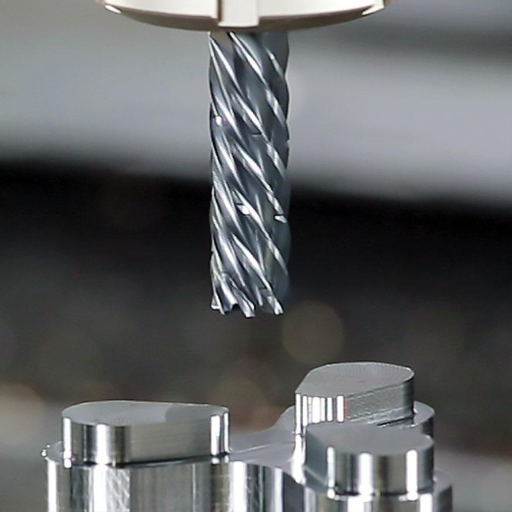
When selecting the right tools for machining 304 stainless steel, an emphasis must be given to carbide tools or high-speed steel with coatings that promote long durability, such as TiAlN or TiCN. Endmills or drills rated for stainless steel should be given priority in operation in order to achieve better performance and longer tool life. The cutting edges should be sharp, with a tool geometry that discourages the generation of heat and work hardening. Finally is the lubrication and cooling shown during machining to increase machine efficiency and prevent damage to the tool.
How to Differentiate Between Carbide and HSS Tools?
The primary difference between carbide and HSS tools is the materials constituting them and their performance. Carbide tools are harder and more heat-resistant, hence should be used for high-speed machining or working with very hard materials, such as stainless steel. HSS tools are softer, less heat-resistant, and, hence, are capable of flexing under strain and performing smaller machining jobs or general-purpose work. For more efficient and heavy-duty processes, a carbide would be the metals of choice; however, for cheap and light operations, HSS will do.
The Significance of Coated Carbide Endmills
These coated carbide endmills are of high importance nowadays due to their contribution to increasing the tool’s ability, performance, and life. The coating substantially protects from wear, enhances heat resistance, and lowers friction so that cutting can be performed more efficiently and effectively on a variety of materials. Cristaliti, Titanium-Nitride (TiN), Titanium Aluminum Nitride (TiAlN), or DLC coatings are generally used to optimize cutting ability for particular purposes.
Can Up to three-fold the tool life in hot cutting applications? Yes, the various reports indicated. In addition, the coatings enable an increase in cutting speed by about 20% to 40%, thereby shortening the duration for machining and enhancing output productivity. For example, TiAlN-coated tools are well suited to machining hard metals like stainless steels or titanium due to its excellent oxidation resistance at elevated temperatures.
Also, the coating reduces friction while bearing a beneficial effect for a better surface finish of the workpiece, thus avoiding over-processing costs. This leads to cost savings as the covered carbide endmills would use fewer tools to accomplish any job and less downtime in replacing or resharpening the tools. Hence, with the marked coating functions specified tailored to any machining material, coated carbide endmills are thus considered indispensable machining tools for aerospace, automotive, or mold-making industries where speed and accuracy are paramount.
How to Extend Tool Life?
To have a longer tool life, I make sure that machining parameters like speeds and feeds are appropriate to the material being cut. I use good quality coating carbide tools for the application, especially since the coating reduces wear and improves heat resistance. Regular maintenance and cleaning, which includes looking for wear on the tools, are necessary. Proper lubrication and coolant systems are also applied to lessen heat build-up and friction during machining. Application of the above procedure ensures optimal performance of any tool as well as prolongs its life.
Understanding Carbide Endmills for Stainless Steel

Carbide endmills are a great choice in machining stainless steel due to their hardness, heat resistance, and durability. When machining stainless steel, the usage of a coated carbide endmill is required; that coating should provide adequate heat and wear resistance. Coatings considered best for these cutting conditions would include TiAlN or AlTiN. Low cutting speeds, heavy feeds, and insufficient coolant would raise tool and surface temperatures, thereby creating conditions for excessive tool wear and poor surface finish. Proper tool maintenance and working conditions further increase tool performance and life.
Advantages for Using Carbide Endmills
From a global perspective, carbide endmills have always been one of the most preferred tools to carry out precision machining of various materials across diverse industries. They are hard and durable tools that never lose their sharp cutting edges even under the hardest applications. It especially works at faster cutting speeds than an HSS tool, facilitating machining in very less time and thus, increasing productivity. Depending on the machining material, the carbide tools are said to be able to function up to 3-5 times faster than an HSS tool.
Moreover, carbide endmills carry high-temperature resistance, making their application perfect for stainless steel, titanium, and aerospace alloys, which generate high temperatures. It allows the carbide endmills to be undeterred by wear caused by heat in normal working conditions and thereby retaining their performance and tight tolerances for a good time. Coatings such as TiAlN or AlTiN are usually deposited on the carbide endmills, which make them even more resistive to heat and wear, doubling their tool life by about 50 to 100 percent compared to uncoated ones.
Besides this, it provides a smooth surface finish. The endmills remain rigid with minimum deflections, enabling smooth cuts with less vibration; the outcome of which is neat finishes on workpieces eliminating further operation.
They perform well in abrasive environments, such as machining composite materials or hard metals, thereby ensuring reliable and consistent performance. Combining these benefits with advances in tool coatings and modern geometries makes carbide endmills an effective solution in today’s manufacturing environment for efficiency, durability, and cost-effectiveness.
How to Select Coated Carbide Endmills?
- Material to be Machined – Choose a coating that enhances performance for the specific material, such as titanium aluminum nitride
- (TiAlN) for high-temperature applications, or diamond-like coatings for composites.
- Cutting Conditions – Evaluate conditions like cutting speed, feedrate, and depth of cut to ensure the endmill is suitable for the intended application.
- Tool Geometry – Match tool geometry, such as flute count and helix angle, to the material and type of cutting (finish or roughing).
- Coating Performance – Look for coatings that minimize friction and improve heat resistance since such coatings will give the longest tool life and highest tool performance.
What are the Key Parameters to Consider?
The key parameters to consider are material type, cutting conditions, tool geometry, coating performance, machine stability, coolant application, and tool wear monitoring.
| Key Point | Description |
|---|---|
| Material | Match tool material to workpiece. |
| Cutting | Adjust speed, feed, and depth conditions. |
| Geometry | Select proper flute count and helix angle. |
| Coating | Use coatings for heat resistance and wear. |
| Stability | Ensure machine rigidity for precision. |
| Coolant | Apply coolant to reduce heat and friction. |
| Wear | Monitor tool wear to maintain performance. |
How to Optimize Machining for High-Speed Operation?

- Select the Right Tool Material – These tools must,”aw,”hign,-speed combustion-working tools, such as carbide tools with heat-resistant properties.
- Optimize Cutting Parameters – Appropriate cutting speeds and feed rate are set to get the highest level of efficiency with minimum wear of tools.
- Ensure Proper Tool Coating – Get a higher tool life and less heat buildup by using coatings like titanium aluminum nitride (TiAlN).
- Maintain Machine Stability- Clamp the workpiece well, and minimize vibrations.
- Coolant Application- Apply the coolant properly so it could reduce the heat and improve surface finish of the application.
Another Advantage of the Helical Endmills
Helical end-mills are indeed a necessary machining element, having so many advantages in terms of cutting speeds and finish. In contrast to straight flute cutters, helical endmills are designed to work with the spiral, so the engagement of tool with the workpiece is gradual and continuous. This decreases force application, minimizes vibration, and increases the precision of the entire operation.
Another critical advantage of helical endmills is the increase in the material removal rate (MRR). A recent study states that helical endmills can improve MRR by about 40% as compared to notorious conventional tools in view of their optimized cutting angles and improved chip evacuation capabilities. They also provide a good finish on the surface, with a roughness value (Ra) as low as 0.4 microns in high-precision applications.
Another advantage is that contrary to promoting tool life-energy distribution in the form of wear and heat generation on the edge of the tool is fairly even in the presence of these tools, especially with coatings such as titanium nitride (TiN) or diamond-like carbon (DLC), clearly resulting in a functionally significant impact on the life of a tool. Research indicates that tools with helical geometry last 20-30% longer than their straight flute counterparts, making them more cost-effective over time.
Helical endmills outshine their competitors in certain applications like high-speed machining and working with difficult materials, including titanium, aluminum, and composites. The benefits of efficient chip clearance ensure that the tools do not get clogged in working with these high-density materials, guaranteeing a homogenized quality even with high-density materials. All the above-named aspects have made helical endmills the equal of any competitors in the whole machining process.
How Can We Minimize Tool Deflection?
- Use Shorter Tools: Go for the shortest tool available to minimize leverage and increase rigidity.
- Optimize Cutting Parameters: Lower the cutting speeds and feeds to decrease the stress on the tool.
- Select the Right Tool Material: Using rigid materials like carbide should be used to resist deflection.
- Ensure Proper Setup: Ensure that everything, including the workpiece and toolholder, is clamped firmly to avoid unwanted movement.
- Regularly Inspect Tools: Get rid of worn-out tools as they can easily deflect and lead to the loss of precision.
What Is the Function of Coolant in High-Speed Milling?
Coolant is used in high-speed milling to increase tool performance, increase the tool life, and to make sure that the end product is good. At high speed, the heat generated by friction between the tool and material to be machined may cause tool wear, thermal damage to the workpiece, and reduction in machining accuracy. Correctly applied coolant lessens these disparities by quickly taking away heat, lubricating the working zone, and washing away the chips from the region being worked on.
According to Sandvik Coromant study, proper application of coolants can reduce tool wear by up to 30% in some high-speed milling procedures, thus significantly lowering operating costs. Furthermore, the coolant is responsible for the surface finish by maintaining stable machining conditions and minimizing thermal deformation to the workpiece. Coolants are selected as water-soluble or oil-based fluids, depending on the material being milled and the machining operation.
High-pressure coolant systems are generally used in high-speed applications to ensure that the cutting fluid is injected deep into the cutting zone, even at the very fast speeds being achieved by modern CNC machines.
Increased cutting speed, maintained integrity of cuts, and dimensional accuracy are guaranteed by keeping coolant pressure to an optimal level. Combining optimal coolant pressure with the development of new coolant delivery techniques, such as through-tool delivery, enhances the milling processes’ efficiency and promise.
The very mark of integration of coolant into the entire mechanism of high-speed milling is efficiency, precision, and longevity of equipment in the development of modern manufacture.
Reference sources
- Influence of machining parameters on tool wear, residual stresses, and corrosion resistance after milling super duplex stainless steel UNS S32750 (Marques et al., 2023, pp. 801–814)
- Key Findings:
- Investigated the influence of machining parameters (cutting speed, feed rate, and depth of cut) on tool wear, residual stresses, and corrosion resistance when milling super duplex stainless steel UNS S32750.
- Cutting speed was the most influential parameter on tool wear and residual stresses, while feed rate had the greatest impact on corrosion resistance.
- Methodology:
- Experimental study using a full factorial design with three levels of cutting speed, feed rate, and depth of cut.
- Measured tool wear, residual stresses, and corrosion resistance after milling.
- Key Findings:
- Optimization of milling parameters of ASTM a 995 grade 4A Duplex Stainless Steel using Taguchi Technique (“Optimization of Milling Parameters of ASTM a 995 Grade 4A Duplex Stainless Steel Using Taguchi Technique,” 2019)
- Key Findings:
- Optimized the milling parameters (feed rate and spindle speed) of ASTM A 995 grade 4A duplex stainless steel using the Taguchi technique.
- Determined that the feed rate and spindle speed are the most important variables influencing the cutting force and surface finish.
- Spindle speed was the most important variable influencing tool wear.
- Methodology:
- Conducted milling experiments using a Taguchi L9 orthogonal array to investigate the effects of feed rate and spindle speed.
- Analyzed the results using the average of results and ANOVA to determine the optimal machining parameters.
- Key Findings:
- Comparative Performance Evaluation of Uncoated and Coated Carbide Inserts in Dry End Milling of Stainless Steel (SS 316L) (Gaurav & Sargade, 2012)
- Key Findings:
- Compared the performance of uncoated and coated carbide inserts in dry end milling of stainless steel SS 316L.
- Coated carbide inserts showed better performance in terms of tool life and surface finish compared to uncoated inserts.
- Methodology:
- Conducted milling experiments using uncoated and coated carbide inserts under dry cutting conditions.
- Evaluated the performance in terms of tool life and surface finish.
- Key Findings:
- Top custom stainless steel parts Manufacturer and Supplier in China
Frequently Asked Questions (FAQs)
Q: What are the recommended speeds and feeds for milling 316 stainless steel?
A: The speeds and feeds for milling 316 stainless steel depend on various factors, tool material, and type to name a few. Normally, the use of a speed-feed calculator would provide the best balance. In carbide drills, it is usually advised to run slow and feed fast, in order to achieve the right chip load and avoid work hardening.
Q: How do I determine the chip load for machining stainless steel?
A: The appropriate chip load for machining stainless steel can be calculated with the use of a machining advisor or a speed-feed calculator. Such calculators take into consideration parameters relating to tool diameter, material type, and machining conditions to assess the proper chip load, thus ensuring efficient and effective milling.
Q: Are 4 flute end mills suitable for milling stainless steel?
A: 4 flute end mills are suitable for milling stainless steel, but they are commonly thought to be slightly more inclined toward finishing work due to their multitude of flutes-their finish is far superior. But for roughing jobs, 3fl or variable pitch end mills may be better suited for the treatment of the material and vibration reduction.
Q: What is the importance of Chromium in stainless steel machining?
A: Chromium is a constituent element in stainless steel that lends corrosion resistance to it. Machining stainless steel should always be conducted in such a way as to not destroy the chromium oxide layer, as that would result in corrosion. Maintaining the chromium oxide layer will ensure that the properties of steel are maintained.
Q: What is the difference between the general-purpose and the high-performance end mills for stainless steel?
A: General-purpose end mills are for all usages and cutting of most materials while high-performance end mills are special end mills for cutting harder materials such as stainless steel. The high-performance end mills of Helical Solutions features advanced coatings and variable pitch, as well as optimized geometries for enhanced tool life and cutting performance.
Q: Why is it essential to consider radial step and axial depth of cut in stainless steel milling?
A: Radial step and axial depth of cut are important in stainless steel milling as they affect the tool engagement, heat generation, and tool wear. When combined with a speed-feed calculator, these parameters can be balanced for efficient material removal and increased tool life, especially in high-speed machining (HSM).
Q: What benefits do variable pitch end mills offer when machining stainless steel?
A: When machining stainless steel, the benefit of variable pitch end mills is that they reduce vibrations and chatter, which are common problems with this material. By varying the distance between the flutes, variable pitch end mills allow even distribution of cutting forces, providing smoother cutting and improved tool life.
Q: How do carbide drills behave against stainless steel in contrast to other machining tools?
A: Carbide drills perform with excellence against stainless steel because they are harder and resist heat. They stay sharp longer and can be run at much higher speeds compared to HSS drills. Using them thus shortens drilling time and improves hole quality when being used in high-performance applications.


