Stainless steel pump parts are the indispensable workhorses across industrial, residential, and commercial sectors, whose primary role is to keep the running of pumps efficiently and dependably even in adverse conditions. The appreciable strength, corrosion resistance, and temperature withstanding capabilities of these parts make them a great asset in several industries, including manufacturing, food processing industries, among others. This article aims to help you comprehend stainless steel pump parts, the most fundamental of which is the use of these elements in the improvement of pumps and the factors that affect the lifespan of the pumps, at the same time increasing their efficiency. If you are an engineer or a buyer, or simply interested in getting the necessary information, the following article will help deepen your understanding of stainless steel pump parts and their vast advantages. Keep reading as we detail their prime characteristics, advantages, and maintenance requirements to help your systems function comprehensively and efficiently..
What are the essential stainless steel pump parts?
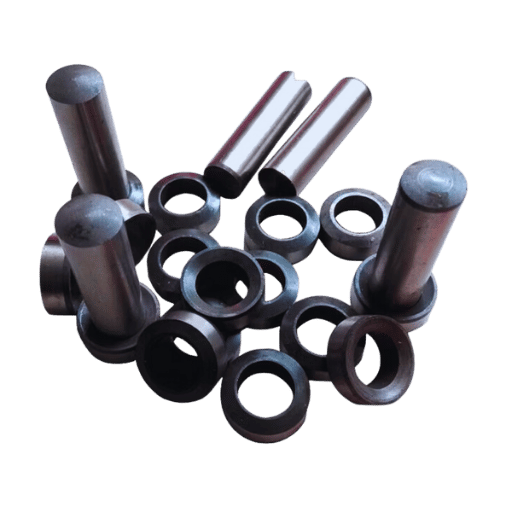
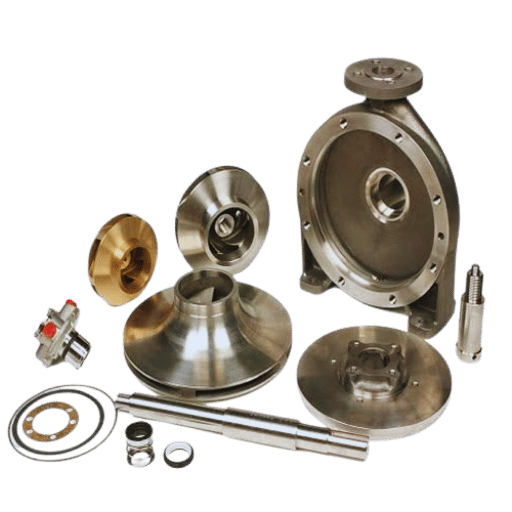
- Impeller – provides thrust for liquid movement to prevent erosion and enhance productivity in the pump.
- Casing – Forms a housing around the pump parts, allowing the flow to smoothly progress without the need for additional energy.
- Shaft – Provides a medium through which the mechanical power of the motor is transmitted to the impeller.
- Seals – Prevent adverse impacts of leakage as they seal the structure of other parts properly.
- Bearings – Make sure the rotation shaft is well supported and reduces bending by allowing rotation to occur smoothly.
All these stainless steel pump parts and extra accessories help prolong the lifespan of pumps and enable them to operate efficiently in busy environments.
Understanding the pump body and its significance
The pump body plays an essential role in most pump systems. It facilitates the accommodation of internal components, thereby maximizing fluid transmission, protecting the structure, and supporting various working conditions.
The role of the impeller in centrifugal pumps
The centrifugal pump impeller is an important part of centrifugal pumps, as it helps convey energy from the electric motor to the liquid. It does this by providing a rotational motion that speeds up the liquid in an outward direction, thus increasing its speed as well as its pressure. This is because it aids in the movement of fluids easily inside a pump system. The pump has different types of impellers that are used for different fluids or conditions, promoting the application of more pumps for different fluids or situations. For both ends of the spectrum, standard quality product and low prices, modern pump construction and application require for use of stainless steel pump parts in most cases.
Exploring the shaft and its impact on performance
As a vital element, the shaft functions to transfer the rotary motion generated by the motor to the impeller of any pump. The efficient, reliable, and prolonged operation of a pump is dependent on the condition of its shaft. Therefore, an optimally engineered shaft should be able to perform in the ambient conditions, providing the required torque and axial force without plastic (and elastic) deformation or losing the geometrical tolerances. More so, there is the aspect of realignment of the shaft, which has to be considered because a misaligned shaft would result in vibration and reduce the service life of the adjacent components, such as the seals and bearings. Apart from that, the employment of superior stainless steel pump parts and high-level fabrication practices leads to enhanced endurance, thus reducing the chances of operational failure.
How to select the right replacement pump parts?
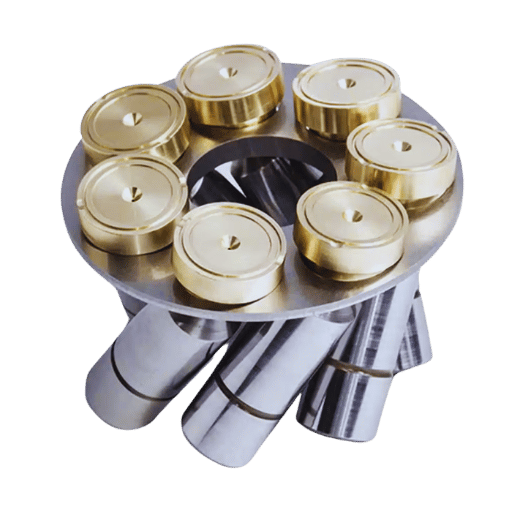
Identifying the correct part number and model
Procuring the right part numbers and model for replacement pump components requires accuracy and meticulousness. The first step in the process is always to get back to the original equipment manual or any available documents, since most manufacturers give detailed part numbers and models within such documents. It is also important to double-check these details with the nameplate, which is often found attached to the pump and carries, among other details, the model, serial numbers, and the manufacturer’s identity code. In the absence of the original documents, a search on the internet using the pump type, model, or serial number can be done. Latest searching tools and databases of Google, for example, can help in reducing options by catalogues of manufacturers, technical support websites, and authorized distributors, if that is applicable. Finally, it is also recommended to reach out to the customer service department of the pump system manufacturer or to the authorized pump system supplier to further verify the completion and applicability of the scan with the concerned pump system.
Ensuring fit and compatibility with your pump
To begin with, ensure that the pump’s size, flow rate, and pressure rating fits with your system by checking the pump’s specifications. Compare all these aspects versus your system requirements or application. Look for the pump manufacturer’s official manual or any technical document for accurate numbers. Also, if the manual is not available, check with the manufacturer or an authorized distributor directly. As a reassurance, check the part numbers, sizes in certified catalogs or reliable industry provider sites. Above all, avoid anything other than original or manufacturer-approved products for proper functioning and safety of the equipment. If you use unapproved stainless steel pump parts rather than plastic ones, you may expect a failure in performance and in the safety of the equipment over time.
Factors influencing part durability and wear
- Material Characteristics – The extent to which a component resists wear and the length of time it lasts is largely dependent upon the material out of which it is constructed. Alloys that are high in strength or exotic materials tend to enhance their performance.
- Process of Machinery – Different structural corrections are obtained through different production processes, such as heat treatment, the formation of parts, and surface strengthening.
- Environmental Conditions – Such factors as extremes of temperature accompanied by wind, moisture, chemical attack, and even dust often degrade and reduce wear resistance.
- Strength and Load – Components are subjected to stress under external and internal forces, which positively or negatively affect the duration of the part’s usage.
- Finish of the Surface – In practice, the existing finishes of a particular part determine the levels of friction and wear experienced during the part’s functioning.
- Energy Absorbing Devices – When used properly, lubrication prevents heat buildup, thus minimizing wear due to friction between the parts.
- Housekeeping and Maintenance – Thorough cleaning, surveillance, and timely backing out or repair of worn-out parts allow for efficient and effective functioning and prolong the life of a part.
- How Much Can It Carry and For How Long – Additional loads and deformation apart from high drive speed may cause wear and tear of the component, thus lowering the functional life of the equipment.
- Surrounding Elements Complication – Components that do not fit properly and have no manufacturing defects can still cause adverse friction.
- Constraints of Shape – Certain design parameters, such as tolerance, stiffeners, and stress concentrations, are core parameters in analyzing the fatigue life of a particular part.
- For instance, carbon steel pug mill bodies or stainless steel pump parts would be prone to faster wear and tear when exposed to such aggressive materials.
What are the best practices for pump assembly and maintenance?
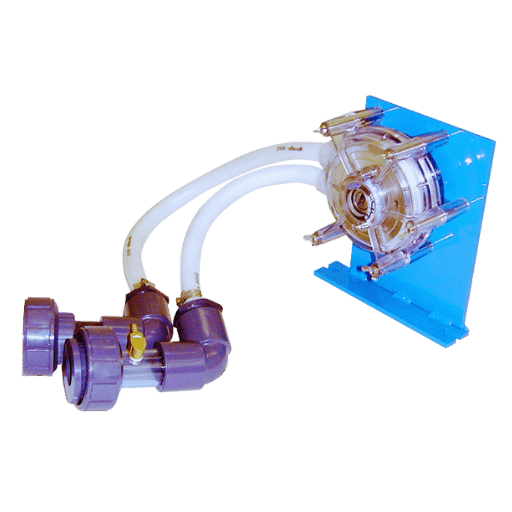
Steps for a seamless assembly process
- Check Components Before Assembly – inspect the parts properly for any damage, deformities, or any other contaminant that will prevent proper assembly or functioning.
- Consult the Manufacturer Manuals – read in detail the instruction manual and assembly instructions of the manufacturing company to avoid any mistakes.
- Organize Space – prevent any contamination that may occur by having a clean, inner-organized, and well-illuminated work site.
- Check Parts Fit and Alignment – misalignment of certain parts may lead to fitting problems, increased wear, and inefficient operation.
- Lubrication – lubricants that the manufacturer has approved should be used in appropriate quantities to aid in the ease of assembly and to lower the wear and tear.
- Use Suitable Tools – select such tools that have been specifically made for that purpose to ensure accuracy of the work done and preserve the components from damage.
- Fasteners Should Be Fastened With Proper Torque – fasteners such as bolts, screws and so on should be tightened to the specified torque value using a torque wrench that has a calibration.
- Test the Seals and the Gaskets – Make sure all seals have been applied and seating of the gaskets is secure.
- Preliminary test of function – check components manually or visually to ensure proper assembly and range of motion.
- Take Notes – Documentation of important assembly processes, test outcomes, the out-of-the-ordinary steps of the procedure takes place.
Routine maintenance tips to prevent damage
- Make Regular Assessments of Components – Inspect all parts before there is any evidence of wear, corrosion, or damage.
- Clean the Equipment – Ensure to clean off any dirt, debris, or rust that may develop on the machinery.
- Grease the Parts Every So Often – Use ein ordentliches Schmiermittel, which prevents wear and tear away from components.
- Loose Screws, Bolts, Nuts – Ensure that the screws, bolts, nuts as well as other mechanical connecters are in place after a while.
- Change the Wings – If oil, coolants, or other vital liquids are too low, pour fresh ones to help the system run.
- Substitute Defective Parts Before It Is Too Late – Keep track of components and timely repairs, replacing those already worn out with new ones.
- Check the Safety Control Mechanisms – The safety features as well as mechanisms should be tested to evaluate their performance to avoid any accidents or breakdowns where possible.
- Purpose, Design, and Use – This does not imply that one should mount the equipment and overload it or distort its usage, which may decrease its performance or accelerate the wear and tear.
- Efficiency Under Operating Conditions – Equipment is to be protected from excess moisture, radiant heat, or typical dusts, which can be detrimental to its performance.
- As per the Manufacturer’s Instructions, keep it and follow every maintenance schedule advised by the technical book in the provided time frame.
- Just including some of the keywords in a refined scenario does not make sense. The stainless steel pump parts can be easily handled by ensuring the couplings are in place to ensure their protection.
How to handle replacement part installation
In the process of replacing a part, my first task is to check the user guide of the equipment to check if it is the right replacement and how to replace it. In addition, all power lines are disconnected, and the instructions for safe operation are observed as a precaution. I take the glitches with the required tools, remove them, and install the stainless steel pump parts with the hangover, making sure everything is all lined up and locked in. Conclusively, the equipment is checked to ensure function before proceeding with the production process.
How does stainless steel enhance pump performance?
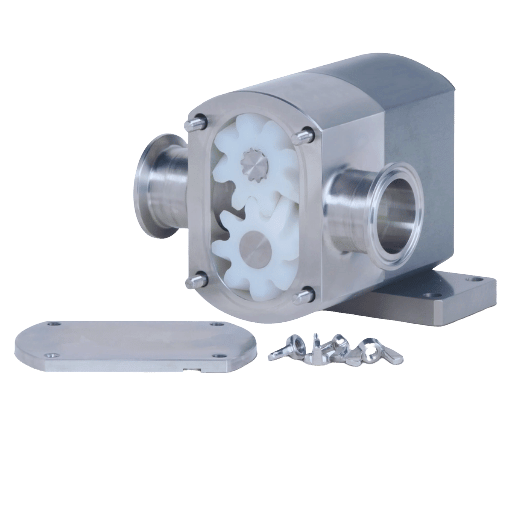
Benefits of stainless steel in chemical environments
- Resilience to Corrosion: Stainless steel is notably non-corrosive, rendering it appropriate even for acidic, alkaline, and highly aggressive chemical conditions.
- Strength: The high tensile strength of the material and its ability to restrict damage or wear, even from prolonged periods of use of tough chemicals, negate the need for repairs.
- Heat Stability: Stainless steel withstands extreme temperatures, both hot and cold, during chemical reactions and remains effective within a large range of temperatures.
- Hygiene: Stainless steel is smooth and is easier to clean as bacteria cannot propagate easily, suitable for industries with high hygiene requirements.
- Service Life: Due to controlling the pitting, cracking, as well as deterioration of the material, stainless steel pump parts will have a longer life as compared to many other materials.
- Inertness: Stainless steel will not react with most types of chemicals,s thereby maintaining the purity of the transported material.
- Environment Care: Stainless steel can be recycled and is not harmful to the environment, thus supporting sustainable ways of working in the chemical processing industries.
The impact on efficiency and service life
The utilization of stainless steel pump parts primarily boosts the operational functionality and extends service life. Its strength ensures that the components do not require repairs or replacements often, thus reducing downtime and operational expenses. In addition, stainless steel does not get corroded easily, which helps in maintaining performance over a long time, even under harsh conditions. In facilities that work with hazardous or sterile materials, stainless steel preserves performance but combines its advantages with sustainability, thus it can be used in chemical plants and other sectors where the conditions are tough.
Comparing stainless steel with other material options
Compared to other materials, stainless steel performs better in terms of strength, rust resilience, and maintaining its physical features over time, and this serves in many challenging applications.
|
Parameter |
Stainless Steel |
Aluminum |
Copper |
Carbon Steel |
Plastic |
|---|---|---|---|---|---|
|
Strength |
High |
Moderate |
Low |
Very High |
Low |
|
Durability |
Excellent |
Good |
Moderate |
High |
Low |
|
Corrosion |
Excellent |
Moderate |
Excellent |
Poor |
Poor |
|
Weight |
Heavy |
Lightweight |
Heavy |
Heavy |
Very Light |
|
Cost |
High |
Moderate |
Very High |
Low |
Very Low |
|
Aesthetic |
Sleek |
Versatile |
Warm |
Basic |
Customizable |
|
Hygiene |
Excellent |
Good |
Good |
Poor |
Poor |
|
Recycling |
Excellent |
Excellent |
Excellent |
Moderate |
Poor |
|
Applications |
Versatile |
Lightweight |
Electrical |
Structural |
Consumer Goods |
Where to find reliable pump parts and kits?
Online platforms for purchasing pump parts
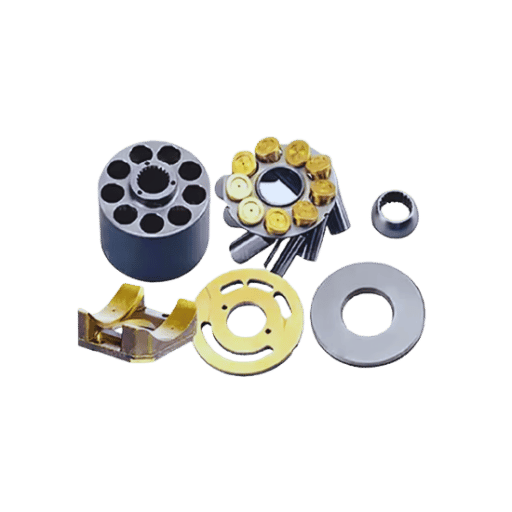
When searching for options to buy stainless steel pump parts indispensable for their businesses, there are many top-rated websites and stores that are born in mind thanks to the Italian search engine. Producers such as Grainger, GlobalSpec, or MSC Industrial Supply present in their offers standard and non-standard pump parts used in different sectors. These allow the user to find out detailed specifications of the products and compare the best alternative that they would be appropriate in the context.
The most popular online shops like Amazon and eBay also help by including a lot of pump parts that are often accompanied by consumer comments on the products they have purchased. For handling specially produced or industrial parts, the manufacturer, like Flowserve or Grundfos, offers the part directly from the manufacturer through their website to guarantee quality and originality. Also in the forums and niche platforms like PumpProducts.com, users can complain about pumps and pump-related items because of the fact those resources are designed to satisfy both professional users and amateurs.
Understanding pricing and warranty options
Analyzing different cost and warranty plans for pump spares requires more than just looking at the costs; instead, one must evaluate the very problem itself: costs against cost savings and support in the future. There may be a great difference in the price concerning a given brand, its quality of material, and its usage, with industrial specifications parts costing more because of their superior quality and performance. Most of the companies selling pumps and their spare parts, for example, Flowserve and Grundfos, offer varied packing and costing structures whereby the purchasers can buy acceptable, though not the highest, components to meet their specific functional requirements and financial needs. While each supplier will have different warranty conditions, mostly they would cover defects relating to material or design and would last 12 to 36 months. Certain manufacturers also have long-term warranties that help protect one’s investments in highly reliable ring fences at a fixed cost. This, supplemented by the assistance of Google in most cases, will help customers in understanding the present price list, searching for calibrated sellers, reaching conclusions regarding the purchase of any product, examining the reviews of any product, and warranty terms in detail.
Frequently Asked Questions (FAQs)
Q: What are the essential parts of stainless steel pumps?
A: The essential parts of stainless steel pump parts include housings, plungers, pistons, valves, seals, and springs. These parts work together to complete the pumping process efficiently, requiring heavy-duty functionality in various applications.
Q: Please tell me how I can determine the actual size to fit my pump model.
A: In ascertaining the right size for your pump model, the requirements of your application must be considered: flow rate, pressure, and the type of fluid you want to pump. Considering the manufacturer’s specifications and instructions is very important in order to select the correct size.
Q: How often do I need to replace the sealings on my stainless steel pump?
A: The frequency needed to replace the sealings of a stainless steel pump depends mainly on the usage of the pump, the type of fluid being pumped, and the operating conditions. A regular inspection and maintenance regime could indicate when the sealings need to be replaced before they leak.
Q: What is the purpose of the plunger in a stainless steel pump?
A: The plunger is important in the displacement mechanism of a stainless steel pump. It creates the pressure needed to get the fluid to flow through the pump system to perform the operation maximally.
Q: Is it possible for stainless steel pumps to cater to water and oil applications?
A: Certainly, being toughly built and corrosion-resistant, stainless steel pumps can handle many fluids, including water and oil. You will have to pick the right kind of pump to match your particular application to get the best results.
Q: How does the housing design come into play in the pump operation?
A: In stainless steel pumps, the housing design is crucial in providing the structural integrity and ensuring the alignment of vital internals. This guarantees the smooth flow of fluid through the pump and minimizes the possibility of leaks, which ultimately improves the reliability and life of the pump.
Q: What are the elements to be kept in mind when choosing a pump for Universal Applications?
A: For consideration while choosing a pump for universal applications are the type of fluid, flow rate, pressure requirements, pump material, and compatibility with the existing system. It is important to choose a pump that can cope with the wide range of conditions and be a viable solution.
Q: What is the working of the springs in the stainless steel pump?
A: Springs in stainless steel pumps are designed to suspend pressure and return the movements of the internal pump elements, such as the plunger and piston. A spring ensures the smooth operation of the pump and helps absorb shocks or vibrations during operation.
Q: How do I ascertain the correct discharge length in my pump setup?
A: To ascertain the correct discharge length in your pump setup, the total head should be established based on a vertical lift and friction loss from the pipe. The sizing of the discharge pipe must be appropriate, and all other connections must be firmly tightened to prevent undermining pump performance and its efficiency.
Reference Sources
1. Examination of Metallographic Characteristics of a Centrifugal Pump Shaft of Stainless Steel Material
Researchers: P. as Gejdoš did, L. Kova Klakurková analyzed, and M. provided the data collected by Juliš
- Publishing House: Defect and Diffusion Forum
- Article Published on: 1st November 2020
Findings of the Study:
- The investigation examined the microstructure of the internal shafts of centrifugal pumps that had failed and were made from stainless steel.
- The chemical composition and hardness were explored using light microscopy and a scanning electron microscope with its EDS attachment.
- The results showed that the shafts had experienced wear and tear and therefore failed for use within 10 years, and those that had failed within a shorter period after being repaired.
Approach:
- The research aimed at the metallographic examination of the internal structure of the types of elements obtained from the inner and outer parts of three seams that had been used (Gejdoš et al., 2020, pp. 223-228)
2. Corrosion Resistance and Microstructure of Welded Billet Steel Over Gray Cast Iron Layers
- Authors: Mrs. B. Heider, B. E. Matthias Oechsner, E. C. G. Ulrich Stefan Reisgen, Justin Ellermeier, T. O. Engler, Glynn
- Andersohn, Sharma Rahul, Elizabeth Gonzalez Olivares, Esther Zokoll
- Publication: Journal of Thermal Spray Technology
- Release Date: March 3, 2020
Major Findings:
- There was an attempt to evaluate the corrosion behavior of duplex stainless steel surface formation on gray cast iron structures.
It was determined that the amount of heat for the welding process had a direct impact on corrosion resistance, and the lower it was, the better resistance was achieved.
Method:
- The study used the techniques of GMA-SW and PTA-SW to conduct a surface addition and subsequently carried out corrosion experiments in simulated marine water (Heider et al., 2020, pp. 825–842).
3. Enhancement of Acquisition Properties of Duplex Steel for Seawater Pumping Systems by Using Laser Treatment Techniques
- Contributors: Hyeontaek Rim, Myeong Gyu Lee, Pil Kyu Kim, Jeonghyok Bak, Sung Ho Jeong
- Holly Hill: Desalination And Water Treatment
- Published On: The first is 1st March 2010 (Please note: The article is out of a one-year time frame, but it is found to be relevant)
Major Outcomes:
- This research indicated that the laser shocked hardening improved the hardness of 2205 grade stainless steel and hence makes it better suited for work with corrosive agents.
Methods:
- There were experimental studies conducted dealing with issues of surface additional hardening and morphology alterations on a surface before and after the laser treatment (Lim et. al., 2010, pg. 43-47).
4. Materials Selection for Seawater Pumps – A guide on materials of choice for seawater pumps, down to stainless steel from Texas A&M University.
5. Investigating Corrosion of Stainless Steel Water Pump Parts (Science Direct) – Discussion on the corrosion concerning stainless steel pump parts; research work documented.
6. Pump