


Regarding flexible and high-performance materials, titanium grade 2 takes the lead in several important industries worldwide. A famous property of titanium grade 2 is its strength, lightweight and high resistance to corrosion. Hence, titanium grade 2 has entered the world of aerospace and medicine as a prime application. But we must ask: How does titanium grade 2 remain so dependable, and how can one better utilize its properties? This article will cover everything about titanium grade 2, such as its defining properties, applications, and benefits in modern engineering and design. The full-extended guide is helpful if you are seeking the right material for your project or are just curious about what it can do for you.
What is titanium grade 2?
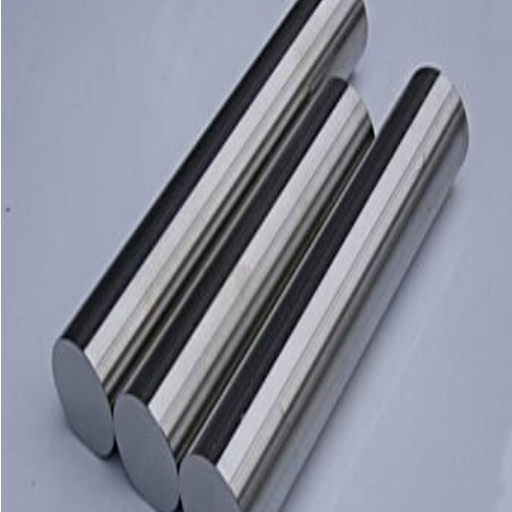
Titanium grade 2 is commercially pure titanium that balances strength, corrosion resistance, and weight. As a great all-rounder, grade 2 titanium is employed in multiple industries, including aerospace, medical, marine, naval, and chemical processing. Although not as strong as some of the other titanium alloys, grade 2 titanium has far greater ductility, weldability, and formability, all favorable for the final stages of making a product in which ease and working may be important alongside durability. Grade 2’s malleability to corrosion in an oxidizing or mildly reducing environment finally improves its choice as a material with high standards of reliability and endurance.
Defining grade 2 titanium and its properties
Grade 2 titanium represents one of those materials with this unique symbiosis of properties and offers versatility in many usages. It is known for extraordinary corrosion resistance and is usually deployed in areas exposed to seawater or acidic environments such as marine hardware, heat exchangers, and desalination plants. Good biocompatibility makes it an ideal candidate in the medical field for making implants and surgical tools. On the strength scale, it stands moderate, has low density, and has high ductility, making it easy to work with and weld, thus making it suitable for architectural and aerospace applications. By these performance characteristics, Grade 2 titanium remains an industrial workhorse in many sectors.
Difference between commercially pure titanium and titanium alloys
Commercially pure titanium offers superior corrosion resistance and formability, while titanium alloys provide enhanced strength, heat resistance, and tailored properties.
|
Parameter |
Pure Titanium |
Titanium Alloys |
|---|---|---|
|
Strength |
Moderate |
High |
|
Corrosion |
Excellent |
Very Good |
|
Formability |
High |
Moderate |
|
Heat Resistance |
Moderate |
High |
|
Weldability |
Excellent |
Good |
|
Applications |
Marine, Med |
Aerospace, Auto |
|
Cost |
Lower |
Higher |
Understanding UNS R50400 and its significance
The UNS R50400 is known as Grade 2 commercially pure titanium and is widely accepted as one of the best corrosion-resistant and biocompatible materials available. It finds essential applications in sectors requiring durable and safe materials, such as the medical, aerospace, and marine industries. Offering a balance of moderate strength and high ductility, UNS R50400 provides considerable versatility in manufacturing processes such as forming, welding, and machining. The choice of UNS R50400 can also be attributed to its relative affordability vis-à-vis titanium alloys, and hence applications for which great strength is not a primary consideration but resistance against aggressive environments and being lightweight are becoming prominent. These properties have established UNS R50400 as an elite grade in the mainstream technological and innovative arenas spread across various fields of study.
What are the mechanical properties of titanium grade 2?
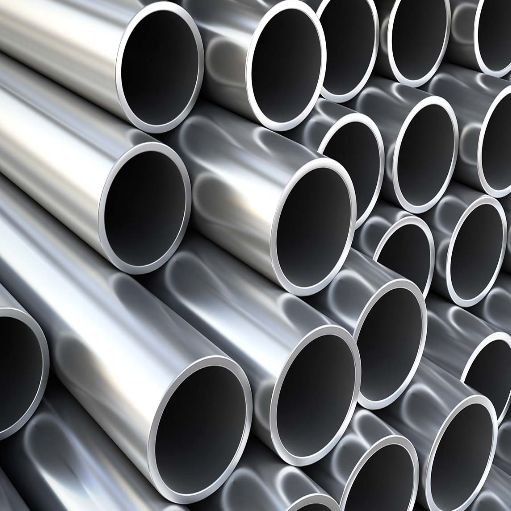
This grade of titanium has excellent strength and ductility, with corrosion resistance. The key mechanical properties of titanium grade 2 are:
- Tensile Strength: Approximately 345 MPa (50,000 psi)
- Yield Strength: Approximately 275 MPa (40,000 psi)
- Elongation: Around 20-30%
- Hardness: Approximately 160 HB (Brinell Hardness)
These characteristics make titanium grade 2 an all-weather material, and it is heavily used in aerospace, medical, and marine applications.
Exploring the tensile strength and yield strength of grade 2 titanium
Titanium grade 2, an extraordinary balance between strength and ductility, is a favorite choice in applications requiring intermediate strength and high corrosion resistance. Tensile strength indicates the maximum stress that could be applied to a material in tension or pulling without breaking. This titanium is in the range of approximately 345 MPa (50,000 psi). The yield strength may be regarded as the maximum value of stress that could be applied to the material such that the deformation will be plastic. In this regard, it usually has a yield strength of around 275 MPa (40,000 psi).
Because titanium grade 2 is unalloyed and of high purity compared to other grades of titanium, it remains extremely light in weight but demonstrates higher mechanical properties. Obviously, an elongation in the range of 20-30% shows that it may be deformed considerably before fracture, suggesting it can be worked in processes requiring ductility.
Compared with other titanium grades, grade 2 titanium certainly possesses medium strength balanced with medium formability. Its tensile strength is intermediate to grade 5 titanium, which exceeds 900 MPa, but it is easy to machine and more corrosion-resistant, primarily in seawater and chemical-processing environments. This combination of tensile and yield strength makes it useful for lightweight structural components, pressure vessels, heat exchangers, and medical implants.
Processing techniques such as cold working and annealing may cause a slight variation in the tensile and yield strengths of grade 2 titanium, allowing engineers to conform the material’s performance to the requirements of a particular application.
How does ductility affect the performance of grade 2?
Ductility is among titanium grade 2’s pivotal properties, greatly influencing its performance in various industries. Ductility is the ability of a material to deform plastically without fracture, meaning that it can be stretched, drawn, or formed into different shapes. This property especially proves to be advantageous during manufacturing processes where deep drawing and forming are involved, where the material must flow into complex geometries without seriously compromising its own integrity.
Grade 2 titanium has an elongation capacity of 20-30%, which keeps it among other materials that retain a superb strength-weight ratio, meaning it can withstand mechanical stresses while also being lightweight. These features make it appropriate for aerospace, automotive, and architectural applications where precision and durability are demanded. Above all, this high level of ductility is advantageous in corrosive settings as it decreases the likelihood of the material cracking under stress, thereby giving pressure vessels and piping systems a longer operational life.
Moreover, various processes such as annealing can increase ductility in grade 2 titanium to cater to application-specific requirements. For example, one may require higher ductility for applications in medical means, such as orthopedic pins and plates, for patient safety and better adaptability to physiological conditions. The ductility and strength of grade 2 titanium bring versatility to it as a safe option for serious applications of titanium.
Comparing grade 2 titanium with grade 5 and other grades
While offering excellent corrosion resistance and formability, Grade 2 titanium is less intense than Grade 5, which is superior in strength and heat resistance. Other grades vary in strength and ductility and are used in specific applications.
|
Parameter |
Grade 2 |
Grade 5 |
Other Grades |
|---|---|---|---|
|
Strength |
Moderate |
High |
Varies |
|
Corrosion |
Excellent |
Very Good |
Varies |
|
Formability |
High |
Low |
Varies |
|
Weldability |
Excellent |
Moderate |
Varies |
|
Applications |
Marine, Chem. |
Aerospace, Med |
Specific Uses |
|
Cost |
Lower |
Higher |
Varies |
What are the applications of titanium grade 2?
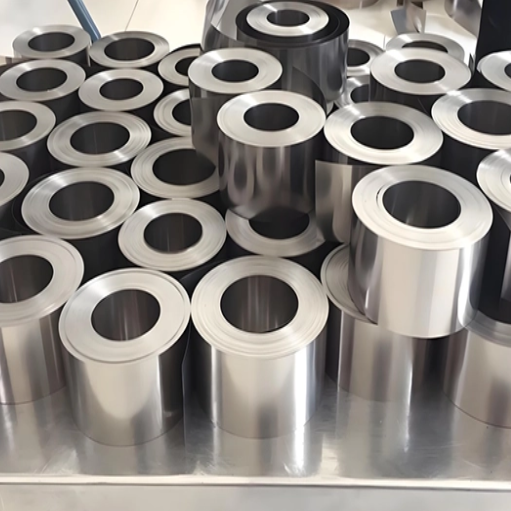
It is among the most sought-after grades for titanium in various industry sectors for its excellent corrosion resistance, strength-to-weight ratio, and biocompatibility. Some of its main applications include:
- Aerospace: For airframes, engine parts, duct work, etc., all because it is thin.
- Medical: Because of human compatibility, implants, surgical instruments, and dental devices are made of titanium.
- Marine: Ship construction, desalination plants, and underwater equipment are all resistant to seawater corrosion.
- Chemical processing: Corrosive chemicals are used in heat exchangers, pipes, and tanks.
- Power generation: Used in condenser tubing, amongst other things, in power plants.
These properties make titanium grade 2 a versatile material for demanding environments.
Industrial applications of titanium grade 2 in chemical processing
Grade 2 titanium is well known for corrosion resistance and is invaluable in the chemical processing industry. It is generally used for making reactors, heat exchangers, evaporators, and storage tanks where harsh chemicals such as chlorides, sulfates, and nitric acids exist. Compatible with high temperatures, it can maintain structural integrity under extreme conditions, thus ensuring durability and efficiency. More recent developments indicate the increased use of grade 2 titanium for applications with highly concentrated acids and alkalis where conventional materials commonly fail. Its reliability thus assists in decreasing maintenance costs and ensuring longevity for chemical processing units.
Using grade 2 titanium in heat exchangers
Grade 2 titanium’s excellent corrosion resistance, especially when in contact with seawater or aggressive chemical solutions, makes it an excellent choice for heat exchangers. Recent data suggest that its high strength-to-weight ratio and resistance to extreme temperatures help to enhance thermal efficiency and operational reliability. Also, the longevity of grade 2 titanium obviates frequent replacements, which incur downtime and overall lifecycle cost. These factors, combined with its green and recyclable nature, have made this material popular within the chemical processing, power generating, and desalination industries.
The role of titanium grade 2 in the aerospace industry
Titanium grade 2 is the most critical commercial titanium grade used in aerospace sectors because of its excellent strength-to-weight ratio, corrosion resistance, and high durability. It is lightweight, which lowers overall weight, reduces fuel consumption, and enhances performance. That higher temperature stability and fatigue resistance make it ideal for parts exposed to harsh environments and high stress, such as aircraft frames, hydraulic systems, and engine components. Recyclability only adds to the sustainability aspect of grade 2 titanium in conceptualizing modern and efficient aerospace systems. These attributes make it a vital material for developing aerospace technology in environmental and operational applications.
How does titanium grade 2 perform in corrosive environments?
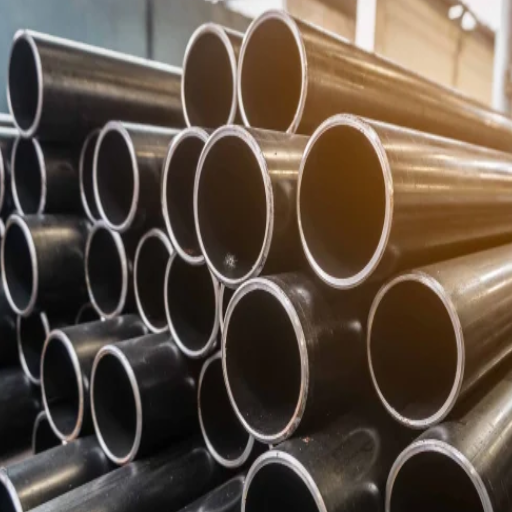
Titanium grade 2 is very efficient in corrosive surroundings because of its resistance to oxidation and chemical attack. Its durability comes from its ability to form an oxide layer against aggressive environments such as seawater, chlorine, or acidic medium. The material thus finds applications in marine, chemical processing, and industrial areas, wherever corrosion resistance is of the utmost importance.
Excellent corrosion resistance in seawater applications
Titanium grade 2 is known for resisting corrosion in seawater settings. It thus finds use in many highly demanding applications. Here are five reasons backing its performance:
- Resistance to Pitting Corrosion
Grade 2 titanium has an advantage based on pitting resistance, resisting localized corrosion even in high-chloride environments like seawater.
- Very Low Corrosion Rate
Under seawater immersion conditions, the material’s corrosion rate is extraordinarily low, sometimes less than 0.05 mm/year.
- Good Resistance to Crevice Corrosion
Titanium grade 2 is protected from crevice corrosion by a passive oxide film, which is also essential for marine applications with tight gaps.
- Resistance Maintained on Variation of Temperature
Corrosion resistance is maintained from low to high temperatures, allowing it to be applied in tropical to Arctic seawater conditions.
- Demonstrated Long-Term Durability
Long-term studies have indicated that titanium Grade 2 maintains excellent structural integrity and corrosion resistance after decades of seawater tests.
These characteristics have led to the material’s widespread use in seawater-cooling systems, heat exchangers, and shipbuilding applications.
Resistance to chloride and its implications for use
Titanium grade 2 is hardly subject to corrosion caused by chlorides. Being resistant to chloride corrosion is crucial when the application involves seawater or saline environments. It combats pitting and crevice corrosion, which mostly occur when any metal components holding up its structure are exposed to high concentrations of chlorides. Some freshwater industries such as desalination, offshore oil and gas, and marine engineering immensely profit in this regard since they rely upon this protection for their equipment to have a long life with low maintenance costs. This resistance against chloride environments thus makes titanium-grade 2 a perfect choice to construct pipelines, heat exchangers, and other facilities regularly facing aggressive saline conditions.
Reference Sources
Key Findings:
- Adding graphene nanoplatelets (GNPs) and hexagonal boron nitride (hBN) nanoparticles to a vegetable-based oil improved the tribological performance of Titanium Grade 2.
- The nanoparticle-enriched oil reduced the friction coefficient and wear rate compared to the base oil.
- The optimal concentration of GNPs and hBN was 0.5 wt% each for the best tribological performance.
Methodology:
- Friction and wear tests were conducted using a pin-on-disc tribometer on Titanium Grade 2 samples.
- Different concentrations of GNPs and hBN nanoparticles were added to a vegetable-based oil, and their effects on friction and wear were evaluated.
- Surface analysis techniques like SEM and EDS were used to characterize the worn surfaces.
Key Findings:
- Non-contact boriding of Titanium Grade 2 in an oxygen-containing medium formed a TiB compound layer with optimal surface roughness parameters.
- Under both dry sliding and lubricated conditions, the TiB compound layer exhibited lower friction coefficients than the TiN layer formed by gas nitriding.
- The improved tribological performance of the borided layer was attributed to its surface roughness characteristics and hardness.
Methodology:
- Titanium Grade 2 samples were subjected to non-contact boriding in an oxygen-containing medium and gas nitriding.
- The surface characteristics, including roughness and compound layer composition, were analyzed using various techniques.
- Friction and wear tests were conducted using a pin-on-disc tribometer under dry sliding and lubricated conditions.
Key Findings:
- The optimal process parameters for incremental sheet forming of Titanium Grade 2 sheets were determined using a central composite design and response surface methodology.
- The spindle speed, tool feed rate, and step size were identified as the critical parameters affecting the formed parts’ forming force and surface roughness.
- The optimal parameters were a spindle speed of 579 rpm (clockwise direction), a tool feed rate of 2000 mm/min, and a step size of 0.5 mm, which minimized the forming force and surface roughness.
4.Top Titanium Machining Parts Manufacturer And Supplier In China
Frequently Asked Questions (FAQs)
Q: What are the properties of Titanium Grade 2?
A: Titanium Grade 2, also known as CP Ti, is an unalloyed titanium with excellent corrosion resistance, particularly against seawater. Its good ductility makes it suitable for various applications, including tubing or piping systems.
Q: How does Titanium Grade 2 compare to other commercially pure titanium grades?
A: Titanium Grade 2 is one of the most commonly used commercially pure titanium grades due to its balance of strength, corrosion resistance, and good ductility. It is often preferred for applications where weldability and formability are essential.
Q: What is the significance of good ductility in Titanium Grade 2?
A: Titanium Grade 2’s good ductility allows for easier shaping and forming processes, which is essential in manufacturing components like plate heat exchangers and other intricate designs.
Q: Is Titanium Grade 2 weldable?
A: Yes, Titanium Grade 2 is weldable. Methods such as MIG and TIG can be used to weld Grade 2 titanium. However, inert gas shielding is crucial during welding to prevent oxygen pickup and embrittlement.
Q: What applications benefit from the corrosion resistance of Titanium Grade 2?
A: Titanium Grade 2 offers high corrosion resistance, making it ideal for marine applications, chemical processing, and any environment where exposure to aqueous solutions is everyday.
Q: Can Titanium Grade 2 be used in high-temperature applications?
A: Titanium Grade 2 can withstand moderate temperatures, but it is not typically used in high-temperature applications compared to titanium alloys like Grade 5, which provide better mechanical properties at elevated temperatures.
Q: What are the advantages of using titanium in tubing or piping systems?
A: Titanium is a popular choice for tubing or piping systems due to its excellent resistance to seawater and corrosive environments, lightweight nature, and good mechanical properties, which ensure durability and longevity.
Q: How does the strength of Titanium Grade 2 compare to titanium alloys?
A: Titanium Grade 2 has lower strength than titanium alloys like Grade 5. However, its strength is sufficient for many applications, especially where corrosion resistance and ductility are prioritized.
Q: What precautions should be taken while welding Grade 2 titanium?
A: During the welding of Grade 2 titanium, inert gas shielding is essential to prevent contamination from oxygen, which can lead to embrittlement. Proper cleaning of the base material before welding is also crucial.


